▲ 인천 생활인구 하루 변화(사진제공:인천연구원) © 박상도 기자 |
인천연구원에 따르면, 이번 연구에서는 통신데이터를 바탕으로 측정 시점에 인천시 안에서 활동하고 있는 사람을 대상으로 한 ‘동태적 생활인구’를 산정했다.
이는 단순히 몇 명이 인천에 살고 있는지를 넘어서, 어느 시간대에, 어떤 목적(상주․직장․방문)으로, 어느 지역에 사람들이 머무르는지를 입체적으로 파악하기 위한 것으로 도시의 리듬과 밀도를 구체적으로 보여준다.
분석 결과, 인천시 총 생활인구는 주민등록인구 대비 92~99% 수준으로 주민등록인구와 생활인구는 크게 차이가 없이 나타났다.
그러나 시간별로는 상주․직장․방문인구가 각각 다른 시점에 최대치를 보이며, 이들의 조합이 인천의 ‘도시 시계’를 규정하는 것으로 나타났다.
상주인구는 일요일 23시에 최대(약 228만~235만 명)로, 주민등록인구 대비 77~80% (통신데이터가 0~9세를 미포함하여 주민등록인구에서 0~9세 제외하고 산정 시 82~87%) 수준을 보이며, 야간 주거기능의 안정성을 보여준다.
직장인구는 평일 오전 9시에 93만~110만 명으로 가장 많고, 방문인구는 토요일 14~17시에 134만~142만 명으로 최고치를 기록하는 등 출근 시간대․주말 쇼핑․여가 시간대에 인구가 집중되는 패턴이 뚜렷하게 나타났다.
또, 주중 23시와 14시를 비교하면 인천 전체 순유출은 약 19만 5천 명(주민등록 대비 6.5%)으로, 계양․부평․미추홀 등 경인선․경인고속도로 축은 유출이 크고, 공항․항만․관광 인프라가 있는 중구․동구․옹진․강화는 유입이 상대적으로 높은 것으로 조사됐다.
연령대별로는 20대가 신도시와 상업․대학가에, 70대 이상 고령층이 원도심에 집중되는 등 세대별 활동 반경의 뚜렷한 차이도 확인됐다.
이 연구를 통해서, 생활인구가‘동태적 도시관리’를 가능하게 하는 운영 도구임을 확인할 수 있다.
우선 상주․직장․방문인구 비율을 활용하여 주거․업무․상업․여가 우세지역을 구분하고, 이에 맞춰 도서관․체육시설․문화센터․돌봄시설 등 생활SOC 입지와 공급 규모를 조정할 수 있다.
또, 낮에는 업무․창업 공간, 저녁에는 주민 커뮤니티 공간으로 쓰는 등 시간대별 이용 패턴에 맞춘 공공청사․공공공간의 복합․공유 운영모델을 설계할 수 있어, 한정된 도시공간의 효율성을 높이는 데에도 기여한다.
아울러, 청년층이 밀집한 지역에는 청년 문화․여가․창업지원 시설과 대중교통․주거 지원을 연계하고, 고령층이 오래 머무르는 지역에는 완만한 보행 경사, 의료 접근성 강화, 노인 특화 공원과 커뮤니티 공간, 노인친화 교통체계 등 고령친화 공간계획을 집중적으로 적용하는 등 대상별 맞춤형 정책 설계도 가능하다.
외국인의 경우 국적․거주 패턴이 동별로 다르게 나타나는 만큼, 생활인구 분석을 통해 다문화가족 지원, 통역․상담 서비스, 행정 정보제공 거점 등을 보다 세밀하게 배치할 수 있다.
인천연구원 안내영 연구위원은“생활인구는 주민등록인구나 일회성 조사로는 포착하기 어려운 도시의 ‘시간별 얼굴’을 보여주는 새로운 빅데이터 지표로서 이를 주민등록, 토지이용, 카드데이터 등과 연계하면 축제․이벤트 효과 검증, 상권 활성화 전략, 생활 편의시설 확충, 인파·안전 관리, 자족기능 제고 등 다양한 정책에 활용을 기대할 수 있을 것”이라고 밝혔다.
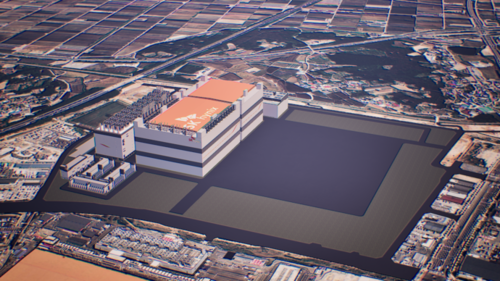
 ▲ 인천시 잡월드 프로그램 제안(사진제공:인천연구원) © 박상도 기자 |
또한, 인천연구원이 27일, 2025년 기획연구과제로 수행한 ‘(가칭)아이잡월드 건립 기본연구’ 결과보고서를 발표하고, 인천 지역 학생들의 진로 체험 기회 확대와 지역 인재 양성을 위해 공공 직업체험시설 건립을 제안했다.
인천연구원에 따르면, 인천시청 반경 10km 내 학생 수는 약 31만 명으로, 이는 현재 국내 유일의 공공 직업체험관인 성남 ‘한국잡월드’ 배후 수요(13.9만 명)의 2.2배에 달하는 압도적인 규모다.
그러나 인천의 학생들은 체험을 위해 왕복 4시간을 소요하며 타지로 이동해야 하는 등 ‘체험 소외’ 현상을 겪고 있다.
이에 연구원은 인천의 전략 산업과 연계한 ‘인천형 특화 잡월드(아이잡월드)’ 건립을 제안했다.
이는 송도(바이오), 영종(항공·물류), 청라(로봇·금융) 등 지역 산업 특성을 반영한 프로그램을 통해 ‘인천에서 배우고 인천에서 일하는’ 선순환 체계를 구축하고, 산업과 인재 간의 미스매치를 해소하기 위함이다.
시민 설문조사 결과에서도 응답자의 89.2%가 방문 의향을 밝히며 높은 기대감을 나타냈다.
건립 후보지로는 원도심의 ‘상상플랫폼’과 서구의 ‘청라시티타워’가 유력하게 검토됐다.
연구원은 초기 투자비용 절감과 접근성을 고려해 상상플랫폼을 1단계(청소년 중심), 청라시티타워를 2단계(종합 체험관)로 활용하는 단계별 추진 방안을 제시했다.
막대한 운영 적자(연간 100억 원 이상)에 대한 재정 부담을 완화하기 위한 방안도 제시됐다.
청라시티타워의 경우, 전망이 좋은 상부층은 민간에 임대하여 수익을 창출하고, 하부층에 공공 시설인 아이잡월드를 배치하여 임대 수익으로 운영 적자를 보전하는 ‘수익-공공 하이브리드 모델’이 제안됐다.
인천연구원 배덕상 연구위원은 “아이잡월드는 단순한 체험 공간을 넘어, 인천의 미래 산업을 이끌어갈 인재를 양성하는 핵심 교육 인프라가 될 것”이라며, “인천시가 주도적으로 관련 부서 및 교육청과 협력 거버넌스를 구축하여 사업을 구체화할 필요가 있다”고 강조했다.
*아래는 위 기사를 ‘구글 번역’으로 번역한 영문 기사의 [전문]입니다.‘구글번역’은 이해도 높이기를 노력하고 있습니다. 영문 번역에 오류가 있을 수 있음을 전제로 합니다.<*Below is the full text of the English translation of the above article, translated using Google Translate. Google Translate strives to improve comprehension. Please understand that there may be errors in the English translation.>
Incheon Research Institute: Analysis of Residential Population and Living Areas, Calculation of "Dynamic Residential Population" and Proposal for Establishment of "Incheon-Style Public Job World"
-Break News Incheon Park Sang-do Reporter
On the 27th, the Incheon Research Institute released the results of its 2025 research project, "Analysis of Residential Population and Living Areas for the Vibrant Incheon Initiative."
According to the Incheon Research Institute, this study calculated the "Dynamic Residential Population," based on telecommunications data, targeting people active in Incheon at the time of measurement.
This approach goes beyond simply measuring the number of people living in Incheon. It aims to provide a three-dimensional understanding of the time period, purpose (resident, work, visit), and location of people's stay, providing a concrete picture of the city's rhythm and density.
The analysis results showed that Incheon's total residential population was approximately 92-99% of the registered resident population, showing little difference between the two.
However, the residential, office, and visiting populations peaked at different times, and the combination of these populations determined Incheon's "city clock."
The residential population peaked on Sundays at 11:00 PM (approximately 2.28 million to 2.35 million), representing 77-80% of the registered resident population (82-87% when calculating the resident population excluding children aged 0-9, as telecommunication data does not include children aged 0-9), demonstrating the stability of Incheon's nighttime residential function.
The office population peaked at 9:00 AM on weekdays, with 930,000 to 1.1 million, while the visiting population peaked at 1.34 million to 1.42 million on Saturdays, with 2:00 PM to 5:00 PM. This clearly demonstrated a pattern of population concentration during commuting hours and weekend shopping and leisure periods.
Furthermore, comparing weekdays between 11:00 PM and 2:00 PM, Incheon's net outflow was approximately 195,000 people (6.5% of the registered population). Areas along the Gyeongin Line and Gyeongin Expressway, such as Gyeyang, Bupyeong, and Michuhol, experienced significant outflows, while areas with airport, port, and tourism infrastructure, such as Jung-gu, Dong-gu, Ongjin, and Ganghwa, experienced relatively high inflows.
By age, distinct differences in activity spheres were also identified, with those in their 20s concentrated in new towns and commercial and university districts, while those in their 70s and older concentrated in the original city center.
This study confirms that the residential population serves as an operational tool for "dynamic urban management."
First, the ratio of resident, office, and visiting populations can be used to identify areas with high concentrations of residential, business, commercial, and leisure activities. This can then be used to adjust the location and scale of social overhead capital (SOC) such as libraries, sports facilities, cultural centers, and daycare facilities.
Furthermore, it allows for the design of a hybrid and shared operation model for public buildings and public spaces tailored to different time-of-day usage patterns, such as office and startup spaces during the day and community spaces in the evening. This contributes to increasing the efficiency of limited urban space.
Furthermore, customized policies can be designed for each target group. For example, in areas with a high concentration of young people, youth cultural, leisure, and startup support facilities can be linked with public transportation and housing support. In areas where older adults spend long periods of time, targeted age-friendly spatial planning can be implemented, including gentle walking slopes, improved access to medical care, parks and community spaces specifically designed for seniors, and senior-friendly transportation systems.
Since foreign nationalities and residential patterns vary by neighborhood, population analysis can allow for more detailed deployment of multicultural family support, interpretation and counseling services, and administrative information centers.
Ahn Nae-young, a research fellow at the Incheon Institute, stated, "The resident population is a new big data indicator that reveals the 'temporal face' of a city, difficult to capture through resident registration or one-time surveys. By linking it with resident registration, land use, and credit card data, it can be utilized in various policies, including verifying the effectiveness of festivals and events, revitalizing commercial districts, expanding amenities, managing crowds and safety, and enhancing self-sufficiency."
Furthermore, on the 27th, the Incheon Institute released the results of its "Basic Research on the Establishment of (tentative name) I-Job World," a 2025 research project. The institute proposed the establishment of a public job experience facility to expand career exploration opportunities for students in Incheon and foster local talent.
According to the Incheon Institute, the number of students within a 10km radius of Incheon City Hall is approximately 310,000, an overwhelming 2.2 times the demand (139,000) for Korea Job World in Seongnam, the only public job experience center in Korea.
However, students in Incheon are experiencing "experience exclusion," having to travel to other regions for four hours round trips to participate in the experience.
In response, the research institute proposed the establishment of an "Incheon-style specialized job world (iJob World)" linked to Incheon's strategic industries.
This aims to establish a virtuous cycle of "learning in Incheon and working in Incheon" through programs that reflect the characteristics of regional industries, such as Songdo (biotechnology), Yeongjong (aviation and logistics), and Cheongna (robotics and finance), and to address the mismatch between industry and talent.
A citizen survey revealed high expectations, with 89.2% of respondents expressing a willingness to visit.
The "Imagination Platform" in the downtown area and the "Cheongna City Tower" in Seo-gu were considered strong candidates for the project.
Considering reduced initial investment costs and accessibility, the research institute proposed a phased implementation plan, with the Imagination Platform serving as the first stage (youth-focused) and the Cheongna City Tower serving as the second stage (comprehensive experience center).
Measures were also proposed to alleviate the financial burden of the massive operating deficit (over 10 billion won annually).
For Cheongna City Tower, a "profit-public hybrid model" was proposed: the upper floors, with their prime views, would be leased to the private sector to generate revenue, while the lower floors, housing the public facility I-Job World, would be used to offset the operating deficit with rental revenue.
Bae Deok-sang, a research fellow at the Incheon Research Institute, stated, "I-Job World will go beyond a simple experience space and become a core educational infrastructure that fosters talent to lead Incheon's future industries." He emphasized, "Incheon City needs to take the lead in establishing collaborative governance with relevant departments and the Office of Education to flesh out the project."
원본 기사 보기:ebreaknews.com