[노병한의 관상·칼럼] ‘운(運)을 당겨오는 관상’과 ‘운(運)을 밀어내는 관상’은 ‘관상·행동·에너지의 흐름·리듬’에서 전혀 다른 양상이 나타나게 되어 있다. 함께하는 사람과의 인연이 누구냐에 따라 운(運)의 흐름이 달라지고 삶의 내용이 바뀌는 건 두말할 나위가 없는 사실이다. ‘운(運)을 당겨오는 관상’과 함께할 것인지, 아니면 ‘운(運)을 밀어내는 관상’과 함께할 것인지는 온전히 당사자의 몫이다.
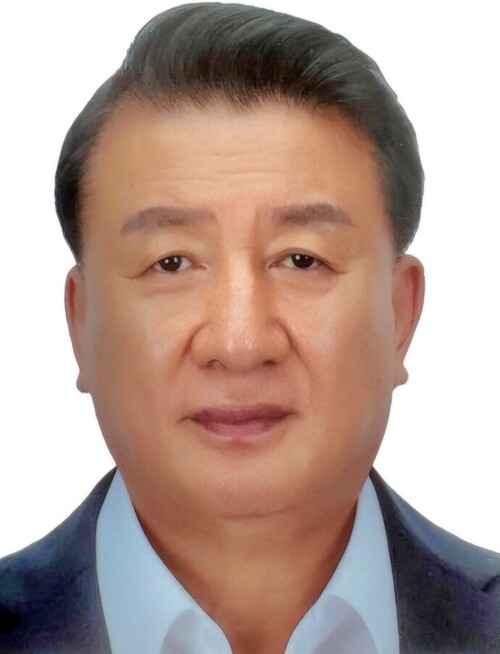
운(運)을 당겨오는 관상은 눈(眼)의 초점이 또렷해지고 눈빛이 맑아지며 시선이 정면을 향한다. 미간(眉間)·인당(印堂)이 자연스럽게 열리고 미세한 윤기가 보인다. 입(口)에서 내뱉는 말수는 줄지만 정확해지고 입꼬리가 중립 이상으로 상승한다. 턱(下顴)에 단단하게 힘이 차며 안정되어 보이고, 표정도 담담하게 집중되어 보인다.
 © 노병한 사주풍수칼럼니스트 |
운(運)을 당겨오는 사람은 말버릇이 ‘해보자·괜찮다·내가 책임져’라고 바뀐다. 결정·결단의 속도는 느려져도 결정이 흔들리지 않는다. 사람의 관계에서 도움이 되는 귀인이 붙기 시작한다. 생활의 리듬에서도 수면·식사·동선 등이 잘 정리된다. 공통의 신호로 조용하게 자신감이 생겨난 듯 보인다.
운(運)을 밀어내는 관상은 눈(眼)의 초점이 흐려지고 눈이 탁해지며 시선이 정면을 향하지 못하고 아래·옆으로 도망치듯 피한다. 미간(眉間)·인당(印堂)이 좁아지고 세로의 주름이 굳어져 긴장이 고정되어 보인다. 입(口)에서 내뱉는 불평·변명이 증가하고 입꼬리가 하강해 아래로 쳐진다. 턱(下顴)에 힘이 빠지며 경직되어 보이고, 표정이 조급해지며 과잉 반응이 생긴다.
운(運)을 밀어내는 사람은 말버릇이 ‘왜 나만·안되나·남 탓’으로 돌리는 횟수가 늘어난다. 결정·결단의 속도가 급해지거나 계속해서 뒤로 미룬다. 사람의 관계에서 주변이 하나씩 이탈해 나간다. 생활의 리듬에서 밤샘·폭식·무질서 등이 이어진다. 공통의 신호로 피해의식의 토로와 함께 한숨이 생긴다.
운(運)을 당기는 사람은 얼굴이 먼저 바뀌고, 행동이 정돈되고, 그다음 사건이 온다. 기복이 줄어들고 쓸데없는 말이 사라지며 선택이 단순해지고 주변이 스스로 정리되는데 이 단계가 오면 이미 운(運)은 입구에 도착한 상태다.
운(運)을 밀어내는 사람은 사건에 먼저 반응하고 감정이 튀며 얼굴이 무너진다. 사소한 말에도 예민해지고 남의 행동에 과도한 의미를 부여하며 급한 결정으로 후회를 반복한다. ‘왜 나만’이라는 내부의 독백이 증가하는데 이때는 이미 운(運)이 빠져나가는 중이다.
운(運)은 노력도 중요하나 표정인 ‘관상·행동·에너지의 흐름’과 같은 상태에 붙는다. 그래서 공부를 많이 하고 실력이 뛰어나게 좋아도 운(運)이 안 붙고 정체되는 사람 있는가 하면, 공부가 적고 실력이 부족해 준비가 덜 되었음에도 운(運)이 폭발하여 승승장구하는 사람도 있다. 이러함의 차이는 오직 ‘얼굴·표정·말투·리듬’이 정렬되어 있느냐 아니면 흐트러져 있느냐에 달려있다고 할 것이다.
행운이 찾아오지 않는 데에는 그럴 만한 이유가 있다. 행운을 움켜쥐려면 미리 준비해야 한다. 운(運)을 부르는 사람은 상태를 관리하고, 운(運)을 밀어내는 사람은 결과만 집착한다. 그래서 똑같은 기회가 와도 한쪽은 타고 올라가고 한쪽은 스스로 걷어찬다.
‘운(運)을 부르고 당겨오는 사람’은 표정이 맑고 깨끗하며 자연스럽고 원만하며 힘이 있고, 행동의 패턴은 신중하게 관망한 후에 타이밍이 오면 그때 정확히 움직이고 사람을 억지로 붙잡지 않으며, 작게 시작해 조급하지 않게 흐름을 확인한 연후에 크게 확장하며, 운(運)이 들어오기 좋은 자리를 먼저 만들어 ‘귀인·정보·기회’가 연결형으로 들어와 운(運)이 작동하고 성취가 누적되는 과정을 밟는다.
반면에 ‘운(運)을 밀어내고 쫓아내는 사람’은 표정이 과도하게 날카롭고 불안정해 보이며, 행동의 패턴은 항상 급해 먼저 들이밀고 나중에 생각하며 인간관계를 일회용으로 쓰고 쉽게 버리며, 운(運)이 들어오기 좋은 자리를 먼저 만들지 않고, 운(運)이 앉을 자리와 운(運)의 작동 방식을 스스로 망가뜨리기에 운(運)이 와도 전투형의 사건으로 진행되어 결국에는 실패를 반복하게 된다.
‘운(運)을 부르고 당겨오는 사람’은 시선·방향은 흐름을 보고, 타이밍을 기다릴 줄 알며, 말이 짧고 정확하기에 귀인과의 관계가 자연스럽게 연결됨으로써 일의 성공 확률을 높이는 경우다.
그러나 ‘운(運)을 밀어내고 쫓아내는 사람’은 시선·방향이 늘 결과만을 쫓고, 타이밍을 기다리며 참지 못하며, 말이 많고 감정적이어서 실언·실수로 귀인과의 관계가 차단됨으로써 일의 실패 확률을 높이는 경우다.
운(運)은 힘이 아니라 공간을 따라 움직이기에 얼굴이 열려 있으면 들어오고 마음이 조급하면 빠져나간다. 운(運)을 부르는 사람은 비워서 맞이하고 운(運)을 밀어내는 사람은 붙잡으려다 놓친다. 운(運)은 쟁취의 대상이 아니라 접속의 대상이다. 운(運)을 부르는 사람은 자기 상태를 다스리기에 성공하고, 운(運)을 밀어내는 사람은 세상을 다스리려고 하기에 실패한다. 정치인도 기업인도 매양 마찬가지다.
□글/노병한:박사/한국미래예측연구소(소장)/노병한박사철학원(원장)/자연사상칼럼니스트/인생상담사.
*아래는 위 기사를 '구글 번역'으로 번역한 영문 기사의 [전문]입니다. '구글번역'은 이해도 높이기를 위해 노력하고 있습니다. 영문 번역에 오류가 있을 수 있음을 전제로 합니다.<*The following is [the full text] of the English article translated by 'Google Translate'. 'Google Translate' is working hard to improve understanding. It is assumed that there may be errors in the English translation.>
The Distinction Between "Feng Shui that Attracts Luck" and "Feng Shui that Repels Luck"
- Noh Byeong-han, Four Pillars of Destiny and Feng Shui Columnist
[Noh Byeong-han's Physiognomy and Column] "Feng Shui that Attracts Luck" and "Feng Shui that Repel Luck" exhibit completely different aspects in their "physiognomy, behavior, energy flow, and rhythm." It goes without saying that the flow of luck and the content of one's life change depending on the people one associates with. Whether one engages with "Feng Shui that Attracts Luck" or "Feng Shui that Repels Luck" is entirely up to the individual.
Feng Shui that attracts luck is characterized by sharper focus, clearer eyes, and a forward gaze. The eyebrows and the forehead naturally open, revealing a subtle sheen. Words become less frequent but more precise, and the corners of the mouth rise above neutral. The chin appears firm and stable, and the expression appears calm and focused.
© Noh Byeong-han, Feng Shui Columnist
Those who attract good fortune change their speech patterns to "Let's do it," "It's okay," and "I'll take responsibility." Decisions may slow down, but they remain unwavering. Benevolent individuals begin to appear in their relationships. Lifestyle rhythms, including sleep, meals, and movement, become more organized. A sense of confidence seems to emerge quietly, a shared signal.
Physiognomy that pushes away good fortune involves blurred vision, cloudy eyes, and a lack of forward focus, often turning downward or to the side. The space between the eyebrows and the forehead narrow, and vertical wrinkles harden, creating a fixed appearance of tension. The mouth becomes more prone to complaints and excuses, and the corners of the mouth droop. The jaw appears tense and stiff, and facial expressions become impatient and overreactive.
Those who push away luck often find themselves blaming others, saying things like, "Why me? Why can't things work out?" or "Why can't I just do it?" They make decisions quickly or constantly put them off. Their relationships gradually become unrelated. All-nighters, binge eating, and disorder become a common refrain. A common signal is a sigh accompanied by a sense of victimhood.
Those who attract luck see their faces change first, their actions become more organized, and then events arrive. Ups and downs diminish, unnecessary chatter disappears, choices become simpler, and the world around us begins to organize itself. By this point, luck has already arrived at its gates.
Those who push away luck react prematurely to events, their emotions flare, and their faces fall. They become sensitive to trivial remarks, attach excessive significance to others' actions, and make hasty decisions that they repeatedly regret. The internal monologue, "Why me?", intensifies, and by this point, luck is already slipping away.
Luck is not only about effort, but also about the state of one's appearance, actions, and energy flow. Therefore, some people study hard and possess exceptional skills, yet their luck stagnates. Meanwhile, others, lacking study and skill and thus lacking preparation, experience explosive success and achieve remarkable success. The difference between these two lies solely in the alignment or disarray of their "face, expression, tone of voice, and rhythm."
There's a reason luck doesn't come your way. To seize it, you must prepare in advance. Those who attract luck manage their circumstances, while those who push it away are fixated on the outcome. Consequently, even when the same opportunity presents itself, one side will rise to the occasion while the other will kick it away.
Those who "call and attract luck" have clear and pure expressions, natural, smooth, and powerful. Their behavior patterns are carefully observed, and when the timing is right, they act precisely. They don't force people. They start small, observe the flow without haste, and then expand significantly. They first create favorable positions for luck, allowing "noble people, information, and opportunities" to flow in a connected way, allowing luck to work and accumulating achievements.
On the other hand, those who "push away and repel luck" appear overly sharp and unstable. Their behavior patterns are always impatient, pushing forward first and thinking later. They use relationships as disposable and easily discard them. They don't create favorable positions for luck, and they sabotage the very places where luck can find its place and how it functions. As a result, even when luck does arrive, it often progresses through combat-like events, ultimately leading to repeated failures.
Those who "call and attract luck" are quick to observe the flow of their gaze and direction, know how to wait for the right moment, and speak concisely and accurately. This naturally connects them with their benefactors, increasing their chances of success.
However, those who "push away and repel luck" are constantly focused on the outcome, impatient for the right moment, and talk too much and are emotional. This leads to slips of the tongue and mistakes that can block their connections with their benefactors, increasing their chances of failure.
Luck isn't a force, but rather a movement through space. It enters when the face is open, and retreats when the mind is impatient. Those who invite luck welcome it with an open mind, while those who push it away lose it in their attempts to seize it. Luck isn't an object of struggle, but of connection. Those who invite it succeed in mastering their own circumstances, while those who push it away fail because they try to master the world. Politicians and businesspeople are always the same.
nbh1010@naver.com
□Written by/Ph.D. Noh Byeong-han/Director, Korea Future Prediction Institute/Director, Noh Byeong-han Ph.D. Philosophy Institute/Natural Thought Columnist/Life Counselor