▲ 김해시청 ©이성용 |
[브레이크뉴스=양영석 기자] 김해시는 부산-김해경전철 주식회사 BGL이 철도 유관기관과 협력해 전동차 핵심 부품인 ‘냉각송풍기 국산화 개발’을 추진하며 철도 유지관리 비용 절감과 안정적인 부품 공급 기반 확보에 나선다고 17일 밝혔다.
냉각송풍기는 전동차 추진제어장치와 보조전원장치에서 발생하는 열을 냉각하는 핵심 설비다.
부산-김해경전철은 국내 최초로 도입한 경량전철로 냉각송풍기는 일본 미쓰비시 제품이 사용되고 있다.
그러나, 2024년 냉각송풍기 내부 부품이 단종되면서 유지관리에 어려움이 예상돼 냉각송풍기 국산화 필요성이 지속적으로 제기돼 왔다.
이에 BGL은 한국철도기술연구원이 주관하는 ‘철도유관기관 연계 중소기업 지원사업’에 참여해 지난해부터 ‘전동차 추진제어장치와 보조전원장치용 냉각송풍기 국산화 개발 프로젝트’를 추진하고 있다.
현재 냉각송풍기 국산화와 관련한 세부 사양 분석과 설계, 시제품 제작이 완료된 상황이며 올해 11월까지 실제 운영 환경에서 시제품에 대한 실증 테스트를 진행해 국산화 개발을 완료할 계획이다.
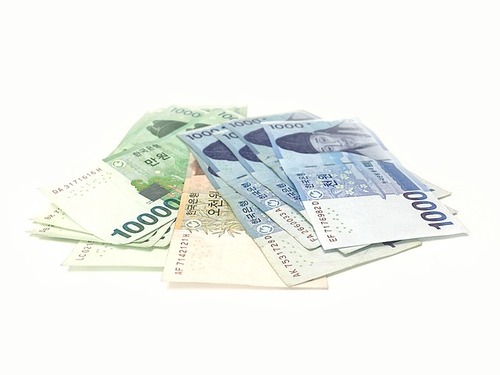
냉각송풍기 110개를 전량 교체할 경우, 해외 제품을 사용할 때는 약 15억원 이상의 비용이 소요되지만, 국산화 개발 제품을 적용하면 약 4억원의 수준으로 11억원 이상의 예산 절감 효과가 기대된다.
철도 핵심 부품의 해외 의존도를 낮추고 국내 철도 기술 경쟁력 강화에도 기여할 전망이다.
특히 이번 사업은 민간투자사업 시행사인 BGL 이용곤 대표가 지자체 재정지원금 절감을 위해 자발적으로 중소기업 지원사업에 참여해 추진한 점에서 의미가 크다.
BGL은 김해시 진례면 소재 하이에어코리아와 협업해 철도 핵심 부품 국산화를 추진하고 있으며 이는 민간사업자가 지역 기업과 협력해 기술 자립과 비용 절감을 동시에 추진한 모범 사례로 평가된다.
김해시 박봉현 대중교통과장은 “지난해 기준 재정지원금 849억원 가운데 운영비 보전은 213억원을 차지한다”며 “부산-김해경전철의 철도 부품 국산화 개발 추진에 따른 예산 절감은 지자체 재정 운영에 큰 도움이 될 것”이라고 말했다.
이어 “지자체는 운영비 보전 외에도 연 600억원 이상의 민간차입금을 지급하고 있는 상황”이라며 “열악한 지자체의 재정 여건을 민간사업 시행사인 BGL도 인지하고 재정지원금 부담을 낮추기 위해 노력하고 있는 만큼, 정부도 실시협약 체결자로서 재정지원금을 함께 분담해야 한다”고 밝혔다.
*아래는 위 기사를 '구글 번역'으로 번역한 영문 기사의 [전문]입니다. '구글번역'은 이해도 높이기를 위해 노력하고 있습니다. 영문 번역에 오류가 있을 수 있음을 전제로 합니다.<*The following is [the full text] of the English article translated by 'Google Translate'. 'Google Translate' is working hard to improve understanding. It is assumed that there may be errors in the English translation.>
Busan-Gimhae Light Rail Transit (LRT) Pushes for Domestic Development of Core Train Component ‘Cooling Fans’
Development in Cooperation with Korea Railroad Research Institute and Gimhae Manufacturer
Gimhae City announced on the 17th that BGL (Busan-Gimhae Light Rail Transit) Co., Ltd. is pursuing the domestic development of cooling fans, a core component of electric trains, in cooperation with railway-related organizations. This initiative aims to reduce railway maintenance costs and secure a stable supply base for parts.
Cooling fans are critical equipment that cools the heat generated by the train's propulsion control system and auxiliary power supply unit.
As the Busan-Gimhae Light Rail Transit is the first light rail system introduced in Korea, it currently uses cooling fans manufactured by Mitsubishi of Japan.
However, with internal components of the cooling fans set to be discontinued in 2024, difficulties in maintenance are anticipated, leading to continuous calls for the localization of cooling fans. Accordingly, BGL participated in the ‘Support Project for SMEs Linked with Railway-Related Institutions,’ organized by the Korea Railroad Research Institute, and has been pursuing the ‘Domestic Development Project for Cooling Fans for Electric Train Propulsion Control Systems and Auxiliary Power Supply Units’ since last year.
Currently, detailed specification analysis, design, and prototype manufacturing related to the localization of cooling fans have been completed. The plan is to complete the localization development by conducting validation tests on the prototypes in actual operating environments by November of this year.
Replacing all 110 cooling fans would cost over 1.5 billion won if using foreign products, but applying the domestically developed product would reduce the cost to approximately 400 million won, resulting in expected budget savings of over 1.1 billion won.
This is expected to reduce dependence on foreign sources for core railway components and contribute to strengthening the competitiveness of domestic railway technology.
In particular, this project is significant because Lee Yong-gon, CEO of BGL, the private investment project implementer, voluntarily participated in the SME support program to reduce financial support from local governments. BGL is pursuing the localization of core railway components in collaboration with Hi Air Korea, located in Jinrye-myeon, Gimhae-si. This is considered an exemplary case where a private operator has partnered with a local company to simultaneously achieve technological independence and cost reduction.
Park Bong-hyun, Head of the Public Transportation Division at Gimhae City, stated, "As of last year, operating cost reimbursement accounted for 21.3 billion won out of the 84.9 billion won in financial support provided." He added, "The budget savings resulting from the development of localized railway components for the Busan-Gimhae Light Rail will be of great help to the local government's financial management."
He continued, "In addition to covering operating costs, the local government is currently paying out over 60 billion won in private loans annually." He further stated, "Since BGL, the private operator, is aware of the local government's precarious financial situation and is striving to reduce the burden of financial support, the government, as the signatory to the implementation agreement, must also share the financial burden."
원본 기사 보기:브레이크뉴스경남