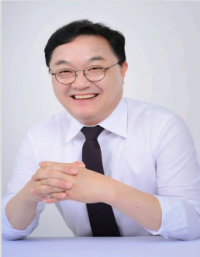
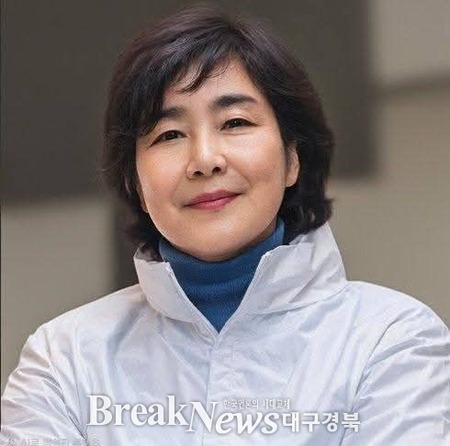
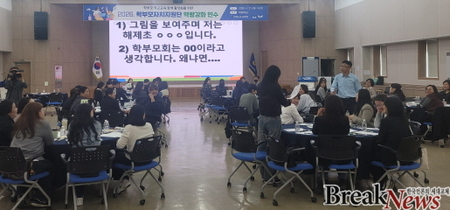
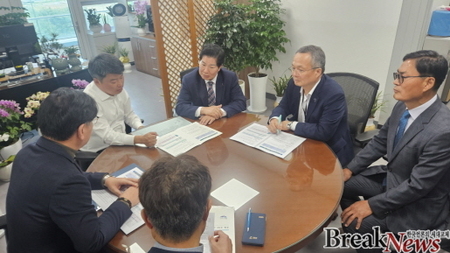
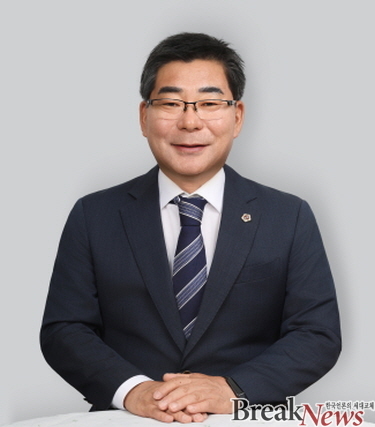
▲ 여수광양항만공사가 24일 제3기 항만물류 리더스 아카데미에서 김경호 제주대학교 언론홍보학과 교수를 초청해 ‘K-컬처와 문화산업, 여수세계박람회장’을 주제로 9회차 특강을 진행했다. |
여수광양항만공사는 제3기 항만물류 리더스 아카데미에서 김경호 제주대학교 언론홍보학과 교수를 초청해 'K-컬처와 문화산업, 여수세계박람회장'을 주제로 9회차 특강을 진행했다고 25일 밝혔다.
김경호 교수는 전날 열린 특강에서 "글로벌 석유화학과 철강산업의 위기를 마주한 지역 경제 현실을 진단하고 20세기 ‘물질 중심’ 산업화 프레임에서 벗어나 21세기 ‘감성과 창의’ 중심의 문화로 패러다임을 전환해야 한다"고 역설했다.
그는 K-컬처를 단순한 한류 콘텐츠가 아니라 한국인의 삶과 미학, 디지털 시대의 공감 기술이 결합된 복합문화 생태계로 정의했다.
특히 문화콘텐츠 산업은 약 150조 원 규모로 성장해 자동차, 반도체에 이은 제3의 수출 축으로 자리매김 했음을 강조하며 관광, 패션, 식품, 의료 등 다양한 연관 산업으로 파생되는 고부가가치 미래 성장 산업임을 강조했다.
그러면서 공사가 운영하는 여수세계박람회장의 특성과 발전 방향에 대해 ‘크루즈 산업’과 ‘K-컬처’의 결합을 제안했다.
김 교수는 "여수세계박람회장은 크루즈항이 인접해 있고 KTX, 공항 등 우수한 교통망은 물론 집약된 공연과 전시 시설을 갖추고 있다는 훌륭한 강점이 있는 반면 타 거점항에 비해 관광 콘텐츠와 면세점 등 쇼핑 시설이 부족하다는 약점도 동시에 안고 있다"고 말했다.
그는 이런 약점을 극복하고 경쟁 도시와 차별화할 수 있는 결정적인 ‘킬러 콘텐츠’가 바로 글로벌 관광객을 유인할 수 있는 K-컬처라고 분석했다.
이어 "크루즈는 대규모 방문객을 단기간에 유입시켜 지역 경제에 즉각적인 효과를 내는 산업이므로 박람회장의 훌륭한 인프라와 K-컬처를 결합해 크루즈 시장 선점을 위한 타이밍 확보가 무엇보다 중요하다"고 설명했다.
그는 또 박람회장을 거점으로 K-컬처와 크루즈 산업을 접목할 경우 발생하는 거대한 파생효과에 대해서도 주목하며 국제 K-컬처 엑스포 정례화, 국제 크루즈 포럼 개최, MICE 산업 활성화 등을 핵심 과제로 제시했다.
김 교수는 "이제는 문화예술이 경제를 견인하는 시대"라며 "연간 100회의 크루즈 입항과 30만 명의 방문객 유치를 목표로 여수세계박람회장을 여수 미래 경제의 중심으로 도약시켜야 한다"고 비전을 제시했다.
황학범 사장 직무대행은 "특강은 박람회장이 K-컬처와 크루즈 산업이 융합된 새로운 해양 문화 경제의 중심지로 성장할 수 있는 가능성을 확인한 뜻깊은 자리였다"며 "공사는 산업 환경 변화에 선제적으로 대응해 국가 균형발전과 지역 경제 활성화의 핵심 거점으로 자리매김할 수 있도록 지속적으로 노력하겠다"고 밝혔다.
한편 김경호 교수는 한국언론학회 및 한국방송학회 이사 등을 역임했고 최근에는 국정기획위원회 위원으로 활동하는 등 학계는 물론 정책기획 분야를 아우르는 전문가로 평가받고 있다.
[아래는 구글로 번역한 영문기사 전문입니다. 영문번역에 오류가 있을 수 있음을 전제로 합니다. Below is the full English article translated by Google. It is assumed that there may be errors in the English translation.]
The Yeosu Gwangyang Port Authority announced on the 25th that it held the 9th special lecture of the 3rd Port Logistics Leaders Academy, inviting Professor Kim Kyung-ho of the Department of Media and Public Relations at Jeju National University to speak on the theme of "K-Culture, the Cultural Industry, and the Yeosu World Expo Site."
In the lecture held the previous day, Professor Kim diagnosed the current reality of the regional economy facing crises in the global petrochemical and steel industries.
He emphasized the need to shift the paradigm from the 20th-century "material-centered" industrialization framework to a 21st-century culture centered on "emotion and creativity."
He defined K-Culture not merely as Hallyu content, but as a complex cultural ecosystem combining the lives and aesthetics of Koreans with the empathy technology of the digital age.
In particular, he highlighted that the cultural content industry has grown to a scale of approximately 150 trillion won, establishing itself as the third major export pillar following automobiles and semiconductors.
He further emphasized that it is a high-value-added future growth industry that generates various related sectors such as tourism, fashion, food, and healthcare.
He then proposed combining the "cruise industry" and "K-Culture" to define the characteristics and future development direction of the Yeosu World Expo site, which is operated by the corporation.
Professor Kim stated that while the Yeosu World Expo site possesses excellent strengths—such as proximity to a cruise port, superior transportation networks including KTX and airports, and concentrated performance and exhibition facilities—it also faces weaknesses, such as a lack of tourism content and shopping facilities like duty-free shops compared to other hub ports.
He analyzed that the decisive "killer content" capable of attracting global tourists is precisely K-Culture, which can overcome these weaknesses and differentiate the site from competing cities.
He further explained that since the cruise industry generates immediate effects on the local economy by attracting a large number of visitors in a short period, securing the right timing to preempt the cruise market by combining the Expo site's excellent infrastructure with K-Culture is of paramount importance.
He also highlighted the massive ripple effects that would arise from integrating K-Culture and the cruise industry with the Expo site as a base, presenting the regular hosting of the International K-Culture Expo, the holding of an International Cruise Forum, and the revitalization of the MICE industry as key tasks.
Professor Kim concluded his lecture by stating, “We are now in an era where culture and the arts drive the economy,” and presented a vision to elevate the Yeosu World Expo site into the center of Yeosu’s future economy, aiming to attract 100 cruise ship arrivals and 300,000 visitors annually.
Acting President Hwang Hak-beom stated, “The special lecture was a meaningful occasion that confirmed the potential for the Expo site to grow into a hub of a new maritime cultural economy where K-culture and the cruise industry converge.”
He added, “The Corporation will continue to strive to proactively respond to changes in the industrial environment and establish itself as a key base for balanced national development and regional economic revitalization.”
Meanwhile, Professor Kim Kyung-ho is regarded as an expert spanning both academia and policy planning, having served as a director for the Korean Society for Journalism and Communication Studies and the Korean Broadcasting Society, and recently as a member of the State Affairs Planning Committee.
원본 기사 보기:브레이크뉴스전남동부