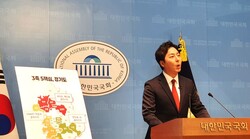
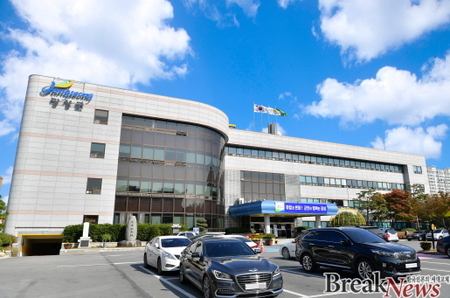
▲ 부천시 주택공급 정책 개요(사진제공:부천시) © 박상도 기자 |
(브레이크뉴스인천 박상도 기자) 부천시가 26일 주택국 시정 브리핑을 열고, 오는 2035년까지 14만 7천호의 주택을 공급하는 ‘부천형 주거혁신 프로젝트’ 로드맵 발표와 함께 주택 공급의 기본 방향과 세부 실행 방안도 공개했다.
부천시에 따르면, 이번 계획은 대규모 택지개발과 정비사업 활성화를 통한 신·구도심 균형 발전을 골자로 한다.
시민이 언제·어디에서·어떤 방식으로 주택이 공급될지 미리 알 수 있도록 해, 미래 주거 계획을 세우는 데 도움을 주는 예측 가능한 행정을 구현하는 것이 목표다.
또한, 인허가 기간을 30% 이상 단축해 공급 시기와 절차를 앞당긴다는 방침이다.
부천시는 지난 23일 ‘주택정책 기획회의’를 개최하고, 시 전반의 주택정책과 개발사업을 점검한 바 있다.
○ 2030년까지 9.3만호, 2035년까지 14.7만호 단계적 공급...원미구 비중 절반 이상
부천시는 2030년까지 9만 3천호, 2035년까지 14만 7천호를 시 전역 172곳에서 단계적으로 공급해 중장기 주택 수급을 안정적으로 맞춰 나갈 계획이다.
권역별로는 원미구가 8만호로 가장 큰 비중을 차지한다.
오정구는 대장 신도시 개발 등 대규모 택지개발을 통해 올해부터 2028년 사이에 약 4만 3천호를 공급하며 초기 입주를 견인한다.
소사구는 괴안동·소사본동 재건축과 소규모 정비사업을 중심으로 약 2만 4천호를 공급할 계획이다.
○ 택지개발로 4.3만호, 정비사업으로 10.4만호 공급...도시구조 재편
부천시는 사업별 공급 계획도 제시했다.
‘대규모 신규 택지개발’가운데 대장·역곡 신도시의 약 1천 5백호에 해당하는 공공분양이 올해 시작되며, 2027년부터는 민간 분양이 본격적으로 진행된다.
부천시는 공공과 민간 물량을 전략적으로 배분해 단순 주거 공급을 넘어 첨단 산업과 문화가 어우러진 자족 도시 기반을 마련하고, 지역 경제 활성화를 동시에 도모할 방침이다.
또한 부천시는 기존 노후 주거지를 정비하는 ‘주택정비사업’으로 전체 물량의 약 70%에 해당하는 10만 4천호를 공급한다.
10만호가 넘는 공급량을 해당 분야에 할당해 단순한 주택 확대를 넘어 기존 도심의 기능을 회복하고, 부천시를 완전히 새로운 도시로 탈바꿈시킨다는 계획이다.
먼저 중동 1기 신도시는 48개 단지, 4만 세대를 18개 통합정비구역으로 묶어 총 6만 4천 세대 규모의 미래지향적 도시로 재편할 예정이다.
부천시는 2035년까지 계획 세대의 85%인 5만 4천호 착공을 목표로 대단지 통합 재건축과 생활에 필요한 사회기본시설(SOC)을 재배치해, 도시 효율성을 높이고 보행·녹지·문화 중심의 친환경 도시공간을 조성한다는 구상이다.
아울러, 현재 선도지구로 지정된 은하마을·반달마을을 중심으로 정비구역 지정 제안과 주민 동의 절차가 진행 중이다.
부천시는 오는 5월 중 마스터플랜 수립을 완료하고, 6월부터는 구체적인 가이드라인을 정비계획 수립 지침으로 활용할 예정이다.
원도심은 소규모 정비에서 광역 단위 정비로 정책 방향을 전환하고, 2035년까지 약 5만 호를 공급해, 시민들이 체감할 수 있도록 도시기능을 전면 회복하는 데에 초점을 맞춘다.
심곡본동·원미동 일원의 ‘미니뉴타운 사업’은 용적률 완화와 종상향 인센티브를 통해 올해 지구지정, 2031년 착공을 목표로 추진하고 있다.
‘부천형 역세권 정비사업’은 중동역세권 정비계획 수립, 소사역세권 입안 준비 등으로 본격화되고 있으며, 올해 신규 대상지를 추가 선정해 사업을 확대할 계획이다.
부천시는 부천원미 도심복합사업과 주요 재개발·재건축 사업도 병행한다.
부천시는 주민 제안 기반의 주민 주도형 정비 방식을 확대하고, 용도지역 상향·용적률 인센티브·공공기여 완화 등을 통해 사업성을 높일 예정이다.
또한, ‘재건축 패스트트랙’과 ‘공동심의’를 도입해 사업 속도를 끌어올릴 방침이다.
○ 정비사업 맞춤 지원·인허가 30% 단축...‘스피드 행정’ 추진
부천시는 정비사업의 효율성과 투명성을 높이기 위해 교육·전문가 자문·정보공개를 연계한 맞춤형 지원 체계를 구축한다.
한국부동산원과 협력해 사업성 분석 컨설팅을 제공하고, 전문가지원단을 운영해 사업 전 과정을 지원할 계획이다.
주민 대상 맞춤형 정비사업 교육도 진행해 주민 역량을 강화하고, 데이터 기반 정보제공으로 현장 밀착형 행정을 강화한다는 구상이다.
또한, 부천시는 주택공급 사업 실행력을 높이기 위해 건축 인허가 등 민원 처리 기간을 기존 대비 30% 이상 단축하는 행정 혁신에 나선다.
평균 114일이 걸리던 도시정비법 관련 인허가는 79일로 줄이는 것이 목표다.
부천시는 상반기 중 단축 대책을 현장에 적용하고, 하반기에는 인허가 협의대상 통합검색시스템 등 전산 시스템을 구축해 행정 효율을 높일 계획이다.
신속한 인허가를 위한 3대 방안으로 절차 혁신, 정보 공유, 현장 중심 지원도 추진한다.
보완 사항을 실시간으로 안내하고 인허가·심의 부서 동시 검토와 통합심의를 도입해 절차를 줄이는 한편, 맞춤형 체크리스트와 통합검색시스템으로 민원인의 시행착오를 최소화할 방침이다.
아울러, 전문가지원단 상시 운영과 현장 간담회를 통해 규제를 지속 개선해 민간 건축·정비사업에 활력을 불어넣을 계획이다.
장환식 주택국장은 “이번 주택 혁신 프로젝트는 단순한 공급 확대를 넘어 도시구조를 근본적으로 전환하는 계기가 될 것이다”며 “속도감 있는 행정 지원과 규제 개선을 통해 시민이 체감하는 주거 안정을 만들어가겠다”고 밝혔다.
*아래는 위 기사를 ‘구글 번역’으로 번역한 영문 기사의 [전문]입니다.‘구글번역’은 이해도 높이기를 노력하고 있습니다. 영문 번역에 오류가 있을 수 있음을 전제로 합니다.<*Below is the [full text] of the English version of the article above, translated using 'Google Translate'. 'Google Translate' strives to improve comprehension. It is assumed that there may be errors in the English translation.>
Bucheon City Launches ‘Housing Innovation Project’... Announces Phased Housing Supply Roadmap, etc.
-Break News Incheon Park Sang-do Reporter
On the 26th, Bucheon City held a municipal briefing by the Housing Bureau and unveiled the basic direction and detailed implementation plans for housing supply, along with the announcement of the roadmap for the ‘Bucheon-style Housing Innovation Project,’ which aims to supply 147,000 housing units by 2035.
According to Bucheon City, this plan centers on balanced development between the new and old downtown areas through large-scale land development and the revitalization of urban renewal projects.
The goal is to implement predictable administration that helps citizens formulate future housing plans by allowing them to know in advance when, where, and in what manner housing will be supplied.
In addition, the city plans to accelerate the timing and procedures of housing supply by shortening the permit approval period by more than 30%.
On the 23rd, Bucheon City held a ‘Housing Policy Planning Meeting’ to review the city's overall housing policies and development projects.
○ Phased supply of 93,000 units by 2030 and 147,000 units by 2035... Wonmi-gu accounts for more than half
Bucheon City plans to stably balance mid-to-long-term housing supply and demand by supplying 93,000 units by 2030 and 147,000 units by 2035 in phases across 172 locations throughout the city.
By region, Wonmi-gu accounts for the largest share with 80,000 units.
Ojeong-gu will drive initial move-ins by supplying approximately 43,000 units between this year and 2028 through large-scale land development projects, such as the Daejang New Town development. Sosa-gu plans to supply approximately 24,000 housing units, focusing on reconstruction in Goean-dong and Sosabon-dong as well as small-scale urban renewal projects.
○ Supply of 43,000 units via land development and 104,000 units via urban renewal projects... Restructuring of the urban structure
Bucheon City also presented supply plans by project type.
Among ‘large-scale new land developments,’ public housing sales for approximately 1,500 units in the Daejang and Yeokgok new towns will begin this year, while private sales will proceed in earnest starting in 2027.
Bucheon City plans to strategically allocate public and private supply volumes to go beyond simple housing provision and establish the foundation for a self-sufficient city where high-tech industries and culture harmonize, while simultaneously promoting regional economic revitalization.
In addition, Bucheon City will supply 104,000 units, accounting for approximately 70% of the total volume, through ‘housing renewal projects’ aimed at renovating existing aging residential areas. The plan is to allocate a supply of over 100,000 units to the relevant sector, aiming to go beyond mere housing expansion to restore the functions of the existing city center and transform Bucheon into a completely new city.
First, the Jungdong 1st New Town is scheduled to be reorganized into a future-oriented city with a total of 64,000 households by grouping 48 complexes and 40,000 households into 18 integrated redevelopment zones.
Bucheon City envisions creating eco-friendly urban spaces centered on pedestrian access, greenery, and culture by enhancing urban efficiency through the integrated reconstruction of large-scale complexes and the relocation of essential social infrastructure (SOC), with the goal of commencing construction on 54,000 units—85% of the planned total—by 2035.
In addition, proposals for the designation of redevelopment zones and procedures for obtaining resident consent are currently underway, centering on Eunha Village and Bandal Village, which have been designated as pilot districts.
Bucheon City plans to complete the establishment of the master plan this coming May and utilize the detailed guidelines as instructions for formulating redevelopment plans starting in June. The policy direction for the original downtown area is shifting from small-scale to metropolitan-scale redevelopment, focusing on fully restoring urban functions so that citizens can experience tangible benefits by supplying approximately 50,000 housing units by 2035.
The ‘Mini New Town Project’ in the Simgokbon-dong and Wonmi-dong areas is being pursued with the goal of designating the district this year and commencing construction in 2031, utilizing incentives such as relaxed floor area ratios and rezoning.
The ‘Bucheon-style Station Area Redevelopment Project’ is gaining momentum with the establishment of the Jung-dong Station Area Redevelopment Plan and preparations for drafting the Sosa Station Area Plan; the city plans to expand the project by selecting additional new target sites this year.
Bucheon City is also simultaneously carrying out the Bucheon Wonmi Urban Complex Project alongside major redevelopment and reconstruction projects.
Bucheon City plans to expand resident-led redevelopment methods based on resident proposals and enhance project feasibility through measures such as rezoning, floor area ratio incentives, and relaxed public contribution requirements.
Furthermore, the city intends to accelerate project speed by introducing a ‘Reconstruction Fast Track’ and ‘Joint Deliberation.’ ○ Customized Support for Redevelopment Projects and 30% Reduction in Permit Processing... Promoting ‘Speed Administration’
Bucheon City is establishing a customized support system that links education, expert consultation, and information disclosure to enhance the efficiency and transparency of redevelopment projects.
The city plans to provide feasibility analysis consulting in cooperation with the Korea Real Estate Institute and support the entire project process by operating an expert support team.
The plan also envisions strengthening resident capabilities through customized redevelopment project education and reinforcing field-oriented administration by providing data-based information.
Furthermore, Bucheon City is embarking on administrative innovation to improve the execution of housing supply projects by shortening the processing time for civil complaints, such as building permits, by more than 30% compared to existing levels.
The goal is to reduce the average processing time for permits under the Urban Redevelopment Act from 114 days to 79 days.
Bucheon City plans to implement these time-saving measures on-site during the first half of the year and improve administrative efficiency in the second half by establishing computerized systems, such as an integrated search system for permit consultation targets. Procedural innovation, information sharing, and field-oriented support are also being pursued as three major measures for expedited licensing.
The plan is to streamline procedures by providing real-time guidance on required revisions and introducing simultaneous reviews by licensing and deliberation departments, as well as integrated deliberation.
Furthermore, the aim is to minimize trial and error for applicants through customized checklists and an integrated search system.
In addition, the plan aims to revitalize private construction and urban renewal projects by continuously improving regulations through the permanent operation of an expert support team and on-site consultations.
Jang Hwan-sik, Director General of the Housing Bureau, stated, "This housing innovation project will serve as an opportunity to fundamentally transform the urban structure, going beyond mere supply expansion." He added, "We will create housing stability that citizens can truly experience through speedy administrative support and regulatory improvements."
원본 기사 보기:ebreaknews.com