▲ 박형준 부산시장이 28일 경선캠프 개소식에서 "이 시점에서 내비게이션을 바꾸고 운전자를 끌어내리면 부산의 목적지는 흔들릴 수밖에 없다”며 “재선으로 맡겨주신 5년을 바탕으로 시작된 가덕도신공항, BuTX, 제2센텀 등 굵직한 개발 사업들을 멈춤 없이 추진해 2030년 이전까지 시민 여러분이 월클(월드클래스) 도시 부산을 분명히 체감하도록 만들겠다”고 다짐하고 있다 ©배종태 기자 |
[브레이크뉴스=배종태 기자] 박형준 부산시장이 국민의힘 부산시장 경선 과정에서 제기된 주진우 의원의 ‘부울경(부산·울산·경남) 행정통합 인센티브 50조 원 확보’ 주장에 대해 “전후좌우를 따지지 않은 주관적 희망사항”이라며 강하게 비판했다.
박 시장은 29일 자신의 사회관계망서비스(SNS)에 올린 글에서 주 의원의 제안이 현실적 근거와 논리가 부족하다고 지적했다. 그는 “부산과 경남이 이미 합의한 2028년 통합 로드맵이 가장 합리적이고 실현 가능한 절차”라며 “선거용 통합론은 민심과 행정 현실을 모두 외면한 주장”이라고 강조했다.
박 시장은 먼저 주 의원이 내세운 50조 원 인센티브 규모부터 “근거가 빈약하다”고 꼬집었다. 주 의원은 광주·전남 통합 사례를 언급하며 인구 비례 인센티브를 주장했지만, 박 시장은 이를 “이재명 정권의 선의에 기댄 순진한 발상”이라고 반박했다. 그는 “현 정권이 야당 강세 지역인 호남에 약속한 특례를 부울경에 동일하게 적용할 가능성은 낮다”며, “설령 추진하더라도 타 지역의 반발과 예산 편성 갈등으로 ‘민란 수준’의 혼란이 빚어질 것”이라고 경고했다.
통합 시기를 둘러싼 논쟁도 이어졌다. 주 의원이 지방선거 전 조기 통합을 주장하자, 박 시장은 “울산은 원천 반대 입장이며, 경남은 주민 의견을 반영해 단계적으로 추진해야 한다는 입장”이라며 “상대가 있는 행정 절차를 무시한 일방적 구상”이라고 비판했다. 그는 또 지난 2월 여론조사에서 부산시민의 73%가 ‘지방선거 이후 점진적 통합’에 찬성했다는 점을 들어 “현실과 민심 모두를 외면한 주장”이라고 덧붙였다.
박 시장은 “분권 없는 통합은 앙꼬 없는 찐빵”이라며 행정통합의 본질은 규모 확대가 아니라 권한 이양에 있다고 강조했다. “자율적 입법권, 재정권, 국토 이용권 등 실질적 권한이 없는 통합은 지방을 비대한 행정조직으로 만들 뿐”이라며, “국세와 지방세 비율을 6.5대 3.5로 조정할 경우 별도의 인센티브 없이도 연 7조 원 이상의 재원을 확보할 수 있다”고 설명했다.
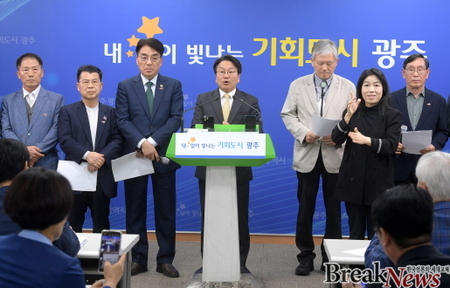
 ▲ 국민의힘 부산광역시장 경선 비전 토론회/ KBS방송 화면 갭쳐 ©배종태 기자 |
또한 그는 “낙동강 프로젝트 등 부산 현안을 통합 예산으로 해결하겠다는 발상은 경남과의 협력 기반을 무너뜨릴 수 있다”며 “지역 균형 발전을 고려하지 않은 정치적 수사에 불과하다”고 지적했다.
박 시장은 끝으로 “부산과 경남이 합의한 공론화 절차를 거쳐 2028년 총선 시점에 맞춰 통합법을 통과시키는 것이 유일한 실천적 대안”이라고 강조했다. 그는 “이재명 정부의 지역차별 프레임에 갇히지 말고 부울경, 대구·경북, 대전·충남 등이 공동으로 분권형 통합법을 만들어 국회를 설득해야 한다”며 “당선 직후 임기 포기를 요구하는 비현실적 주장보다 부산의 미래를 위한 실질적 토론에 나서야 한다”고 말했다.
[Here’s an English version of the article] Busan Mayor Park slams “unrealistic” 50 trillion won integration pledge
Busan Mayor Park Heong-joon on Sunday strongly rejected a proposal by Rep. Joo Jin-woo, who claimed that a unified Busan–Ulsan–South Gyeongsang region could secure a 50 trillion won government incentive.
In a statement posted on social media, Park called the plan “a purely subjective wishful idea that ignores all practical realities,” arguing that the three-region integration should follow the agreed 2028 roadmap. “Any hasty unification scheme tied to electoral calculations only ignores both administrative reality and public sentiment,” he said.
Park questioned the basis of the 50 trillion won figure, calling it “poorly grounded.” Joo cited the example of Gwangju–South Jeolla’s merger and argued for proportional incentives based on population size, but Park dismissed that as “a naïve belief in the current government’s goodwill.” He added that “it is highly unlikely the Lee Jae-myung administration would extend to Busan the same privileges promised to the opposition stronghold of Honam,” warning that attempts to do so could trigger “near-rebellion level turmoil” from other provinces.
The mayor also rejected Joo’s call for an early merger ahead of the next local elections. “Ulsan is firmly opposed, and South Gyeongsang wants to proceed in an orderly way reflecting residents’ opinions,” Park said. Citing a February poll showing that 73 percent of Busan citizens prefer “gradual integration after the local elections,” he argued that Joo’s push is “out of step with both the process and public will.”
Park stressed that “integration without decentralization is an empty shell.” The essence of administrative integration, he said, lies not in “economies of scale” but in the transfer of real authority. “Without legislative, fiscal, and land-use autonomy, integration only creates an oversized bureaucracy,” he said. Adjusting the national-to-local tax ratio from 6.5 to 3.5 alone, he added, could secure more than 7 trillion won in additional local revenue each year — “a more sustainable model than begging for incentives.”
He further warned that channeling integration funds into projects like the Nakdong River development would “only fuel unnecessary friction with South Gyeongsang,” calling it “a political slogan rather than a viable plan.”
Park concluded that the only practical path forward is to pass an integration law timed with the 2028 general election. “We should move beyond the Lee Jae-myung government’s divisive narrative and work with other regions — Daegu–North Gyeongsang, Daejeon–South Chungcheong — to build a joint decentralization-based integration bill,” he said, urging Rep. Joo to “think with parliamentary realism” and engage in “serious policy debate about Busan’s future.”
원본 기사 보기:부산브레이크뉴스