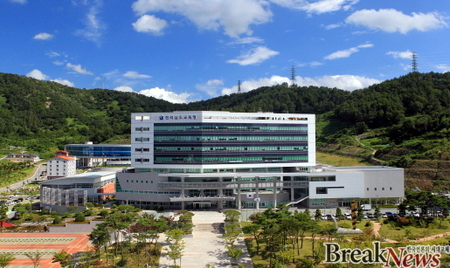
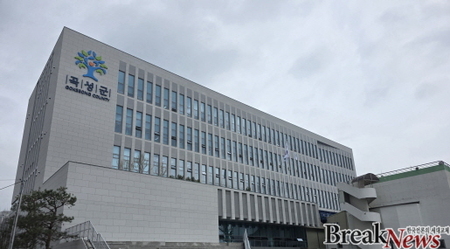
▲ 경기도청 청사[사진=경기도] © |
경기도가 기후위기 대응과 도민들의 에너지 복지 실현을 위해 주택태양광 설치비의 약 60%를 파격 지원하는 ‘2026 경기도 주택태양광 지원사업’ 참여자 모집에 나섰다. 경기도는 총 1,520가구를 대상으로 3kW 규모의 태양광 발전 설비 설치를 돕는 이번 사업의 모집 공고를 30일 실시했다고 밝혔다.
이번 사업은 단독주택이나 독립 구조인 땅콩주택, 타운하우스 등의 옥상이나 지붕에 태양광 설비를 설치해 도민이 직접 전력을 생산하고 소비할 수 있도록 지원하는 프로젝트다. 3kW 설비를 설치할 경우 월평균 300~400kWh의 전력을 생산할 수 있으며, 가구당 매달 약 7만 원 수준의 전기요금 절감 효과를 거둘 것으로 기대된다. 특히 총 설치비 약 454만 원 중 경기도가 40%, 시군 보조금이 약 20%를 분담함에 따라 도민은 전체 비용의 40%가량만 부담하면 설치가 가능하다.
경기도는 갈수록 길어지는 여름과 잦은 폭염에 대비해 도민들이 냉방비 부담을 느끼기 전 혜택을 볼 수 있도록 행정 절차 속도를 높였다. 지난해보다 한 달 이상 빠른 3월 30일에 공고를 냈으며, 오는 4월 중 신청 및 계약을 마무리해 본격적인 무더위가 시작되기 전 설치를 완료한다는 계획이다. 신청 문턱도 대폭 낮춰 기존 단독주택뿐만 아니라 전력 계량기가 분리된 다양한 주택 형태도 참여할 수 있도록 범위를 넓혔다.
참여를 희망하는 도민은 ‘경기도 주택태양광 지원시스템’ 누리집을 통해 회원가입 후 시공기업을 선택해야 한다. 4월 6일부터 시작되는 사전계약 기간에 계약을 체결하고, 4월 20일 신청 기간에 맞춰 신청서를 제출하면 된다.
경기도는 이번 사업을 통해 총 4.5MW 규모의 친환경 에너지를 확보함으로써 국가적 에너지 수급 불균형 해소에도 기여할 수 있을 것으로 보고 있다.
김연지 경기도 에너지산업과장은 주택태양광이 전기료 절감과 탄소중립 실천을 동시에 잡는 가장 확실한 방법임을 강조하며, 에너지 자립을 통해 도민의 삶의 질을 높이고 기후위기에 선제적으로 대응하는 경기도형 에너지 모델을 지속적으로 확산시켜 나가겠다고 밝혔다.
아래는 위 기사를 ‘Google 번역’으로 번역한 영문 기사의 ‘전문’이다. ‘Google 번역’은 이해도를 높이기 위해 노력하고 있다. 영문 번역에 오류가 있을 수 있음을 전제로 한다. <*The following is [the full text] of the English article translated by ‘Google Translate’ and amended. ‘Google Translate’ is working hard to improve understanding. It is assumed that there may be errors in the English translation.>
“Save on Electricity and Practice Carbon Neutrality”: Gyeonggi Province to Support 60% of Residential Solar Installation Costs
Recruiting 1,520 Households… Residents’ Burden Drops to About 40% of 4.54 Million Won Installation Cost
Gyeonggi Province has launched a recruitment drive for the ‘2026 Gyeonggi Residential Solar Support Project,’ offering unprecedented support covering approximately 60% of residential solar installation costs to address the climate crisis and realize energy welfare for its residents. The province announced on the 30th that it issued the recruitment notice for this project, which aims to assist a total of 1,520 households in installing 3kW solar power generation facilities.
This project supports residents in directly producing and consuming electricity by installing solar power facilities on the rooftops or roofs of detached houses, independent structures such as "peanut houses," and townhouses. Installing a 3kW system can generate an average of 300 to 400 kWh of electricity per month, and is expected to result in monthly electricity bill savings of approximately 70,000 won per household. In particular, as Gyeonggi Province covers 40% of the total installation cost of approximately 4.54 million won and city/county subsidies cover about 20%, residents can install the system by bearing only about 40% of the total cost.
In preparation for increasingly longer summers and frequent heatwaves, Gyeonggi Province has accelerated administrative procedures to allow residents to benefit before they feel the burden of cooling costs. The announcement was made on March 30, more than a month earlier than last year, and the plan is to finalize applications and contracts this coming April to complete installations before the intense heat begins in earnest. The eligibility threshold has also been significantly lowered, expanding the scope to include not only existing detached houses but also various types of homes with separate electricity meters.
Residents wishing to participate must register as members on the ‘Gyeonggi Residential Solar Power Support System’ website and select a construction company. They should sign a contract during the pre-contract period starting April 6 and submit the application form by the application period on April 20. Gyeonggi Province anticipates that this project will contribute to resolving the national energy supply and demand imbalance by securing a total of 4.5 MW of eco-friendly energy.
Kim Yeon-ji, Head of the Energy Industry Division at Gyeonggi Province, emphasized that residential solar power is the most certain way to simultaneously achieve electricity bill savings and carbon neutrality. She stated that the province will continue to expand the Gyeonggi-style energy model, which improves the quality of life for residents through energy independence and proactively responds to the climate crisis.
원본 기사 보기:경기브레이크뉴스&주간현대신문