▲ 연주 공정 원터치 자동화 기술 시연 장면 |
포스코 광양제철소가 기술연구원과 함께 제강부 2연주공장에 전사 최초 연주 원터치 자동화 조업 기술을 적용하며 제강 공정 인텔리전트 제조의 새로운 이정표를 세웠다.
연주 공정은 제강 공정에서 생산된 액체 상태의 쇳물을 냉각·응고시켜 슬래브(Slab), 블룸(Bloom), 빌릿(Billet) 등 반제품 형태로 만들어내는 공정을 말한다.
30일 광양제철소에 따르면 연주 원터치 자동화는 연주 공정의 주요 조업 조건을 하나의 조작으로 제어하는 기술이라고 했다.
그에 따라 고열과 반복 작업이 집중되는 연주 공정 특성을 반영해 작업자 개입을 최소화하고 조업 안정성과 재현성을 높이는 데 초점을 맞췄다.
기존 연주 공정은 작업자가 공정별 조건을 단계적으로 확인한 뒤 수동으로 작업을 조정하는 방식이었다.
이로 인해 고열 환경에서 반복 작업 부담이 컸고 작업 경험 차이에 따라 미세한 조건 편차가 발생하는 어려움이 있었다.
연주 원터치 자동화 기술 적용 이후에는 주요 조업 조건을 시스템이 일괄 제어하면서 작업자의 판단 부담이 줄었고 공정 재현성과 안정성이 눈에 띄게 향상됐다.
숙련도에 의존하던 연주 공정 운영 방식이 데이터 기반 표준 조업 체계로 전환되면서 제품 품질의 신뢰도도 함께 높아졌다.
포스코는 앞서 전로와 정련 공정에 원터치 자동화 기술을 적용하며 제강 공정의 효율성과 안정성을 높여왔다.
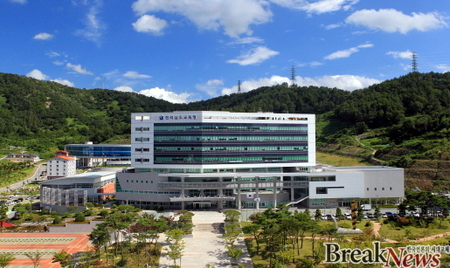
 ▲ 광양제철소 드론 전경 |
여기에 연주 공정까지 자동화 범위를 확장하면서 제강 핵심 공정 전반을 하나의 흐름으로 연결하는 인텔리전트 제조 체계를 갖추게 됐다.
이에 따라 공정 간 연계성이 강화되며 생산성 향상과 품질 안정이라는 두 가지 효과를 동시에 확보했다.
특히 이번 기술은 유관부서가 함께 축적된 제강 조업 데이터와 현장 노하우를 집약해 완성해 낸 것으로 알려졌다.
실제 연구소와 기술개발 조직, 생산 현장은 모두 하나의 팀으로 협업하면서 수작업 부담이 크고 위험도가 높은 공정을 우선 자동화 대상으로 삼았다.
이후 연주 공정 전반의 데이터를 실시간으로 분석하는 ‘연주 올인원(All-in-One) 플랫폼’을 구축해 공정 조건을 자동으로 설정하고 이상 징후를 조기에 감지하도록 했다.
여기에 실제 조업 환경에서 반복 검증을 거쳐 기술 완성도를 높였고 현장 적용 과정에서도 작업자의 의견을 지속적으로 반영하며 고부가 강종을 보다 안정적으로 생산할 수 있는 기반을 완성했다.
광양제철소 관계자는 "연주 원터치 자동화는 현장과 연구진이 함께 만든 성과로 작업 안전을 높이고 조업 품질을 안정화한 점에서 의미가 크다"며 "적용 경험을 토대로 다른 연주기에도 기술을 수평적으로 확산해 인텔리전트 제조 수준을 끌어올리겠다"고 말했다.
[아래는 구글로 번역한 영문기사 전문입니다. 영문번역에 오류가 있을 수 있음을 전제로 합니다. Below is the full English article translated by Google. It is assumed that there may be errors in the English translation.]
POSCO Gwangyang Steelworks, in collaboration with the R&D Center, has set a new milestone in intelligent manufacturing for the steelmaking process by applying the company's first continuous casting one-touch automation technology to the No. 2 Continuous Casting Plant in the Steelmaking Division.
The continuous casting process refers to the process of cooling and solidifying molten steel produced in the steelmaking process to create semi-finished products such as slabs, blooms, and billets.
According to Gwangyang Steelworks on the 30th, continuous casting one-touch automation is a technology that controls the key operating conditions of the continuous casting process with a single operation.
Accordingly, the focus was placed on minimizing worker intervention and enhancing operational stability and reproducibility, reflecting the characteristics of the process where high heat and repetitive tasks are concentrated.
The existing continuous casting process involved workers manually adjusting operations after checking conditions for each process step by step.
This resulted in a heavy burden of repetitive work in high-temperature environments and difficulties caused by minute variations in conditions due to differences in work experience.
Since the application of one-touch automation technology for continuous casting, the system has collectively controlled key operating conditions, reducing the burden of judgment on operators and significantly improving process reproducibility and stability.
As the operation of the continuous casting process transitioned from relying on proficiency to a data-driven standard operating system, the reliability of product quality has also increased.
POSCO has previously enhanced the efficiency and stability of its steelmaking processes by applying one-touch automation technology to the converter and refining processes.
By expanding the scope of automation to include the continuous casting process, the company has established an intelligent manufacturing system that connects the entire core steelmaking process into a single flow.
Consequently, the connectivity between processes has been strengthened, securing the dual benefits of increased productivity and quality stability simultaneously.
In particular, this technology is known to have been perfected by integrating steelmaking operational data and on-site know-how accumulated jointly by relevant departments.
In fact, the R&D center, R&D organization, and production site all collaborated as a single team, prioritizing automation for processes that involve a heavy burden of manual labor and high risk.
Subsequently, a ‘Continuous Casting All-in-One Platform’ was established to analyze data from the entire continuous casting process in real time, enabling the automatic setting of process conditions and the early detection of abnormal signs.
Furthermore, the technical completeness was enhanced through repeated verification in actual operating environments, and the foundation for more stable production of high-value-added steel grades was completed by continuously incorporating feedback from workers during the field application process.
An official from Gwangyang Steelworks stated, “The one-touch automation of continuous casting is a result created jointly by the field and the research team, and it holds great significance in that it enhances work safety and stabilizes operational quality.
Based on this application experience, we will horizontally expand the technology to other continuous casting machines to elevate the level of intelligent manufacturing.”
원본 기사 보기:브레이크뉴스전남동부