【브레이크뉴스 경북 】이성현 기자=박병훈 경주시장 예비후보가 경주시의 현행 도시재생 및 옛 경주역 부지 개발 방향에 대해 직격탄을 날리며, 시민 체감형 ‘원도심 통합 회복 전략’을 대안으로 제시했다.
박 예비후보는 최근 경주시가 추진 중인 국가혁신지구 시범사업과 관련해 “지금 경주에 필요한 것은 눈에 띄는 특정 지점의 개발이 아니라, 공동화 현상이 심화되는 원도심 전체의 실질적 회복”이라고 강조했다.
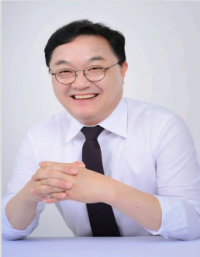
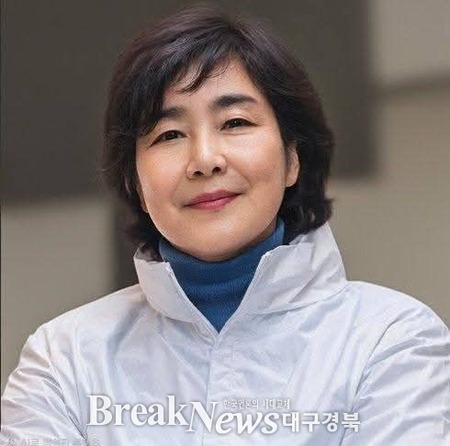
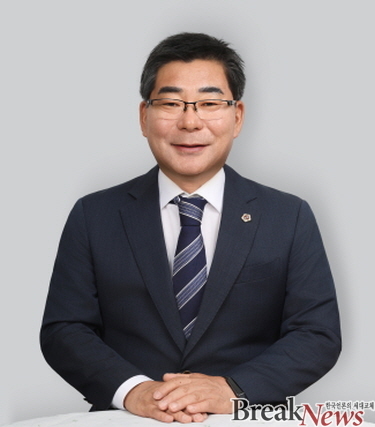
 ▲ 박병훈 국민의힘 경주시장 예비후보 © |
“선만 긋는 개발은 안 돼… 이해관계자 소통이 우선”
박 예비후보는 현재 옛 경주역 부지 중심의 개발 방향에 대해 “사업 자체를 반대하는 것이 아니라 방향이 너무 좁고 순서가 잘못됐다”고 지적했다. 그는 “노동·노서·황오·성동 등 원도심 전체를 어떻게 살릴지에 대한 거시적 계획 없이 일부 지역만 개발할 경우, 주변 지역의 공동화가 더욱 가속화될 수 있다”고 우려를 표했다.
특히 박 예비후보는 행정 주도의 속도전을 경계했다. 그는 “도시 개발은 지도 위에 선만 긋는다고 되는 것이 아니다”라며, “토지 소유자, 상인, 건물주, 세입자 등 이해관계자들의 목소리를 먼저 듣고 사회적 합의를 만드는 과정이 선행되어야 갈등을 줄이고 사업의 지속성을 확보할 수 있다”고 밝혔다.
박 예비후보는 “내가 제시한 대안은 현실적이고 단계적인 재생”이라며 “황리단길부터 성동·중앙시장, 옛 경주역 주변은 물론 동부·성내·서부동까지 포함한 원도심 전반의 수요를 재점검하고, 이를 바탕으로 상업·문화·주거 기능이 조화된 통합 전략을 다시 세워야 한다”고 설명했다.
또한, “경주 시내뿐만 아니라 안강, 감포, 건천, 외동 등 읍·면 지역의 원도심 문제도 함께 해결해야 한다“면서 “중심 시가지와 읍·면 지역이 동반 성장해야 진짜 경주 발전이다. 보여주기식 ‘한방 사업’이 아닌 시민의 삶과 밀착된 촘촘한 설계가 경주의 미래를 결정할 것”이라고 덧붙였다.
아울러 박 예비후보는 자신의 제1공약인 ‘문화체육관광부 경주 이전’을 언급하며 원도심 재생과의 시너지 효과를 강조했다. 신라왕경 복원 정비 등 역사문화유산을 적극 활용해 중심시가지 전체를 대한민국 문화산업의 메카로 만들겠다는 구상이다. 이는 단순히 건물을 짓는 수준을 넘어 경주의 미래 1천 년을 설계하는 중장기 프로젝트가 될 전망이다.
박병훈 예비후보는 “발전을 서두르지 않겠다는 것이 아니라 제대로, 오래가는 방식으로 하자는 것”이라며, “상권과 시민의 생활을 동시에 살리는 일부터 차근차근 해내어 경주시민 모두가 행복한 경주를 만들겠다”고 약속했다.
<구글 번역으로 번역한 영문 기사의 전문 입니다. 번역에 오류가 있을 수 있음을 밝힙니다.>
Park Byeong-hun, Preliminary Candidate for Gyeongju Mayor: “We Must Draw a Big Picture to Revitalize the ‘Entire Old Downtown’ Instead of Showcase Development”
- Criticizes development limited to the former Gyeongju Station site… Emphasizes integrated regeneration encompassing Nodong, Noseo, Hwango, and Seongdong
- “Development excluding citizens and merchants only leads to conflict; a phased approach reflecting voices from the field is the answer”
- Linked to the pledge to relocate the Ministry of Culture, Sports and Tourism to Gyeongju, he aims to transform the central business district into a ‘Mecca of the Cultural Industry for the Next 1,000 Years’
Park Byeong-hun, a preliminary candidate for Gyeongju Mayor, launched a scathing attack on Gyeongju City’s current urban regeneration and development direction for the former Gyeongju Station site, presenting a citizen-centered ‘integrated recovery strategy for the old downtown’ as an alternative.
Regarding the National Innovation District pilot project currently being pursued by Gyeongju City, Candidate Park emphasized, “What Gyeongju needs right now is not development of specific, conspicuous points, but the substantial recovery of the entire old downtown, where hollowing-out phenomena are intensifying.”
“Development That Merely Draws Lines Is Not Enough… Communication with Stakeholders Comes First”
Preliminary Candidate Park pointed out regarding the current development direction centered on the former Gyeongju Station site, “I am not opposing the project itself, but the direction is too narrow and the order is wrong.” He expressed concern, stating, “If only specific areas are developed without a macroscopic plan on how to revitalize the entire original downtown area, including Nodong, Noseo, Hwango, and Seongdong, the hollowing out of surrounding areas could accelerate further.”
In particular, Preliminary Candidate Park cautioned against an administration-led rush to speed. He stated, “Urban development is not achieved simply by drawing lines on a map,” adding, “To reduce conflict and ensure the sustainability of the project, a process of listening to the voices of stakeholders—such as landowners, merchants, building owners, and tenants—and building social consensus must precede.”
Preliminary Candidate Park explained, “The alternative I have proposed is a realistic and phased regeneration,” adding, “We must re-examine the demand across the entire old city center, encompassing not only Hwangnidan-gil, Seongdong and Jungang Markets and the area around the old Gyeongju Station, but also Dongbu, Seongnae, and Seobu-dong. Based on this, we must re-establish an integrated strategy that harmonizes commercial, cultural, and residential functions.”
He further stated, “We must resolve the issues of the old city centers in the towns and villages, such as Angang, Gampo, Geoncheon, and Oedong, in addition to those in downtown Gyeongju.” He continued, “True development for Gyeongju comes when the central urban area and the towns and villages grow together. The future of Gyeongju will be determined not by superficial ‘one-shot projects,’ but by meticulous planning closely aligned with the lives of citizens.”
In addition, Preliminary Candidate Park mentioned his primary pledge, the “relocation of the Ministry of Culture, Sports and Tourism to Gyeongju,” emphasizing the synergistic effects with the regeneration of the old city center. His vision is to transform the entire central urban area into the mecca of Korea’s cultural industry by actively utilizing historical and cultural heritage, such as the restoration and maintenance of the Silla Royal Capital. This is expected to go beyond the mere construction of buildings and become a mid-to-long-term project designing the next 1,000 years of Gyeongju's future.
Preliminary candidate Park Byeong-hun stated, “It is not that we will not rush development, but rather that we intend to proceed properly and in a way that is sustainable,” and promised, “I will build a Gyeongju where all citizens are happy by systematically working to revitalize both commercial districts and the lives of citizens.”
원본 기사 보기:브레이크뉴스 대구경북