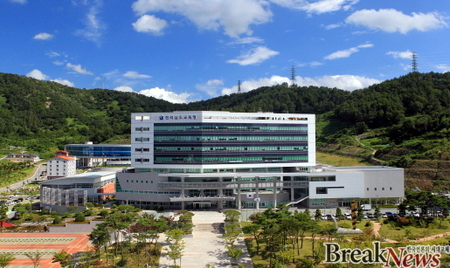
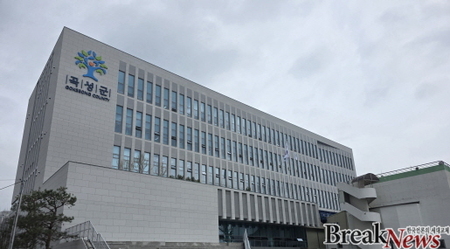
▲ 충남도청사 전경=충청남도 제공 © 정지완 기자 |
정부의 제2차 공공기관 이전 논의가 가시화하는 가운데 충남도가 수도권 공공기관과 공직 유관단체를 상대로 선제적 유치전에 들어갔다.
도는 31일 한국환경공단, 한국과학기술연구원, 한국환경산업기술원, 한국산업기술진흥원, 한국국방연구원 등을 포함한 기관들에 이전 제안서를 발송했다고 밝혔다. 제안서는 지난 3월 12일 발송됐으며, 충남혁신도시인 내포신도시를 공공기관 이전의 유력 후보지로 제시하는 데 초점을 맞췄다.
도가 내세운 핵심은 내포신도시의 정주 여건과 행정 중심성이다. 전국 혁신도시 가운데 유일한 도청 소재지라는 점, 40대 이하 인구 비율이 75%에 이르는 비교적 젊은 인구 구조, 약 4만 세대 규모의 공동주택과 다양한 주거 유형, 공공임대주택 공급과 임차보증금 이자 지원 등은 이전 기관 종사자와 가족의 생활 안정성을 강조하는 대목으로 제시됐다. 단순한 부지 제공을 넘어 실제 거주와 생활이 가능한 도시라는 점을 부각한 셈이다.
교통 여건도 전면에 배치됐다. 충남도는 서부내륙고속도로 개통으로 수도권 접근 시간이 단축됐고, 앞으로 서해선 고속철도와 장항선 고속열차의 내포역 신설, 2028년 서산공항 개항, 태안-안성 고속도로와 충청권 내륙철도 구축 등이 더해지면 광역 교통망의 완성도가 높아질 것으로 보고 있다. 서울과 세종을 잇는 중간 지점이라는 입지 논리를 교통 인프라 계획과 결합해 설득력을 높이려는 구상으로 읽힌다.
산업 기반 역시 이번 제안서의 중요한 축이다. 내포 도시첨단산업단지에 45개 기업이 입주해 있고, 홍성 국가산업단지와 예산 농생명 바이오 집적지구, 셀트리온 투자 유치, KAIST 모빌리티연구소 등과의 연계를 통해 미래 모빌리티·탄소중립·바이오 분야의 산업 생태계를 제시했다. 공공기관 이전이 단순한 분산 배치가 아니라 산·학·연 협력과 지역 산업 재편의 계기가 될 수 있다는 논리를 함께 담은 것이다.
의료·복지와 문화 기반 확충 계획도 함께 제시됐다. 충남도는 2028년 개원을 목표로 하는 소아전문병원과 300병상 규모 종합의료시설 확충 계획, 365일 24시간 아동돌봄과 출산·양육 지원 등 충남형 복지정책, 충남도서관·충남미술관·예술의전당·홍예공원 중심 문화공간 조성, 스포츠센터와 국제테니스장 확충 등을 통해 가족 동반 이전 여건을 강화하겠다는 방침을 밝혔다. 기관 유치 경쟁이 일자리뿐 아니라 교육, 돌봄, 문화, 의료를 묶은 생활권 경쟁으로 옮겨가고 있음을 보여주는 대목이다.
충남도의 이번 행보는 정부 방침이 확정되기 전에 후보 기관을 상대로 지역의 수용 능력과 성장성을 먼저 각인시키려는 성격이 짙다. 결국 실제 이전 논의의 무게는 국가 균형발전 정책의 방향과 대상 기관 선정 기준에서 갈리겠지만, 충남으로서는 내포신도시를 행정도시의 배후지가 아닌 독자적 공공기관 집적지로 자리매김할 수 있느냐가 이번 유치전의 성패를 가를 관건이 될 것으로 보인다.
*아래는 위 기사를 '구글 번역'으로 번역한 영문 기사의 [전문]입니다. '구글번역'은 이해도를 높이기를 위해 노력하고 있습니다. 영문 번역에 오류가 있을 수 있음을 전제로 합니다.<*The following is [the full text] of the English article translated by 'Google Translate'. 'Google Translate' is working hard to improve understanding. It is assumed that there may be errors in the English translation.>
South Chungcheong Province Launches Full-Scale Campaign to Attract Second Round of Public Institutions
Proposals Sent Out Leveraging Naepo New City’s Competitiveness… Expanding Campaign by Bundling Settlement, Transportation, and Industrial Infrastructure
As discussions regarding the government’s second round of public institution relocation become more concrete, South Chungcheong Province has launched a preemptive campaign to attract public institutions and public service-related organizations in the Seoul metropolitan area.
The province announced on the 31st that it had sent relocation proposals to institutions including the Korea Environment Corporation, the Korea Institute of Science and Technology, the Korea Environmental Industry & Technology Institute, the Korea Institute for Industrial Technology Promotion, and the Korea Defense Research Institute. The proposals, sent out on March 12, focused on presenting Naepo New City, the Chungnam Innovation City, as a strong candidate site for the relocation of public institutions.
The key points put forward by the province are Naepo New City’s residential conditions and administrative centrality. Key points presented to emphasize the stability of life for employees of relocated institutions and their families include the fact that it is the only provincial government seat among all innovation cities nationwide, a relatively young population structure with 75% of the population under the age of 40, multi-unit housing comprising approximately 40,000 households with diverse housing types, and the provision of public rental housing along with interest subsidies on rental deposits. In essence, the proposal highlights that the city is a place where actual residence and living are possible, going beyond the mere provision of land.
Transportation conditions were also placed at the forefront. South Chungcheong Province anticipates that the opening of the Western Inland Expressway has shortened travel times to the Seoul metropolitan area, and that the completeness of the regional transportation network will be enhanced with the addition of the Seohae Line High-Speed Railway, the construction of Naepo Station on the Janghang Line High-Speed Train, the opening of Seosan Airport in 2028, and the establishment of the Taean-Anseong Expressway and the Chungcheong Inland Railway. This appears to be a strategy to increase persuasiveness by combining the locational logic of being a midpoint connecting Seoul and Sejong with transportation infrastructure plans.
Industrial base is also a crucial pillar of this proposal. With 45 companies currently located in the Naepo Urban Advanced Industrial Complex, an industrial ecosystem for future mobility, carbon neutrality, and biotechnology was presented through linkages with the Hongseong National Industrial Complex, the Yesan Agri-Life Bio Cluster, the attraction of investment from Celltrion, and the KAIST Mobility Research Institute. The proposal also incorporated the logic that the relocation of public institutions is not merely a matter of dispersed placement, but can serve as an opportunity for industry-academia-research cooperation and the restructuring of regional industries.
Plans to expand infrastructure for medical care, welfare, and culture were also presented. South Chungcheong Province announced its intention to strengthen conditions for family relocation by establishing a specialized pediatric hospital targeted for opening in 2028 and expanding a 300-bed comprehensive medical facility; implementing "Chungnam-style" welfare policies such as 24/7 child care and support for childbirth and child-rearing; creating cultural spaces centered around the Chungnam Provincial Library, Chungnam Museum of Art, Arts Center, and Hongye Park; and expanding sports centers and international tennis courts. This demonstrates that the competition to attract institutions is shifting beyond mere jobs to a competition for living zones that integrate education, care, culture, and medical services.
South Chungcheong Province’s recent move appears to be largely aimed at impressing potential candidates with the region’s capacity and growth potential before the government’s policy is finalized. Ultimately, while the weight of the actual relocation discussions will depend on the direction of the national balanced development policy and the criteria for selecting target institutions, the key factor determining the success or failure of this bid appears to be whether South Chungcheong can establish Naepo New City as an independent hub for public institutions, rather than merely a hinterland for the administrative city.
원본 기사 보기:브레이크뉴스대전세종충청