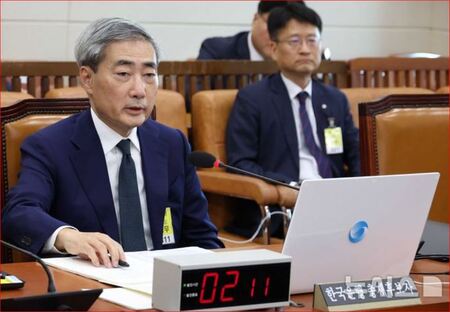
▲ 조국혁신당 조국 대표. ©뉴시스 |
정치는 때로 사람을 뽑는 일이 아니라, 가능성을 선택하는 일이다. 특히 지역이 오랫동안 정체를 겪었을 때, 유권자는 점점 더 ‘현실적인 선택’보다 ‘판을 바꿀 선택’을 고민하게 된다. 지금 군산이 서 있는 지점이 바로 그곳이다. 그리고 그 선택지의 한가운데에 조국이라는 이름이 놓여 있다.
군산에서 선거는 단순한 지역 대표를 뽑는 행위가 아니다. 그것은 오랫동안 지연되어 온 새만금의 시간표를 다시 설정하려는 집단적 의사표현에 가깝다. 수십 년간 반복된 약속과 지연, 기대와 실망의 순환 속에서 지역 민심은 점차 한 방향으로 수렴해왔다. “이대로는 안 된다” 그리고 “누군가는 이 흐름을 깨야 한다”는 요구다.
이 지점에서 ‘큰 인물론’이 등장한다. 이는 단순한 인기투표가 아니다. 중앙 정치와의 연결, 권력에 대한 접근성, 그리고 정책 집행의 속도를 한꺼번에 끌어올릴 수 있다는 기대가 응축된 선택이다. 지역 정치인이 해결하지 못한 문제를 ‘대선후보급’ 중앙 정치인이 해결해줄 것이라는 믿음, 혹은 최소한 그 가능성에 대한 베팅이다.
조국(조국혁신당 대표) 입장에서 군산 출마는 단순한 ‘지역 공략’이 아니라, 국가 전략 차원의 명분을 갖는다. 새만금은 더 이상 전북의 프로젝트에 머물지 않는다. 그것은 한국 경제의 공간 구조를 재편할 수 있는 잠재적 거점이다.
수도권에 과도하게 집중된 산업과 인구를 분산시키고, 서해안을 축으로 한 새로운 성장축을 형성하는 것—이는 오래전부터 논의되어 온 국가적 과제였다. 그러나 정책은 있었고, 실행은 부족했다. 바로 그 공백 위에 새만금이 있다. 만약 이 공간이 물류, 에너지, 첨단 산업이 결합된 집적지로 발전한다면, 이는 단순한 지역 개발을 넘어 서부권 경제벨트의 형성으로 이어질 수 있다.
이러한 관점에서 보면, 군산은 더 이상 ‘변방’이 아니라 국가 균형발전의 전진기지가 된다. 조국이 이 프레임을 전면에 내세운다면, 그의 출마는 지역구 선거를 넘어선다. 그것은 “왜 군산인가”라는 질문에 대해 “한국 경제의 다음 축이기 때문”이라는 답을 제시하는 정치적 기획이 된다.
유권자 입장에서도 이 서사는 강력하다. 단순히 “우리 동네를 살려달라”는 요구를 넘어, “이곳이 국가 전략의 중심이 될 수 있다”는 자부심과 기대를 동시에 자극하기 때문이다. 지역 개발이 개인의 삶을 바꾸는 문제라면, 국가 전략은 그 삶의 방향을 바꾸는 문제다. 이 두 층위가 결합될 때 정치적 에너지는 배가된다.
더 중요한 것은 타이밍이다. 군산을 포함해 전북은 지금 ‘개발의 필요성’을 논하는 단계를 지나, ‘개발의 속도’를 요구하는 단계로 넘어왔다. 산업 기반은 약화되고 인구는 줄어들고 있다. 선택은 점점 단순해진다. “누가 더 잘할 것인가”가 아니라, “누가 더 빨리 움직일 수 있는가”다. 이때 유권자는 점진적 개선보다 비약적 전환을 선호하게 된다. 그리고 그 비약의 매개로 ‘큰 인물’을 선택한다.
군산 유권자에게 이 선택은 일종의 전략적 판단이 된다. 기존의 경로를 유지할 것인가, 아니면 외부 충격을 통해 판을 흔들 것인가. 새만금의 지연이 길어질수록, 후자의 선택은 점점 더 매력적으로 보인다. “이번에는 다르게 해보자”는 심리가 정치적 행동으로 전환되는 순간, 선거의 균형은 급격히 이동한다.
이 경우 조국의 당선 가능성은 단순한 인기의 문제가 아니라 구조의 문제로 바뀐다. 전국적 인지도, 중앙 정치와의 연결성, 그리고 지역 개발에 대한 기대, 나아가 국가 균형발전이라는 대의가 결합될 때, 그는 하나의 ‘후보’가 아니라 ‘해법’처럼 보이기 시작한다.
그 다음이 더 중요하다. 군산에서의 승리는 하나의 의석이 아니라 하나의 서사를 만든다. 논란의 중심에 있던 정치인이 지역 민심을 통해 복귀하고, 그 복귀가 실제 성과로 이어질 경우, 그는 단숨에 ‘유력 대선후보’로 재정의된다. 새만금이 살아 움직이는 공간으로 바뀐다면, 그것은 곧 정치적 성과이자 국가 전략의 실현이 된다. 군산은 그렇게 조국 정치자산의 ‘출발점’이 될 수 있다.
조국 대표의 군산 지역구 출마를 원하는 이유다. 이제 조국 대표의 정치력이 시험대에 올랐다. 원내에 진출하느냐보다 그가 군산에 출마할 수 있느냐 그 여부가 그의 정치력을 가늠할 수 있는 시험대인 것이다. yslee1992@hotmail.com
*필자/이양승
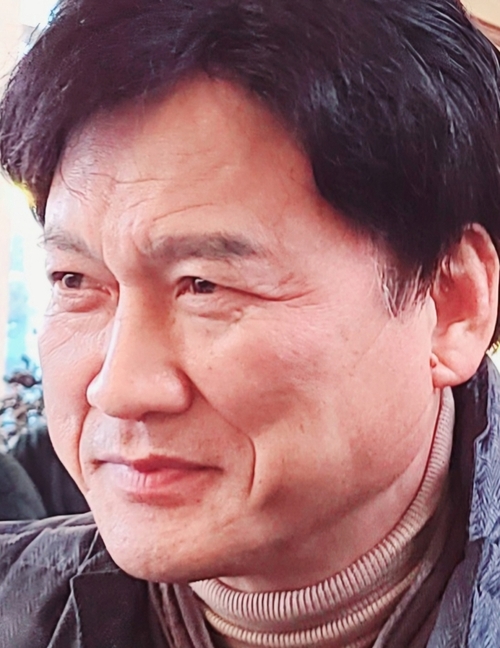
 ▲필자/ 이양승 군산대 교수 ©브레이크뉴스 |
군산대 교수. 국제경제, 게임이론 그리고 지역 발전전략에 대해 연구하는 학자이다. 현재 국립 군산대 무역학과 교수로 재직 중이다. 이전엔 캐나다 앨버타 대학교(University of Alberta) 경제학과에서 ‘게이임(gaming)’에 대해 연구와 강의를 했으며, 한국건설산업연구원에서 연구위원으로 근무했다.
전북 남원에서 출생해 전주한일고와 전북대 상과대학을 졸업했다. 이후 미국으로 건너가 노스 캐롤라이나 주립대학교 (North Carolina State University)에서 통계학과 경제학을 공부해 석사를 받았으며, 캔자스 대학교(The University of Kansas)에서 산업조직과 게임이론에 대한 연구로 경제학 박사를 받았다.
저서로는 '메트로 이코노미 (타임라인)'과 ‘와일드 게임이론 (박영사)’, ‘무역학개론(공저, 두남)’, ‘문화지체에 빠진 건설산업 (공저, 한국건설산업연구원)’ '자유무역론(박영사)' 등이 있고, 36편의 단독연구 학술논문이 있다.
*아래는 위 기사를 '구글 번역'으로 번역한 영문 기사의 [전문]입니다. '구글번역'은 이해도 높이기를 위해 노력하고 있습니다. 영문 번역에 오류가 있을 수 있음을 전제로 합니다.<*The following is [the full text] of the English article translated by 'Google Translate'. 'Google Translate' is working hard to improve understanding. It is assumed that there may be errors in the English translation.>
Could Representative Cho Kuk Run for the Jeonbuk Gunsan Constituency?
- Lee Yang-seung, Professor at Kunsan National University
Politics is sometimes not about choosing a person, but about choosing a possibility. Especially when a region has experienced prolonged stagnation, voters increasingly contemplate "choices to change the game" rather than "realistic choices." That is precisely where Gunsan currently stands. And at the center of those choices lies the name Cho Kuk.
In Gunsan, an election is not merely an act of choosing a local representative. It is closer to a collective expression of intent to reset the timetable for the long-delayed Saemangeum project. Amidst decades of repeated cycles of promises and delays, expectations and disappointments, local public sentiment has gradually converged in one direction. It is a demand that "things cannot continue like this" and "someone must break this trend."
It is at this point that the "theory of a great figure" emerges. This is not a simple popularity contest. It is a choice that encapsulates the expectation of simultaneously accelerating connections to central politics, access to power, and the speed of policy implementation. It is a belief—or at least a bet on the possibility—that a "presidential candidate-level" central politician will solve problems that local politicians have failed to resolve.
From Cho Kuk's perspective, running in Gunsan is not merely a "local campaign," but carries justification at the level of national strategy. Saemangeum is no longer just a project for Jeonbuk. It is a potential hub capable of reshaping the spatial structure of the Korean economy.
Dispersing the industry and population excessively concentrated in the capital region and forming a new growth axis centered on the West Coast—this has long been a national task discussed. However, while policies existed, implementation was lacking. Saemangeum stands precisely on that void. If this space develops into an agglomeration combining logistics, energy, and high-tech industries, it could lead beyond simple regional development to the formation of a Western Economic Belt.
From this perspective, Gunsan is no longer a "periphery" but becomes an advanced base for balanced national development. If Cho Kuk puts this framework at the forefront, his candidacy transcends a mere constituency election. It becomes a political scheme that offers the answer to the question “Why Gunsan?” by stating, “Because it is the next pillar of the Korean economy.”
From the voters’ perspective, this narrative is also powerful. This is because it goes beyond a mere demand to “save our neighborhood” and simultaneously stimulates pride and expectation that “this place can become the center of national strategy.” If regional development is a matter of changing individual lives, national strategy is a matter of changing the direction of those lives. When these two levels combine, political energy is amplified.
What is more important is timing. Jeonbuk, including Gunsan, has now moved beyond the stage of discussing the “necessity of development” to a stage demanding the “speed of development.” The industrial base is weakening, and the population is declining. The choice becomes increasingly simple. It is not about “who will do a better job,” but “who can move faster.” At this point, voters come to prefer a dramatic transformation over gradual improvement. And as the catalyst for that leap, they choose a “great figure.”
For the voters of Gunsan, this choice becomes a sort of strategic judgment. Will the existing path be maintained, or will the playing field be shaken up through external shocks? The longer the delay in the Saemangeum project drags on, the more attractive the latter option appears. The moment the sentiment of “let’s try something different this time” translates into political action, the balance of the election shifts dramatically.
In this scenario, Cho Kuk’s chances of winning become a structural issue rather than a mere matter of popularity. When national recognition, connections to central politics, expectations for regional development, and the grand cause of balanced national development combine, he begins to appear not merely as a “candidate,” but as the “solution.”
What follows is even more important. A victory in Gunsan creates not just a single seat, but a narrative. If a politician at the center of controversy makes a comeback driven by local public sentiment, and that return leads to tangible results, he is instantly redefined as a “leading presidential candidate.” If Saemangeum transforms into a vibrant, dynamic space, that becomes both a political achievement and the realization of a national strategy. In this way, Gunsan can become the “starting point” for Cho Kuk’s political assets.
This is the reason why people want Representative Cho Kuk to run in the Gunsan constituency. Representative Cho Kuk's political acumen is now being put to the test. Rather than whether he enters the National Assembly, the real test to gauge his political prowess is whether he can run in Gunsan. yslee1992@hotmail.com
*Author/Lee Yang-seung
Professor at Kunsan National University. He is a scholar who researches international economics, game theory, and regional development strategies. He is currently a professor in the Department of International Trade at Kunsan National University. Previously, he conducted research and lectured on "gaming" at the Department of Economics at the University of Alberta in Canada and worked as a research fellow at the Korea Institute of Construction Industry Research.
Born in Namwon, North Jeolla Province, he graduated from Jeonju Hanil High School and the College of Commerce at Jeonbuk National University. He later moved to the United States, where he earned a master's degree in statistics and economics from North Carolina State University, and a Ph.D. in economics from the University of Kansas with research on industrial organization and game theory. His publications include *Metro Economy (Timeline)*, *Wild Game Theory (Park Youngsa)*, *Introduction to Trade (co-authored, Dunam)*, *The Construction Industry in Cultural Lag (co-authored, Korea Institute of Construction Industry Research)*, and *Free Trade Theory (Park Youngsa)*, as well as 36 academic papers on independent research.