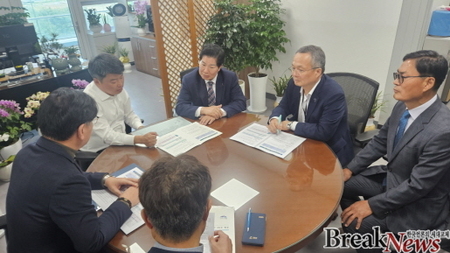
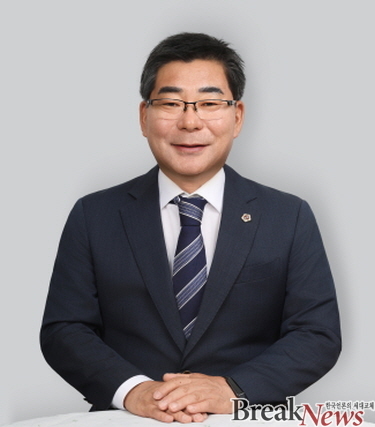
▲ 충남 천안시갑·국토위 소속 문진석 의원=문진석 국회의원실 제공 © 정지완 기자 |
충남 천안·아산권이 중소벤처기업부의 ‘지역주도형 AI 대전환 사업’에 선정되면서, 지역 제조업의 인공지능 전환이 본격화할 기반을 마련했다. 더불어민주당 문진석 의원은 1일 사업 선정 소식을 환영하며 천안·아산권이 중부권 제조혁신의 거점으로 도약하는 계기가 될 것이라고 밝혔다.
이번 사업은 지역 산업 특성에 맞춰 제조기업의 생산 체계와 운영 인프라를 AI 기반으로 전환하도록 지원하는 내용이 골자다. 2년간 총사업비 298억2000만원이 투입되며, 이 가운데 국비는 140억원이다. 충남도와 천안시는 지방비를 매칭하고, 민간도 사업에 함께 참여해 지역 제조업 전반의 전환 속도를 끌어올릴 계획이다.
그동안 제조업의 디지털 전환은 스마트공장 보급을 중심으로 추진돼 왔지만, 현장에서는 인프라 부족과 사후관리 미흡, 컨설팅 실효성 한계가 꾸준히 지적돼 왔다. 설비 일부를 자동화하는 수준에 머문 채 체계적인 고도화로 이어지지 못한 기업도 적지 않았다. 이번 공모 선정은 이런 단절을 줄이고, 지역 단위의 통합 지원체계를 갖춘다는 점에서 의미가 있다.
천안·아산권이 이번 사업의 중심으로 떠오른 배경에는 산업 집적도가 있다. 디스플레이와 반도체, 모빌리티 산업이 모여 있는 이 지역은 중소 제조기업의 AI 전환이 생산성과 품질, 공급망 경쟁력으로 이어질 가능성이 큰 곳으로 꼽힌다. 충남이 최종 선정된 것도 이 같은 산업 구조와 파급효과가 다른 지역보다 높게 평가된 결과로 풀이된다.
사업은 크게 세 축으로 추진된다. 제조기업의 AX 수준을 진단하고 맞춤형 솔루션을 제공하는 AI 솔루션 분야, 제조기술융합센터 고도화와 GPU 공유·활용 플랫폼 및 교육장 구축을 포함한 AI 인프라 분야, 현장형 전문인력을 키우는 AI 인력양성 분야가 그것이다. 단순한 기술 보급을 넘어 진단, 실증, 인프라, 인재를 하나의 체계로 엮겠다는 구상이다.
충남도는 이번 사업을 통해 중부권 제조 AX 혁신 거점을 구축하고, 참여 기업의 매출 증대와 현장 효율 개선을 함께 끌어내겠다는 목표를 세웠다. 100개 기업의 AX 수준을 진단하고, 90개 기업에 맞춤형 솔루션을 지원하며, 수요·공급 매칭 70건, 실무형 AI 인재 410명 양성도 추진할 계획이다.
문진석 의원은 천안·아산권이 AI 대전환의 선도 지역으로 자리잡을 경우 제조업 전반에 미치는 파급효과가 상당할 것이라며, 관련 부처와 기관을 상대로 사업 필요성을 꾸준히 설명해 왔다고 밝혔다. 이어 천안이 디스플레이·반도체·모빌리티 분야를 이끄는 제조업 핵심 지역인 만큼, 앞으로 중부권이 대한민국 경제의 새로운 성장축으로 자리매김할 수 있도록 힘을 보태겠다고 말했다.
이번 선정은 공모사업 유치에 그치지 않는다. 지역 제조업이 기존의 자동화 단계를 넘어 AI 기반 생산체계로 옮겨갈 수 있는 시험대가 마련됐다는 점에서다. 이제 남은 과제는 확보한 예산과 인프라를 실제 기업 현장에 얼마나 촘촘하게 연결해 성과로 만들어내느냐다.
*아래는 위 기사를 '구글 번역'으로 번역한 영문 기사의 [전문]입니다. '구글번역'은 이해도를 높이기를 위해 노력하고 있습니다. 영문 번역에 오류가 있을 수 있음을 전제로 합니다.<*The following is [the full text] of the English article translated by 'Google Translate'. 'Google Translate' is working hard to improve understanding. It is assumed that there may be errors in the English translation.>
Rep. Moon Jin-seok: “Securing Cheonan-Asan as a Hub for AI Manufacturing Transformation Serves as a Catalyst for Innovation in the Central Region”
Selected for 'Region-led AI Transformation Project'... Over 29.8 Billion Won to be Invested, Including 14 Billion Won in State Funding
With the selection of the Cheonan-Asan region in South Chungcheong Province for the Ministry of SMEs and Startups’ ‘Region-led AI Transformation Project,’ a foundation has been laid for the full-scale transition of the local manufacturing industry to artificial intelligence. On the 1st, Democratic Party Rep. Moon Jin-seok welcomed the news of the selection, stating that it will serve as an opportunity for the Cheonan-Asan region to leap forward as a hub for manufacturing innovation in the central region.
The core of this project is to support the transition of manufacturing companies' production systems and operational infrastructure to an AI-based model, tailored to the characteristics of local industries. A total project budget of 29.82 billion won will be invested over two years, with 14 billion won coming from state funding. South Chungcheong Province and Cheonan City plan to match the local funds, and the private sector will also participate in the project to accelerate the pace of transformation across the entire local manufacturing sector.
Rep. Moon Jin-seok While the digital transformation of the manufacturing industry has so far been driven primarily by the adoption of smart factories, issues such as a lack of infrastructure, inadequate follow-up management, and the limited effectiveness of consulting have been consistently pointed out in the field. A significant number of companies remained at the level of automating only parts of their equipment, failing to advance systematically. The selection in this open call is significant in that it bridges these gaps and establishes an integrated support system at the regional level.
The reason the Cheonan-Asan region has emerged as the center of this project lies in its high industrial concentration. As a hub for the display, semiconductor, and mobility industries, this area is considered to have high potential for AI transformation in small and medium-sized manufacturing companies to translate into increased productivity, quality, and supply chain competitiveness. The final selection of Chungnam is interpreted as a result of its industrial structure and ripple effects being evaluated more highly than those of other regions.
The project will be implemented along three main axes. These include the AI solution sector, which diagnoses the AX levels of manufacturing companies and provides customized solutions; the AI infrastructure sector, which includes the advancement of the Manufacturing Technology Convergence Center and the establishment of a GPU sharing and utilization platform and training facilities; and the AI workforce training sector, which fosters field-oriented specialized personnel. The vision is to go beyond simple technology dissemination and integrate diagnosis, demonstration, infrastructure, and talent into a single system.
South Chungcheong Province has set a goal to establish a manufacturing AX innovation hub in the central region through this project, aiming to drive both increased revenue and improved on-site efficiency for participating companies. The plan includes diagnosing the AX capabilities of 100 companies, providing customized solutions to 90 of them, facilitating 70 supply-demand matchings, and training 410 practical AI talents.
Representative Moon Jin-seok stated that if the Cheonan-Asan region establishes itself as a leading area for the AI transformation, the ripple effect on the manufacturing sector as a whole will be significant. He revealed that he has consistently explained the necessity of the project to relevant ministries and agencies. He added that since Cheonan is a key manufacturing region leading the display, semiconductor, and mobility sectors, he will lend his support to ensure the central region establishes itself as a new growth axis for the Korean economy.
This selection goes beyond merely securing a competitive project. This is because a testing ground has been established for local manufacturing to move beyond the existing stage of automation to an AI-based production system. The remaining challenge now is how closely the secured budget and infrastructure can be connected to actual corporate sites to produce tangible results.
원본 기사 보기:브레이크뉴스대전세종충청