▲ 정규헌 경남도의원 |
[브레이크뉴스=박찬호 기자] 경남도의회 정규헌 의원이 국고보조사업의 재정 분담 구조 개편을 촉구하며 지방재정 위기 문제를 정면으로 제기했다.
정규헌 의원은 7일 열린 제431회 임시회 제1차 본회의 5분 자유발언에서 국고보조사업 중심으로 재편된 재정 구조가 지방자치단체의 재정 자율성을 심각하게 제약하고 있다고 지적했다.
정 의원은 자료를 근거로 “지자체 예산에서 국고보조사업 비중이 2020년 이후 자체사업을 넘어섰고, 2025년에는 57.5% 수준까지 확대됐다”며 “지방이 자율적으로 사용할 수 있는 재원보다 중앙 정책에 따라 매칭해야 하는 재원이 더 많아진 구조”라고 설명했다.
특히 사회복지 분야 보조사업이 전체의 64.2%를 차지하는 점을 짚으며 재정 부담의 편중 문제도 강조했다. 그는 “복지 확대는 불가피하지만 정책은 중앙이 정하고 재정 부담은 지방에 떠넘기는 방식은 구조적 문제”라고 지적했다.
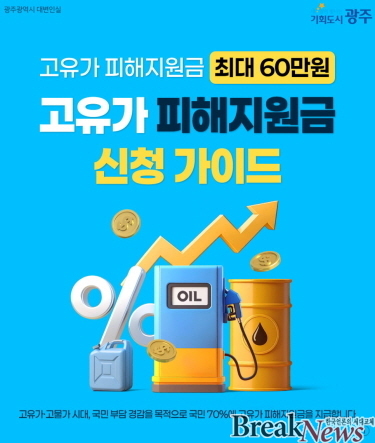
구체적인 사례로 농어촌 기본소득 사업과 고유가 피해지원금 등을 언급하며, 사전 협의 없이 지방에 재정 분담을 요구하는 방식에 대해서도 문제를 제기했다. 정 의원은 “정책 결정 과정에서 지방의 의견이 배제된 채 비용만 부담하는 구조가 반복되고 있다”고 비판했다.
이 같은 구조 개선을 위해 정 의원은 중앙과 지방이 함께 참여하는 재정 협의 체계 구축을 제안했다. 사업 설계 단계부터 지방 재정 여건을 반영하는 ‘참여형 재정 거버넌스’가 필요하다는 주장이다.
또한 재정자립도가 낮은 시·군의 부담을 완화하기 위한 차등 보조율 적용과 도비 지원 안정성 확보를 강조하며, 기초지자체 재정 고갈을 막기 위한 제도적 보완 필요성도 언급했다.
아울러 지방 차원의 자구 노력도 병행해야 한다고 밝혔다. 유사·중복 사업 구조조정을 통해 확보된 재원을 지역 맞춤형 복지로 전환하는 재정 혁신이 필요하다는 입장이다.
정 의원은 “현재 구조에서는 지방자치 강화가 구호에 그칠 수밖에 없다”며 “경남도가 합리적인 재정 분담 기준 마련에 적극 나서야 한다”고 강조했다.
*아래는 위 기사를 '구글 번역'으로 번역한 영문 기사의 [전문]입니다. '구글번역'은 이해도 높이기를 위해 노력하고 있습니다. 영문 번역에 오류가 있을 수 있음을 전제로 합니다.
*Below is the full text of the English article translated by Google Translate. 'Google Translate' strives to improve understanding. It assumes that there may be errors in the English translation.
Gyeongnam Provincial Assembly Member Jeong Gyu-heon directly raised the issue of the local fiscal crisis, urging a restructuring of the financial burden-sharing structure for state-funded projects.
During his five-minute free speech at the first plenary session of the 431st extraordinary session held on the 7th, Assembly Member Jeong pointed out that the fiscal structure, reorganized around state-funded projects, is severely restricting the fiscal autonomy of local governments.
Based on data, Assembly Member Jeong explained, "The proportion of state-funded projects in local government budgets has surpassed that of self-funded projects since 2020, and is projected to expand to 57.5% by 2025." He described the situation as "a structure where the funds that must be matched according to central policies exceed the resources available for local governments to use autonomously."
He also emphasized the problem of the skewed financial burden, noting that social welfare subsidies account for 64.2% of the total. He pointed out, "While the expansion of welfare is inevitable, the method of the central government setting policies while shifting the financial burden onto local governments is a structural problem."
Citing specific examples such as the Rural Basic Income program and relief funds for damages caused by high oil prices, Representative Jeong raised concerns regarding the practice of demanding financial burden sharing from local governments without prior consultation. Representative Jeong criticized, “A structure in which local governments are forced to bear the costs while their opinions are excluded from the policy-making process is being repeated.”
To improve this structure, Representative Jeong proposed establishing a financial consultation system involving both the central and local governments. He argued that a “participatory fiscal governance” system is necessary to reflect local financial conditions from the project design stage.
He also emphasized the need for differential subsidy rates to alleviate the burden on cities and counties with low fiscal self-reliance and to ensure the stability of provincial funding. Furthermore, he mentioned the necessity of institutional improvements to prevent the financial depletion of basic local governments.
In addition, he stated that self-help efforts at the local level must be pursued in parallel. His position is that fiscal innovation is needed to convert funds secured through the restructuring of similar and overlapping projects into region-specific welfare programs.
Representative Jeong emphasized, “Under the current structure, the strengthening of local autonomy is bound to remain nothing more than a slogan,” adding that “Gyeongnam Province must actively take the lead in establishing reasonable standards for financial burden sharing.”
원본 기사 보기:브레이크뉴스경남