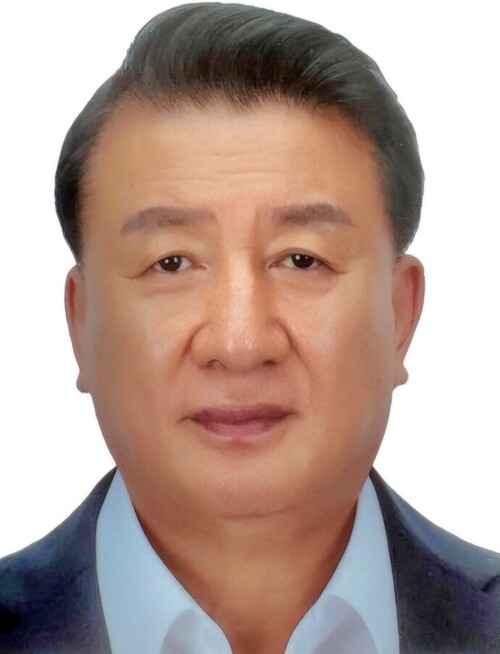
▲ 김종원 지역축제 총감독 |
브레이크뉴스 박동제 기자= ‘중동 전쟁 여파 오일 쇼크’ 공포가 확산되는 가운데, 고유가와 물가 급등이 농촌과 지역 경제를 직격하며 ‘고사 위기’ 우려가 커지고 있다. 이러한 위기 속에서 축제가 지역 경제를 살릴 해법이 될 수 있다는 목소리가 제기됐다.
국내 축제 전문가인 김종원 총감독은 13일 본지와의 인터뷰에서 “지금은 축제의 화려함을 경쟁할 때가 아니라, 지역과 주민을 살리는 사회적 기능에 집중해야 할 시점”이라고 강조했다.
최근 중동 지역 긴장이 고조되면서 글로벌 에너지 시장이 불안정해지고, 핵심 원유 수송로인 호르무즈 해협 리스크가 확대되자 국내 경제에도 충격이 이어지고 있다. 특히 에너지 의존도가 높은 한국은 유가 상승의 영향을 크게 받으며 물류비와 제조 원가가 동반 상승했고, 이는 농촌 현장에 고스란히 전가됐다.
비닐하우스 난방비와 농기계 면세유 가격, 농자재 비용까지 줄줄이 오르면서 농민들의 부담은 한계에 다다른 상황이다. 여기에 소비 위축까지 겹치며 지역 소상공인들 역시 매출 감소라는 이중고를 겪고 있다.
이 같은 상황에서 김 감독은 ‘지역 맞춤형 작은 축제’를 해법으로 제시했다. 그는 “예산을 대거 투입하는 전시성 대형 행사나 연예인 중심 공연은 지역에 실질적인 도움이 되지 않는다”며 “주민들이 주도하고 서로를 위로하는 소규모 축제가 오히려 지역 경제를 살리는 핵심 동력이 될 수 있다”고 말했다.
특히 주민이 직접 참여하는 축제에서 나오는 ‘진정성’이 중요하다고 강조했다. 그는 “주민이 주인이 되는 축제는 어디에서도 복제할 수 없는 경쟁력을 갖는다”며 “이러한 진정성이야말로 소비자들의 마음을 움직이고 지갑을 열게 하는 힘”이라고 설명했다.
한편, 고유가로 인해 해외여행 비용이 증가하면서 국내 관광 수요가 확대되는 점은 새로운 기회로 평가된다. 김 감독은 “해외여행 수요를 단순히 국내로 돌리는 데 그치지 말고, 지역 고유 자산을 활용한 ‘고품격 로컬 콘텐츠’로 발전시켜야 한다”고 강조했다.
이어 “정부의 ‘반값 여행’ 정책과 지역 축제를 연계해 관광 소비가 곧바로 농산물 판매와 소상공인 매출로 이어지는 구조를 만들어야 한다”며 지역 경제 선순환 모델 구축의 필요성을 제기했다.
 ▲ 김제 지평선 축제장에 설치된 오로라 타프. ©브레이크뉴스 |
기후 변화 대응도 중요한 과제로 꼽혔다. 김 감독은 “앞으로 폭염과 폭우 같은 기상이변이 빈번해질 것”이라며 “축제 취소나 피해를 막기 위해 사전 대비가 필수적”이라고 밝혔다. 그는 대형 투명 에어돔 활용과 신개념 그늘막 설치 등 기후 대응형 축제 인프라 구축 방안을 제안했다.
김 감독은 “축제는 단순한 이벤트가 아니라 지역 경제를 지탱하는 마지막 보루”라며 “주민과 함께 호흡하는 ‘진짜 축제’로의 전환이 이뤄질 때, 전쟁과 물가 위기를 넘어설 수 있는 해법이 될 것”이라고 말했다.
*아래는 위 기사를 '구글 번역'으로 번역한 영문 기사의 [전문]입니다. '구글번역'은 이해도 높이기를 위해 노력하고 있습니다. 영문 번역에 오류가 있을 수 있음을 전제로 합니다.<*The following is [the full text] of the English article translated by 'Google Translate'. 'Google Translate' is working hard to improve understanding. It is assumed that there may be errors in the English translation.>
General Director Kim Jong-won: "Middle East War Puts Festivals at Risk of Withering... Sincere Small Festivals Are the Solution"
Amidst the spreading fear of an "oil shock following the Middle East war," concerns are growing that the rural and regional economies are facing a "crisis of withering" as high oil prices and soaring inflation deal a direct blow to them. Amidst this crisis, voices have been raised suggesting that festivals could be the solution to revitalize local economies.
In an interview with this newspaper on the 13th, General Director Kim Jong-won, a domestic festival expert, emphasized, "Now is not the time to compete on the extravagance of festivals, but rather the time to focus on the social function of revitalizing regions and residents."
Recently, as tensions in the Middle East have escalated, the global energy market has become unstable, and as risks regarding the Strait of Hormuz—a key crude oil transport route—expand, the impact on the domestic economy continues. In particular, South Korea, which has a high dependence on energy, has been significantly affected by rising oil prices, leading to a simultaneous increase in logistics and manufacturing costs, which have been passed on entirely to rural communities.
**General Director Kim Jong-won: "Middle East War Puts Festivals at Risk of Withering... Sincere Small Festivals Are the Solution"** With greenhouse heating costs, tax-exempt fuel prices for agricultural machinery, and agricultural material expenses rising one after another, the burden on farmers has reached its limit. On top of this, local small business owners are also suffering from a double whammy of declining sales due to shrinking consumer spending.
In this situation, Director Kim proposed "small, locally tailored festivals" as a solution. He stated, "Large-scale, showpiece events that pour massive budgets into them, or celebrity-centered performances, do not provide substantial help to the region." He added, "Small-scale festivals led by residents that offer mutual comfort can instead become the core driving force for revitalizing the local economy."
He particularly emphasized the importance of "authenticity" derived from festivals in which residents participate directly. He explained, "Festivals where residents are the owners possess a competitive edge that cannot be replicated anywhere else," adding, "This authenticity is precisely the power that moves consumers' hearts and opens their wallets."
Meanwhile, the expansion of domestic tourism demand as the cost of overseas travel increases due to high oil prices is considered a new opportunity. Director Kim emphasized, “We must not stop at simply diverting overseas travel demand to the domestic market, but develop it into ‘high-quality local content’ utilizing unique regional assets.”
He continued by raising the need to establish a virtuous cycle model for the local economy, stating, “We must link the government’s ‘half-price travel’ policy with local festivals to create a structure where tourism spending directly leads to agricultural product sales and revenue for small business owners.”
Responding to climate change was also cited as a critical task. Director Kim stated, “Extreme weather events such as heatwaves and torrential rains will become more frequent in the future,” adding that “advance preparation is essential to prevent festival cancellations or damage.” He proposed measures to build climate-responsive festival infrastructure, such as utilizing large transparent air domes and installing new types of shade structures.
Director Kim remarked, “Festivals are not merely events, but the last bastion supporting the local economy,” adding, “When we transition to ‘real festivals’ that resonate with the residents, it will become a solution to overcome the crises of war and inflation.”