박철성 기자〈리서치센터 국장·칼럼니스트〉
■ 트럼프 전쟁을 판다! 〈5〉 트럼프 협상 DNA 40년 전수조사 — 거래의 기술, 그 명과 암
■ 뉴욕 부동산에서 이란 전쟁까지 — 패턴은 40년 동안 바뀌지 않았다
■ 상대국들은 이미 학습했다. 트럼프만 모른다

|
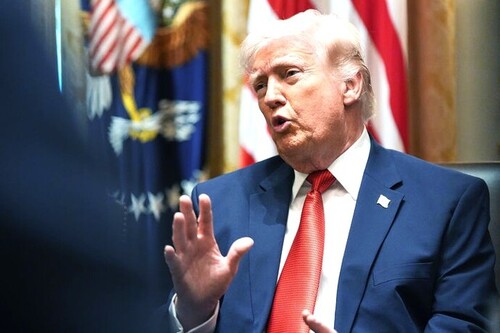
▲ 그는 1987년에 이미 말했다.
39년이 지났다. 방식은 바뀌지 않았다.
2026.04.01. 백악관. AP=연합뉴스
1987년, 뉴욕.
도널드 트럼프는 '거래의 기술(The Art of the Deal)'을 냈다.
크게 생각하라.
레버리지를 활용하라.
항상 대안을 복수로 준비하라.
끝까지 싸워라.
그리고 — 때로는 걸어 나와야 한다.
39년이 지났다.
원칙은 그대로다.
■ 1970~1990년대 — 뉴욕 부동산, 협상 원형의 탄생
트럼프의 협상 원형은 뉴욕 부동산에서 만들어졌다.
그는 극단적 출발선을 설정했다.
불리해지면 법적 수단을 동원했다.
손실은 최소화하고, 상대의 고통은 극대화했다.
그리고 그것을 승리로 재포장했다.
애틀랜틱시티가 한계를 드러냈다.
1990년, 트럼프 타지마할 카지노.
건설비 10억 달러.
고금리 정크본드로 조달했다.
1991년, 파산 보호 신청.
그러나 끝이 아니었다.
파산은 또 다른 협상의 시작이었다.
채권단과 협상해 지분 일부를 넘기는 대신
개인 파산은 피했다.
하청업체들은 일부 대금만 받았다.
그는 파산법을 협상 도구로 활용해왔다고 공개적으로 밝힌 바 있다.
■ 2017~2021년 — 대통령 1기, 외교로 확장된 거래의 기술
취임과 동시에
그는 최대 압박을 외교로 옮겼다.
나프타를 "최악"이라 규정했다.
파기를 위협했다.
이 극단적 출발점이
협상 자체를 만들었다.
결과는 USMCA였다.
아세안에서는
개별 국가를 쪼개고
기한을 압박했다.
균형은 무너졌다.
그러나 하노이에서 멈췄다.
개인 친분으로는
복잡한 협상을 대체할 수 없었다.
그가 걸어 나온 뒤
북한은 핵을 가속했다.
■ 2025~2026년 — 대통령 2기, 반복되는 패턴
2025년, 두 번째 임기 시작.
그는 다시 같은 방식을 꺼냈다.
'해방의 날' 선언.
일방적 기한.
고율 관세.
상대는 반응만 하게 됐다.
이란에는
협상과 군사 압박을 동시에 걸었다.
우크라이나 전쟁에는
24시간 종전 약속을 꺼냈다.
그러나 기한은 반복 연기됐다.
패턴은 변하지 않았다.
이미 공개된 방식이었다.
■ 통하는 경우, 무너지는 경우
이 방식은 통할 때가 있다.
미국의 힘과 결합될 때다.
핵심 의제를
강제로 협상 테이블에 올려놓는다.
그러나 조건이 있다.
상대가 약할 때다.
대등한 상대.
장기 관계가 필요한 협상.
여기서는 무너진다.
신뢰를 먼저 잃는다.
그리고 협상도 잃는다.
스탠퍼드 경영대학원 조직행동학 교수 미셸 겔판드(Michele Gelfand)는 이렇게 강조했다. "트럼프의 협상 플레이북을 이제 폐기할 때가 됐다."
■ 상대국들은 이미 학습했다
이란은 버텼다.
북한은 핵을 키웠다.
중국은 맞관세로 응수했다.
유럽은 파병을 거부했다.
상대는 바뀌었다.
과거의 실패를 학습했다.
그러나 트럼프는
같은 방식을 반복한다.
속도만 빨라졌다.
이미 다음 수가 나왔다.
호르무즈에 미군 함정 15척 투입.
역봉쇄 작전 시작.
2차 협상 가능성.
패턴은 반복된다.
■ 결론 — 거래의 기술, 그 명과 암
트럼프는 협상 테이블에서 가장 무서운 상대다.
그러나 동시에
가장 예측 가능한 상대다.
40년 동안 반복된 패턴.
극단적 요구.
의도적 불확실성.
걸어 나오기.
승리 포장.
하노이에서 걸어 나왔다.
이슬라마바드에서 걸어 나왔다.
다음은 어디인가.
그때마다 청구서는 남는다.
지금 그 청구서를 들고 있는 나라는 한국이다.
문제는 더 이상 트럼프가 아니다.
이미 드러난 패턴을
알고도 대비하지 못하는 쪽이다.
모르고 당하면 피해다.
알고도 당하면 책임이다.
다음 청구서는 사고가 아니다.
준비하지 않은 쪽에 내려지는 선고다.
※ 이 기사는 시리즈였습니다
아래는 위 기사를 구글 번역을 통해 영문으로 옮긴 전문입니다. 이해를 돕기 위한 참고용 번역으로, 일부 표현에는 원문의 뉘앙스와 차이가 있을 수 있습니다.
The following is a reference translation generated for reader convenience. Some nuances may differ from the original Korean text.
■ Trump's War for Sale 〈5〉 A 40-Year Autopsy of Trump's Negotiation DNA — The Art of the Deal: Light and Shadow
■ From New York Real Estate to the Iran War — The Pattern Has Not Changed in Forty Years
■ Rival Nations Have Already Learned. Only Trump Doesn't Know.
By Park Cheol-seong, Veteran Journalist / 〈Director of the Research Center · Columnist〉
|
▲ ©호주브레이크뉴스 |
▲ He already said it. In 1987.
Thirty-nine years have passed. The method has not changed.
April 1, 2026. The White House. AP=Yonhap News
1987. New York.
Donald Trump published "The Art of the Deal."
Think big.
Use leverage.
Always prepare multiple alternatives.
Fight to the end.
And — sometimes you have to walk away.
Thirty-nine years have passed.
The principles remain unchanged.
■ 1970s–1990s — New York Real Estate: The Birth of a Negotiation Template
Trump's negotiation template was forged in the New York real estate market.
He set extreme opening positions.
When things turned against him, he reached for legal weapons.
He minimized his own losses and maximized his opponent's pain.
Then he repackaged it all as victory.
Atlantic City exposed his limits.
1990. Trump Taj Mahal Casino.
Construction cost: one billion dollars.
Financed through high-yield junk bonds.
1991. Bankruptcy protection filed.
But it was not the end.
For Trump, bankruptcy was the beginning of another negotiation.
He gave up partial ownership stakes to creditors
and avoided personal bankruptcy.
Subcontractors received only a fraction of what they were owed.
He has publicly stated that he used bankruptcy law as a strategic negotiating tool.
■ 2017–2021 — First Term: The Art of the Deal Goes Global
The moment he took office,
he moved maximum pressure onto the diplomatic stage.
He called NAFTA "the worst deal ever made."
He threatened to tear it up entirely.
That extreme opening position
created the negotiation itself.
The result was the USMCA.
With ASEAN nations,
he drove wedges between individual countries
and imposed crushing deadlines.
Regional solidarity collapsed.
But he stalled in Hanoi.
Personal rapport could not substitute
for complex, substantive negotiation.
After he walked out,
North Korea accelerated its nuclear program.
■ 2025–2026 — Second Term: The Pattern Repeats
2025. Second term begins.
He reached for the same playbook.
"Liberation Day" declared.
Unilateral deadlines imposed.
High tariffs levied.
Counterparts were forced into reaction mode.
Against Iran,
he ran negotiations and military pressure simultaneously.
On the Ukraine war,
he promised to end it within twenty-four hours.
But the deadlines kept getting pushed back.
The pattern did not change.
It was a method that had already been made public.
■ When It Works. When It Fails.
This approach works — sometimes.
When combined with American power,
it forces core issues onto the negotiating table
that the other side was trying to avoid.
But there is a condition.
The other side must be weak.
Against an equal adversary.
In negotiations where long-term relationships matter.
Here, it collapses.
Trust is the first casualty.
Then the negotiation follows.
Michele Gelfand, Professor of Organizational Behavior at Stanford Graduate School of Business, put it plainly: "It is time to retire Trump's negotiation playbook."
■ Rival Nations Have Already Learned
Iran held firm.
North Korea grew its nuclear arsenal.
China responded with counter-tariffs.
Europe refused the troop deployment request.
The counterparts have changed.
They learned from past failures.
But Trump
repeats the same approach.
Only the speed has increased.
The next move has already been played.
Fifteen U.S. naval vessels deployed to Hormuz.
Counter-blockade operation underway.
A second round of talks remains possible.
The pattern repeats.
■ Conclusion — The Art of the Deal: Light and Shadow
Trump is the most formidable adversary at the negotiating table.
But at the same time,
he is the most predictable.
A pattern repeated for forty years.
Extreme demands.
Deliberate unpredictability.
The walk-away.
The victory repackage.
He walked out of Hanoi.
He walked out of Islamabad.
Where will he walk out of next.
Each time, an invoice is left behind.
The country holding that invoice right now is Korea.
The problem is no longer Trump.
It is the side that knows the pattern
and still fails to prepare.
Suffer without knowing — that is misfortune.
Suffer knowing full well — that is responsibility.
The next invoice is not an accident.
It is a verdict
handed down to the side that was not ready.
※ This was a series.
원본 기사 보기:호주브레이크뉴스