조 바이든이 지난 12월 14일 미국 대통령 선거를 확정짓는 선거인단 투표(electral college vote)에서 지난 11월 3일 일반투표(popilar vote)에서 확보한 선거위원 이탈표 없이 승리 요건인 과반을 확보하며 사실상 대선 승리를 분명히 했다. 바이든 미국 대통령 당선인은 이날 50개 주와 워싱턴DC의 선거인단 투표 개표 결과, 총 538명으로 구성된 선거위원 중 승리에 필요한 과반 270명을 넘는 306명의 선거위원을 확보했고, 트럼프 대통령은 232명의 선거위원의 투표를 받았다.
이날 트럼프가 속한 미국의 공화당 상원의원들은 의사당에서 바이든 후보가 1월 20일에 46번째 미국 대통령으로 취임하는 것을 받아들일 때가 되었다고 말했다. 존 코른 상원의원은 “우리는 역사의 페이지가 넘어가는 것을 보게 될 것이다. 평화로운 이양을 볼 것”이라고 했고, 롭 포트먼 상원의원은 “건국의 아버지들이 세운 이 절차를 존중하고, 유권자들의 뜻을 존중해야 한다고 생각한다”고 했고, 아이오와주의 척 그래슬리 상원의원도 바이든의 당선을 인정했다. 여기다가, 트럼프 대통령의 가장 충실한 지지자 중 한 명인 린지 그레이엄 상원의원은 바이든 민주당 후보가 당선인이냐는 질문에 “그렇다”고 답했다. 이어 자신은 최근 몇 주 새 바이든 당선자와 기분 좋게 10분간의 전화 통화를 가졌으며 그가 제안한 각료 지명자들을 지지하고 있다고 밝혔다고 말했다. 앞으로 남은 절차는 연방의회가 2021년 1월 6일 상원과 하원 합동 회의를 열어 주별 투표 결과를 인증하고 최종 승리자를 발표하는 것이고, 바이든이 1월 20일 대통령에 취임하는 것이다. 이로써, 정권교체가 마무리 된다.
 ▲ 조 바이든 미국 대통령 당선자. <사진=바이든 대통령 트위터 캡쳐> ©브레이크뉴스 |
바이든 시대 미국의 외교정책은 어떻게 될까?
트럼프의 미국 우선주의(America First)를 뒤로 하고 지난 30여 년간 클린턴, 부시, 오바마 상관 없이 추구해왔던 세계주의(globalism)로 회귀하는 걸까? 1990년대 미소냉전에서 승리한 후 세계 유일 초강대국으로서 3차 산업혁명인 정보기술시대까지 열면서 세계를 간접통치 방식으로 지배했던 세계화시대로 돌아가는 걸까? 미국의 외교정책이란 게 본질적인 면에서 보면 민주공화 양당의 차이가 없다. 미국의 국익을 최우선시 한다는 점에서는 시대적인 상황과 지도자 유형에 따라 옷만 갈아입을 뿐이다. 따라서, 공화국 건국 이후 미국 외교는 국익 우선주의에 입각하여 초당적, 초 지도자적으로 움직이며 전통(tradition)과 연속성(continuity)을 중시하는 특징이 있다. 어떻게 보면 트럼프가 예외적으로 일탈한 것이지, 바이든부터는 정상으로 돌아가는 것이다. 바이든이 우선적으로 하고자 하는 일이 트럼프가 망쳐놓은 국제사회에서 미국 리더십을 부활시켜(Renewing American Leadership) 다시 세계로부터 존경받게 하겠다는 것(Having world respect America again)이다. 그리하여, 다자주의적 자유주의 국제질서로 돌아가 규범과 가치를 앞세우는 대외정책을 추구하면서 동맹국들과 연대를 강화하고 안보와 경제, 환경 등 각 분야의 규범 결정자로서 지도적인 역할을 하는 것이다. 그는, 대통령에 취임하면 유럽과 아시아의 핵심 동맹 일부와 즉시 통화해 '미국이 돌아왔다. 우리가 도와주겠다'는 점을 중점적으로 말하겠다'고 했다.
바이든 시대 북미관계는 어떻게 될까?
바이든의 대 북한정책은 큰 틀에서 보면 대화와 압박이지만, 어디까지나 원칙에 입각한 북한의 핵 접근을 대외에 천명한 것으로 보아 대화의 문을 열기는 하지만 압박의 수위를 높이는 방식이 될 것이다.
바이든의 공개 발언만 놓고 보면 결코 낙관적이지 않다. 2004년 미 상원 외교위원회에서 “북한 지도자들은 핵무기를 정권 생존의 궁극적인 보증으로 여기는 만큼 무기 포기를 분명히 꺼린다”며 “우리가 보고 싶은 대로가 아닌, 있는 그대로의 북한을 상대해야 한다”고 말했다. 2013년 미국진보센터 행사에서 “우리는 대화할 준비가 돼 있지만 북한이 진정한 협상에 나설 준비가 돼 있어야 가능하다”며 “과거에도 그들은 필요한 것을 얻으면 또다시 같은 도발을 감행하고 핵개발을 추진했으나 위기를 조장하고 보상을 요구하는 북한의 반복된 태도를 더 이상 받아들이지 않을 것”이라고 비판했다. 또 2020년 대선 기간에도 수차례 김정은을 폭력배(thug), 독재자(dictator)로 지칭하면서 트럼프식 대북정책에 불편한 심기를 내비치기도 했다.
여기다가, 바이든은 북한 이슈가 너무 복잡해서 그다지 중대하거나 새롭지 않은 합의를 내놓는 한 두 번의 정상회담으로 풀 수 없는 것을 잘 알고 있어서 트럼프의 탑다운Top Down 방식이 아니라 버텀업Bottom Up 방식으로 회귀하여, 실무 협상팀에 더 많은 권한을 부여하는 걸 선호할 것이다. 그럼에도, 바이든은 대선 TV 토론 당시, "김정은 위원장이 핵 능력을 감축하는 것에 동의하는 조건 하에 만날 수 있다"고는 했다. 물론, 핵 능력 축소라는 것은 협상의 결과로서 받아낼 수 있는 거니까 북한에게는 통하지 않겠지만 말이다.
미국 외교의 전통과 연속성을 중시하는 차원에서 보면, 바이든의 선택지는 크게 두 가지다. 오바마의 전략적 인내(strategic endurance)와 클린턴의 페리 프로세스(Perry Process)다. 북한의 대응에 따라 순서는 바뀔 수 있고, 전반기와 후반기에 각기 선택되는 절충형이 될 수도 있다. 즉, 바이든은 8년 전 부통령이 됐을 때의 대북 정책을 검토할 것이고, 그래서 임기 초기에는 오바마 행정부의 전략적 인내를 유지한 뒤 말기에 가서 북한 문제에 적극 개입하면서 클린턴 3기 체제, 즉 페리 프로세스로 전환할 가능성이 크다고 본다. 그럼에도, 바이든은 재선을 하지 않겠다고 선언했고, 문제 해결의 불확실성이 많은 비핵화 협상에 진정성을 가지고 매달리지도 않을 것이므로, 문재인의 가짜 평화주의는 외면당할 가능성이 크다고 본다. 문재인이 트럼프 시절처럼 섣불리 나섰다가는 김정은에 이어 바이든과 미국 조야로부터 오지랖 소리를 듣게 되는 차가운 현실을 직면하게 될 것이다. 어쨌든, 바이든은 이전의 오바마와 클린턴이 그랬던 것처럼 현상 유지에 급급할 것이고, 북한은 그 사이에 명실상부한 비공인 핵보유국으로 등극하게 될 것이다. 다시 바이든의 두 가지 선택지를 보자.
첫째, 오바마 대통령 대북 정책의 핵심인 전략적 인내를 계승하는 것이다. 전략적 인내는 북한과 적극적인 협상 노력이 결실을 보지 못하자 미국의 대북정책이 북한의 변화를 기다리며 압박으로 기운 상황을 표현하는 말이다. 물론, 일각에서는 이로 인해 방치된 북한이 핵능력을 키울 시간만 벌어주었다고 비판하기도 한다. 트럼프는 북한 문제를 미국 외교정책의 상위 리스트로 올렸지만, 바이든은 우선 순위에 올리지 않을 가능성이 크다. 그도 그런 것이, 바이든이 마주하고 있는 국내문제, 즉 코로나19 대응, 인종차별, 기후변화, 경제 활성화 등이 산적하여 정상적인 외교활동, 특히 골치 아픈 비핵화 협상에 돌입하려면 다소 시간이 걸릴 것이다. 그래서 당분간은 사실상 방치 전략으로 기울 가능성이 높다. 파키스탄 사례처럼 방치되다가 핵보유국으로 인정받는 실책으로 귀결될 수도 있다는 거다. 바이든은 오바마 행정부에서 8년 동안 부통령을 지내며 전략적 인내에 정통하다. 오바마 정부의 전략적 인내와 이명박 정부와 박근혜 정부의 북한의 핵 선 해결론, 이것 때문에 6자회담도 한 번도 못했고 그 와중에 북한이 핵실험을 4번이나 했다는 사실을 알고 있어서 이 방식을 신뢰하지는 않을 것이다. 그러나, 바이든은 집권 초기에 우선 순위에서 밀려난 대북문제에 대해 시간을 지연시키는 용도에서라도 밀고당기는 차원에서 이 방식을 채택할 가능성도 있다.
둘째, 빌 클린턴 대통령 대북정책인 적극적인 관여 즉, 페리 프로세스를 따르는 거다. 페리 프로세스는, 윌리엄 페리 전 미국 국방장관이 1999년 10월 대북정책 조정관으로서 내놓은 대북정책 로드맵이다. 1단계로 북한이 미사일 발사를 중지하면 미국이 경제적 보상을 해주고, 2단계로 북한이 핵 개발을 중단하면 미국이 또 다른 보상을 해주고, 마지막으로 3단계에서는 북일 수교, 북미 수교까지 해서 한반도 평화체제를 구축한다는 3단계 접근론이다.
로드맵을 따라 페리는 1999년 5월 북한을 방문했고 이어 국무장관 매들린 올브라이트가 방북해 김정일을 만났다. 미국과 북한은 수교 직전까지 갔다. 그러다가 조지 부시가 대통령이 되면서 클린턴의 정책을 모두 파기했다. 미국과 북한은 다시 대결 국면으로 돌아갔다. 바이든은 집권 초기에 산적한 문제 해결을 한 후에 이 방식을 선택할 수 있다. 다만, 그 과정에서 김정은의 고강도 도발, 즉 미국 본토를 타격할 수 있는 대륙간탄도시사일(ICBM)이나 잠수함발사탄도미사일(SLBM) 발사가 있을 때야 비로소 협상카드로 쓸 가능성이 높다.
북한 김정은의 입장은 어떨까? 미국의 입장을 고려할 정도로 시간적, 경제적, 정치적 여유가 있을까? 바이든이 집권 초기에 방치 전략으로 가는 걸 두고만 볼까? 관건은 북한이 코로나 19, UN 경제 제재, 수해 발생 등 3중고로 허덕이는 최악의 상황을 견딜 수가 있느냐다. 북한은 미국 대선을 앞두고 1년을 어렵게 기다렸는데, 또다시 1년을 힘들게 기다릴 수 있을까? 아마도, 미북협상을 하루라도 앞당기기 위해서라도 바이든 행정부 초기, 특히 취임 직후인 내년 3월 한미연합훈련을 빌미로 무력 도발하여 ‘위기조성 외교’를 할 수 있지 않을까? 다만, 지난 10월 10일 열병식에서 선보인 신형무기 시험을 통한 도발을 할 가능성이 있고, 도발 수위는 ICBM이나 SLBM 발사에 못 미치는 저강도 수준으로 말이다. 북한 입장에서 바이든에게 한반도 문제가 시급함을 인식시킬 필요가 있고, 협상이 재개되지 않더라도 북한의 핵 무력 증강에 따른 바이든의 위기 대응 능력을 시험할 수 있는 기회가 되지 않겠는가? 미국의 전문가들도 나와 생각이 비슷하다. 물론, 북한 도발의 경중 차이는 있지만 말이다. 마커스 갈로스카스 전 미국 국가정보국(DNI) 북한정보담당관은 “북한이 내년 초 다탄두 재돌입 탄도비행체(MRV)를 탑재한 대륙간탄도미사일(ICBM) 시험을 할 가능성이 있다”는 전망이 담긴 기고문을 미국 전략국제문제연구소(CSIS) 홈페이지에 게재한 바 있다. 해리 카지아니스 국익연구소(CNI) 한국담당 선임국장 또한 최근 RFA에서 “김정은이 한국에 일종의 평화 제안을 한 뒤 원하는 답을 얻지 못하면 예전 각본으로 돌아가 긴장을 높일 것”이라고 하면서 북한이 ICBM 시험으로 타협을 시도할 수 있다고 전망하기도 했다.
결론이다. 한반도 정국이 또다시 격랑에 휩쓸릴 수 있어서 걱정이 태산이다. 북한의 핵 개발 30년 역사에서, 클린턴 시절 영변 핵시설 공격 시나리오와 제네바 합의, 부시와 오바마 시절 5차례 핵실험, 트럼프 시절 1차례 핵실험 후 핵보유 등의 북한의 핵 진화 과정을 보면 기가 막히지만, 이후 한국인들은 어쩔 수 없이 북한의 핵을 이고 살아야 하는 운명에 처해있는 현실이 서글프다. 바이든이 주도하는 외교는 트럼프 시절과는 분명히 다르다. 바이든은 동맹국 한국에게 ‘민주주의 동맹’ 외교에 적극적으로 동참하기를 요구할 것이므로, 한국은 여기에 맞추어 자주파보다는 동맹파를 전면에 내세워야 한다. 즉, 문재인 정권에서 소외됐던 정통 엘리트 외교관들을 중용하여 대미외교를 정상화시켜야 한다는 것이다.
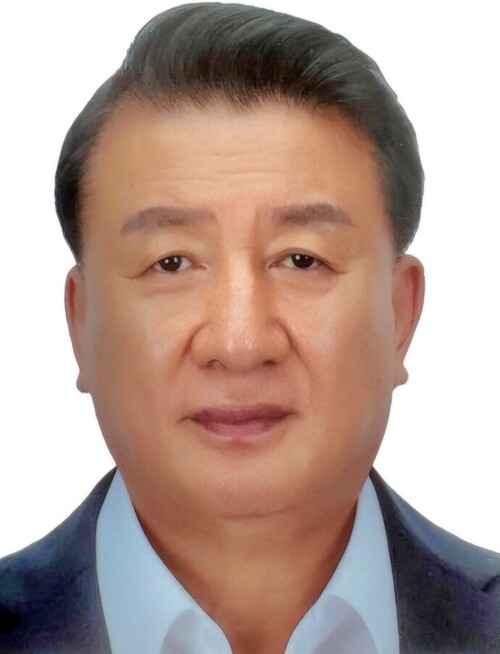
 ▲ 김정기 칼럼니스트. ©브레이크뉴스 |
*필자 김정기 (미국변호사)
◇제8대 주 상하이 대한민국 총영사
◇숭실사이버대학교 초대 총장
◇국민대학교 정치대학원 특임교수
◇법무법인 대륙아주 중국총괄 미국변호사
◇밀리언셀러 거로영어시리즈[전10권] 저자
◇유튜브채널 신의한수 <김정기의 세계전망대> 정치평론가(현)
*아래는 위 기사를 구글 번역기로 번역한 영문 기사의 [전문]이다. [Below is the [full text] of an English article translated from the above article with Google Translate.]
US President-elect Biden's Policy on the Korean Peninsula and North Korea's Choice
“Korea should put an alliance rather than an independent party to the front”
-Kim Jung-ki columnist
In the electoral college vote that confirmed the U.S. presidential election on December 14, Joe Biden secured a majority, which is the requirement to win, without the electoral dropout vote secured in the popular vote on November 3. The presidential victory was clear. US President-elect Biden secured 306 electoral voters, more than 270 required for victory, out of a total of 538 electoral votes in 50 states and Washington DC. Was voted.
On that day, US Republican senators to whom Trump belonged said it was time to accept Biden's inauguration as the 46th US president at the Capitol on January 20th. Senator John Coron said, “We will see the pages of history turn. "We will see a peaceful transfer," said Senator Rob Portman, "I think we should respect this process established by our founding fathers and respect the will of the voters," and Senator Chuck Grasley of Iowa also Biden Admitted to the election. In addition, Senator Lindsey Graham, one of President Trump's most loyal supporters, replied "yes" to the question of whether Biden's Democratic candidate was elected. He said he had a pleasant 10-minute phone call with the new Biden-elect in recent weeks and said he was supporting the nominees he proposed. The remaining procedure is for the Congress to hold a joint meeting of the Senate and House of Representatives on January 6, 2021, to certify the state votes and announce the final winner, and Biden takes office as President on January 20. This concludes the regime change.
What will be the foreign policy of the United States in Biden's era?
Will Trump's America First be left behind and return to the globalism that Clinton, Bush and Obama have been pursuing for the past 30 years? After winning the micro-Cold War in the 1990s, will it return to the era of globalization, which dominated the world through indirect governance, opening up the information technology era, the third industrial revolution as the world's only superpower? There is no difference between the two parties of the Democratic Republic in terms of the essential aspects of US foreign policy. In terms of putting the national interests of the United States first, they only change clothes according to the situation of the times and the type of leader. Therefore, after the founding of the Republic, US diplomacy has been characterized by a bipartisan and super-leadership movement based on the national interest first principle, and an emphasis on tradition and continuity. In a way, Trump is exceptionally deviated, and from Biden it is returning to normal. What Biden wants to do first is to revive the American leadership in the international community that Trump has ruined (Renewing American Leadership) and to make him respected by the world again (Having world respect America again). Thus, returning to the multilateral liberal international order, pursuing foreign policy that puts norms and values first, strengthens solidarity with allies and plays a leading role as a normative decision maker in each field, such as security, economy, and environment. When he took office, he immediately spoke to some of the key alliances in Europe and Asia, saying,'The United States is back. I will focus on'we will help', he said.
What will happen to US-North Korea relations in the Biden era?
Biden's policy toward North Korea is dialogue and pressure in the broader framework, but it will open the door to dialogue, but raise the level of pressure, as it seems to have declared North Korea's nuclear approach based on principle to the outside.
When it comes to Biden's public comments, I'm never optimistic. In 2004, at the US Senate Foreign Relations Committee, "North Korean leaders are clearly reluctant to give up weapons as they see nuclear weapons as the ultimate guarantee of the regime's survival," he said. "We have to deal with North Korea as it is, not as we want to see it." At the 2013 US Progress Center event, “We are ready to talk, but it is only possible if North Korea is ready to engage in real negotiations.” “In the past, if they got what they needed, they again undertook the same provocation and pursued nuclear development. "We will no longer accept North Korea's repeated attitudes for promoting and demanding compensation." In addition, during the 2020 presidential election, Kim Jong-un was referred to as a thug and dictator several times, suggesting that he was uncomfortable with the Trump-style North Korea policy.
In addition, Biden is well aware that the North Korean issue is so complex that it cannot be resolved with one or two summit meetings that come up with a very important or not new agreement, so he returned to the Bottom Up method rather than Trump's Top Down method. If so, you would prefer to give more power to the working negotiation team. Nevertheless, Biden said at the time of the presidential election TV debate, "We can meet under the condition that Chairman Kim Jong-un agrees to reduce nuclear capabilities." Of course, the reduction of nuclear capability is something that can be received as a result of negotiations, so it will not work for North Korea.
Biden's two options are largely in view of the importance of the tradition and continuity of American diplomacy. Obama's strategic patience and Clinton's Perry Process. Depending on North Korea's response, the order can be changed, and the first half and the second half can be a compromise. In other words, Biden will review the policy toward North Korea when he became Vice President eight years ago, so at the beginning of his term, he maintained the strategic patience of the Obama administration and then actively intervened in the North Korean affairs at the end of his term, the Clinton 3rd system, the Perry Process. I think there is a high possibility to switch to. Nevertheless, Biden declared that he would not be re-elected, and since he will not cling to denuclearization negotiations with many uncertainties in solving the problem, Moon Jae-in's fake pacifism is highly likely to be neglected. Moon Jae-in will face the cold reality of hearing from Biden and Joea in the United States following Kim Jong-un, following Kim Jong-un, when Jae-in is hurriedly as he was in Trump. In any case, Biden will be rushing to maintain the status quo, as did Obama and Clinton before, and North Korea will in the meantime become an unofficial, unofficial nuclear power. Let's look again at Biden's two options.
First, it is to inherit strategic patience, the core of President Obama's policy toward North Korea. Strategic patience is a phrase to express the situation where the US policy toward North Korea has been energized by pressure while waiting for North Korea's change as the efforts to negotiate with the North have failed. Of course, some criticize that North Korea, which was neglected for this reason, only gave time to develop its nuclear capabilities. Trump has put the North Korean issue on the top list of US foreign policy, but Biden is unlikely to make it a priority. That's why it will take some time to enter into normal diplomatic activities, especially the troublesome denuclearization negotiations, due to the domestic problems facing Biden, namely, Corona 19 response, racial discrimination, climate change, and economic revitalization. So, for the time being, there is a high possibility that it will become a virtual neglect strategy. Like the case of Pakistan, neglect may lead to a mistake in being recognized as a nuclear power. Biden has been vice president for eight years in the Obama administration and is well versed in strategic patience. I would not trust this method, knowing that the Obama administration's strategic patience and the Lee Myung-bak administration and the Park Geun-hye administration’s theory of resolving the nuclear line of North Korea, and that the six-party talks were never conducted and that North Korea conducted four nuclear tests in the meantime. . However, there is a possibility that Biden will adopt this method in order to push ahead even for the purpose of delaying the North Korea issue that was pushed out of priority in the early days of power.
Second, President Bill Clinton's active involvement in North Korea policy, that is, following the Perry process. The Perry Process is a roadmap for North Korea policy published by former US Defense Secretary William Perry as coordinator of North Korea policy in October 1999. In the first stage, if North Korea stops launching missiles, the United States provides economic compensation. In the second stage, if North Korea stops nuclear development, the United States provides another compensation. Finally, in the third stage, diplomatic relations between North Korea and North Korea are conducted to establish a peace regime on the Korean Peninsula. It is a three-step approach to building.
Following the roadmap, Perry visited North Korea in May 1999, and then Secretary of State Madeline Albright visited North Korea to meet Kim Jong-il. The United States and North Korea went right before diplomatic relations. Then, when George W. Bush became president, he abolished all of Clinton's policies. The United States and North Korea have returned to confrontation again. Biden can choose this method after solving a bunch of problems in the early days of his power. However, it is likely to be used as a negotiation card only when Kim Jong-un's high-intensity provocation, that is, the launch of an intercontinental ballistic missile (ICBM) or a submarine-launched ballistic missile (SLBM) capable of hitting the U.S. mainland.
What is Kim Jong-un's position in North Korea? Is there enough time, economic and political space to take into account the US position? Shall we just wait to see Biden go to a neglect strategy in his early days? The question is whether North Korea can withstand the worst of the three-handed highs, such as Corona 19, UN economic sanctions, and flooding. North Korea has waited a year hard before the US presidential election, can it wait another year? Perhaps, in order to accelerate US-North Korea negotiations by even one day, couldn't it be possible to do “crisis diplomacy” by provoking force in the early days of the Biden administration, especially in March next year, right after taking office? However, there is a possibility of provocation through the test of a new weapon, which was introduced at the rowing ceremony on October 10, and the level of provocation is at a low intensity level that is less than that of ICBM or SLBM firing. From the perspective of North Korea, it is necessary to make Biden aware of the urgent issue of the Korean peninsula, and even if negotiations do not resume, will it not be an opportunity to test Biden's ability to respond to the crisis arising from North Korea's increased nuclear force? American experts have similar thoughts to me. Of course, there is a difference in the severity of the North Korean provocation. Marcus Galloskas, former U.S. National Intelligence Service (DNI) North Korean intelligence officer, said, "There is a possibility that North Korea will test an intercontinental ballistic missile (ICBM) equipped with a multiple warhead reentry ballistic vehicle (MRV) early next year." Was published on the website of the American Institute of Strategic International Studies (CSIS). Harry Kazianis, senior director of the Korean Institute of National Interest (CNI), also said in a recent RFA, "If Kim Jong-un does not get the answer he wants after making a kind of peace proposal to South Korea, he will go back to the old script and raise tensions." He also predicted that he could try.
That is the conclusion. I'm worried that the Korean peninsula's political situation could be swept away again. In the 30-year history of North Korea's nuclear development, the process of nuclear evolution in North Korea, such as the scenario of attacking the Yongbyon nuclear facility during the Clinton period and the agreement on Geneva, the five nuclear tests during the Bush and Obama period, and the nuclear possession after one nuclear test during the Trump era, is amazing. After that, it is sad that the Koreans are inevitably faced with the fate of living with North Korea's nuclear weapons. Biden-led diplomacy is clearly different from Trump's days. Biden will demand that allied South Korea actively participate in the “democratic alliance” diplomacy, so South Korea should put the allies in the front rather than the independents accordingly. In other words, it is necessary to normalize diplomacy with the United States by middleing the elite orthodox diplomats who were alienated from the Moon Jae-in regime.
*Writer Kim Jeong-ki (American lawyer)
◇The 8th Consul-General of the Republic of Korea in Shanghai
◇ First President of Soongsil Cyber University
◇Special Professor, Graduate School of Political Science, Kookmin University
◇ U.S. attorney in charge of Continental Law Firm, China
◇ Author of Million Seller Georo English Series [10 books in total]
◇Political Critic on YouTube Channel Shin Euihansu <Kim Jung-ki's World Observatory> (current)