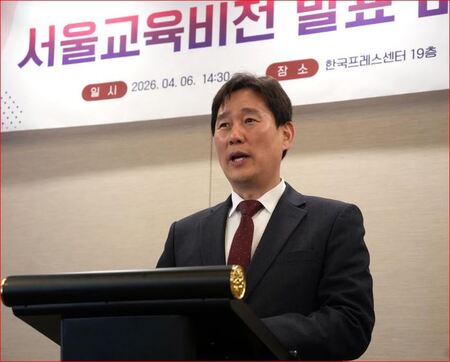
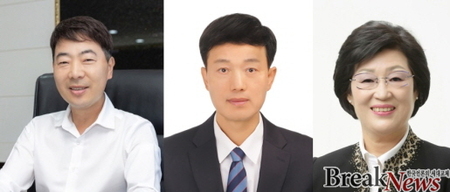
▲ 김광수 ©브레이크뉴스 |
김광수 박사의 저서 “통일로 평화를 노래하라”가 출간(도서출판 우리겨레)” 됐다.
출판사측은 이 책에 대해 “한반도에서의 통일이 정말 불필요한 것인가?”에 대한 질문에 반문하는 것을 시작으로, 통일의 의미를 사회 역사적 모순의 해결이 담겨 있는 속뜻으로 해설하고, 담론으로 평화 우선주의가 갖는 반통일적 요소를 지적하면서 왜 평화가 아닌 통일에서 찾아야 하는지, 왜 ‘북한’이 아닌 ‘조선’으로 정명(正名)되어야 하는지, 왜 ‘북’에 대해서만큼은 이성적 사고가 아닌 편견에서 벗어나지 못하고 있는지 등 북핵 문제에 대한 전환적 인식을 선보이며 강의식으로 해설하고 나름의 해법을 제시하면서, 현시기의 통일운동에 대해 근본적인 문제를 해결하는 과제가 핵심으로 다가오는 “판문점 시대”로 명명하며 ‘강 대 강’으로 맞붙는 현시기의 통일운동의 방향에 대해서도 구체적으로 대안을 제시하고 있다고 소개하고 있다.
이어 “꼭 통일은 필요한가?”라는 설문 여론조사 결과를 보면 대체로 “그렇지 않다”고 답하는 사례가 점차 절반 이상으로 올라가고 있음을 목격하게 된다. 특히 젊은 세대의 경우 그 답이 더욱 비약 상승하고 있다. 민족이 분단되었기에 이에 대한 극복의 당위성보다는 현실적 인식, 즉 경제적 측면의 고려가 통일에 대해 지배적으로 인식되는 모습이다. 하지만 한반도에서 1년에 한 번 이상 늘 ‘전쟁위기’라는 글귀가 회자되고 있다는 것은 늘 자의반 타의반 그 소용돌이 한가운데에 휘말리고 있는 현실을 보여주는 것이다. 그래서 전쟁 개념의 반대인 평화의 중요성을 말하게 된다. 그런데 정작 문제는 왜 75여 년의 분단 세월 동안 이와 같은 ‘전쟁위기’와 ‘전쟁위기의 잠정적 해소’라는 반복적인 행태만을 거듭하게 되는가 하는 것이다. 아니 어쩌면 작년 6월 ‘개성 남북연락사무소’가 폭파된 것이 상징하듯 그 갈등의 깊이는 우려에서 현실화되는 것은 아닌지 더욱 불안해지고 있다“고 설명하면서 ”이제 이 문제에 대한 본질적인 질문을 던질 때도 되지 않았는가? 이러한 문제의식에 답하고자 하는 책이 『김광수의 통일 담론 통일로 평화를 노래하라』이다. 작가 김광수 정치학 박사는 다소 특이한 이력의 소유자이다. 한국대학총학생회연합(한총련) 2기 정책위원장을 역임한 것이다. 90년대 한때 대한민국의 민주화운동의 선봉장 역할을 해왔던 각 대학 학생회 조직의 연합조직인 한총련은 그 역할의 정당성에도 불구하고, 반대급부로 불의와 타협하지 않는다는 강성(?)의 이미지로 유연성이 부족했다는 평가도 동시에 따라다닌다. 그가 작금의 통일운동, 평화운동에 대해 입을 열었다“고 알리고 있다.
저자는 이 책의 후기에서 “어쩌다가 이 정부가 이렇게까지 망가졌는가? 역대 그 어떤 정부보다 더 많은 3번의 남북정상회담이 있었고, 그 가능한 (정치·조직적) 토양이 ‘시대’와 ‘민심’ 양쪽 모두로부터 열화와 같은 환호와 기대가 있었기에 가능했건만, 미국과 보수수구 세력의 눈치 보기에만 급급하고, 남북관계도 ‘평화’와 ‘경제’, 그리고 ‘교류·협력’의 의제만 있을 뿐, 민족 내부의 근본문제인 ‘통일’의 의제는 그 어디에도 없었다. 그 때문에 문재인 정부는 임기 내내, 저자 후기를 쓰고 있는 지금까지도 통일의 ‘통’ 자 하나 끄집어내지 못하는(아마, 모르긴 몰라도 끝날 때까지 쭉 그렇게 갈 것이다.), 실제로도 문재인 정부는 정권 시작하는 2018년부터 이 글을 쓰고 있는 현재까지 그 어떤 신년사에서 통일의 ‘통’ 자 한 자도 꺼내지 못하고, 오직 평화에만 시선을 고정하고 있다”고 지적했다. 또한 “통일을 말하지 않는 평화는 달성될 수도 없는 공허한 메아리라 주장하며, 표를 얻기 위한 ‘영혼팔이’식 정치놀음에 지나지 않는다고 단호히 주장한다. 더 나아가 평화우선론의 논지는 현 상태를 영원히 유지하고 싶어하는 세력의 영구분단론에 지나지 않는 반통일 정책임을 설파한다. 작가가 던지고자 하는 물음이 다소 지나치거나 과장된 혹은 강경 발언일 수도 있겠지만, 이를 계기로 한반도에서의 통일과 평화의 상관관계에 대해서, 또는 통일이 정말 필요한지 가능한지 등에 아무쪼록 생산적인 많은 논쟁을 기대해 본다. 한 가지 덧붙이자면, 통일의 문제를 다룰 때면 늘 고민거리가 있다. 통일의 대상인 상대방에 대한 인식의 문제”라고 강조하면서 “어쩌면 지금까지의 역대 정부에서 통일의 ‘통’ 자도 꺼내지 못하는 이유가 있었다면 이와 관련될 수도 있을 것이다. 즉 정보의 통제이다. 그것도 매우 극단적인 방식이다. 아이러니하게도 북에 대한 정보는 누군가가 독점하고 있다. 정보를 독점하는 폐단이 얼마나 심각하게 나타나는지는 지난 사례들에서 여러 번 경험해 왔다. 대선 시기에 총질을 해 달라고 요청했다는 것은 어쩌면 빙산의 일각일 수도 있다. 민주주의 사회에서는 전혀 일어나서는 안 될 것으로 여겨지는 일들이 발생할 수 있게 하는 법이 국가보안법이다. 극단적으로 정보가 통제되면 그 상대방에 대한 인식 또한 정보를 통제하는 쪽의 인식만을 강요당하게 될 것은 필연일 것이다. 대다수의 국민들이 통일에 대해 무관심하다고 말하기 이전에 국가보안법의 굴레에 씌워져 통일에 무관심하도록 강요받은 것은 아닌지 의구심이 들게 된다. 북에 대한 정보를 얻는 것 자체가 통제되어 있다면 어찌 생산적인 통일 논의가 이루어질 수 있을까? 북에 대한 왜곡과 편견에서 벗어나길 주장하는 이 책을 기화로 북에 대한 인식문제에서도 수많은 생산적인 논쟁이 가시화되길 희망해 본다”고 덧붙였다.
이 책의 특징은 아래와 같다.
▲역사성에 기초하여 한반도 통일의 의미를 분명하게 제시한다. 학자적 관점에서 한반도의 분단은 국토분단, 체제분단, 민족분단의 성격을 갖기에 분단의 극복은 곧 3가지 성격의 극복을 담아야만 진정한 통일을 담게 된다는 것을 구체적으로 논증하고 있다.
▲평화와 통일의 상관관계를 알기 쉽게 서술하였다. 한반도의 영구적인 평화는 곧 통일에서 찾아야 하며, 통일을 말하지 않는 평화야말로 대중 포퓰리즘일 수밖에 없음을 알기 쉽게 서술하여, 평화공존론은 곧 영구분단론과 맥을 같이 한다는 점을 명쾌하게 논증하고 있다. 곧 “통일로 평화를 노래하라”는 담론으로 평화 담론이 아닌 통일 담론으로의 전환을 촉구한다.
▲북의 시각에 대한 원초적인 물음표를 던지고 해답을 제시한다. 한반도의 통일은 그 주체에 있어서 남과 북이 되는 것이 당연한 상식이지만, 국가보안법이라는 우리 안을 가두고 있는 불편한 진실들을 조목조목 따져 들어간다. 흡수통일 방식인 독일식 통일방안, ‘북한’이라는 명칭, 북 붕괴론, 북핵 비핵화 등의 쉽지 않은 주제들을 다루면서 이성적 접근을 호소하고, 편견으로부터 벗어나기를 시도하고 있다.
▲한미동맹의 허구성에 대한 부분을 역사적 사실에 의거하여 비판적으로 조명하고 있다. 한미동맹은 절대 허물 수 없는 장벽, 즉 미국은 한국에게 해방자, 수호자, 원조자의 이미지를 갖고 있지만, 실질적으로 미국은 지금껏 자국의 이익을 위해 그렇게 움직였을 뿐이라는 것을 카스라·테프트 밀약 이후로부터 지금까지의 역사적 과정을 통해 설명하면서, 이제야말로 미국 바라기라는 짝사랑에서 벗어나 민족의 이익을 우선시하여야 한다는 것을 피를 토하는 심정으로 주장하고 있다.
 ▲ 김광수 박사의 저서 표지. ©브레이크뉴스 |
▲연합연방 방식의 통일이 가장 올바른 통일방안임을 설득력 있게 설명하고 있다. 통일의 본령이 분단된 남과 북이 하나로 합치는 문제이기에 서로 이념과 체제가 다른 조건에서 전쟁이 아닌 서로의 공통점을 찾아 합의할 수 있는 방식으로 통일하자면 6.15 선언 2항의 연합연방 방식이 통일방안이 유일하다고 주장한다. 이를 위해 지금 세계에 현존하는 연합국가와 연방국가에 대해서까지 구체적으로 설명하면서 설득력 있게 논증하고 있다.
▲현시기를 “판문점 시대”로 명명하고 무엇을 할 것인가를 묻는다. 필자는 현 시기의 통일운동에 대해, 이제 본질적이고 핵심적인 문제들이 직접적으로 거론되는 시대로 접어들었으며, 강 대 강으로 맞붙고 있는 상황이 전개되고 있다고 주장한다. 하기에 현시기를 달리 판문점 시대로 명명하고 이에 대한 대응도 본질적인 문제를 거론하지 않으면 안 되는 시기가 되었음을 논증하고 이에 따른 자주통일운동세력들의 실천 과제를 제시하고 있다.
지은이 김광수 박사(no-ultari@hanmail.net) 소개
1966년생. 정치학 박사. 북의 정치와 사상 전공. 강의 경력으로는 인제대 통일학부 겸임교수와 부산가톨릭대 교양학부 외래교수를 역임했다. 그리고 현재는 부경대 기초교양교육원 외래교수로 출강한다. 저서로는 『수령국가』(2015), 『사상강국: 북한의 선군사상』(2012), 『세습은 없다: 주체의 후계자론과의 대화』(2008) 등이 있다. 주요활동으로는 전 한총련(2기) 정책위원장/전 민주공원 관장/전 6.15부산본부 공동대표/전 통일부 통일교육위원/현 사)청춘멘토 자문위원/현 6.15부산본부 자문위원/현 (사)한반도 평화와 번영을 위한 협력 자문위원 외 다수가 있다. 현재 소속단체로는 평화통일센터 하나 이사장으로 활동하고 있다.
*아래는 위 기사를 '구글 번역'으로 번역한 영문 기사의 [전문]이다. * Below is the [full text] of an English article translated from the above article as'Google Translate'.
Dr. Kim Kwang-soo’s book “Sing Peace through Unification” was published
“Based on the characteristics and historicity of this book, the meaning of Korean unification is clearly presented.”
-Reporter Park Jeong-dae
Dr. Kim Kwang-soo’s book “Sing Peace through Unification” has been published (Book Publishing Korea).
The publisher started by asking the question, “Is unification really unnecessary on the Korean Peninsula?” about this book, and then explained the meaning of unification in its inner sense, which contains the resolution of social and historical contradictions, and, as a discourse, the importance of peace first. Pointing out the anti-unification factors, why should we look for unification rather than peace, why should it be renamed as 'Joseon' rather than 'North Korea', and why we are not free from prejudice rather than rational thinking about 'North Korea', etc. Showing a transformative awareness of the problem, giving lecture-style explanations and suggesting their own solutions, naming the “Panmunjeom Era,” where the task of solving the fundamental problems of the current unification movement is approached as the core, confronting them with “gangs versus rivers” It also introduces concrete alternatives to the direction of the current unification movement.
Then, if you look at the results of a poll on “Is unification necessary?”, we can see that more than half of the respondents generally answered “no”. Especially in the case of the younger generation, the answer is rising even more rapidly. Because the nation was divided, the realistic perception, that is, the consideration of the economic aspect, rather than the necessity of overcoming it, is dominantly perceived for unification. However, the fact that the phrase “war crisis” is always being talked about more than once a year on the Korean Peninsula shows the reality that we are always caught up in the vortex of self-discipline and self-discipline. That is why I speak of the importance of peace, which is the opposite of the concept of war. But the real question is, why do these repetitive behaviors of “war crisis” and “temporary resolution of the war crisis” repeat over the 75 years of division? Or, perhaps as symbolized by the bombing of the ‘Kaeseong Inter-Korean Liaison Office’ in June last year, the depth of the conflict is becoming more and more unsettling.” The book that seeks to answer these questions is 『Kim Kwang-soo’s Unification Discourse Sing Peace through Unification』. Writer Kwang-Soo Kim, Ph.D. in Political Science, has a rather unusual background. He served as the policy chairman of the 2nd term of the Korean University Student Association (Han Chongryon). The Han Chongryon, an association of university student union organizations that once served as the vanguard of Korea’s democratization movement in the 1990s, was evaluated for lack of flexibility due to its image of strength (?) that it does not compromise with injustice in return, despite the legitimacy of its role. also follow at the same time. He has opened his mouth to talk about the current unification movement and peace movement.”ome so broken? There have been three inter-Korean summits, more than any other government in the past, and the possible (political and organizational) soil was possible because of the cheers and expectations like deterioration from both the 'age' and the 'people's mind', but the United States and conservatives In the inter-Korean relations, there were only the agendas of 'peace', 'economics', and 'exchange and cooperation', and there was no agenda for 'unification', a fundamental problem within the nation. For that reason, the Moon Jae-in government has not been able to come up with a single word for unification until now, even while writing the author's review, throughout its tenure (probably, I don't know, but I will continue to do so until the end). As of this writing, no other New Year's address has been able to bring out a single word of 'tong' for unification, and we have our eyes fixed only on peace." He also insists that “peace without unification is an empty echo that cannot be achieved, and firmly insists that it is nothing more than a ‘sell for soul’ political game to win votes. Furthermore, the thesis of the theory of peace first is an anti-unification policy that is nothing more than a theory of permanent division of powers that want to maintain the status quo forever. Although the question the artist is trying to pose may be a bit exaggerated, exaggerated, or harsh remarks, I expect this to be an opportunity for many productive debates about the correlation between unification and peace on the Korean Peninsula, or whether unification is really necessary or possible. One thing to add is that there are always concerns when dealing with the issue of unification. It is a matter of perception of the other party who is the target of unification,” he stressed. That is, information control. It's also very extreme. Ironically, the information on the book is monopolized by someone. The severity of the negative effects of monopolizing information has been experienced several times in the past cases. Asking to shoot during the presidential election may be just the tip of the iceberg. The National Security Law is a law that allows things that are considered to never happen in a democratic society to occur. If information is controlled to the extreme, it will be inevitable that the perception of the other party will be forced only on the one who controls the information. Before saying that the majority of the people are indifferent to unification, it is questionable whether they have been forced to be indifferent to unification by being shackled by the National Security Act. How can a productive discussion of unification take place if access to information about North Korea itself is controlled? I hope that many productive debates will be made visible in the perception of North Korea by vaporizing this book, which claims to be free from distortions and prejudices about North Korea.”
The features of this book are as follows.
▲ Based on the historicity, the meaning of Korean unification is clearly presented. From a scholarly point of view, the division of the Korean Peninsula has the characteristics of national division, system division, and national division, so it is concretely argued that overcoming the division must contain the overcoming of three characteristics to achieve true unification.
▲ The relationship between peace and unification is described in an easy-to-understand manner. Permanent peace on the Korean Peninsula must be found in unification, and it clearly demonstrates that the theory of peaceful coexistence is in line with the theory of permanent division by stating in an easy-to-understand way that peace that does not speak of unification is inevitably a popular populism. In short, the discourse of “sing peace through unification” calls for a shift from a discourse on peace to a discourse on unification.
▲Put the original question mark on the North's perspective and present the answer. It is common sense that the reunification of the Korean Peninsula is to be the South and the North as the subject matter, but the inconvenient truths that keep us locked up in the National Security Act are carefully investigated. While dealing with difficult topics such as the German-style unification method by absorption, the name of ‘North Korea’, the theory of North Korean collapse, and the denuclearization of North Korea, it appeals for a rational approach and attempts to break free from prejudice.
▲ Based on historical facts, it critically illuminates the fiction of the ROK-US alliance. The ROK-U.S. alliance is a barrier that cannot be broken, that is, the United States has the image of a liberator, a protector, and an aid to Korea, but in reality, the United States has only acted that way for its own interests. Explaining through the historical process of the United States, he argues with a bloody heart that it is now time to get away from the unrequited love of the United States and put the interests of the nation first.
▲ It is convincingly explained that unification in the form of a federated federation is the most correct way to unification. Since the spirit of unification is a matter of merging the divided South and North into one, if we want to unify in a way that can find commonalities and reach an agreement, rather than war, under conditions with different ideologies and systems, the only way to unify is to use the unified federation method in Paragraph 2 of the 6.15 Declaration. claim that To this end, he is demonstrating persuasively by explaining in detail the allied states and federal states that exist in the world now.
▲The present period is called the “Panmunjom Era” and what will be done is asked. As for the current unification movement, I argue that we have entered an era in which essential and core issues are directly discussed, and that a situation in which they are facing each other is developing. Therefore, the present period is called the Panmunjeom period differently, and it is argued that the time has come when it is necessary to address an essential problem in responding to it, and the action tasks of the independent reunification movements are presented accordingly.
About the author, Dr. Kwangsoo Kim (no-ultari@hanmail.net)
Born in 1966. PhD in Political Science. Majored in North Korean Politics and Thought. In his teaching career, he served as an adjunct professor in the Faculty of Unification at Inje University and an adjunct professor in the Faculty of Liberal Arts at Busan Catholic University. He is currently teaching as an adjunct professor at Pukyong National University's Basic Liberal Arts Education Center. His books include 『Recipient Nation』(2015), 『Ideological Powerhouse: North Korea's Songun Thought』(2012), 『No Hereditary: Dialogue with Juche’s Successor Theory』(2008). Major activities include: Former Korean Chongryon (2nd term) policy chairperson/Former Democracy Park director/Former 6.15 Busan Headquarters co-representative/Former Unification Education Committee member of the Ministry of Unification/Currently) Youth Mentor Advisory Committee/Currently 6.15 Busan Headquarters Advisory Committee/Present (Company) Peace on the Korean Peninsula and Cooperation for Prosperity Advisory Board and many more. He is currently serving as the chairman of the Peace Unification Center Hana as an affiliated organization.