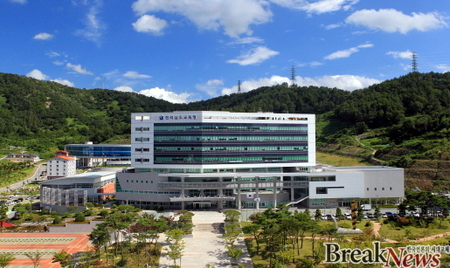
경북대학교(총장 홍원화)는 김경진 생명과학부 교수가 개발한 ‘PET 플라스틱 생분해’ 관련 기술을 CJ제일제당(대표 최은석)에 이전했다고 12일 밝혔다.
 ▲ 김경진 교수 (C) 경북대 |
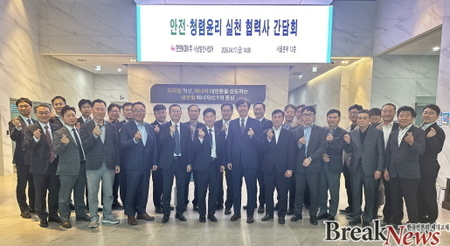
경북대학교와 CJ제일제당이 PET 플라스틱 생분해 관련 기술 이전 계약 및 공동연구를 위한 업무협약을 체결했다.
지난해 환경부 자료에 따르면, 국내 폐PET 생산량 29만톤 중에서 10%인 2만8천톤이 고품질 PET로 재활용된 것으로 나타났다. 정부부처 등은 라벨지 제거와 투명페트병 분리배출 의무화 시행 등 국산 재생 PET 사용량 확대를 위해 노력하고 있다.
고품질 재활용 페트(PET)에 대한 수요는 늘어나고 있지만 우리나라는 일본 등지에서 재활용 PET를 수입하고 있는 실정이다.
이 가운데 김경진 교수는 생명자원에서 발굴한 효소를 개량하고 이를 이용해 PET 플라스틱을 분해하는 방식의 기술을 개발했다.
 ▲ pet 플라스틱 생분해 순환고리 (C) 경북대 |
이는 다른 재생 방법보다 친환경적일뿐만 아니라, 상대적으로 품질이 낮은 유색(有色) PET 조각까지도 100% PET 원료로 재생이 가능하다.
김경진 교수는 “플라스틱 재활용 문제의 근본적인 해답은 생태계가 플라스틱을 나무와 같이 인지하도록 하는 것이다. 생분해 기술은 그러한 맥락에서 반드시 필요하다”면서 “이번에 이전한 기술은 효소공학기법으로 플라스틱의 분해가 가능한 인공적인 효소를 개발한 결과물 중 하나로 생분해를 통해 재활용 된 PET 원료는 단순히 부직포나 솜으로 이용되는 데 그치지 않고 시트지나 옷감, 투명한 PET로 되돌아 갈 수 있을 뿐만 아니라 환경에 유리된 폐기물의 분해를 촉진할 수도 있다.”라고 밝혔다.
홍원화 경북대 총장은 “이번 기술이전은 대학과 기업이 손잡고 국내 재생 PET의 산업화를 위해 노력하는 첫 발걸음으로, 자원순환을 통해 탄소중립을 실현하는 핵심사업 중 하나가 되길 기대한다.”라고 밝혔다.
<아래는 구글번역기로 번역한 기사 전문이다.>
Kyungpook National University (President Won-Hwa Hong) announced on the 12th that it had transferred the technology related to 'PET plastic biodegradation' developed by Professor Kyung-Jin Kim of the School of Life Sciences to CJ CheilJedang (CEO Eun-seok Choi).
Kyungpook National University and CJ CheilJedang signed a business agreement for technology transfer and joint research related to PET plastic biodegradation.
According to data from the Ministry of Environment last year, out of 290,000 tons of waste PET produced in Korea, 28,000 tons, or 10%, were recycled as high-quality PET. Government ministries and other government agencies are making efforts to increase the use of domestic recycled PET by removing label paper and implementing mandatory separation of transparent PET bottles.
Although the demand for high-quality recycled PET (PET) is increasing, Korea is importing recycled PET from Japan and other countries.
Among them, Professor Kyung-Jin Kim developed a technology to decompose PET plastics by improving enzymes discovered from life resources.
Not only is this more environmentally friendly than other recycling methods, but even colored PET pieces of relatively low quality can be recycled with 100% PET raw materials.
Professor Kim Kyung-jin said, “The fundamental solution to the problem of plastic recycling is to make the ecosystem perceive plastics like trees. Biodegradation technology is absolutely necessary in that context.” “The technology transferred this time is one of the results of developing an artificial enzyme capable of decomposing plastics with enzyme engineering. Not only can it go back to sheet paper, cloth, and transparent PET, but it can also promote the decomposition of waste that is environmentally friendly.”
Wonhwa Hong, President of Kyungpook National University, said, “This technology transfer is the first step for universities and companies to work together to industrialize domestic recycled PET, and we expect it to become one of the core businesses to realize carbon neutrality through resource circulation.”
원본 기사 보기:브레이크뉴스 대구경북