|

충남도가 농어업용 협동로봇 산업 육성을 위한 테스트베드 구축 등 미래 신성장 동력 및 경쟁력 강화를 위한 연구‧과제 발굴에 박차를 가한다.
도는 지난해 ‘미래사업 발굴협의회’에서 발굴한 미래사업 7건에 대해 기초연구를 진행한데 이어 올해는 이들 사업이 정책에 반영될 수 있도록 행정력을 집중한다는 방침이다.
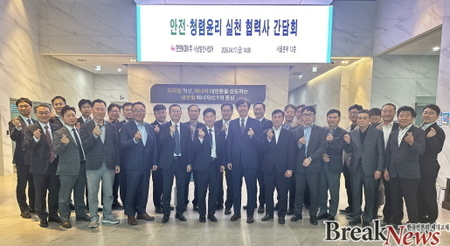
도는 17일 도청 중회의실에서 양승조 지사와 이필영 행정부지사를 비롯해 관련 실국장, 전문가 등 20여 명이 참석한 가운데 ‘미래사업 발굴과제 기초연구 결과보고회’를 개최했다.
이 자리에서 양 지사는 “코로나19로 인한 비대면 산업과 더불어 에너지 전환과 디지털 전환의 물결은 전세계의 경제와 산업, 문화와 관광에 일대 변혁을 일으키고 있다”며 “지난해 다양한 가능성을 검토하고, 숙의를 거쳐 최종 7개의 미래사업을 발굴한 만큼 변혁을 선도하는 주체가 되자”고 강조했다.
이날 토론회 1부에서 박강희 한국과학기술정보연구원 박사와 허재두 한국전자통신연구원 박사, 김현덕 한국정보통신산업연구원 박사, 조용현 순천향대 교수는 △인공지능 및 메타버스를 결합한 실감형 플랫폼 구축 △양자컴퓨팅 산업 거점화 △농어업용 협동로봇 산업 육성 △탄소중립 실현 스마트에너지 실증단지 구축을 미래사업으로 제시했다.
2부에서는 김회정 충남역사문화연구원 박사, 이주아 한국해양과학기술원 박사, 김형철 충남연구원 박사가 △600년 역사도시 읍치를 활용한 지역발전정책 △충남형 해양생태계 지역혁신 거버넌스 구축 △천안-아산-평택 순환철도 구축을 발표했다.
먼저, 농어업용 협동로봇은 세계 로봇 시장이 2018년 65조 원에서 2024년 140조 원으로, 연평균 13% 성장할 것으로 분석됨에 따라 마련됐다.
도는 농어업과 축산업이 발달한 만큼 농어업용 협동로봇을 미래 먹거리 중 하나로 꼽았으며, 농어업 인구 고령화 등 사회문제 해결 및 농가소득 향상 효과를 기대하고 있다.
사업을 제시한 김현덕 박사는 발전전략으로 1단계(3년) 방제용 로봇개발, 2단계(2년) 농어업용 협동 로봇개발 테스트베드를 구축하고, 3단계(2년) 농어업용 로봇 플랫폼 개발 글로벌화 등 단계적 추진전략을 내놨다.
스마트에너지 실증단지 구축사업도 탄소중립 실현과 신재생에너지 정책에 따른 미래사업으로 선정됐다.
구체적으로는 에너지 저장시스템(ESS) 기술 개발, 인공지능(AI)‧빅데이터‧사물인터넷(IoT) 기술을 활용한 마이크로 그리드 구축사업 등이다.
실감형 플랫폼 구축은 가상 박물관 및 유사 문화재 추천 시스템 구현, 미래도시의 메타버스화와 유사 도시 비교 채널 활용, 인공지능-메타버스 도입을 위한 민관연 결합 플랫폼 기반 구축 내용을 담고 있다.
양자컴퓨팅 산업 거점화는 현존 슈퍼컴퓨터보다 뛰어난 연산능력을 가진 양자컴퓨팅 산업을 확대하는 것으로, 핵심기술을 개발하기 위한 거점 연구 기반 조성 및 지속 성장 기반 마련이 핵심이다.
600년 역사도시를 활용한 지역발전 정책은 도시계획 수립이나 도시재생 사업 시 개발 논리로 사라질 위기에 있는 역사도시를 연계 추진하는 사업이며, 충남형 해양생태계 지역혁신은 가로림만 해양생태계를 중심으로 한 지역발전모델 개발 등 지역 맞춤형 신모델 발굴에 초점을 맞췄다.
천아평 순환철도 구축은 충남 북부지역과 경기 남부지역을 연결하는 순환 철도를 구축해 산업, 교통, 물류, 교육 등 초광역 생활경제권으로 발전하기 위한 사업이다.
도는 발굴된 사업에 대해 심층연구를 진행하고, 사업이 신속히 추진될 수 있도록 역량을 집중할 계획이다.
양 지사는 “제안된 사업에 대해서는 실질적이고 구체적인 방안을 마련해 정책에 적극 반영되고, 실천될 수 있도록 할 것”이라며 “앞으로도 미래 성장을 이끌 새로운 사업을 지속 발굴해 달라”고 말했다.
*아래는 위 기사를 '구글 번역'으로 번역한 영문 기사의 [전문]입니다. '구글번역'은 이해도를 높이기를 위해 노력하고 있습니다. 영문 번역에 오류가 있을 수 있음을 전제로 합니다.<*The following is [the full text] of the English article translated by 'Google Translate'. 'Google Translate' is working hard to improve understanding. It is assumed that there may be errors in the English translation.>
Chungcheongnam-do accelerates the promotion of new businesses that will lead future development
- Building an immersive platform combining artificial intelligence and metaverse, and presenting the quantum computing industry -
Chungcheongnam-do is spurring research and tasks to strengthen future new growth engines and competitiveness, such as building a test bed to foster the cooperative robot industry for agriculture and fisheries.
The provincial government has conducted basic research on seven future projects discovered at the ‘Future Project Discovery Council’ last year, and this year, it plans to concentrate its administrative power so that these projects can be reflected in its policies.
On the 17th, the provincial government held a ‘Future Project Discovery Project Basic Research Results Reporting Session’ in the central meeting room of the provincial office in the presence of about 20 people, including Governor Yang Seung-jo and Administrative Governor Lee Pil-young, as well as related officials and experts.
At this meeting, Governor Yang said, “In addition to the non-face-to-face industry caused by COVID-19, the wave of energy and digital transformation is causing a major transformation in the global economy, industry, culture and tourism. Let's become a leader in the transformation as we have discovered 7 future projects through this process."
In the first part of the discussion on this day, Dr. Kang-Hee Park of Korea Institute of Science and Technology Information, Dr. Jae-Doo Huh of Korea Electronics and Telecommunications Research Institute, Dr. Hyun-Duk Kim of Korea Institute of Information and Communication Industry, and Professor Yong-Hyun Cho of Soonchunhyang University of Korea were presented as follows: Fostering the cooperative robot industry for agriculture and fisheries △ Establishing a smart energy demonstration complex that realizes carbon neutrality is presented as a future project.
In Part 2, Dr. Kim Hoe-jung, Chungnam Institute of History and Culture, Dr. Joo-ah Lee of Korea Institute of Ocean Science and Technology, and Dr. Hyung-cheol Kim of the Chungnam Institute of Science and Technology, △Regional development policy using the 600-year-old town of Eupchi △Construction of regional innovation governance for the Chungnam-type marine ecosystem △Cheonan-Asan-Pyeongtaek Announcing the construction of a circular railway.
First, the cooperative robots for agriculture and fisheries were prepared as the global robot market was analyzed to grow from KRW 65 trillion in 2018 to KRW 140 trillion in 2024, growing at a CAGR of 13%.
As the agricultural and fishery and livestock industries have developed, the province has selected cooperative robots for agriculture and fisheries as one of the future food sources, and it is expected to solve social problems such as the aging of the agricultural and fishery population and improve farm household income.
Dr. Kim Hyeon-deok, who presented the project, established a test bed for the first stage (3 years) development of pest control robots, the second stage (2 years) for cooperative robot development for agriculture and fishery as a development strategy, and the third stage (2 years) globalization of robot platform development for agriculture and fishery A step-by-step strategy was introduced.
The smart energy demonstration complex construction project was also selected as a future project in accordance with carbon neutrality and new and renewable energy policies.
Specifically, energy storage system (ESS) technology development and microgrid construction projects using artificial intelligence (AI), big data, and Internet of Things (IoT) technologies are included.
Building an immersive platform includes the implementation of a virtual museum and similar cultural property recommendation system, the metaverse of future cities and the use of similar city comparison channels, and the establishment of a public-private partnership platform for the introduction of artificial intelligence-metaverse.
The key to making the quantum computing industry a hub is to expand the quantum computing industry, which has superior computational power than existing supercomputers, and to establish a research base for core technology development and to lay the foundation for sustainable growth.
The regional development policy using the 600-year-old historic city is a project that connects historic cities that are in danger of disappearing due to development logic during urban planning or urban regeneration projects. It focused on discovering new models tailored to the region, such as the development of power generation models.
The Cheon-A-Pyung Circular Railway is a project to develop into an ultra-wide economic zone for industry, transportation, logistics, and education by building a circular railway linking the northern regions of Chungnam and southern Gyeonggi Province.
The province plans to conduct in-depth research on the discovered projects and concentrate its capabilities so that the projects can be carried out quickly.
“We will come up with practical and specific measures for the proposed projects so that they can be actively reflected in policies and put into practice,” the governor said.
원본 기사 보기:브레이크뉴스대전충청