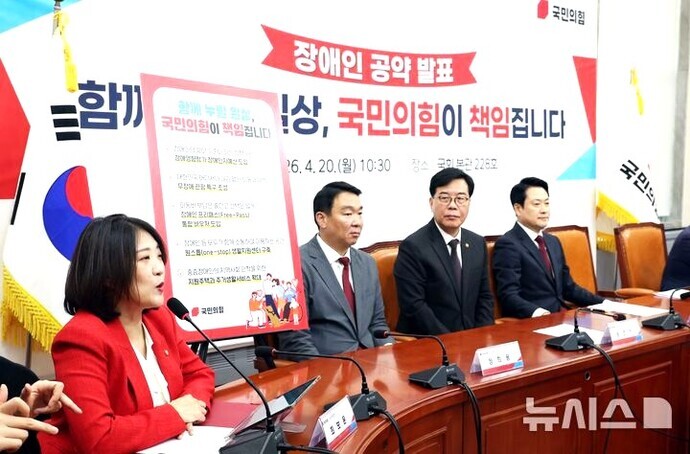
▲ 세종시장 인수위 류제화 대변인이 6일 시청 정음실에서 민간보조금 사업 현황에 대해 설명하고 있다[사진=인수위] (C) 김환일 기자 |
세종시가 지원하는 민간단체 보조금이 대폭 감축되고 지원방식도 강화될 전망이다.
세종시장 인수위원회는 6일 시청 정음실에서 민간보조금 사업 현황과 관리 강화 방안을 발표했다.
인수위 조사결과 올해 세종시 민간보조금 예산편성액은 총 1,970억 원으로 전년 대비 20.2% 증가한 것으로 확인됐다. 전체 보조사업 수는 414개이며, 시 예산으로만 지원받은 보조사업자의 수는 148곳이다.
올해 민간위탁금 예산편성액은 전년 대비 3.9% 늘어난 637억 원이며, 위탁 사업 수는 81개, 수탁기관 수는 15곳으로 파악됐다.
인수위는 "세종시 민간보조금이 2020년 1,388억 원에서 지난해 1,640억 원, 올해 1,970억 원 등 해마다 증가하는 추세에 있다"며 "시민 세금이 투입되는 민간보조금에 대한 관리를 보다 강화할 필요가 있다"고 밝혔다.
특히 인수위는 현행 414개 민간보조사업 중 순수 시비 사업 304개의 평균보조율이 87%에 이르고 있는 점에 주목했다.
이는 수익자 부담 또는 민간 사업자의 자본 투입이 평균 13%에 불과하다는 의미로, 보조금 집행의 효과성·효율성 확보와 민간 사업자 책임성 확보를 위해서는 기준보조율 제도를 강화해야 한다는 것이 인수위의 판단이다.
인수위는 민간보조금의 투명성과 효율성, 책임성을 높이고 지방재정 누수를 방지하기 위해 ▲민간보조금 기준보조율 제도 개선 ▲3년 초과 사업 유지 필요성 평가 실시를 주문했다.
특히 인수위는 현행 414개 민간보조사업 중 순수 시비 사업 304개의 평균보조율이 87%에 이르고 있는 점에 주목했다.
이는 수익자 부담 또는 민간 사업자의 자본 투입이 평균 13%에 불과하다는 의미로, 보조금 집행의 효과성·효율성 확보와 민간 사업자 책임성 확보를 위해서는 기준보조율 제도를 강화해야 한다는 것이 인수위의 판단이다.
더불어 민간보조 사업의 공공성과 지역사회 파급효과가 높은 사업 위주로 예산 배분이 이뤄지도록 사업 목적과 유형, 적용 보조율을 보다 세분화할 것을 주문했다.
또, 매년 실시되는 성과평가와 3년 초과 사업에 대한 유지 필요성 평가의 세부 항목이 다소 형식적인 점을 고려해 이를 실질적으로 개선함으로써 관례적으로 지원을 거듭해온 행태에서 벗어날 필요가 있다고 지적했다.
성과평가 방식도 사업부서에서 객관적인 성과 목표치를 정하되 예산부서와 함께 사업의 지속성을 교차 점검하고, 평가 결과를 활용한 환류 체계를 개선하는 방안도 마련할 것을 요청했다.
이에따라 민간보조금 지원규모가 현저히 줄어들거나 지원방식도 바뀔 것으로 예상된다.
류제화 대변인은 “민간보조금 사업의 지원 필요성과 지원 규모, 지원 방식의 적정성을 원점에서 심층 검토해야 한다”며 “이를 통해 과감한 구조조정을 실시함으로써 시민 세금이 투입되는 민간보조사업이 방만하게 운영되지 않도록 관리를 강화해야 한다는 것이 인수위의 판단”이라고 말했다.
*아래는 위 기사를 '구글 번역'으로 번역한 영문 기사의 [전문]입니다. '구글번역'은 이해도를 높이기를 위해 노력하고 있습니다. 영문 번역에 오류가 있을 수 있음을 전제로 합니다.<*The following is [the full text] of the English article translated by 'Google Translate'. 'Google Translate' is working hard to improve understanding. It is assumed that there may be errors in the English translation.>
[Sejong City drastically cuts private subsidies
Financial budget TF of the transition committee, segmentation of purpose/business type and applied subsidy rate, improvement of feedback system]
It is expected that the subsidy for private organizations supported by Sejong City will be significantly reduced and the support method will be strengthened.
On the 6th, the Sejong Market Transition Committee announced the status of private subsidy business and plans to strengthen management.
As a result of the investigation by the transition committee, it was confirmed that this year, the amount of private subsidies in Sejong City totaled 197 billion won, up 20.2% from the previous year. The total number of subsidized businesses is 414, and the number of subsidized businesses supported only by the city budget is 148.
The budget for this year's private consignment money increased by 3.9% from the previous year to 63.7 billion won.
The transition committee said, "Sejong City's private subsidies are increasing every year from KRW 138.8 billion in 2020 to KRW 164 billion last year and KRW 197 billion this year. said.
In particular, the transition committee paid attention to the fact that the average subsidy rate of 304 pure fertilization projects out of the current 414 private subsidized projects reached 87%.
This means that the beneficiary's burden or capital input by private operators is only 13% on average, and the transition committee judges that the standard subsidy rate system should be strengthened in order to secure the effectiveness and efficiency of subsidy execution and to secure the responsibility of private operators.
In order to increase transparency, efficiency, and accountability of private subsidies and to prevent leakage of local finances, the transition committee ordered an evaluation of the necessity of maintaining the project for more than three years.
In particular, the transition committee paid attention to the fact that the average subsidy rate of 304 pure fertilization projects out of the current 414 private subsidized projects reached 87%.
This means that the beneficiary's burden or capital input by private operators is only 13% on average, and the transition committee judges that the standard subsidy rate system should be strengthened in order to secure the effectiveness and efficiency of subsidy execution and to secure the responsibility of private operators.
In addition, it was ordered to further subdivide the purpose, type, and applied subsidy rate of private subsidy projects so that the budget distribution is focused on projects with high public performance and local community ripple effects.
In addition, he pointed out that it is necessary to break away from the customary practice of providing support by substantially improving the detailed items of the annual performance evaluation and the evaluation of the need for maintenance for projects exceeding three years, considering that they are rather formal.
As for the performance evaluation method, it was requested that the project departments set objective performance targets, cross-check the continuity of the project together with the budget department, and prepare a plan to improve the feedback system using the evaluation results.
Accordingly, it is expected that the scale of private subsidy support will be significantly reduced or the support method will change.
Spokesperson Ryu Je-hwa said, “The necessity of private subsidy programs, the scale of support, and the appropriateness of support methods need to be thoroughly reviewed from the beginning. The decision of the transition committee is that management should be strengthened to prevent this from happening.”
원본 기사 보기:브레이크뉴스대전충청