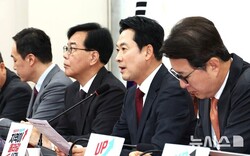
▲ 8일 한국노동조합총연맹이 실시한 설문조사 결과에 따르면 10명 중 6명이 넘는 국민이 이른바 주 최대 69시간까지 근무가 가능하도록 한 근로시간 개편안에 반대했다. 주52시간을 초과하는 연장 노동시간 확대가 향후 노동자 일·생활 균형(워라밸)에 미칠 영향에 대해 '매우 부정적'이라고 답한 비율이 60.5%으로 긍정적 응답(36.2%)에 비해 훨씬 높게 나타났다. © 뉴시스 |
브레이크뉴스 최애리 기자= 정부가 현행 '주 52시간 근로제'의 큰 틀은 유지한 채 일부 일이 순간적으로 몰리는 업종에 한해 연장근로를 선택할 수 있도록 제도를 개편하겠다고 밝혔다.
이성희 고용노동부 차관은 13일 오후 정부세종청사에서 이 같은 내용을 담은 '근로시간 제도 개편 방향'을 발표했다.
정부는 주 52시간 근로제로 인해 장시간 근로가 감소하는 긍정적인 결과가 있는 반면, 제조업 등 일부 업종과 직종에선 일감이 몰리는 기간 근로제한으로 납기일을 못 맞추는 등 어려움을 겪었다면서 제도 개편 필요성을 강조했다.
이성희 차관은 "주52시간제를 유지하면서 일부 업종과 직종에 한해 개선 방안을 마련하는 방향으로 추진하려고 한다"며 이번 개편 취지를 설명했다.
이에 따라 현행 근로시간 제도 상 법정근로시간 1주 40시간에 연장근로시간 12시간을 넘지 못하도록 하고 있는 것은 유지된다.
하지만 원하는 업종에 직종에 대해 연장근로 관리 단위를 1주로 한정하지 않고 선택권을 부여하기로 했다.
예를 들어 연장근로 관리 단위를 '주'가 아닌 '월'로 바꾸면, 연장근로시간은 월 52시간(12시간×4.345주)이 돼 특정 주에 집중적으로 일할 수 있게 된다.
이는 일이 몰릴 때 집중적으로 일하고 쉴 때는 길게 쉬자는 취지로, 연장근로 관리 단위 변경은 노사의 합의를 거치도록 제도화할 것으로 보인다.
하지만 노동계에선 부정적 여론이 높았던 '주69시간 근로'가 현실화되는 게 아니냐는 우려가 여전하다.
아울러 어떤 업종과 직동을 개편 대상에 넣을지도 관건이다. 관리 단위 확대가 필요한 업종으론 제조업, 건설업이, 직종으로는 설치‧정비‧생산직, 보건‧의료직, 연구‧공학 기술직 등이 꼽히고 있다.
정부는 이와 함께 장시간 근로 및 노동자들의 건강권 문제 등 우려를 근본적으로 해소할 수 있는 안전 장치도 함께 마련하겠다는 계획이다. 주당 최대 근로시간 상한선을 설정하거나 근로일간 11시간 연속휴식을 보장하는 식이다.
아울러 일한만큼 공정한 보상을 받을 수 있도록 포괄임금제의 오남용을 막아 '공짜 야근'을 근절시키기로 했다.
 ▲ 이성희 고용노동부 차관이 2일 오전 서울 종로구 정부서울청사에서 근로시간 면제제도 등 기획감독 중간결과 발표를 하고 있다. 이날 이성희 차관은 근로시간 면제 한도 초과 및 위법한 운영비원조 등 부당노동행위 36건, 위법한 단체협약 11건, 단체협약 미신고 8건 등 점검 사업장 62개소 중 39개소에서 위법사항을 적발했다고 밝혔다. 2023.11.02. © 뉴시스 |
이성희 차관은 "업종 직종별 근로시간과 근로형태에 대한 실증 데이터와 추가 실태 조사 통해 업종과 직종을 세부적으로 선정할 것"이라며 "정부가 일방적으로 추진하지 않겠다. 모두가 공감하고 현장에서도 받아들일 수 있는 내용으로 근로시간 개편을 추진하겠다"고 강조했다.
다만 정부가 근로시간 개편안을 마련할 때 까지는 시간이 필요해 보인다. 주 69시간의 불씨가 여전히 남아 있고, 현재 노조와 정부 간 관계가 경색돼 있다는 점, 정치적으로 내년 4월 총선까지 앞두고 있어 넘어야 할 산이 많다는 분석이다.
*아래는 위 기사를 '구글 번역'으로 번역한 영문 기사의 [전문]입니다. '구글번역'은 이해도 높이기를 위해 노력하고 있습니다. 영문 번역에 오류가 있을 수 있음을 전제로 합니다.<*The following is [the full text] of the English article translated by 'Google Translate'. 'Google Translate' is working hard to improve understanding. It is assumed that there may be errors in the English translation.>
The government maintains a large framework for a '52 hour week' system..Allowing some industries to work overtime
The government announced that it will reorganize the system so that overtime work can be chosen only for industries where some work is concentrated momentarily while maintaining the large framework of the current 52-hour workweek.
Vice Minister of Employment and Labor Lee Sung-hee announced the "direction to reform the working hours system" at the Sejong Government Complex on the afternoon of the 13th.
The government stressed the need to reform the system, saying that while the 52-hour workweek has had positive consequences of reducing long hours of work, some industries and occupations, including manufacturing, have suffered from failure to meet delivery dates due to labor restrictions.
Vice Minister Lee Sung-hee explained the purpose of the reorganization, saying, "We intend to maintain the 52-hour workweek and come up with improvement measures only for some industries and occupations."
Accordingly, it is maintained that the current working hours system prevents legal working hours from exceeding 40 hours per week and 12 hours of extended working hours.
However, the choice will be given to the desired industry without limiting the unit of overtime work management to one week.
For example, if you change the overtime management unit to "month" rather than "week", the overtime hours will be 52 hours per month (12 hours × 4.345 weeks), allowing you to work intensively in a specific week.
This is intended to work intensively when there is a lot of work and to rest for a long time when resting, and it is expected to be institutionalized so that the change of the extended work management unit can go through agreement between labor and management.
However, there is still concern in the labor world that the "69 hours of work per week," which had been highly negative public opinion, may become a reality.
In addition, the key is which industries and direct operations will be included in the reorganization target. Manufacturing and construction industries are cited as industries that need to expand management units, while installation, maintenance, and production workers, health and medical workers, and research and engineering technology workers are cited as occupations.
In addition, the government plans to prepare safety measures to fundamentally address concerns such as long working hours and workers' health rights. This is to set the maximum working hours per week or to guarantee 11 consecutive hours of rest during working days.
In addition, the government decided to eradicate "free overtime" by preventing the misuse of the comprehensive wage system so that they can receive fair compensation as much as they worked.
Vice Minister Lee Sung-hee said, "We will select industries and occupations in detail through empirical data and additional surveys on working hours and types of work by industry," adding, "The government will not unilaterally pursue it." We will push for a reorganization of working hours with content that everyone can sympathize with and accept in the field, he stressed.
However, it seems that time is needed until the government comes up with a plan to reform working hours. Analysts say that there are still 69 hours of fire a week, that the relationship between the union and the government is currently strained, and that there are many mountains to overcome politically as the general election is set to be held in April next year.