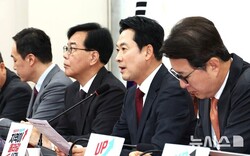
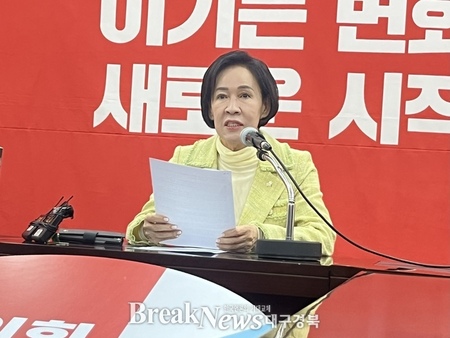
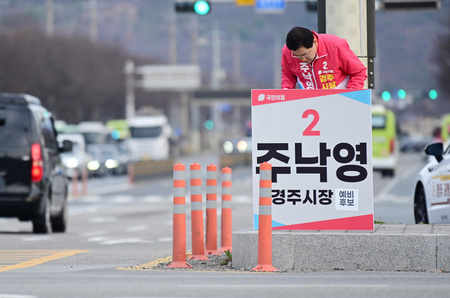
▲ 언론중재위원회는 내년 총선을 앞두고 '알기쉬운 선거기사 가이드북' 발간해 언론사들의 공정보도를 유도하고 있다. © 브레이크뉴스 |
브레이크뉴스 정명훈 기자= 언론중재위원회는 내년 제22대 총선에 대응해 선거기사심의위원회를 운영하고 있다. 신문, 잡지 등 정기간행물과 뉴스통신에 게재되는 기사의 공정성 여부를 심의하고 있는 것이다.
언중위는 최근 433개 언론사에 선거보도 관련 공직선거법 조항 등이 수록된 '2024 선거기사심의편람'과 위반유형별 심의사례 등을 안내한 '알기쉬운 선거기사 가이드북'을 송부하기도 했다.
다음은 언중위가 발간한 알기쉬운 선거기사 가이드북에 실린 몇가지 사례를 소개한다.
-후보자측에서 보낸 출마의변, 기자회견문, 성명서 등의 자료 전문을 게재하는 기사가 문제가 되나?
후보자나 정당이 보내는 보도자료를 전문 그대로 게재하는 것은 특정 후보자의 입장이나 의견을 그대로 사실인 양 전달하는 일이 될 수 있어 기사의 공정성이나 형평성에 어긋날 가능성이 높다. 더욱이 확인되지 않은 사실, 상대 후보에 대한 비난 등이 포함돼 있다면 이를 그대로 게재했을 경우 허위사실 유포, 명예훼손 등의 법적 문제까지 야기될 수 있다.
-후보자 이름이 들어간 책 광고를 선거기간 게재해도 문제 없을까?
공직선거법 제93조 제 2항 및 선거기사 심의기준 등에 관한 규정 제12조 제2호에 따르면 누구든지 선거일 전 90일부터 선거일까지 정당 또는 후보자의 명의를 나타내는 저술, 사진 등을 광고할 수 없도록 규정하고 있다. 또한 동규정 제12조 제3호는 정당 또는 후보자의 명칭, 성명, 경력, 사진 또는 상징을 이용해 후보자에게 선거운동 효과를 주는 광고의 게재 역시 금하고 있다.
-시민단체가 특정 후보자를 반대하는 광고 게재를 의뢰해왔는데, 실어도 될까?
의견광고는 빠른 시간 내 유권자에게 영향을 미칠 목적으로 내는 비상업적 광고인데, 공직선거법 제93조 제1항에 따르면 선거일 전 180일부터 선거일까지 특정 정당 및 후보자에 대한 지지나 반대를 유도하거나 정당 명칭, 후보자 성명을 나타내는 광고 게재가 금지된다.
-출마를 예정하고 있는 현역 의원, 지자체장에 대한 취재 기사를 보도해도 될까?
현역 의원의 의정활동이나 지방자치단체장의 업무수행을 취재해 보도하거나 이를 평가하는 것은 통상의 언론활동으로 문제될 게 없다. 다만 선거를 앞둔 시기엔 유의해서 보도해야 한다. 예를 들어 출마 예정인 현역 의원 등의 성과를 감정적이고 편향적인 표현을 사용하거나 지나치게 부각시키는 보도는 소위 '현직 프리미엄' 효과가 나타나 제재를 받을 수 있다.
-눈길을 끄는 이색 이력의 후보자를 소개하는 기사는 작성해도 될까?
인지도를 높이기 위해 이색 경력을 내세우거나 독특한 방식의 선거운동 방법을 통해 이슈를 끄는 것은 유권자의 관심을 높일 수 있다는 측면에선 긍정적인 효과가 있다. 하지만 기사 초점이 특정 후보자를 홍보하는데 맞춰지면 불공정한 인물부각 기사로 치부될 수 있다. 이럴 경우 정당에 관계없이 이색 경력을 가진 후보 여러 명을 함께 보도하는 방식 등을 통해 기사의 공정성을 확보해야 한다.
-후보자의 선거 출정식을 취재해 보도하려고 하는데 어떤 점을 유의해야 하나?
선거사무소 개소식이나 선거 출정식 등은 후보자의 동정 기사 또는 이와 관련한 인터뷰는 유권자들에게 후보자 관련 정보를 제공하는 방법 중 하나다. 따라서 후보자 관련 행사 취재 보도나 인터뷰 기사 자체는 문제되지 않는다. 다만 해당 선거구에 여러 후보가 있음에도 특정 후보자만을 부각 보도하거나, 각 후보자간 기사량이 현격히 차이가 나거나, 게재 지면, 사진 크기 등이 균형을 이루지 못한 경우엔 선거기사 공정성 및 형평성 위반에 해당할 수 있다. 객관적 기준 없이 특정 후보자에 치우친 기사를 주로 게재했다면 불공정 기사로 제재 조치를 받을 수 있다.
-특정 후보자에 대한 의혹 제보자가 있어, 이를 바탕으로 보도하려고 할때도 공정성이나 형평성을 고려해야 하나?
후보자에 대한 의혹은 후보 자질 등을 검증하는 보도로 유권자의 판단을 돕는 자료로 활용될 수 있다. 그러나 선거기간에는 보다 신중을 기해 보도할 필요성이 있다. 특히 의혹 제보자의 일방적 주장을 사실인 양 보도하는 경우, 단순한 검증 차원을 넘어 감정적인 표현까지 써가며 비방하는 경우, 동일 의혹을 반복적으로 게재하는 경우는 불공정 보도로 제재를 받을 수 있다.
-후보자를 옹호 또는 비판하는 칼럼은 작성해도 되나?
후보자에 대한 의견을 담은 칼럼이 모두 문제가 되진 않는다. 법원에선 후보자를 공인으로 보기 때문에 폭넓은 표현의 자유를 인정하고 있기 때문이다. 따라서 특정 후보자를 옹호하거나 비판하는건 특별히 제재대상이라 보기 어렵다. 하지만 의도적으로 감정이 개입된 표현을 쓰거나 해당 칼럼이 선거에 직접적으로 유·불리한 영향을 끼칠 수 있는 칼럼인 경우에는 불공저어한 보도로 볼 수 있다. 공직선거법 제96조 제2항에서도 낙선 또는 당선을 목적으로 허위 논평을 하는 것을 금지하고 있다. 특히 언론사 외부 필진이 아닌 내부 필진이 작성한 칼럼의 경우에는 독자들에게 해당 칼럼이 언론사 공식 입장으로 인식시킬 수 있어, 더욱 신중을 기해야 한다.
-여론조사 기사 보도시, 오차범위 내 1위를 하고 있는 후보자에 대해 '사실상 1위'라고 표현해도 될까?
여론조사 결과 보도는 유권자들의 투표 행위에 직접적인 영향을 주기 때문에 결과 공표 시 지켜야할 점들이 많다. 특히 오차범위 내인 경우엔 표현에 주의해야 한다. 오차범위 내라는 것은 두 개의 결과값이 우열을 판단하기 어렵다는 의미다. 조사 결과, 오차범위 내에 있음에도 '1위', '선두', '우위' 등의 표현을 쓰면 단정짓게 되면, 제재를 받게된다. 더 나아가 '오차범위 내 1위'라는 말도 잘못된 표현이기 때문에 순위표시를 하지 않고, '오차범위 내 접전' 등으로 표기하는게 바람직하다.
-전문가 의견을 바탕으로 특정 후보자가 당선될 가능성이 높다는 예측기사는 써도 되나?
선거결과를 예측할 때는 그 정당한 근거가 있어야 한다. 다수의 여론조사 결과를 바탕으로 판세를 분석하는 등 누가봐도 정당한 근거에 기초한 기사여야 한다. 하지만 기자의 막연한 느낌, 특정 집단의 주장, 부정확한 여론, 한두 유권자의 말은 인용해 마치 특정후보자가 유리한 것처럼 작성하거나 확인되지 않은 소문 등이나 지라시 정보 등은 정당한 근거가 될 수 없다.
소위 '특정 정당 텃밭'이라 해서 현재도 그럴 것이라 보는 기자의 임의적이고 주관적인 판단 역시 정당한 근거라고 보기 어렵다.
*아래는 위 기사를 '구글 번역'으로 번역한 영문 기사의 [전문]입니다. '구글번역'은 이해도 높이기를 위해 노력하고 있습니다. 영문 번역에 오류가 있을 수 있음을 전제로 합니다.<*The following is [the full text] of the English article translated by 'Google Translate'. 'Google Translate' is working hard to improve understanding. It is assumed that there may be errors in the English translation.>
"If you report an election article like this, you'll be sanctioned." Introducing the case of the Media Arbitration Committee
The Media Arbitration Committee is operating an election article review committee in response to the 22nd general election next year. It is deliberating on the fairness of articles published in periodicals such as newspapers and magazines and news communications.
The committee recently sent a "2024 Election Article Review Manual," which includes provisions of the Public Official Election Act related to election reporting, and an "understandable election article guidebook," which guides deliberation cases for each type of violation.
Here are some examples from the easy-to-understand election article guide published by the National Security Council.
- Does an article that publishes the full text of data such as a statement, press conference, etc. sent from the candidate's side become a problem?
Publishing press releases sent by candidates or political parties as they are is likely to violate the fairness or equity of the article, as it can convey the position or opinion of a specific candidate as if it were true. Moreover, if unconfirmed facts and accusations against the other candidate are included, legal problems such as spreading false information and defamation may arise if they are posted as they are.
*Is it okay to post a book advertisement with the candidate's name during the election period?
According to Article 93 (2) of the Public Official Election Act and Article 12 (2) of the Regulations on the Standards for Deliberation on Election Articles, etc., no one is allowed to advertise writings, photographs, etc. indicating the name of a political party or candidate from 90 days before the election day to the election day. Article 12 (3) of the same Regulation also prohibits the publication of advertisements that affect the candidate by using the name, name, career, photo, or symbol of a political party or candidate.
-Citizens' organizations have requested that advertisements be placed against certain candidates, so can I?
Opinion advertisements are non-commercial advertisements aimed at affecting voters in a short period of time, and according to Article 93 (1) of the Public Official Election Act, advertisements that induce support or opposition to specific parties and candidates or express party names and candidates' names are prohibited from 180 days before election day.
-Can I report on an article about an active member and a local government head who is planning to run?
Covering and reporting or evaluating the legislative activities of active lawmakers or the performance of local government heads is not a problem as usual media activities. However, it should be reported carefully in the period ahead of the election. For example, reports that use emotional and biased expressions or overly highlight the performance of active lawmakers who are scheduled to run may be subject to sanctions due to the so-called "current premium" effect.
- Can I write an article that introduces candidates with eye-catching unique histories?
Putting forward unique experiences or raising issues through unique methods of campaigning to raise awareness has a positive effect in that it can raise voters' interest. However, if the focus of the article is on promoting a specific candidate, it can be dismissed as an unfair feature. In such a case, the article should be fair by reporting multiple candidates with unique experiences regardless of political parties.
- What should I keep in mind when I want to cover and report on the candidate's election exit ceremony?
The election office opening ceremony or the election exit ceremony is one of the ways to provide voters with information about candidates. Therefore, coverage of candidate-related events or interview articles themselves are not a problem. However, even though there are several candidates in the relevant constituency, if there is a significant difference in the amount of articles between candidates, or if the size of the published space and photos is not balanced, it may constitute a violation of fairness and equity in election articles. If you mainly publish articles that are biased toward a specific candidate without objective standards, you can be sanctioned as an unfair article.
-Is fairness or equity considered when reporting based on this because there is a suspicion informant about a particular candidate?
Suspicions against candidates can be used as data to help voters' judgment by verifying their qualifications. However, it is necessary to report them more carefully during the election period. In particular, if the unilateral allegations of a suspect are reported as true, if they are slandered by using emotional expressions beyond simple verification, they can be sanctioned as unfair reporting if the same allegations are repeatedly published.
- Can I write a column advocating or criticizing a candidate?
Not all columns containing opinions on candidates are a problem. This is because the court recognizes a wide range of freedom of expression because candidates are viewed as public figures. Therefore, defending or criticizing a particular candidate is difficult to regard as a subject of particular sanctions. If you intentionally express an emotion-involved expression or a column that may directly affect the election, it can be viewed as an unspeakable report. Article 96 (2) of the Public Official Election Act also prohibits false comments for the purpose of losing or winning elections. In particular, in the case of columns written by internal writers other than external writers of the media, readers should be more cautious because the column can be recognized as an official position of the media.
- When reporting a poll article, can I describe the candidate who is ranked first within the margin of error as "actually number one"?
There are many things to observe when announcing the results, as reporting of opinion polls directly affects voters' voting behavior. Especially if it is within the margin of error, you should be careful with the expression. Being within the margin of error means that it is difficult for two result values to judge whether they are superior or inferior. According to the survey, if you use expressions such as "first place", "leading", or "excellent" even though it is within the margin of error, you will be subject to sanctions. Furthermore, since the word "first place within the margin of error" is also a misrepresentation, it is desirable not to mark the ranking, but to mark it as "a close race within the range of error".
- Can I write a prediction that a particular candidate is likely to be elected based on expert opinion?
When predicting election results, the public should have a legitimate basis. The article should be based on a legitimate basis, such as analyzing the situation based on the results of a large number of opinion polls. However, citing a journalist's vague feelings, a specific group's argument, inaccurate public opinion, and one or two voters' words, such as written or unconfirmed rumors or groundless information as if a specific candidate is in favor of him or her, cannot be a legitimate basis.
It is difficult to say that the arbitrary and subjective judgment of a reporter, who believes that it will still be the case just because it is a so-called "specific party stronghold," is also a legitimate basis.