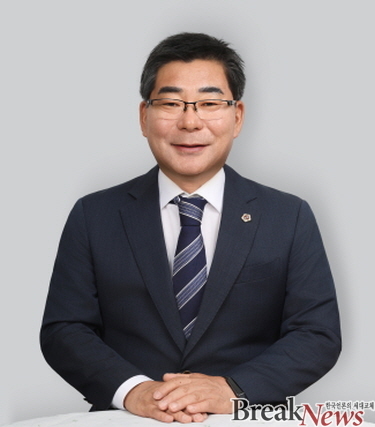
▲ 정길선 칼럼니스트 ©브레이크뉴스 |
공산권의 몰락과 함께, 여러 유럽 동구권 나라들이 자본주의인 시장 경제 체제로 전환해갔다. 발트 3국은 1990년 독립 선언과 더불어 소련의 보복 목적이 강한 군사 작전이 1991년 1월 11일부터 1월 25일까지 진행되었다. 이와 같은 발트 3국에 대한 소련의 군사작전은 대규모 인명피해를 낳게 된다. 리투아니아에서 대규모 유혈 사태가 벌어지고 이와 같은 유혈 사태다 발트 해 연안 공화국으로 확산됨에 따라 발트 해 연안 공화국들이 소련의 화약고로 등장하고 있었다. 소련 내무부 직할 경찰특공대 오몬(OMON)은 리투아니아 방송국을 점거하기 위해 공격을 개시했다. 오몬은 리투아니아에서 무력사용을 억제하고 공공기관을 점령하지 않겠다는 약속을 했었지만 24시간이 채 지나기 전에 이를 일방적으로 파기하고 독립 운동을 부추겨온 한 지방 방송국을 점거했다.
오몬 부대가 지방 방송국을 점령하는 과정에서 희생자는 없었으나 주민들은 또 다시 소련군의 무력 앞에 짓밟혔다. 오몬은 방송국으로 침입해 기관총으로 직원들을 위협했으며 방송국 장악에 성공한 이후, 리투아니아 지역에 방송을 송출하는 것을 차단했다. 이를 두고 연방 결속을 주장하는 리투아니아 구국위원회에서는 현 상황이 내란 상태로 치닫고 있다면서 고르바초프 대통령의 직접적인 통제 만이 유일한 타개책이라고 주장했다. 고르바초프는 리투아니아 사태의 명확한 진상을 파악하기 위해 조사단 파견만을 약속했다. 고르바초프는 이어 발포하도록 명령한 자가 누구인지는 알 수 없다고 하면서 직접적인 책임 문제를 회피했다.
방송국 점거 사태에 대해 어떠한 책임문제를 거론하지 않은 고르바초프는 서방에서 볼 때 독립에 대한 강경파로 선회한 것으로 추측했다. 이에 리투아니아와 리트비아 그리고 에스토니아 등 발트 3국 지도자들은 스톡콜롬에서 긴급 회담을 열고 앞으로 2주 내에 오몬이 물러나지 않으면 망명 정부를 수립해 공동 전선을 통한 독립 투쟁을 벌일 것이라 선언했다. 한편 소련 내부에서도 이러한 강경 진압에 반대하는 목소리가 높아졌다. 특히 발트 해 연안 공화국들의 독립을 지지하는 보리스 옐친은 공화국들이 모스크바 정부의 통제를 받지 않는 독립적인 군대를 창설해야 한다는 강경 발언을 하기도 했다.
한편 강경 진압으로 돌아선 소련의 특수경찰대 오몬은 이어 라트비아의 수도 리가에도 전격 투입되었다. 오몬은 경찰 학교를 점령하고 라트비아 경찰들을 무장해제 시킴으로써 라트비아 주민과 정면 충돌을 예측하여 이에 대비했다. 라트비아의 경찰 학교 뿐 아니라 시내의 국방부에 대한 진입도 시도하면서 리가의 모든 전권을 장악하려 했다. 그러나 이러한 민주주의를 유린하는 행위를 감지한 라트비아 시민들은 무려 50만 명의 시민들이 들고 일어나 전략적 요충지 주변으로 바리케이트를 세웠다. 각종 화물차들과 공사 차량들, 심지어 농기구들과 트롤리 버스까지 도로를 봉쇄하고 오몬과 적극 대치했다.
비록 이 대치 과정에서 6명의 사망자가 발생하기도 했으나 비폭력 저항 운동을 모토로 오몬의 진입을 막아버린 시민들에게 발포할 수도 없었다. 1991년 1월 14일, 라트비아 시민들은 바리케이트를 설치하여 시위를 시작하였고 상황이 급박하게 돌아가자, 소련은 오몬에게 지시하여 강제 진압을 시도하게 되었다. 라트비아 시민들이 이를 거세게 저항하며 오몬과 부딪쳤고, 라트비아 시민들과 OMON은 1월 14일부터 1월 25일까지 총 9번의 충돌을 하였다. 이 과정에서 많은 라트비아 시민들이 체포되거나 부상을 입었고 사살되기도 했다. 그러나 대부분의 충돌에서 오몬은 바리케이트를 뚫지 못함에 따라 진입 작전을 계속 실패하였고 이는 라트비아 시민들이 승리하고 있음을 의미하게 되었다.
이와 같은 진입 실패들을 두고 소련에서도 비난이 극심했고 결국 고르바초프는 25일에 진입을 종결하고 철수를 지시하게 된다. 오몬은 철수하면서 라트비아 시민들에게 총격하여 시민 20명이 사망했다. 이후 2005년 결국 이 사건에 대한 진상조사가 시작되었고, 사상자 수를 기점으로 조사하게 되었다. 라트비아 측은 시신이 총 42명으로 판명났으나, 러시아 측은 시신이 발견되지 않아 이 사건은 여전히 논란이 되고 있다. 이후에 리투아니아에서도 소련군이 철수하면서, 이 사태는 리투아니아의 승리로 끝이 났다. 그러나 이 역사적인 사건을 두고 서방 언론에서는 바리케이트 사건(The Barricades), 혹은 바리케이트 저항 운동이라 불렀다. 이는 소련의 군사적인 위협 및 물리적인 폭력을 비폭력으로 맞서 막아낸 자유 민주주의를 위한 위대한 승리로 기록되고 있다.
*필자/ 정길선.
노바토포스 회원, 역사학자, 고고인류학자, 칼럼니스트, 러시아 과학아카데미 유라시아 고고인류학연구소 연구교수
*아래는 위 기사를 '구글 번역'으로 번역한 영문 기사의 [전문]입니다. '구글번역'은 이해도 높이기를 위해 노력하고 있습니다. 영문 번역에 오류가 있을 수 있음을 전제로 합니다.<*The following is [the full text] of the English article translated by 'Google Translate'. 'Google Translate' is working hard to improve understanding. It is assumed that there may be errors in the English translation.>
With the fall of the communist bloc, several Eastern European countries have transitioned to a capitalist market economy. Along with the declaration of independence in 1990, the three Baltic countries launched a military operation with strong retaliatory purposes by the Soviet Union from January 11 to January 25, 1991. Such Soviet military operations against the three Baltic countries result in large-scale casualties. As large-scale bloodshed broke out in Lithuania and spread to the Baltic republics, Baltic republics were emerging as Soviet gunpowder stores. Omon, a police commando under the direct control of the Soviet Ministry of the Interior, launched an attack to occupy the Lithuanian broadcasting station. Omon promised not to use force and occupy public institutions in Lithuania, but less than 24 hours later, he unilaterally destroyed it and occupied a local station that had encouraged the independence movement.
There were no victims as the Omon troops occupied the local station, but the residents were trampled by Soviet force again. Omon broke into the station, threatened his employees with machine guns, and after successfully taking control of the station, blocked broadcasts to Lithuania. In this regard, the Lithuanian Rescue Committee, which insists on federal solidarity, argued that the only solution was President Gorbachev's direct control, saying that the current situation was heading toward a state of civil war. Gorbachev promised only to send an investigation team to get a clear picture of the Lithuanian situation. Gorbachev then avoided direct responsibility, saying he did not know who ordered the firing.
Gorbachev, who failed to address any responsibility for the station occupation, assumed that the West had turned to a hard-line independence stance. In response, the leaders of the three Baltic states, Lithuania, Litvia, and Estonia, held an emergency meeting in Stockcolom and declared that if Omon did not step down within the next two weeks, they would establish a government in exile and fight for independence through a common front. Meanwhile, voices against this hardline suppression were raised even within the Soviet Union. Boris Yeltsin, who especially supports the independence of Baltic republics, made a hard-line statement that republics should create an independent army that was not controlled by the Moscow government.
Meanwhile, the Soviet special police force Omon, which turned to a hard-line suppression, was then deployed to Riga, the capital of Latvia. Omon anticipated a head-on collision with the Latvian people and prepared for this by occupying a police school and disarming the Latvian police. He attempted to gain control of all of Riga by entering the Ministry of National Defense in the city as well as a police school in Latvia. However, as many as 500,000 Latvian citizens rose up and set up a barricade around the strategic point when they were aware of this violation of democracy. They actively confronted Omon by blocking roads with various trucks, construction vehicles, even agricultural equipment and trolley buses.
Although six people were killed during the confrontation, it was not possible to open fire on the citizens who blocked Omon's entry under the motto of a nonviolent resistance movement. On January 14, 1991, Latvian citizens set up barricades to protest, and when the situation became urgent, the Soviet Union ordered Omon to try to suppress it. Latvian citizens fiercely resisted and clashed with Omon, and Latvian citizens and Omon clashed a total of nine times between January 14 and January 25. In the process, many Latvian citizens were arrested, injured, and killed. However, in most clashes, Omon continued to fail in his entry operations as he could not break through the barricades, which meant that Latvian citizens were winning.
Criticism was intense even in the Soviet Union over these failures in entry, and Gorbachev ended the entry on the 25th and eventually ordered withdrawal. As Omon withdrew, he shot at Latvian citizens, killing 20 citizens. Later, a fact-finding investigation into the incident began in 2005, and the investigation was conducted based on the number of casualties. The Latvian side found a total of 42 bodies, but the Russian side did not find any bodies, so the case is still controversial. Later, with the withdrawal of Soviet troops from Lithuania, the situation ended with Lithuania's victory. However, the Western media called this historical event The Barricades, or the Barricade Resistance Movement. It is recorded as a great victory for liberal democracy that prevented military threats and physical violence from the Soviet Union with non-violence.