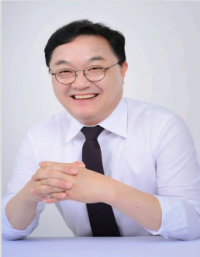
▲러시아 과학아카데미 유라시아 고고인류학연구소 연구교수. ©브레이크뉴스 |
지난 2018년 10월 6일에 라트비아에서 총선이 있었다. 이 때 친러 정당인 사회민주주의당인 화합당이 19.91%를 득표하여 반 EU 성향의 포퓰리즘 정당인 KPV에 14.06%, 13.6%를 얻은 신보수당을 누르고 승리했다. 물론 이 화합당은 과반 의석을 얻지 못했고, 나머지 정당들이 모두 화합당과의 연정을 거부하고 있어 연정 협상이 난항을 겪었다. 당시 연정을 구성중인 녹색농민당은 10%를 얻었다. 화합당은 190만 라트비아 인구 중 25%를 차지하는 러시아계의 지지를 얻고 있다. 지난 세 번의 선거에서도 화합당은 러시아 푸틴 대통령의 통합 러시아당과 동맹을 맺으면서 가장 많은 표를 얻었다.
그리고 3개월 후인 2019년 1월 28일에 라트비아 정부는 KGB의 정보원 명부 공개로 혼란을 겪고 있고 이 중에는 전직 총리도 포함된 것으로도 알려지면서 파문을 일으키게 된다. 소련으로부터 1991년에 독립한 라트비아에서 소련의 비밀경찰 KGB의 정보원 명부를 공개하게 되자 당시 소련에 부역했던 인물들이 드러남에 따라 라트비아 국민들이 분노했다. 라트비아의 언론인 <발틱 타임스> 등에 따르면 라트비아 독립 직전 KGB는 라트비아에서 철수하면서 KGB 정보원 및 협력자 명부가 들어있는 서류가방 일부를 가져가지 않았다고 한다. 이 가방에는 소련이 라트비아에서 1953년부터 가동한 24,000여 명의 정보원 및 협력자 가운데 4,141명의 명단이 들어 있었다.
라트비아 당국은 소련의 철수 후 이 가방을 확보했으나 지난 28년 간 의회에서 공개 여부를 놓고 공방을 벌여왔다. 정보 공개 찬성파는 과거 소련 지배의 청산을 위해 정보원들의 신원을 알려야 한다는 입장을 보여왔으나, 반대파는 KGB에 의해 의도적으로 조작될 수 있어 그 신빙성을 담보하기 어렵다고 주장하면서 첨예하게 대립했다. 라트비아 의회는 2017년 10월 압도적인 찬성으로 공개를 결정하고, 2017년 12월 20일 1차로 관련 파일을 일부 인터넷으로 공개하게 된다. 지난 2006년에도 라트비아 의회는 명단 공개를 위한 법안을 의결했으나, 바이라 비케 프레이베르가(Vaira Vīķe-Freiberga) 대통령이 거부권을 행사하여 전격적으로 무산된 바 있다.
라트비아의 정보당국은 지난해 명단이 공개될 경우 사회에 갈등을 일으켜 잠재적인 보안 위협이 될 수 있다는 입장을 밝히기도 했다. 당시 마리스 쿠친스키스(Māris Kučinskis) 라트비아 총리는 2018년 1월 초, 대중들은 교육을 잘 받은 편이고 이해심이 깊다면서 사회적으로 명단 공개 논란을 조정할 수 있다는 입장을 보이게 된다. 여기에서 공개된 소련 KGB의 파일은 KGB에 고용된 정보원 및 협력자 명단들과 요원들의 전화번호, 생년월일, 주소 등이 포함되어 있었다. 정보원들의 명단이 공개되자마자 라트비아 사회에 파문을 일으키게 된다.
정보원들의 명단 중, 두 차례의 총리를 지낸 이바르스 고드마니스(Ivars Godmanis)와 현직 대법원장, 주요 성직자, 대학총장, 유명 시인 등 유력 인사들이 다수 포함되었다. 많은 인사들은 결백을 주장하면서 이를 증명하기 위해 사법부를 통해 법적 절차를 밟기 시작했다. 라트비아 당국은 2018년 5월부터 당시 KGB가 남긴 문서에 대해서도 공개하여 전직 대통령과 국회의원 등 47명의 명단이 드러나게 된다. 라트비아와 함께 발트 3국 중 하나인 리투아니아는 2017년 1월에 KGB의 협력자 명단을 공개한 바 있다. lukybaby7@gmail.com
*필자/ 정길선.
노바토포스 회원, 역사학자, 고고인류학자, 칼럼니스트, 러시아 과학아카데미 유라시아 고고인류학연구소 연구교수.
*아래는 위 기사를 '구글 번역'으로 번역한 영문 기사의 [전문]입니다. '구글번역'은 이해도 높이기를 위해 노력하고 있습니다. 영문 번역에 오류가 있을 수 있음을 전제로 합니다.<*The following is [the full text] of the English article translated by 'Google Translate'. 'Google Translate' is working hard to improve understanding. It is assumed that there may be errors in the English translation.>
[International situation]] Extreme confrontation between Latvia and Russia
Excommunication following the Latvian government's disclosure of a list of KGB informants
-Jeong Gil-seon, columnist
A general election was held in Latvia on October 6, 2018. At this time, the Harmony Party, a pro-Russian social democratic party, won 19.91% of the votes, beating KPV, an anti-EU populist party, with 14.06%, and the New Conservative Party, which received 13.6%. Of course, the Harmony Party did not receive a majority of seats, and the remaining political parties all refused to form a coalition with the Harmony Party, making coalition negotiations difficult. The Green Peasant Party, which was forming a coalition government at the time, received 10%. The Unity Party enjoys support from Russians, who make up 25% of Latvia's 1.9 million population. In the past three elections, the Harmony Party received the most votes by forming an alliance with Russian President Putin's United Russia party.
And three months later, on January 28, 2019, the Latvian government was in confusion due to the disclosure of a list of KGB informants, which reportedly included a former prime minister, causing a stir. In Latvia, which became independent from the Soviet Union in 1991, the list of informants of the KGB, the Soviet secret police, was made public, and the Latvian people became angry as people who had collaborated with the Soviet Union at the time were revealed. According to the Latvian journalist <Baltic Times>, the KGB withdrew from Latvia just before Latvia's independence and did not take part of the briefcase containing the list of KGB informants and collaborators. This bag contained a list of 4,141 of the 24,000 informants and collaborators that the Soviet Union had operated in Latvia since 1953.
Latvian authorities secured the bag after the Soviet Union's withdrawal, but have been wrangling in parliament for the past 28 years over whether to make it public. Those in favor of disclosure of information have taken the position that the identities of informants should be revealed to end the past Soviet rule, but the opposing party was sharply divided, arguing that it was difficult to ensure the credibility of the information because it could be intentionally manipulated by the KGB. The Latvian Parliament decided to make it public with an overwhelming vote in October 2017, and some related files will be released on the Internet in the first round on December 20, 2017. In 2006, the Latvian parliament passed a bill to make the list public, but it was completely defeated when President Vaira Vīķe-Freiberga exercised her veto.
Latvia's intelligence authorities stated last year that if the list were made public, it could cause conflict in society and pose a potential security threat. In early January 2018, Latvian Prime Minister Māris Kučinskis at the time said that the public was well-educated and had a deep understanding, and that the controversy over the release of the list could be socially resolved. The Soviet KGB files released here included a list of informants and collaborators employed by the KGB, as well as the agents' phone numbers, dates of birth, and addresses. As soon as the list of informants was made public, it caused a stir in Latvian society.
Among the list of informants were many influential figures, including two-time Prime Minister Ivars Godmanis, the current Chief Justice of the Supreme Court, major clergy, university presidents, and famous poets. Many people claimed their innocence and began taking legal steps through the judiciary to prove it. Starting in May 2018, Latvian authorities also disclosed documents left behind by the KGB at the time, revealing a list of 47 people, including former presidents and members of the National Assembly. Lithuania, one of the three Baltic states along with Latvia, disclosed a list of KGB collaborators in January 2017. lukybaby7@gmail.com
*Writer/ Jeong Gil-seon.
Novatopos member, historian, archaeological anthropologist, columnist, research professor at the Institute of Eurasian Archeology and Anthropology of the Russian Academy of Sciences.