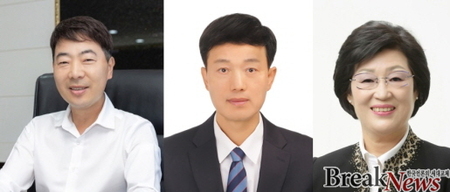
▲ 정길선 박사 ©브레이크뉴스 |
베르사유 조약으로 독립한 폴란드는 20세기 초, 독일과의 북부 실레지아 분쟁이 터지면서 심각해졌다. 북부 실레지아 영토 분쟁이 쉽게 해결되지 않으면서 결국 주민투표를 통해 북부 실레지아의 73%를 독일에 귀속시켰으며 25%를 폴란드에 넘겨주고 나머지 2%는 체코슬로바키아에 넘겨주어 분할된다. 이러한 실레지아 분할 사건은 독일과 폴란드, 양 국민들의 애국심을 자극했다. 이는 독일 입장에서 볼 때 당시 폴란드에게 넘어간 25% 지역이 인구의 40%가 넘는 비교적 높은 비율이 거주하면서 북부 실레지아 전체 산업시설의 80%가 위치한 핵심 지역이었기에 독일 측의 불만은 대단했다. 그 중에서 카토비체와 쾨니히스휘테, 루블리니츠 등의 주(州)들은 독일 측의 표가 더 많이 나왔음에도 불구하고 폴란드로 넘어간 지역이 있었다는 점에서 더욱 억울했다. 폴란드 입장에서는 독일계가 더 많이 거주하는 대도시들은 독일 표가 더 많이 나오긴 했지만 그 도시들을 둘러싸고 있는 농촌 지역은 폴란드 표가 더 많이 나왔음에도 대다수가 독일에 잔류하게 된 것 또한 불만이었다.
이처럼 애매한 주민투표의 결과 때문에 주민투표를 주도한 협상국가들도 양국 국민들과 정부의 강한 비판에 직면했다. 결국 국제 연맹이 중재에 나섰고 이를 통해 1922년 제네바에서 독일과 폴란드, 양자 간의 합의로 겨우 실레지아에 대한 재분할이 이루어졌지만 이 또한 양국이 모두 만족할 해결책은 아니었다. 1924년 10월 26일, 독일 신문 프랑크푸르터 자이퉁(Frankfurter Zeitung)에서 처음으로 폴란드에 대한 무역 공격을 시사하는 사설이 게재되었다. 해당 사설에 의하면 '폴란드의 무례함을 공격하여 분쇄하기 위해' 폴란드의 모든 수입품에 대한 관세를 매기고 이를 통해 폴란드에게 매우 "결정적인(Entscheidend)" 타격을 입힐 수 있다고 서술했다. 그리고 당시 독일 수상 빌헬름 마르크스(Wilhelm Marx)는 1924년 11월 비밀리에 폴란드산 물건에 대한 수입 거부 조치 준비를 지시했다. 우선 북부 실레지아의 73%만 차지하게 된 독일에서는 베르사유 조약의 조항들을 무시하고 1925년 1월 6일부터 폴란드의 석탄, 철광석과 강철에 대해 무관세를 철폐하고 수입을 거부했다.
이와 같은 조치로 인해 폴란드의 국민들이 독일에 대해 크게 반발하며 시위와 폭동이 일어났고, 브와디스와프 그랍스키 (Władysław Grabski) 폴란드 수상이 독일에 강하게 항의했지만 독일의 한스 루터(Hans Luther) 수상도 더 이상 물러서지 않겠다면서 단치히와 폴란드 회랑, 실레지아 전체를 폴란드가 독일에게 돌려줄 때까지 수입거부와 관세를 유지한다고 발표했다. 당시 포즈난의 경우, 이미 독일 제국 시절에도 폴란드인이 더 많이 살았기 때문에 독일에서도 포즈난 만큼은 예외로 두었다. 실레지아 땅이자 제1차 세계대전 이후 폴란드가 가져간 카토비체 지역은 오버 슐레지엔의 주도로 독일인이 많이 거주하고 있는 지역이다. 이 지역이 폴란드에 넘어간 이후 독일은 오버 슐레지엔의 주도를 오펠른으로 옮겼으니 자신들의 영토의 주도를 침탈한 폴란드에 대한 악감정이 대단할 수밖에 없었다. 이에 당시 폴란드에서는 단 한 치의 영토도 내줄 수 없다며 버텼다. 특히 독일이 무역 전쟁을 철회할 의사가 없는 것이 명백해지자 폴란드 역시 1925년 5월 독일산 공산품에 대해 대대적인 보복관세를 매겼다.
그러자 독일은 이와 같은 폴란드의 보복을 예상했었다. 1925년 6월 폴란드의 모든 제품에 대해서 최소 50%~최대 200%에 달하는 수입 관세를 매기기로 결정했다. 당시 국가 무역의 40%를 독일에 의존하던 제2 폴란드 공화국은 독일에 반발했으나 독일의 이와 같은 보복 조치에 별다른 수가 없었다. 심지어 독일은 폴란드가 영국의 차관을 얻는 것까지 막고 이를 방해했다. 그래서 1925년 7월이 되자 오히려 수세에 몰린 폴란드는 독일에게 영토 문제에 대한 협상을 할 것이니 무역 전쟁을 철회하자고 제안했지만 독일은 단치히, 폴란드 회랑, 실레지아의 즉각적인 전체 반환 없이는 일체의 협상도 없다며 이를 완전히 거절했다. 1925년 8월 당시 독일 중앙은행인 라이히스방크(Reichsbank, 제국은행)의 총재인 얄마르 샤흐트(Hjalmar Schacht)는 폴란드에 대한 공세의 고삐를 약간이라도 늦춘다면, 독일이 영토를 회복하는 것은 영원히 불가능할 것이다며 당시 파울 폰 힌덴부르크(Paul von Hindenburg) 대통령에게 진언했다. 그리고 힌덴부르크 대통령은 폴란드와의 협상 자체를 중단할 것이며 앞으로 재개하지 않을 것이라고 내각에 밝혔으며 이는 그대로 승인되었다.
상황이 이렇게 돌아가자 폴란드는 국제연맹에 도움을 요청했다. 마침 1926년에 독일이 국제연맹에 가입했기 때문에 기타 국제 연맹 국가들을 통해 호소하려 했다. 그러나 국제사회는 베르사유 조약이 독일에 지나치게 혹독했다는 이유로 독일에 동정적이었던 흐름이 생기고 있었으며, 이로 인해 국제연맹은 독일과 폴란드의 평화적 해결을 주문한다며 시간만 끌게 된다. 국제연맹에서는 대공황 때까지 무역 전쟁의 결론을 내지 못했다. 1929년 9월, 미국에서 대공황이 터지면서 결국 무역 전쟁은 해결될 기미가 보이지 않게 되어 버렸다. 독일, 폴란드 둘 다 대공황으로 인한 후폭풍이 상당했기 때문이며 특히 독일과 폴란드는 서로에게 보호무역 조치를 더더욱 강화했고, 이 때문에 양국의 무역량은 바닥을 치게 됐다. 결국 독일과 폴란드는 미국, 영국, 프랑스보다 더욱 큰 GDP의 하락을 보이게 된다. 특히 독일보다 폴란드가 심각졌기 때문에 1929년부터 1933년까지 폴란드의 총액 GDP는 20.7% 감소했고 실업률은 47%까지 증가했다. 대공황이 발생하면서 독일에서는 아돌프 히틀러의 나치당과 독일 공산당의 세력이 급격히 커졌다.
이에 독일 사회민주당과 독일 카톨릭 중앙당은 정치력을 상실하게 된다. 결국 독일 내부에서는 폴란드와의 협상 분위기는 더더욱 어렵게 되어 버렸다. 이후 1933년에 집권한 아돌프 히틀러는 바이마르 공화국 시절에 비해 폴란드에 유화적인 입장을 취했다. 이는 당시 독일이 재군비도 안 한 상황에서 폴란드와 무역 전쟁을 지속하는 것은 당시 열강인 영국, 프랑스, 이탈리아한테도 이미지가 좋지 않았기 때문이다. 그래서 히틀러가 먼저 당시 유제프 피우수트스키(Józef Piłsudski) 폴란드 국가원수 앞으로 독일-폴란드 간의 무역 전쟁을 해결하자는 전보를 보내고, 이를 받은 피우수트스키가 즉시 폴란드 정부에 독일과의 협상을 시작할 것을 요청하면서 독일-폴란드 무역 전쟁은 거의 마무리 단계에 들어가게 된다. 1933년 10월 먼저 독일이 최고 200%까지 매겼던 폴란드 제품에 대한 관세를 20%로 낮추고, 폴란드 역시 11월 독일 제품에 대한 관세를 20%로 낮추었다. 그러한 상태에서 독일과 폴란드는 상호간의 독일-폴란드 불가침조약을 맺었고, 부속 조약으로 독일-폴란드 자유무역협정을 맺었다.
이 조약은 1934년 3월 2일부로 효력을 발휘했고, 독일-폴란드 무역 전쟁은 무려 9년 2개월만에 해결되었다. 독일-폴란드 자유무역협정에서 독일과 폴란드의 공산품에 대해서는 상호 무관세, 농산물에 대해서는 상호 5%의 관세를 매기기로 했다. 결론적으로 독일과 폴란드 모두 무역 전쟁으로 심한 타격을 받았다. 일단 독일은 끝내 폴란드에게서 요구한 영토를 돌려받지 못했다. 무역 전쟁을 9년이나 지속했기 때문에 독일 내부에서도 독일 제국 시절 폴란드 땅에서 사업을 하던 수많은 기업들이 파산할 수 밖에 없었다. 폴란드도 무역 전쟁으로 인해 외화 수입이 끊겼기 때문에 큰 타격을 입어 1920년대에 시작하려 했던 공업화를 한참 이후로 미루어야 했다. 결국 폴란드는 1933년까지 농업 국가에서 벗어나지 못했으며 1939년 히틀러의 침공으로 멸망하고 말았다.
*필자/ 정길선.
노바토포스 회원, 역사학자, 고고인류학자, 칼럼니스트, 러시아 과학아카데미 유라시아 고고인류학연구소 연구교수.
*아래는 위 기사를 '구글 번역'으로 번역한 영문 기사의 [전문]입니다. '구글번역'은 이해도 높이기를 위해 노력하고 있습니다. 영문 번역에 오류가 있을 수 있음을 전제로 합니다.<*The following is [the full text] of the English article translated by 'Google Translate'. 'Google Translate' is working hard to improve understanding. It is assumed that there may be errors in the English translation.>
The story of the trade war between Germany and Poland
Gil-seon Jeong, columnist
Poland, which gained independence through the Treaty of Versailles, became serious in the early 20th century as the conflict with Germany broke out in Northern Silesia. As the territorial dispute in Northern Silesia was not easily resolved, 73% of Northern Silesia was eventually returned to Germany through a referendum, 25% was given to Poland, and the remaining 2% was given to Czechoslovakia. This incident of partition of Silesia stimulated the patriotism of the people of both Germany and Poland. From Germany's perspective, the German side's dissatisfaction was great because the 25% of the area that was handed over to Poland at the time was a core area where a relatively high proportion of the population (more than 40%) lived and where 80% of all industrial facilities in Northern Silesia were located. Among them, it was even more unfair that states such as Katowice, Königshutte, and Lublinitz were transferred to Poland despite having more votes for Germany. From Poland's perspective, it was also dissatisfying that although larger cities with more German residents voted for Germany in greater numbers, the rural areas surrounding those cities voted more for Poland, but the majority remained in Germany.
Because of the ambiguous results of the referendum, the negotiating countries that led the referendum also faced strong criticism from the people and governments of both countries. In the end, the League of Nations intervened, and through this, the redistribution of Silesia was finally achieved through an agreement between Germany and Poland in Geneva in 1922, but this was not a solution that satisfied both countries. On October 26, 1924, the German newspaper Frankfurter Zeitung published an editorial for the first time suggesting a trade attack on Poland. The editorial said tariffs would be imposed on all Polish imports to 'attack and crush Polish insolence', which would deal a "decisive" blow to Poland. And in November 1924, German Chancellor at the time, Wilhelm Marx, secretly ordered preparations for a ban on imports of Polish products. First, Germany, which occupied only 73% of Northern Silesia, ignored the provisions of the Treaty of Versailles and abolished zero tariffs on Polish coal, iron ore, and steel from January 6, 1925, and refused to import them.
As a result of these measures, protests and riots broke out as the Polish people strongly opposed Germany. Polish Prime Minister Władysław Grabski strongly protested against Germany, but German Prime Minister Hans Luther also protested. They said they would not back down any longer and announced that they would maintain import refusals and tariffs until Poland returned Danzig, the Polish Corridor, and all of Silesia to Germany. In the case of Poznań at the time, even during the German Empire, more Poles lived there, so even Germany made an exception for Poznań. The Katowice region, a part of Silesia taken over by Poland after World War I, is an area where many Germans live, led by Upper Silesia. After this region was taken over by Poland, Germany moved the capital of Upper Silesia to Oppeln, so it was inevitable that they would have great ill feelings toward Poland, which had invaded the capital of their territory. In response, Poland at the time held out, saying it could not give up even an inch of its territory. In particular, when it became clear that Germany had no intention of withdrawing from the trade war, Poland also imposed large-scale retaliatory tariffs on German industrial products in May 1925.
Germany then expected Poland's retaliation like this. In June 1925, it was decided to impose import duties ranging from a minimum of 50% to a maximum of 200% on all Polish products. The Second Polish Republic, which depended on Germany for 40% of its national trade at the time, rebelled against Germany, but could do little about Germany's retaliatory measures. Germany even prevented Poland from obtaining British loans. So, in July 1925, Poland, which was on the defensive, proposed to Germany that it would withdraw the trade war and negotiate on territorial issues, but Germany refused, saying that there would be no negotiations without the immediate return of Danzig, the Polish Corridor, and Silesia. Totally refused. In August 1925, Hjalmar Schacht, then president of the Reichsbank, Germany's central bank, said that if the offensive against Poland was relaxed even slightly, Germany would never recover its territory. He told then-President Paul von Hindenburg that it would be impossible. And President Hindenburg announced to the cabinet that he would suspend negotiations with Poland and would not resume them in the future, and this was approved as is.
When the situation turned this way, Poland asked the League of Nations for help. Since Germany had joined the League of Nations in 1926, they attempted to appeal through other League of Nations countries. However, there was a trend in the international community that was sympathetic to Germany because the Treaty of Versailles was too harsh on Germany, and because of this, the League of Nations wasted time by demanding a peaceful solution between Germany and Poland. The League of Nations did not reach a conclusion to the trade war until the Great Depression. In September 1929, as the Great Depression broke out in the United States, the trade war showed no signs of being resolved. This is because both Germany and Poland suffered significant aftereffects from the Great Depression, and in particular, Germany and Poland further strengthened their protectionist measures against each other, causing the trade volume between the two countries to bottom out. In the end, Germany and Poland will see a larger decline in GDP than the United States, the United Kingdom, and France. In particular, the situation was worse in Poland than in Germany, so from 1929 to 1933, Poland's total GDP decreased by 20.7% and the unemployment rate increased to 47%. As the Great Depression broke out, the power of Adolf Hitler's Nazi Party and the German Communist Party grew rapidly in Germany.
As a result, the German Social Democratic Party and the German Catholic Center Party lost their political power. In the end, the atmosphere for negotiations with Poland within Germany became even more difficult. Adolf Hitler, who came to power in 1933, took a more conciliatory stance toward Poland than during the Weimar Republic. This is because continuing a trade war with Poland when Germany had not re-armed at the time did not give a good image to the great powers of the time, such as Britain, France, and Italy. So, Hitler first sent a telegram to the then Polish head of state, Józef Piłsudski, asking for a solution to the trade war between Germany and Poland. Piłsudski, who received the telegram, immediately requested the Polish government to begin negotiations with Germany. The German-Polish trade war is nearing its conclusion. In October 1933, Germany first lowered its tariff on Polish products from up to 200% to 20%, and Poland also lowered its tariff on German products to 20% in November. In such a situation, Germany and Poland signed the German-Polish Non-Aggression Treaty and, as an attached treaty, the German-Polish Free Trade Agreement.
This treaty came into effect on March 2, 1934, and the German-Polish trade war was resolved after 9 years and 2 months. In the German-Polish Free Trade Agreement, Germany and Poland decided to impose zero tariffs on industrial products and a 5% tariff on agricultural products. In conclusion, both Germany and Poland have been hit hard by the trade war. First of all, Germany never received back the territory it requested from Poland. Because the trade war continued for nine years, many companies within Germany that had been doing business in Poland during the German Empire were forced to go bankrupt. Poland was also hit hard by the loss of foreign currency due to the trade war, and industrialization, which had been planned to begin in the 1920s, had to be postponed until later. In the end, Poland was unable to transition from being an agricultural country until 1933 and was destroyed by Hitler's invasion in 1939.