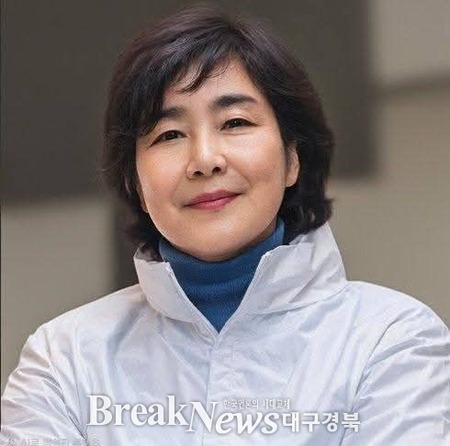
▲필자/ 정길선 박사 ©브레이크뉴스 |
푸틴 대통령과 대적한 러시아의 반 체제 인사이자 횡령 사기범인 알렉세이 나발니(Алексей Навальный)가 지난 16일 야말-네네츠 제 3교도소에서 사망했다. 푸틴과 맞서온 그의 인생을 함 조망해본다. 그는 1976년 생으로 모스크바 주 부틴이란 지역에서 태어났다. 그의 아버지 아나톨리 이바노비치 나발니(Анатолий Иванович Навальный)는 우크라이나 키예프 출신이고 어머니 류드밀라 이바노브나 나발나야(Людмила Ивановна Навальная)는 러시아 출신으로 그는 우크라이나계 러시아인인 셈이다. 나발니가 우크라이나에 호의적이었던 이유는 자신의 부친이 우크라이나인이기도 했고 본인도 우크라이나계라는 자부심도 갖고 있다.
2010년대 타스통신에서 한 나발니의 인터뷰를 본적이 있는데 자신은 러시아인으로 살고 있지만 한켠에는 우크라이나에 대한 애정을 갖고 있다 한다. 그리고 우크라이나에 대한 자신의 가계의 대한 내력에 대한 자부심을 갖고 있었다. 그래서 그는 친우크라이나계 인사였던 보리스 넴초프와 가깝게 지냈고 크림 합병에 대해 찬성하긴 했지만 당시 정치인으로써 나발니의 세력이 미미했기에 우선 자신의 인지도에 상처가 되지 않는 선에서 마무리 했던 것으로 보인다. 이는 2022년 러시아-우크라이나 전쟁에서 반전 시위 선동에서 보면 알 수 있는데 이 때도 푸틴 대통령을 비난하며 우크라이나에 대한 애정을 보여준 것만 보더라도 알 수 있다. 즉, 그는 대놓고 러시아인이면서 반러시아 행세를 했던 것이다.
나발니는 모스크바로부터 남서쪽으로 약 100KM 떨어진 오브닌스크에서 자랐으나, 어릴 때 여름에는 우크라이나에 있는 그의 할머니와 지냈다고 한다. 나발니는 본인 스스로 어린 시절을 회상했을 때, 키예프의 생활이 우크라이나에 대한 강한 애정을 갖게 되었다고 했었다. 그리고 그는 이례적으로 쉬꼴라를 모스크바에서 키예프로 옮겨 키예프에서 쉬꼴라를 졸업했다. 그는 몸과 국적만 러시아인이지 속 전체는 우크라이나인이었던 것이다. 그는 1993년 모스크바로 돌아와 러시아 민족 우호 대학교에 입학하여 1998년 법학학사학위를 취득했고 연방 지원 금융 대학에서 증권과 투자, 환전, 그리고 금융 경제를 공부했다.
당시 러시아의 입장에서 1998년 모라토리움 선언하는 등, 경제적으로 심각한 어려움을 겪고 있었기에 금융 경제에 대한 관심을 갖고 기존의 법학에서 금융경제학으로 잠깐 외유를 했던 것으로 보여 진다. 원래의 나발니의 성향은 좌파였다. 대학을 졸업하자마자 정계에 입문했고 2000년 진보주의와 사회, 녹색자유주의, 친유럽 성향이면서 대표적인 친서방 리버럴 정당인 야블로코(Яблоко)에 입당한다. 이 정당은 사유재산을 보호하고 동등한 기회를 보장하기 위한 정치, 경제에서의 공정한 경쟁을 지지하는 정당으로 외교적으로는 러시아의 유럽 연합 가입과 미국과의 우호관계 수립 등 서방과의 관계 강화를 주장하고 있는 정당이다.
여기서 활동한 나발니는 친서방 인사 및 미국의 정계권 인사들과도 접촉을 가지며 영어를 공부하기 시작했다. 나발니의 영어 실력은 러시아어 억양이 강하기는 하지만 단어 및 어휘선택이 탁월할 정도 유창했던게 이 때문이다. 그러나 그는 확실한 인종주의자이기도 했다. 2004년 나발니는 피부색이 다른 카프카스계 군인들을 바퀴벌레에 비유하며 “사람은 총으로 죽여야 하지만 바퀴벌레는 슬리퍼로 밟아 죽여야 한다.”고 인종차별적 발언을 서슴치 않았다. 그는 카프카스계 민족들을 매우 경멸했는데 카프카스 지역의 민족들이 러시아 경제권에 진입해 러시아인들의 취업에 문제가 생겼다는 것에서 이민족들을 매우 싫어한 것이다.
그는 2006년 반 외국인 성향을 띈 러시아인의 행진(Русский марш)을 승인해 줄 것을 모스크바 연방 특별시 시청에 청원하고 참관인 자격으로 이 시위에 참여했다. 말 그대로 성향 자체가 인종차별적인 면과 과격한 전체주의 나치의 성향을 그대로 갖고 있었다 보면 된다. 나발니는 카프카스, 중앙아시아, 그리고 동양인을 혐오했는데 러시아인의 행진(Русский марш) 자체가 그와 같은 성향을 띄고 있다. 즉, 유색인종 차별, 과도한 폭력성 자체의 광기 어린 모습을 갖고 있었더 것인데 이는 우크라이나인들이 당시 갖고 있던 유색인종에 대한 편견 및 무시, 차별, 폭력성과 일치한다고 볼 수 있겠다.
나도 당시 모스크바 마야꼽스까야에서 푸쉬낀스까야까지 러시아인의 행진(Русский марш) 시위 행렬에서 목소리 구호를 외치고 연설하며 독려하는 나발니를 본적이 있다. 당시 그를 가까이서 보지는 못했지만 연설하며 독려하는 표정과 그 제스처가 어딘가 많이 익숙한 모습이었다. 지금 생각해보니 아돌프 히틀러가 총통이 되기 전, 선동하는 그의 제스쳐와 참 많이 닮았다. 물론 그가 나치 성향을 갖고 있지만 네오나치는 아닌듯 싶다. 나치 표식을 몸에 새기지 않았고 나치라 할만한 어떠한 물건도 발견된적이 없기 때문이다. 그로 인해 나발니는 2007년 야블로코로부터 인종차별적, 민족주의적 활동 등으로 당의 규정에 위배되는 행위를 저질렀다며 제명 되어 버렸다.
야블로코 당에서 제명당한 이후에도 나발니는 '러시아인의 행진' 시위에 지속적으로 참가하면서 "러시아 인민해방운동(Национального Русского Освободительного Движения, НАРОД)" 정당을 창설했다. 그리고 2008년 남오세티아 전쟁이 발발하자 나발니는 극우로 돌아서 당시 대통령인 메드베제프와 푸틴 총리를 적극 지지했다. 그는 자신의 블로그에 '그루지야(현 조지아)에 대한 적극적 봉쇄조치가 필요하며 크루즈 미사일을 동원해 그루지야 참모 본부를 공격해야 하고 남오세티야 공화국 상공을 지나는 모든 항공기들을 격추시켜야 한다고 적어 논란을 일으킨다.
또한 나발니는 러시아 내에 있는 조지아인들을 "설치류 떼들(грызуны)"이라 비하하며 그들을 전부 추방해야 한다고 주장하였고 전쟁 이후에는 남오세티야 공화국과 압하지야 공화국을 독립국가로 인정해야 한다고 언급해 조지아 국민들의 분노를 샀다. 남오세티아 전쟁이 승리로 끝난 후, 그동안 공부한 금융경제학과 투자에 관한 전문성을 내세워 2008년 로스네프트, 가스프롬, 가스프롬 네프트, 루크오일, 그리고 수르구트네프트 가스, 이렇게 5개의 가스 회사 주식을 30만 루블 어치를 사들여 주주행동주의자로 성장하게 된다.
그는 회사들이 소유한 금융 재산의 투명성을 강조했지만 당시만 해도 러시아는 금융 관련 부패가 심각했었고 이 부분이 정치권과 연결되고 있었다는 것을 알고 있었기에 그 자료들을 모으기 시작한다. 특히 로스네프트, 가스프롬, 가스프롬 네프트 등에는 상위 직원들이 횡령과 회사 투명성을 차단하는 행위를 자행했고 이를 파악한 나발니는 주 정부의 부적절한 예산 지출과 부실한 주 정부 서비스 등을 지적하면서 연방 정부를 비판하기 시작한다. 이처럼 친서방 리버럴에 나치와 같은 전체주의적 성향, 서방 리버럴 인사들과 교류가 두텁고 반골 기질까지 있는 나발니를 주목한 것은 미국 정가였다.
그는 2010년 미국으로 들어가 비록 짧은 기간이었지만 예일 대학에서 World Fellows 프로그렘을 수행했다. 최근 미국 대통령 여섯 명 중 네 명이 예일 출신일 정도로 미국 정가와 뿌리 깊은 관계를 갖고 있던 예일 대학에서 나발니 수많은 리버럴 정가 인사들을 만났던 것으로 보인다. 그리고 러시아로 돌아와 가장 먼저 한 일은 푸틴을 비판하는 일이었다. 미국에서 어떠한 권유를 받았는지 알 수 없지만 이 때를 계기로 그는 철저히 반 체제, 반 푸틴 인사로 돌아서기 시작했다. 이 정도 설명했으면 충분히 눈치챘을 것이다.
그는 딥스테이트의 개가 되어 러시아로 돌아와 체제 전복을 꾀했던 것이다. 이 때부터 그가 가까워진 인물이 바로 보리스 넴초프다. 그는 넴초프의 지지를 받아 트랜스네프트 가스 회사의 비밀 회계 감사 자료를 공개한다. 이 때부터 그는 반 부패 활동을 시작한다. 행정상 필요한 물자 조달 등을 모든 러시아 정부가 온라인에 게시 및 공고하여 입찰을 하도록 하는 로스필 프로젝트를 촉구했다. 일반 개인이 도로에 있는 구멍들을 러시아 정부에 보고하고, 러시아 연방 정부가 불만사항들에 응답하게 한 로스야마 프로젝트도 진행했다. 그러한 행위는 러시아 우파 정당들의 공격을 불러왔고 결국 나발니는 러시아 인민해방운동 해산했다.
2011년 6월 로이터와 영어로 능숙하게 인터뷰 했는데 "푸틴의 정치 체제는 부패에 의해 매우 약화되고 있으며, 러시아 연방에서도 5년 이내에 아랍의 봄과 같은 반정부 데모 시위가 일어날 수 있다."고 말하며 러시아 내 반 정부 시위를 벌일 것임을 예고했다. 그리고 체제 개혁을 진행 중에 있던 푸틴의 모든 정책을 반대하며 이를 규탄하기 위해 여러 곳에서 지지자들을 모아 시위를 야기했다. 그로 인해 2018년까지 10차례나 행정구류(Административный арест)를 당해 총 192일 간 구금되기도 했다. 처음에 러시아 국민들은 그의 반 부패 조사 행위를 응원했다.
소련 해체 이후, 경제적 침체와 공무원들의 부패에 시달리고 있던 시민들의 지지는 갈수록 올라갔다. 여기에 힘을 받은 나발니는 여러 곳에서 후원을 받기 시작했으며 이것의 그의 몰락의 원인이 되었다. 그럼에도 나발니는 나치와 같은 전체주의적 성향은 그대로 갖고 있었는데 치과 의사로 변장해 외국인들을 '러시아 민족의 뿌리를 뒤흔드는' 충치에 비유하며 추방을 요구하는 영상을 올려 논란을 빚게 된다. 그런데 이 영상에 환호하는 지지자도 있었지만 반 부패 척결에 적극 찬성하는 시민들은 이 영상을 보고 나발니에 대한 지지를 철회하는 사람이 늘어나기 시작했다.
그러나 그럼에도 그는 당시에 상당한 인기를 끌었다. 그 인기를 토대로 보리스 넴초프가 있는 인민자유당(Партия народной свободы, PARNAS)에 입당했고 넴초프의 후원을 받아 2013년 나발니는 모스크바 시장 선거에 출마한다. 그는 선거 유세 과정에서 그의 인종차별적 발언 등이 도마에 오르자 블로그를 통해 '조지아인들을 설치류 떼라 비하한 것을 사과한다'고 말했으나 전쟁에 찬성했던 과거 행적에 대해서는 별다른 해명을 내놓지 않았다. 이에 조지아인들은 시장 선거가 아니면 그가 사과했을까?, 혹은 모스크바에 거주하는 조지아계 러시아인들의 표가 급했을 것이라 그를 조롱하기도 했다.
즉, 아무도 그의 사과를 진정성 있게 받아들이지 않았던 것이다. 그 이유는 남오세티아 전쟁에 찬성했던 것에 대해 해명도 하지 않았기 때문에 진정성이 없다 판단한 것이다. 게다가 그는 그 와중에도 중앙아시아 이민자에 대한 지원 중단을 요구하는 ‘코카서스 급식 중단' 캠페인에 깊숙이 관여했다. 그런 그를 카프카스 민족들 중 누가 진정성 있는 사과라 볼 수 있겠는가? 당시만 해도 이러한 인종차별이 모스크바 시장 선거에서 낙선한 원인이 되었다는 사실은 몰랐을 것이다.
선거가 시작되고 27.24%, 632,697표를 얻어 선전했지만 세르게이 소뱌닌에게 밀려 결국 큰 차이로 낙선했다. 물론 선전은 했지만 타 민족 러시아계 시민들이 소뱌닌에게 몰표를 던졌기 때문에 낙선한 것이었다. 그리고 그는 선거에 불복해 지지자들을 이끌고 시위를 조장해 또 다시 구류 조치를 당했고 2014년 12월 30일, 그는 프랑스 화장품 회사 이브 로셰의 러시아 연방 지사 등으로부터 3,100만 루블 (약 5억 9천만 원)을 횡령하여 사기 혐의로 기소되어 재판을 받게 된다. 그는 징역 3년 6개월 실형에 3년 6개월 집행유예까지 추가하여 7년 형을 받는다. 재판이 끝난 후, 러시아 연방 법원 건물 밖에 모여 있던 지지자들을 향해 "현 정권은 존재할 가치가 없으며 붕괴돼야 한다.
오늘 모두가 가두 시위에 나서 달라"고 촉구하며 내란을 조장했다. 그리고 집권 여당인 통합 러시아당을 '사기꾼들과 도둑놈들의 정당' 이라 비판했다. 2018년 러시아 대통령 선거에 출마할 의사를 보였으나, 2017년 12월 25일 러시아 연방 중앙선거관리위원회는 2014년의 횡령죄 판결에 따라 나발니의 출마 자격을 박탈하게 된다. 이에 나발니는 지지자들에게 대선 보이콧을 촉구하며 2018년 1월 28일 대대적인 시위를 예고했다. 그러나 해당 시위는 결국 불법으로 규정되어 그의 지지자들 상당수가 투옥되었다. lukybaby7@gmail.com
*필자/ 정길선.
노바토포스 회원, 역사학자, 고고인류학자, 칼럼니스트, 러시아 과학아카데미 유라시아 고고인류학연구소 연구교수.
*아래는 위 기사를 '구글 번역'으로 번역한 영문 기사의 [전문]입니다. '구글번역'은 이해도 높이기를 위해 노력하고 있습니다. 영문 번역에 오류가 있을 수 있음을 전제로 합니다.<*The following is [the full text] of the English article translated by 'Google Translate'. 'Google Translate' is working hard to improve understanding. It is assumed that there may be errors in the English translation.>
The impact of Alexei Navalny's life and death - Part 1
-Jeong Gil-seon, columnist
Alexei Navalny (Алексей Навальный), a Russian dissident and embezzlement fraudster who opposed President Putin, died at Yamal-Nenets Prison No. 3 on the 16th. Let's take a look at his life as he faced Putin. He was born in 1976 in the Butyn region of Moscow Oblast. His father, Anatoly Ivanovich Navalny, is from Kiev, Ukraine, and his mother, Lyudmila Ivanovna Navalnaya, is from Russia. He is a Ukrainian-Russian. The reason Navalny is friendly to Ukraine is because his father was Ukrainian, and he is also proud of being of Ukrainian descent.
I saw an interview with Navalny on Tass News Agency in the 2010s, and he said that although he lives as a Russian, he still has affection for Ukraine. And he was proud of his ancestral history in Ukraine. Therefore, he was close to Boris Nemtsov, a pro-Ukrainian figure, and although he supported the annexation of Crimea, Navalny's power as a politician at the time was minimal, so he seems to have concluded it in a way that did not damage his own reputation. This can be seen in the incitement of anti-war protests in the 2022 Russia-Ukraine war, and even this time, it can be seen just by criticizing President Putin and showing affection for Ukraine. In other words, he was openly Russian and acted anti-Russian.
Navalny grew up in Obninsk, about 100 kilometers southwest of Moscow, but reportedly spent his childhood summers with his grandmother in Ukraine. When Navalny himself recalled his childhood, he said that his life in Kiev developed a strong affection for Ukraine. And in an unusual move, he moved Shkola from Moscow to Kiev and graduated from Shkola in Kiev. He was Russian only in body and nationality, but Ukrainian on the inside. He returned to Moscow in 1993 and entered the People's Friendship University of Russia, earning a bachelor's degree in law in 1998, and studied securities, investments, currency exchange, and financial economics at the Federally Supported Financial University.
At the time, Russia was experiencing serious economic difficulties, including the declaration of a moratorium in 1998, so it appears that it took an interest in financial economics and briefly diverted from existing law to financial economics. Navalny's original inclination was leftist. As soon as he graduated from college, he entered politics, and in 2000, he joined Yabloko (Яблоко), a representative pro-Western liberal party with progressive, social, green liberal, and pro-European tendencies. This party supports fair competition in politics and the economy to protect private property and ensure equal opportunities. Diplomatically, it advocates strengthening relations with the West, including Russia's accession to the European Union and the establishment of friendly relations with the United States. It is a political party that exists.
Navalny, who worked here, came into contact with pro-Western figures and U.S. political figures and began studying English. This is why Navalny's English skills, although he has a strong Russian accent, were so fluent that his choice of words and vocabulary was outstanding. But he was also a definite racist. In 2004, Navalny did not hesitate to make racist remarks, comparing Caucasus soldiers with different skin colors to cockroaches and saying, “People should be killed with guns, but cockroaches should be killed by stepping on them with slippers.” He greatly despised the Caucasus peoples. He disliked them because they entered the Russian economic sphere and caused problems in employment for Russians.
In 2006, he petitioned the Moscow Federal City Hall to approve the anti-foreigner Russian March (Русский марш) and participated in the protest as an observer. It can be seen that his personality literally had the same racist and radical totalitarian Nazi tendencies. Navalny hated the Caucasus, Central Asia, and Orientals, and the Russian March (Русский марш) itself shows such tendencies. In other words, he must have had a crazy streak of discrimination against people of color and excessive violence, which can be seen as consistent with the prejudice, disregard, discrimination, and violence towards people of color that Ukrainians had at the time.
I also saw Navalny shouting slogans, giving speeches, and encouraging people during the Russian March (Русский марш) protest procession from Mayakskaya to Pushkinskaya in Moscow at the time. Although I didn't see him up close at the time, the encouraging facial expression and gestures he gave during his speech seemed very familiar. Now that I think about it, it is very similar to Adolf Hitler's agitating gestures before he became Führer. Of course, he has Nazi tendencies, but I don't think he's a neo-Nazi. This is because he did not have any Nazi markings on his body and no Nazi-related items were ever found. As a result, Navalny was expelled from Yabloko in 2007 for committing acts that violated the party's regulations through racist and nationalist activities.
Even after being expelled from the Yabloko Party, Navalny continued to participate in the 'Russian March' protests and founded the "Russian People's Liberation Movement" party. founded. And when the South Ossetian war broke out in 2008, Navalny turned to the far right and actively supported then-President Medvezev and Prime Minister Putin. He caused controversy by writing on his blog that 'an active blockade of Georgia (now Georgia) is needed, cruise missiles should be mobilized to attack the Georgian General Staff Headquarters, and all aircraft passing over the Republic of South Ossetia should be shot down.'
In addition, Navalny belittled Georgians in Russia by calling them "rodents" and insisted that all of them be expelled. He also mentioned that South Ossetia and Abkhazia should be recognized as independent countries after the war, which angered the Georgian people. bought . After the war in South Ossetia ended in victory, in 2008, using his expertise in financial economics and investment, he acquired stocks of five gas companies: Rosneft, Gazprom, Gazprom Neft, Lukoil, and Surgutneft Gas, worth 300,000 rubles. He purchased the company and grew into a shareholder activist.
He emphasized the transparency of financial assets owned by companies, but he knew that financial corruption was serious in Russia at the time and that this area was connected to the political world, so he began collecting data. In particular, high-ranking employees at Rosneft, Gazprom, and Gazprom Neft committed embezzlement and acts that blocked company transparency, and Navalny, who discovered this, began criticizing the federal government, pointing out the state government's inappropriate budget spending and poor state government services. do. In this way, it was the American political establishment that paid attention to Navalny, who has pro-Western liberals, Nazi-like totalitarian tendencies, strong interactions with Western liberals, and even a rebellious temperament.
He moved to the United States in 2010 and participated in the World Fellows Program at Yale University, albeit for a short period of time. It appears that Navalny met many liberal political figures at Yale University, which has a deep-rooted relationship with American politics, to the extent that four of the six recent US presidents graduated from Yale. And when he returned to Russia, the first thing he did was criticize Putin. It is unknown what kind of recommendation he received from the United States, but from this time on, he began to turn completely anti-establishment and anti-Putin. If I had explained it this way, you would have fully understood it.
He became a dog of the deep state and returned to Russia, attempting to overthrow the system. From this time on, the person he became close to was Boris Nemtsov. With Nemtsov's support, he discloses secret audit data of the Transneft gas company. From this point on, he began his anti-corruption activities. He called for the Rospil Project, which requires all Russian governments to submit bids for procurement of administratively necessary materials by posting and announcing them online. He also worked on the Rosyama Project, which required ordinary individuals to report potholes in roads to the Russian government and have the Russian federal government respond to complaints. Such actions drew attacks from Russian right-wing parties and eventually led to Navalny disbanding the Russian People's Liberation Movement.
In a fluent English interview with Reuters in June 2011, he said, "Putin's political system is very weakened by corruption, and anti-government protests like the Arab Spring could break out in the Russian Federation within five years." It was announced that anti-government protests would be held. And supporters gathered from various places to protest against all of Putin's policies that were in the process of reforming the system and to condemn them. As a result, he was detained 10 times until 2018, for a total of 192 days. At first, the Russian people cheered his anti-corruption investigative actions.
After the dissolution of the Soviet Union, support from citizens who were suffering from economic stagnation and corruption among public officials gradually increased. Encouraged by this, Navalny began receiving support from many sources, which became the cause of his downfall. Nevertheless, Navalny still had totalitarian tendencies like the Nazis, and he created controversy by disguising himself as a dentist and uploading a video calling for the deportation of foreigners, comparing them to cavities that 'shaken the roots of the Russian people'. However, although there were supporters who cheered this video, an increasing number of citizens who actively support the fight against corruption began to withdraw their support for Navalny after seeing this video.
But despite this, he was quite popular at the time. Based on his popularity, Navalny joined Boris Nemtsov's People's Freedom Party (Партия народной свободы, PARNAS), and with Nemtsov's support, Navalny ran for the Moscow mayoral election in 2013. When his racist remarks came to light during the election campaign, he said on his blog, 'I apologize for belittling Georgians by calling them a bunch of rodents,' but he did not provide any explanation for his past actions in favor of the war. In response, Georgians mocked him by asking, “Would he have apologized if it were not for the mayoral election?” or that he would have been in a hurry to get votes from Georgian-Russians living in Moscow.
In other words, no one accepted his apology sincerely. The reason is that he was judged to be insincere because he did not explain why he supported the war in South Ossetia. In addition, he was deeply involved in the ‘Stop Caucasus Feeding’ campaign, which called for an end to support for Central Asian immigrants. Who among the Caucasus peoples could view him as a sincere apology? At the time, it may not have been known that such racism was the cause of his defeat in the Moscow mayoral election.
When the election began, he did well, receiving 27.24%, or 632,697 votes, but was ultimately defeated by Sergei Sobyanin by a wide margin. Of course, he did well, but he lost because Russian citizens of other ethnic groups voted for Sobyanin. He then led his supporters to protest against the election and was detained again. On December 30, 2014, he embezzled 31 million rubles (approximately 590 million won) from the Russian branch of the French cosmetics company Yves Rocher. He is then indicted on fraud charges and is put on trial. He is sentenced to 7 years in prison with 3 years and 6 months in prison plus 3 years and 6 months probation. After the trial, he told supporters gathered outside the Russian Federal Court building: "The current regime does not deserve to exist and must fall.
He encouraged civil unrest by urging everyone to take part in street demonstrations today. He also criticized the ruling United Russia Party as a "party of fraudsters and thieves." He expressed his intention to run in the 2018 Russian presidential election. On December 25, 2017, the Central Election Commission of the Russian Federation disqualified Navalny from running following the 2014 embezzlement ruling, and on January 28, 2018, Navalny called on his supporters to boycott the presidential election. A protest was announced, but the protest was eventually declared illegal and many of his supporters were imprisoned.
*Writer/ Jeong Gil-seon.
Novatopos member, historian, archaeological anthropologist, columnist, research professor at the Institute of Eurasian Archeology and Anthropology of the Russian Academy of Sciences.