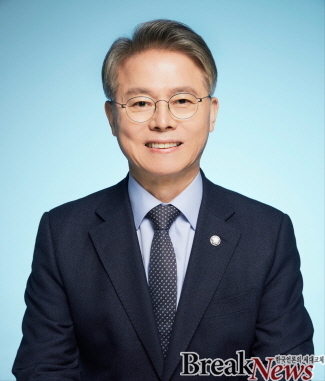
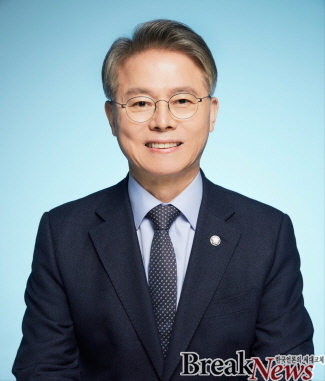
▲ 권기환 박사 ©브레이크뉴스 |
트럼프발 이른바 ‘관세전쟁’은 미국의 동맹국이든 적대국이든 경쟁국이든 가릴 것 없이 전방위적으로 국제 질서를 뒤흔들고 있다. 이에 맞서 지구촌 각국도 미국과의 무역 협상을 어떻게 할 것인지를 놓고 향후 정책 방향을 고심하고 있다. 표면상으로 미국과 서방의 관계가 과거처럼 강한 결속력을 강하게 보여주기보다 오히려 양쪽의 어느 정도의 분열로 이어질 가능성이 높다. 이와 반대로 오히려 서방에 맞서 결속력이 더욱 강화되는 듯한 상황도 나타난다. 외교가에서 ‘지옥의 연대’ – 자극적인 표현임에도 불구하고 – 라고 부르는 중국-러시아-북한(CRINK)은 ‘반서방 연대’라는 점에서도 일치하고 있으며, 러시아-우크라이나 전쟁에서 러시아에 대한 직접적 혹은 간접적 지원을 통해 향후 새로운 국제 관계에서 결속력을 강화할 것으로 보인다. 물론 이러한 관계는 러시아-우크라이나 전쟁이 어떤 방식으로 종결될 것인가에 따라 다소 느슨해질 수도 있겠지만, 아마도 근본적인 틀에 결정적인 영향을 주지 않을 것이다. 이러한 관계가 어느 정도인지는 아마도 5월 9일 러시아 전승절 행사에 관련국들의 참석 여부로 판단해 볼 수 있을 것이다.
여기에서 중요한 지점은 북한이 러시아와 밀착한 이후에 외교적 무대에서 중요한 한 축으로 등장했다는 점이다. 북한은 러시아에 지상군을 파병함으로써 – 비록 러시아와 북한이 공식적으로 북한의 파병을 인정하지 않고 있더라도 – 러시아로부터 이에 대한 대가를 받음으로써 자신의 취약점을 보완할 것이다. 그렇게 되면 중국도 이에 맞춰 북한에 대한 지원도 어느 시점에서 할 것인데, 그 시점은 아마도 러시아-우크라이나 전쟁 이후에 될 것이다. 중국이 이렇게 나올 수 있는 명분이란 중국의 동해를 통해 태평양으로의 진출일 것이다. 물론 중국은 동남아시아와의 관계도 강화할 것이지만, 아무래도 동남아시아를 통한 태평양 진출은 대만과 필리핀 그리고 일본 그리고 그 뒤에 미국이 있어서 부담감이 클 수밖에 없다. 오히려 이것보다는 중국의 입장은 북러 밀착에 따라 북한과의 소원한 관계를 복원하는 것이 더 이익일 것이다. 다만 그것이 어떤 방식으로 될 것인지는 북한의 태도에 달려 있다는 점에서 향후 좀 더 지켜볼 일이다.
이란이 서방의 경제적 제재에도 불구하고 버팀목이 된 것은 중국에 대한 원유 수출이라 하겠다. 또 러시아에 각종 드론 무기를 제공함으로써 이란의 존재감은 확인되었고, 이에 상응해서 러시아는 이란에 첨단무기를 제공할 것인데, 특히 이스라엘의 공습에 취약한 최첨단 미사일 방어 시스템과 전투기 등이 될 것이다. 이스라엘이 직접 이란과 전면전을 대규모로 할 수 없는 것은 뒤에 러시아가 있기 때문이기도 하지만, 호르무즈 해협 봉쇄라는 비장의 카드도 갖고 있기 때문이다. 그러나 이것만으로 이란이 중동에서 자신의 목소리를 내기에는 현실적으로 충분하지 않다. 따라서 이란은 중국과 러시아로부터 기존보다 확고한 지원이 필요했는데, 중국에 대해 원유의 안정적 공급과 대규모 투자도 체결했으며, 러시아와도 포괄적-전략적 동반자 협정을 맺었다.
그런데 이란은 북한에 대해 아직 뚜렷한 관계를 증진할 만한 것이 없고, 북한도 마찬가지다. 이러한 관점에서 보면 ‘지옥의 연대’는 아직 완결된 것이 아니라고 하겠다. 북한은 굳이 이란으로부터 원유를 수입할 필요가 없고, 군사적으로도 협력을 강화할 뚜렷한 동기가 없다. 그럼에도 불구하고 북한과 이란이 협력할 가능성이 남아 있는데, 이것은 아마도 두 가지일 것이다. 하나는 러시아-우크라이나 전쟁에서 보여준 북한의 군사력, 특히 북한의 지상군과의 군사적 협력이고, 다른 하나는 핵 협력 부분이다. 여기에서 우려되는 부분은 러시아가 이러한 문제에서 핵과 관련된 기술을 우회적으로 북한과 이란에 제공할 수 있다는 점이다. 어쩌면 이것은 미국과 이란의 핵 협상의 결과에 따라 어느 정도 가늠해 볼 수 있을 것이다. 물론 현재 북한 문제는 미국의 트럼프 현 정부에서 후 순위로 밀려나 있기는 하지만, 향후 국제정세에 따라 언제든 이슈로 떠오를 수 있다.
중국-러시아-이란-북한의 구도는 각국의 이해관계에 따라 윈-윈 전략에서 나온 것이기는 하지만, 또 다른 변수도 내재하고 있다. 러시아와 중국이 관세전쟁으로 미국과 유럽의 갈라진 틈을 노리고 유럽 각국과 관계 개선을 어느 정도라도 하면 상대적으로 이란과 북한은 러시아와 중국으로부터 다소 느슨하게 될 수 있다는 점이다. 그렇게 되면 미국이 이란이든 북한이든 관계 개선을 할 명분이 주어질 수 있겠지만, 과연 실현될 수 있을지는 현재로선 알 수 없다. 그런데 이렇게 되면 동북아에서는 한국-중국-일본의 관계도 새로운 국면을 맞이하게 될 것이다. 한국이 이때 반드시 전제되어야 할 것이 있다. 그것은 바로 남북 관계라 하겠는데, 남북 관계가 별다른 진전 없이 동북아 3국의 구도에서 한국의 목소리가 상대적으로 작아질 수밖에 없다는 점이다. 더욱이 이러한 관계는 미국발 관세정책에 대한 대응이라는 일시적 방편으로 나온 것이기 때문에 뚜렷한 성과를 기대하기는 어렵다.
미국은 한일 공조와 더불어 쿼드(QUAD: 미국-일본-인도-호주 4자 안보협의체)뿐만 아니라 오커스(AUKUS, 미국-영국-호주 3각 동맹)를 통해 대중국 봉쇄에 집중했지만, 이에 맞서 중국은 파키스탄과 동남아시아에 대한 영향력을 확대하면서 태평양으로의 진출을 모색하고 있다. 하지만 트럼프 정부가 들어서면서 한국-미국-일본, 쿼드와 오커스가 제대로 역할을 할지는 매우 불투명하다. 현재 상황에서 중국-러시아-이란-북한의 구도는 미국 주도의 쿼드와 오커스, 한국-일본의 구도와 한국-중국-일본의 구도보다 다소 결속력이 있어 보이는 것은 사실이다. 그러나 국제 관계는 각국의 국익에 따라 얼마든지 달라질 수 있다. 그 때문에 어느 구도이든 고착화에 기대는 것은 자칫하면 복잡한 국제 관계에 제대로 대응하지 못하고 강대국들에 의한 힘의 논리에 휘둘리게 될 수 있다. 그렇게 되지 않기 위해서라도 우리는 변화하는 글로벌한 국제정세에 관심을 가져야 하고, 외교적 역량을 실질적으로 강화할 필요가 있으며, 복잡한 국제정세를 통해 국익을 위해 무엇을 할 것인지, 어떻게 할 것인지를 고민하고 복잡하게 얽힌 실타래를 풀 수 있는 혜안과 거시적 안목이 요구된다.
이러한 결속은 분명히 한국에도 영향이 적지 않을 것이지만, 그렇다고 해서 이를 냉정하게 인식하고 대응하기보다는 감정적으로 즉각 반응하는 것은 한국의 국익에 전혀 도움이 되지 않는다. 왜냐하면 변화무쌍하면서도 냉혹한 국제 질서는 감정적 대응으로는 아무런 실익을 가져다주지 못하기 때문이다. 한국은 지정학적 리스크를 스스로 지니고 있어서 선택의 폭이 매우 좁을 뿐만 아니라 북한과 국경을 맞대고 있다는 점에서 북한의 존재를 의식하지 않을 수 없다. 북한이 중국보다 러시아를 선호하는 것은 북한-중국의 관계가 북한에 별다른 이익을 가지고 오지 못했다는 현실적 판단이 깔려 있다. 북한의 러시아의 밀착은 중국에 지나치게 기대는 것보다는 줄타기 외교로 나름대로 생존의 법칙을 마련하고 있다고 할 것이다. 이러한 북한의 태도는 한국도 마찬가지로 대중국 관계에서 표리부동(表裏不同)에 따른 외교술이 필요함을 절실히 보여준다. 어쩌면 그래야만 한국의 선택 폭이 그나마 다소 넓혀질 수 있을 것이다.
이러한 상황에서 한국이 선택할 수 있는 카드는 무엇일까? 바로 그것은 동남아라고 하겠는데, 미국이든 중국이든 동남아의 전략적 가치가 있는 만큼, 한국도 동남아 각국과 협력을 강화해야 한다. 이렇게 되면 한국은 동북아에서 동남아까지 아우르게 되고, 그것은 한국에도 도움이 될 것이다. 여기에서 가장 중요한 국가는 베트남이라 하겠다. 베트남의 반중국적 정서는 한국과 베트남이 대중 관계에서 서로 협력할 수 있으며, 서로 국익에도 도움이 된다.
중국-러시아-이란-북한의 관계가 최근 강화되는 것은 ‘신냉전’이라는 것의 새로운 버전으로 규정되기보다 오히려 서방의 제재에 대한 일종의 자국책이라는 점에 나온 것이다. 즉 최선의 방어막을 치는 것이라는 점을 기억할 필요가 있다.
*필자/권기환
철학박사. 동국대에서 석사학위를, 독일 지겐대 제 1학부(역사-철학과)에서 철학박사학위(Dr. phil.)를 취득했다. 경희대, 경기대, 명지대, 상명대, 강남대, 홍익대 등에서 강의를 했다. 현재는 가천대에서 강의를 하고 있다. 주요 관심사는 독일 관념론, 독일 초기 낭만주의, 프랑스 현상학, 해석학, 동서 비교 철학 등이다. 한국 헤겔학회, 한국칸트학회, 한국해석학회, 한국 현상학회(전 정보이사), 서양 근대철학회 등에서 활동하고 있다.
*아래는 위 기사를 '구글 번역'으로 번역한 영문 기사의 [전문]입니다. '구글번역'은 이해도 높이기를 위해 노력하고 있습니다. 영문 번역에 오류가 있을 수 있음을 전제로 합니다.<*The following is [the full text] of the English article translated by 'Google Translate'. 'Google Translate' is working hard to improve understanding. It is assumed that there may be errors in the English translation.>
The so-called ‘tariff war’ initiated by Trump is shaking up the international order in all directions, regardless of whether it is an ally, enemy, or competitor of the United States. In response, countries around the world are also considering future policy directions on how to negotiate trade with the United States. On the surface, the relationship between the United States and the West is more likely to lead to a certain degree of division between the two sides rather than showing strong solidarity as in the past. On the contrary, there are situations where solidarity against the West seems to be strengthening. China-Russia-North Korea (CRINK), which diplomats call the ‘hell alliance’ – despite the provocative expression – also has the same meaning as the ‘anti-Western alliance’, and it seems that solidarity will be strengthened in new international relations in the future through direct or indirect support for Russia in the Russia-Ukraine War. Of course, this relationship may loosen up somewhat depending on how the Russia-Ukraine War ends, but it will probably not have a decisive impact on the fundamental framework. The extent of this relationship can probably be judged by the attendance of the relevant countries at the Russian Victory Day celebrations on May 9.
The important point here is that North Korea has emerged as an important axis on the diplomatic stage since it became close to Russia. By sending ground troops to Russia – even though Russia and North Korea do not officially recognize North Korea’s dispatch – North Korea will compensate for its vulnerability by receiving compensation from Russia. Then, China will also support North Korea at some point, which will probably be after the Russo-Ukrainian War. The justification for China to do this is to advance into the Pacific Ocean through the East Sea. Of course, China will also strengthen its relations with Southeast Asia, but it is inevitable that advancing into the Pacific Ocean through Southeast Asia will be burdensome because there are Taiwan, the Philippines, Japan, and the United States behind it. Rather, China’s position would be more beneficial to restore its distant relationship with North Korea by becoming close to North Korea and Russia. However, it remains to be seen how this will be done, as it depends on North Korea’s attitude.
Iran’s support despite economic sanctions from the West is its crude oil exports to China. Iran’s presence has been confirmed by providing various drone weapons to Russia, and in return, Russia will provide Iran with advanced weapons, especially advanced missile defense systems and fighter jets that are vulnerable to Israeli air strikes. Israel cannot directly engage in a large-scale all-out war with Iran because it has Russia behind it, but it also has the trump card of blocking the Strait of Hormuz. However, this alone is not realistically enough for Iran to make its voice heard in the Middle East. Therefore, Iran needed more solid support from China and Russia than before, and it signed a stable crude oil supply and large-scale investment agreement with China, and a comprehensive strategic partnership agreement with Russia.
However, Iran has nothing to promote a clear relationship with North Korea, and the same goes for North Korea. From this perspective, the ‘hell alliance’ is not yet complete. North Korea does not necessarily need to import crude oil from Iran, and there is no clear motivation to strengthen military cooperation. Nevertheless, there is still a possibility that North Korea and Iran will cooperate, and this is probably due to two factors. One is North Korea’s military power, especially military cooperation with North Korea’s ground forces, as demonstrated in the Russia-Ukraine War, and the other is nuclear cooperation. The concern here is that Russia could indirectly provide nuclear-related technology to North Korea and Iran in this matter. Perhaps this can be gauged to some extent based on the results of the nuclear negotiations between the United States and Iran. Of course, the North Korea issue is currently being pushed to the back burner under the current Trump administration, but it could emerge as an issue at any time depending on the future international situation.
The China-Russia-Iran-North Korea structure is a win-win strategy based on the interests of each country, but it also contains another variable. If Russia and China take advantage of the gap between the United States and Europe due to the tariff war and improve relations with European countries to some extent, Iran and North Korea could relatively loosen up somewhat from Russia and China. If that happens, the United States could have a justification to improve relations with either Iran or North Korea, but it is currently unclear whether this will actually happen. However, if this happens, the relationship between Korea, China, and Japan in Northeast Asia will also enter a new phase. There is something that Korea must presuppose at this time. That is, the relationship between the two Koreas. If there is no significant progress in the relationship between the two Koreas, Korea’s voice will inevitably be relatively small in the structure of the three countries in Northeast Asia. Furthermore, since this relationship was created as a temporary measure in response to the tariff policy from the United States, it is difficult to expect any significant results.
In addition to cooperation between Korea and Japan, the United States has focused on blocking China through the Quad (QUAD: the U.S.-Japan-India-Australia quadrilateral security consultative body) and the AUKUS (the U.S.-UK-Australia trilateral alliance), but in response, China is seeking to expand its influence in Pakistan and Southeast Asia and advance into the Pacific. However, with the Trump administration coming to power, it is very unclear whether Korea-U.S.-Japan, the Quad, and the AUKUS will play their proper roles. In the current situation, it is true that the China-Russia-Iran-North Korea structure seems somewhat more cohesive than the US-led Quad and Okus, Korea-Japan structure, and Korea-China-Japan structure. However, international relations can change at any time depending on the national interests of each country. Therefore, relying on any structure to become fixed can easily lead to not being able to properly respond to complex international relations and being swayed by the logic of power by the great powers. In order to avoid that, we need to pay attention to the changing global international situation, practically strengthen our diplomatic capabilities, and consider what to do and how to do it for our national interests through the complex international situation, and we need the insight and macroscopic perspective to unravel the complexly tangled threads.
This cohesion will certainly have a significant impact on Korea, but it does not help Korea’s national interests at all to immediately react emotionally rather than calmly recognize and respond to it. This is because the ever-changing and cold-blooded international order does not bring any practical benefit to emotional responses. South Korea has its own geopolitical risks, so its range of choices is very narrow, and it cannot help but be aware of North Korea’s existence because it shares a border with North Korea. The fact that North Korea prefers Russia over China is based on the realistic judgment that the North Korea-China relationship has not brought much benefit to North Korea. North Korea’s close relationship with Russia can be said to be establishing its own rules for survival through tightrope diplomacy rather than relying too much on China. This attitude of North Korea shows that South Korea also desperately needs a diplomatic technique based on inconsistency in its relations with China. Perhaps only then can South Korea’s range of choices be expanded somewhat.
In this situation, what card can South Korea choose? It is Southeast Asia. Since Southeast Asia has strategic value, whether it is the United States or China, South Korea should also strengthen cooperation with each Southeast Asian country. If this happens, South Korea will be able to encompass Northeast Asia and Southeast Asia, which will also be helpful to South Korea. The most important country here is Vietnam. Vietnam's anti-Chinese sentiment can help South Korea and Vietnam cooperate with each other in their relations with China, and it is also beneficial to each other's national interests.
The recent strengthening of China-Russia-Iran-North Korea relations is not a new version of the 'new cold war', but rather a kind of national strategy against Western sanctions. In other words, it is necessary to remember that it is the best defense.