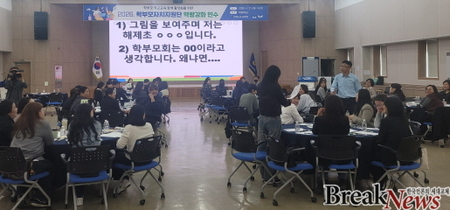
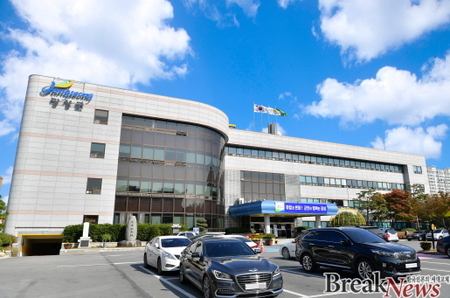
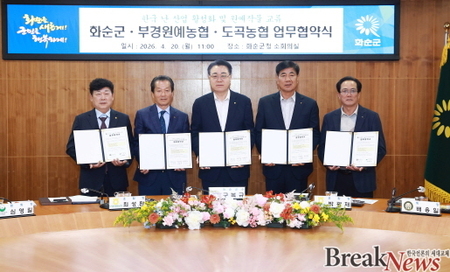
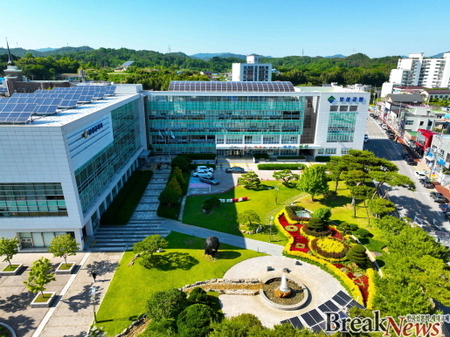
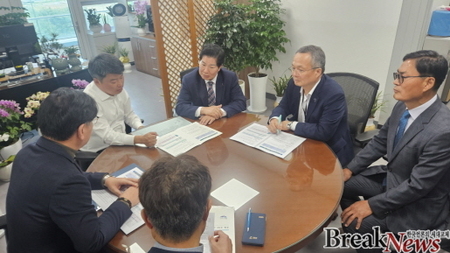
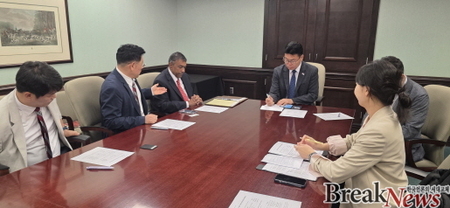
▲ 동부권 3개시가 지난달 30일 여·순·광 행정협의회에서 ‘광양만권 경제위기 극복과 지속가능한 발전을 위한 공동 선언’을 발표했다. |
전남 동부권 3개시가 지난달 30일 여·순·광 행정협의회에서 '광양만권 경제위기 극복과 지속가능한 발전을 위한 공동선언'을 발표했다.
선언의 핵심은 산업 위기 공동대응과 광역교통망 확충, 관광·의료 인프라 연계 강화로 지속 가능한 발전을 꾀한다는 것이다.
13일 순천시에 따르면 이번 선언을 통해 여·순·광 3개시는 최근 직면한 산업위기를 돌파하고 기존 행정통합의 한계를 넘어선 유연한 협력 모델을 만들어 나가기로 했다.
◇ 광양만권 경제위기라는 공동숙제 여·순·광이 함께 푼다
당시 3개시의 공동선언에는 2030년 전라선 고속화와 경전선 전철화에 따른 인구유출에 대비, 관광·문화·의료 등 다양한 분야에서 생활인구 확대와 정주인구 전환에 공동으로 협력하고 지역 상공회의소 등과 함께 지속가능한 공동 경제생활권을 구상해 나간다는 내용이 담겼다.
특히 이번 선언의 직접적인 배경은 최근 전남 동부권이 직면한 산업 위기다. 2024년 여수는 석유화학 산업의 침체로 지난해 대비 지방세 수입이 1,100억 원 이상 줄었다.
광양 역시 포스코의 지방세 납부액이 2년 새 70% 이상 감소하는등 세수 급감을 겪고 있다.
순천시는 이들 도시와 30분 거리로생활권을 밀접하게 공유하고 있으며 관외로 출퇴근하는 시민 다수가 여수·광양 산단에 직장을 두고 있는 만큼 이러한 경제 위기를 동부권 공동의 과제로 인식하고 광역 차원에서 대응하자는 취지에서 이번 선언을 제안한 것으로 알려졌다.
◇ 노관규 순천시장 "경제동맹에서 순차적으로 도시연합까지 발전시키자"
이번 공동선언은 전국적으로 확산 중인 메가시티 추진 흐름과 맞닿아 있다.
일반적으로 메가시티란 인구 1,000만 명 이상의 거대 도시를 의미하지만 국내에서는 권역별 거점 도시를 중심으로 생활권과 경제권을 공유하는 공간정책으로 확장적용되고 있다.
현재 국내에서는 부울경 메가시티(부산·울산·경주), 호남 메가시티(광주·전남·전북) 등 경제동맹을 비롯해 특별지방자치단체, 행정통합 등 지역 특성에 맞는 자치권 확대와 혁신정책이 추진 중이다.
특히 지난해 12월에는 대전·세종·충남·충북 4개 시·도가 기존 행정구역은 유지한 채 특정 광역 사무를 공동 처리하는 특별지방자치단체 ‘충청광역연합’을 출범시키기도 했다.
순천시는 이번 행정협의회의 공동선언에서 한발 더 나아가 이들 사례처럼 행정구역은 유지한 채공동의 경제·생활권 과제를 해결해나가는 ‘경제동맹’모델을 우선적으로 추진하고 중장기적으로 도시연합 형태의 ‘특별지방자치단체’로 발전시켜야 한다는 구상을 제안하기도 했다.
◇ 순천시, 대선 대비 영호남 아우를 메가시티 전략 제안
순천시가 이와 같은 구상을 내놓은 까닭은 광역 차원의 도시 간 협력이 비단 경제위기 타파만이 아니라 지역의 열악한 의료 여건을 개선하기 위해서도 절실하기 때문이다.
올해 순천시가 실시한 ‘지역 의료이용실태 조사’에 따르면 순천 소재 의료기관을 이용하는 심근경색 환자의 67.4%, 분만환자의 50.4%가 순천 외 시민인 것으로 드러났다.
특히 신생아 중환자실의 경우 전남 동서부권을 넘어 광주 의료권에 속하는 곡성, 경남 남해와 하동등에서도 순천으로 ‘의료원정’을 온다.
순천이 전남에서 가장 먼저 시작한 야간소아 의료체계인 달빛어린이병원 또한 이용자의 33%가 순천 외 지역 거주자다. 순천시가 호남을 넘어 영남까지 아우르는 의료거점역할을 수행하면서 생활권을 공유하고 있다는 방증이다.
순천시는 향후 지역도시가 생존하기 위해서는 정치적 이해관계나 행정 간의 장벽을 넘어 이러한 실생활권 중심의 메가시티 실현과 의료인프라 거점 조성이 필수적이라고 판단하고 제21대 대선 대비 영호남 통합을 실현할 공약으로 전남의과대학 설립과 공공어린이 재활의료센터 건립을 각 당에 제안한 바 있다.
이러한 공약이 현실화되기 전까지 발생하는 의료공백에 대해서는 지역완결형 의료체계를 서둘러 구축해 대응하기로 했다.
노관규 순천시장은 "동부권 경제동맹과 메가시티 제안이 전남에 새로운 활력을 불러일으키고 영호남의 지역소멸위기를 극복해 낼 ‘신의 한 수’가 될 것으로 기대된다"고 말했다.
[아래는 구글로 번역한 영문기사 전문입니다. 영문번역에 오류가 있을 수 있음을 전제로 합니다. Below is the full English article translated by Google. It is assumed that there may be errors in the English translation.]
The three cities in the eastern part of Jeollanam-do announced the ‘Joint Declaration for Overcoming the Economic Crisis and Sustainable Development of the Gwangyang Bay Area’ at the Yeo, Sun, and Gwang administrative council on the 30th of last month.
The core of the declaration is to seek sustainable development by jointly responding to the industrial crisis, expanding the metropolitan transportation network, and strengthening the connection between tourism and medical infrastructure.
Through this declaration, the three cities of Yeo, Sun, and Gwang decided to overcome the recent industrial crisis and create a flexible cooperation model that goes beyond the limitations of existing administrative integration.
◇ Yeo, Sun, and Gwang solve the common task of the Gwangyang Bay Area economic crisis together
At that time, the three cities’ joint declaration included the content that they would jointly cooperate in expanding the living population and converting the settled population in various fields such as tourism, culture, and medical care in preparation for the population outflow due to the high-speed Jeolla Line and the electrification of the Gyeongjeon Line in 2030, and envision a sustainable joint economic living zone together with local chambers of commerce and industry.
In particular, the direct background of this declaration is the recent industrial crisis faced by the eastern part of Jeollanam-do. In 2024, Yeosu's local tax revenue decreased by more than 110 billion won compared to last year due to the slump in the petrochemical industry. Gwangyang is also experiencing a sharp decline in tax revenue, with POSCO's local tax payment decreasing by more than 70% in two years.
Suncheon City is known to have proposed this declaration with the intention of recognizing this economic crisis as a common task for the eastern part of the country and responding at a metropolitan level, as it closely shares a living area with these cities, 30 minutes away, and many citizens who commute from outside the city have jobs in the Yeosu-Gwangyang industrial complex.
◇ Suncheon Mayor Noh Gwan-gyu: "Let's develop from an economic alliance to a city union in sequence"
This joint declaration is in line with the trend of promoting megacities that is spreading nationwide. Generally, a megacity refers to a large city with a population of more than 10 million, but in Korea, it is being applied as a spatial policy that shares living areas and economic zones centered on regional hub cities.
Currently, in Korea, economic alliances such as the Busan-Ulsan-Gyeongju Megacity (Busan, Ulsan, Gyeongju) and the Honam Megacity (Gwangju, Jeonnam, Jeonbuk) as well as special local governments and administrative integration are being promoted to expand autonomy and innovate policies that are suited to regional characteristics.
In particular, in December last year, the four cities and provinces of Daejeon, Sejong, Chungnam, and Chungbuk launched the ‘Chungcheong Metropolitan Union’, a special local government that jointly handles specific metropolitan affairs while maintaining existing administrative districts.
In the joint declaration of this administrative council, Suncheon City went a step further and proposed a plan to prioritize the ‘economic alliance’ model that solves common economic and living sphere issues while maintaining administrative districts, like these cases, and to develop it into a ‘special local government’ in the form of a city union in the mid- to long-term.
◇ Suncheon City proposes megacity strategy to encompass Yeongnam and Honam in preparation for presidential election
The reason Suncheon City came up with this plan is because cooperation between cities at the metropolitan level is essential not only to overcome the economic crisis but also to improve the poor medical conditions in the region.
According to the ‘Regional Medical Utilization Survey’ conducted by Suncheon City this year, 67.4% of myocardial infarction patients and 50.4% of delivery patients using medical institutions in Suncheon were citizens from outside Suncheon.
In particular, in the case of neonatal intensive care units, ‘medical expeditions’ come to Suncheon from Gokseong, Namhae, and Hadong in Gyeongnam, which are part of the Gwangju medical zone, beyond the eastern and western regions of Jeollanam-do.
33% of users of Moonlight Children’s Hospital, the first nighttime pediatric medical system in Jeollanam-do, are residents from outside Suncheon. This is evidence that Suncheon City is sharing a living zone while serving as a medical hub that encompasses Yeongnam beyond Honam.
Suncheon City judged that in order for regional cities to survive in the future, it is essential to realize a megacity centered on real-life areas and establish a medical infrastructure base that goes beyond political interests and administrative barriers. As a pledge to realize the integration of Yeongnam and Honam in preparation for the 21st presidential election, it proposed the establishment of Jeonnam Medical College and the establishment of a public children's rehabilitation medical center to each party.
It was decided to respond to the medical gap that occurs until these pledges are realized by quickly establishing a regional complete medical system.
Mayor Noh Gwan-gyu of Suncheon City said that the eastern economic alliance and megacity proposal are expected to be a 'master stroke' that will bring new vitality to Jeonnam and overcome the regional extinction crisis of Yeongnam and Honam.
원본 기사 보기:브레이크뉴스전남동부