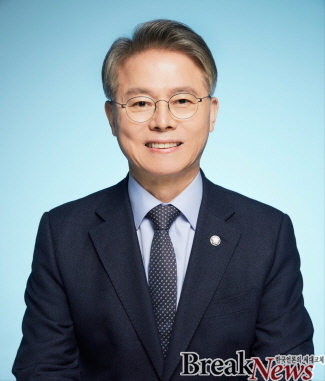
▲필자/ 이양승 군산대 교수. ©브레이크뉴스 |
이재명 후보의 ‘호텔 경제론’이 논란을 일으키고 있다. 경제 원론만 알아도 그 주장의 허구성을 지적할 수 있다. 쉽게 설명하기 위해, 소설 ‘로빈슨 크루소’를 생각해보자. 그 소설은 경제성장에 대해 귀중한 통찰을 제공한다.
무인도에서 크루소의 삶은 전형적인 ‘1인 자급자족경제’다. 즉, 그 무인도 내에서 크루소는 생산자이면서 동시에 소비자인 것이다. 그는 과일 물고기 등과 같은 식량을 스스로 구해야 한다. 음식을 먹는 게 ‘소비’다. 그가 먹는 음식의 양은 그가 선택한 노동시간에 달렸다. 그게 생산요소 투입이다. 그 노동시간에 따라 휴식시간도 정해진다. 휴식시간이 늘면, 편하지만 먹을 수 있는 음식의 양도 줄어든다. 노동시간이 늘면, 더 많은 음식을 먹겠지만 행복감이 줄어든다.
더 놀면서, 같은 양의 음식을 먹을 수 없다. 크루소가 기술이 있으면, 더 놀면서 더 많은 양의 음식을 먹는 게 가능하다. 예를 들어, 크루소가 작살 또는 그물을 개발하면 고기를 더 쉽게 잡을 수 있다. 사다리를 만들면, 과일을 더 쉽게 딸 수 있다. 그 경우, 크루소는 같은 시간을 일해도 더 많은 산출을 얻을 수 있다. 그렇게 수렵과 채집 과정이 거듭되며, 경험과 지식이 쌓이고 생산성이 향상되는 것이다. 섬의 환경도 산출량에 영향을 미친다. 알맞는 강수량과 일조량이 있으면 과일이 더 많아지고, 수온에 따라 물고기 수도 많아질 수 있다.
국가경제가 돌아가는 방식도 크루소의 섬과 비슷하다. 크루소가 활용하는 작살 그물 사다리 같은 도구들은 산출량 증가를 위해 ‘물적자본’ 역할을 한다. 그가 익힌 경험과 지식은 ‘인적자본’ 역할을 한다. 강수량, 일조량, 수온 등은 경제 ‘외부성’으로 작용한다.
크루소가 먹거리를 저장하는 건 저축이다. 저축은 소비를 자제하는 결과다. 그 날의 소비를 자제한 결과 그 다음날 식량을 구하러 다니는 수고로움을 덜 수 있다. 시간도 아낄 수 있다. 그 시간을 ‘투자’해 더 좋은 작살, 그물, 사다리 등을 만들 수 있고, 사색을 통해 새로운 아이디어를 창출할 수 있다. 즉, ‘물적 자본’과 ‘인적자본’이 축적되면 크루소는 미래에 더 많은 산출과 더 많은 소비를 즐길 수 있다.
크루소는 식량을 더 쉽게 구할 수 있기에 더 많은 시간 확보가 가능해진다. 시간과 자본을 활용, 자신이 사는 섬을 더욱 살기 좋은 공간으로 만들 수 있다. 섬이 ‘선진화’되는 것이다. 즉, 저축과 투자가 경제성장의 바탕이 된다. 지금까지 이야기를 바탕으로, 몇 가지 경제 개념들을 정의해볼 수 있다.
먼저, ‘재화’와 ‘서비스’다. 돈 주고 사는 건, ‘재화’와 ‘서비스’ 둘 중에 하나다. 크루소처럼 무인도에 혼자 살아도 의식주는 기본이다. 그 무인도에 사람들이 많아진다고 해보자. 똑똑한 사람들이 많아지고 더 많은 걸 만들어낼 것이다. 그 결과, 사람들은 더 좋은 걸 쓰고 더 맛있는 걸 먹는다. 나아가 문화 상품도 생기게 된다. 쉽게 말하면, 돈을 주고 사는 것 중에 형태가 있는 게 ‘재화’고 형태가 없는 게 ‘서비스’라고 할 수 있다. 그 ‘재화’와 ‘서비스’ 소비를 통해 느껴지는 행복감을 ‘효용’이라고 표현한다.
‘잠재 GDP’는 ‘잠재산출량’이라고도 하는데 그 국가 내 가용 자원, 노동과 자본, 모두를 활용해 만들어낼 수 있는 재화와 서비스의 총량을 의미한다. ‘명목 GDP’는 그 나라의 최종생산물에 가격을 곱한 것이다. 예를 들어, 그 나라가 한 해 동안 쌀 100 포대 사과 100 상자를 생산했고, 쌀 1 포대 가격은 1000원 사과 1상자 가격은 500원이라고 가정해보자. 이 경우, 그 나라의 그해 명목 GDP는 ‘100*1000 + 100*500 = 100,000 + 50,000 = 150,000원’이 된다. ‘실질 GDP’는 가격을 빼고 오직 산출만을 기준으로 한다. 즉, 쌀 100 포대와 사과 100 상자를 의미한다.
중요한 건 ‘경제성장률’이다. 경제성장률을 따지려면 기준연도가 필요하다. 이때, 기준연도의 물가를 바탕으로 실질 GDP를 계산할 수 있다. 예를 들어, 위의 경우에 쌀 생산이 120 포대로 늘고 사과 생산이 110 상자로 늘었다고 가정하자. 그리고 쌀 가격과 사과 가격이 두 배 상승했다고 가정하자. 이때, ‘명목 GDP’는 ‘120*2000 + 110*1000 = 240,000 + 110,000 = 350,000’이 된다. ‘실질 GDP’는 가격변동을 고려치 않기에 ‘120*1000 + 110*500 = 120,000 + 55,000 = 175,000’가 된다. 그렇게 ‘실질 GDP’가 증가하는 것을 ‘경제성장’이라고 한다. 즉, 경제성장은 생산능력의 신장을 뜻한다.
생산능력 신장을 위해서는 기술진보, 자본축적 또는 인적자본의 질적 향상이 필요하다. 현대에 들어 인적자본의 질적 향상이 많이 강조된다. 그 질적 향상은 주로 교육을 통해 실현된다. 로빈슨 크루소의 경우를 떠올리면, 그의 고기 잡는 노하우가 향상되는 것이다. 농사일을 배울 수도 있다. 그에 따라, 어업 생산량이 증가하고 농업 생산량도 증가한다. 그러한 생산량 증가가 경제성장인 것이다.
이상이 경제성장에 대한 가장 기본적인 설명이다. 강조하지만 경제성장은 생산능력 신장을 전제로 한다. 생산능력 신장을 위해선 물적 자본과 인적자본 축적이 필요하고 또는 질적 향상이 필요하다.
문재인 정부의 ‘소주성’은 ‘임금’을 올려 ‘성장’을 이룬다고 전제한다. 가장 단순한 형태인 ‘로빈슨 크루소’ 모형을 놓고 보더라도, ‘임금’을 올려 ‘생산량’ 증가 즉, ‘성장’을 가능케 하는 방법이 존재치 않는다. ‘임금’을 올리는 건 ‘성장’과 무관하다. 따라서 ‘소주성’은 허구다.
이재명의 ‘호텔 경제론’은 무작정 ‘돈’을 ‘돌게’ 하면 경제가 성장한다고 주장하는 격이다. ‘돈’즉, 화폐는 ‘부’가 아니라 ‘가치’를 거래할 때 쓰이는 교환수단일 뿐이다. ‘가치’는 ‘생산’된 것이다. 재화건 서비스건 추가적으로 생산된 것 없이 돈만 돈다고 해서 경제가 성장할 수 없다. 따라서 ‘호텔 경제론’도 허구다. yslee1992@kunsan.ac.kr
*필자/이양승
군산대 교수. 국제경제, 게임이론 그리고 지역 발전전략에 대해 연구하는 학자이다. 현재 국립 군산대 무역학과 교수로 재직 중이다. 이전엔 캐나다 앨버타 대학교(University of Alberta) 경제학과에서 ‘게이임(gaming)’에 대해 연구와 강의를 했으며, 한국건설산업연구원에서 연구위원으로 근무했다.
전북 남원에서 출생해 전주한일고와 전북대 상과대학을 졸업했다. 이후 미국으로 건너가 노스 캐롤라이나 주립대학교 (North Carolina State University)에서 통계학과 경제학을 공부해 석사를 받았으며, 캔자스 대학교(The University of Kansas)에서 산업조직과 게임이론에 대한 연구로 경제학 박사를 받았다.
저서로는 '메트로 이코노미 (타임라인)'과 ‘와일드 게임이론 (박영사)’, ‘무역학개론(공저, 두남)’, ‘문화지체에 빠진 건설산업 (공저, 한국건설산업연구원)’ 등이 있고, 36편의 단독연구 학술논문이 있다.
*아래는 위 기사를 '구글 번역'으로 번역한 영문 기사의 [전문]입니다. '구글번역'은 이해도 높이기를 위해 노력하고 있습니다. 영문 번역에 오류가 있을 수 있음을 전제로 합니다.<*The following is [the full text] of the English article translated by 'Google Translate'. 'Google Translate' is working hard to improve understanding. It is assumed that there may be errors in the English translation.>
Controversy over ‘Hotel Economics’... What is the ‘Robinson Crusoe’ Economy?
- Professor Lee Yang-seung of Kunsan National University
Candidate Lee Jae-myung’s ‘Hotel Economics’ is causing controversy. Even if you only know the basics of economics, you can point out the fiction of the claim. To explain it easily, let’s think about the novel ‘Robinson Crusoe’. The novel provides valuable insight into economic growth.
Crusoe’s life on the deserted island is a typical ‘one-person self-sufficient economy’. In other words, Crusoe is both a producer and a consumer on the island. He has to find food such as fruit and fish on his own. Eating food is ‘consumption’. The amount of food he eats depends on the amount of labor time he chooses. That is the input of production factors. The amount of rest time is also determined by the amount of labor time. If the amount of rest time increases, it is comfortable, but the amount of food you can eat decreases. If the amount of labor time increases, you will eat more food, but your happiness will decrease.
You cannot eat the same amount of food while playing more. If Crusoe has skills, he can play more and eat more food. For example, if Crusoe develops a harpoon or a net, he can catch fish more easily. If he makes a ladder, he can pick fruit more easily. In that case, Crusoe can get more output even if he works the same amount of time. In this way, the hunting and gathering process is repeated, experience and knowledge are accumulated, and productivity is improved. The island's environment also affects output. If there is the right amount of rainfall and sunlight, there will be more fruit, and depending on the water temperature, the number of fish can increase.
The way the national economy operates is similar to Crusoe's island. The tools Crusoe uses, such as the harpoon, net, and ladder, act as 'material capital' to increase output. The experience and knowledge he has acquired act as 'human capital'. Rainfall, sunlight, and water temperature act as economic 'externalities'.
Crusoe's storing of food is saving. Saving is the result of restraining consumption. By restraining consumption on that day, he can save the trouble of going out to find food the next day. He can also save time. He can ‘invest’ that time to make better spears, nets, ladders, etc., and he can create new ideas through thinking. In other words, if ‘material capital’ and ‘human capital’ are accumulated, Crusoe can enjoy more output and more consumption in the future.
Since Crusoe can obtain food more easily, he can secure more time. By utilizing time and capital, he can make the island he lives on a better place to live. The island becomes ‘advanced.’ In other words, savings and investment become the basis of economic growth. Based on the story so far, we can define several economic concepts.
First, ‘goods’ and ‘services.’ What you buy with money is either ‘goods’ or ‘services.’ Even if you live alone on a deserted island like Crusoe, food, clothing, and shelter are the basics. Let’s say there are more people on that deserted island. There will be more smart people and they will create more things. As a result, people use better products and eat tastier food. Furthermore, cultural products are created. Simply put, among the things that money buys, those that have a form are called ‘goods’ and those that do not have a form are called ‘services’. The happiness felt through the consumption of ‘goods’ and ‘services’ is expressed as ‘utility’.
‘Potential GDP’ is also called ‘potential output’ and refers to the total amount of goods and services that can be produced by utilizing all available resources, labor, and capital within the country. ‘Nominal GDP’ is the product of the country’s final product and its price. For example, let’s assume that the country produced 100 bags of rice and 100 boxes of apples in one year, and that the price of one bag of rice is 1,000 won and the price of one box of apples is 500 won. In this case, the country’s nominal GDP for that year is ‘100*1,000 + 100*500 = 100,000 + 50,000 = 150,000 won’. ‘Real GDP’ is based only on output, excluding prices. In other words, it means 100 bags of rice and 100 boxes of apples.
The important thing is the ‘economic growth rate’. To measure the economic growth rate, a base year is needed. At this time, real GDP can be calculated based on the prices of the base year. For example, in the case above, let’s assume that rice production increases to 120 bags and apple production increases to 110 boxes. And let’s assume that the price of rice and apples doubles. In this case, ‘nominal GDP’ becomes ‘120*2000 + 110*1000 = 240,000 + 110,000 = 350,000’. ‘Real GDP’ does not consider price fluctuations, so it becomes ‘120*1000 + 110*500 = 120,000 + 55,000 = 175,000’. Increasing ‘real GDP’ in this way is called ‘economic growth’. In other words, economic growth means an increase in production capacity.
In order to increase production capacity, technological progress, capital accumulation, or qualitative improvement of human capital are necessary. In modern times, qualitative improvement of human capital is greatly emphasized. This qualitative improvement is mainly realized through education. Thinking of Robinson Crusoe, his fishing know-how is improved. He can also learn farming. Accordingly, fishing production increases and agricultural production also increases. Such an increase in production is economic growth.
This is the most basic explanation of economic growth. However, economic growth presupposes an increase in production capacity. In order to increase production capacity, physical capital and human capital accumulation or qualitative improvement are necessary.
The ‘small-scale’ nature of the Moon Jae-in government presupposes that ‘growth’ is achieved by raising ‘wages’. Even in the simplest form, the ‘Robinson Crusoe’ model, there is no way to increase ‘production’ by raising ‘wages’, that is, to enable ‘growth’. Raising ‘wages’ has nothing to do with ‘growth’. Therefore, ‘small-scale’ is a fiction.
Lee Jae-myeong’s ‘hotel economics’ is like claiming that the economy will grow if ‘money’ ‘circulates’ without thinking. ‘Money’, or currency, is not ‘wealth’ but merely a medium of exchange used to trade ‘value’. ‘Value’ is something that is ‘produced’. The economy cannot grow just by circulating money without additional production of goods or services. Therefore, the ‘hotel economics’ is also a fiction. yslee1992@kunsan.ac.kr
*Author/Lee Yang-seung
Professor at Kunsan National University. He is a scholar who studies international economics, game theory, and regional development strategies. He is currently a professor in the Department of International Trade at Kunsan National University. Previously, he researched and lectured on ‘gaming’ at the Department of Economics at the University of Alberta in Canada, and worked as a research fellow at the Korea Construction Industry Research Institute.
Born in Namwon, Jeollabuk-do, he graduated from Jeonju Hanil High School and Jeonbuk National University’s College of Commerce. Afterwards, he moved to the United States and studied statistics and economics at North Carolina State University, where he received a master’s degree, and a doctorate in economics from the University of Kansas for his research on industrial organization and game theory.
His books include ‘Metro Economy (Timeline)’, ‘Wild Game Theory (Park Young-sa)’, ‘Introduction to Trade (co-authored, Doo Nam)’, and ‘Construction Industry in Cultural Lag (co-authored, Korea Construction Industry Research Institute)’, and he has 36 independent academic papers.