|
브레이크뉴스 문홍철 기자= 한국경제연구원이 올해 경제성장률을 1.0%로 전망했다. 이는 코로나19 팬데믹 이후 가장 낮고, 최근 10년 평균(2.5%)을 하회하는 수치다.
한경연은 ‘KERI 경제동향과 전망: 2025년 상반기호’ 보고서에서 올해 한국경제가 상저하고의 흐름을 보이며 1.0% 성장할 것으로 전망했다.
한경연은 미국발 통상정책 불확실성 등의 영향으로 올해 상반기 성장률이 0.2%에 그칠 것으로 분석했다. 하반기에는 대내외 경제 리스크에 대한 정책 효과가 가시화되면서 성장률이 1.8%로 반등할 것으로 내다봤다.
한경연은 장기간 누증된 △고물가·고금리 스트레스 △부동산 PF 부실 △미국발 관세 리스크 등을 주요 경기회복 제약 요인으로 지목했다. 앞으로 있을 △정부 경기부양책 △대미 통상외교 등은 한국경제의 반등 폭을 결정하는 핵심 요소가 될 것이라고 분석했다.
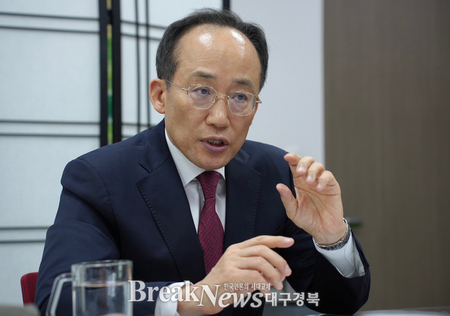
이승석 한경연 책임연구위원은 “트럼프 정부의 급격한 관세정책 변화 등으로 상반기에는 경기 흐름이 위축됐다”며 “하반기에는 주력 품목 수출의 회복과 정책 대응 효과가 가시화되며 완만한 회복세가 기대된다”고 전망했다.
이어 “정부 경기부양책의 구체적 내용 및 실행 속도와 한·미 간 통상협상 결과가 경기 반등의 폭을 좌우할 핵심 변수로 작용할 것이다”고 강조했다.
먼저, 내수 부문에서 가장 큰 비중을 차지하는 민간소비는 올해 1.2% 증가에 그칠 전망이다. 한경연은 기업 실적 부진으로 인한 임금 상승률 둔화와 가계부채 원리금 상환 부담이 소비 여력을 제약하는 가운데, 경기 위축에 대한 불안감이 확산되면서 소비심리도 크게 위축되었다고 분석했다.
설비투자는 반도체 및 AI 인프라 관련 설비와 선박 등 운송장비 수요가 일정 부분 뒷받침되며 올해 2.1% 성장할 것으로 전망된다. 단, 글로벌 수요 둔화, 대외 불확실성 심화에 따른 투자심리 위축 등을 설비투자 개선을 제약하는 요인으로 분석됐다.
장기 침체 흐름을 이어가고 있는 부동산 PF 부실과 공공부문 발주 위축 등의 영향으로 올해 건설투자는 –3.8% 역성장이 예상된다. 특히, PF 관련 유동성 악화와 중소 건설사 중심의 구조조정 지연으로 인해 신규 착공이 큰 폭으로 위축되며, 건설 부문은 최근 10년 내 최저 수준의 실적을 기록하는 등 회복 모멘텀이 현저히 약화되었다는 분석이다.
소비자물가 상승률은 내수 부진에 따른 수요 측 물가 압력 약화로 연 1.9% 수준까지 둔화될 전망이다. 한경연은 원·달러 환율의 변동성 확대에 따른 수입 물가 상승 압력이 여전히 존재하지만, 예년에 비해 그 영향력은 제한적일 것이라 예상했다.
그동안 성장의 버팀목 역할을 해온 수출은 올해 사실상 제자리걸음(0.0%)을 할 것으로 전망된다. 반도체를 제외한 자동차·철강·기계 등 주력 품목의 부진과 미국의 고율 관세정책 등이 부담으로 작용할 전망이다.
특히, 미국 시장에 대한 수출의존도가 높은 자동차와 철강에 대해 25~50%의 관세가 부과되면서 수출 여건이 크게 악화된 것으로 평가됐다. 이에 따라 한경연은 올해 경상수지를 전년 대비 100억 달러 감소한 890억 달러 흑자에 그칠 것으로 내다봤다.
한경연은 부동산 PF 부실 장기화, 소비심리 위축, 고물가·고금리 환경의 누적된 충격 등 대내적 요인으로 내수 부진이 지속되고 있다고 분석했다. 미국의 고율 관세와 미·중 통상 갈등 격화 등으로 반도체를 제외한 대부분의 주요 품목의 수출 부진이 예상된다. 주요국 통화 긴축 종료 지연, 지정학적 리스크 확대 등도 경기 하방 압력을 키우는 요인으로 지목됐다.
이승석 책임연구위원은 “경기 반등의 골든타임을 놓칠 경우, 회복 국면 진입 자체가 지연될 수 있다”며, “정부의 경기부양책 실행력과 한‧미 통상협상 결과 등이 향후 경기 흐름을 좌우할 것이다”고 전했다.
break9874@naver.com
*아래는 위 기사를 '구글 번역'으로 번역한 영문 기사의 [전문]입니다. 구글번역'은 이해도 높이기를 위해 노력하고 있습니다. 영문 번역에 오류가 있을 수 있음을 전제로 합니다.<*The following is [the full text] of the English article translated by 'Google Translate'. 'Google Translate' is working hard to improve understanding. It is assumed that there may be errors in the English translation.>
Korea Economic Research Institute, Economic Growth Rate of 1% This Year... Lowest Since COVID-19
The Korea Economic Research Institute (KERI) forecasted this year’s economic growth rate at 1.0%. This is the lowest since the COVID-19 pandemic and is below the average (2.5%) for the past 10 years.
In its report titled ‘KERI Economic Trends and Outlook: First Half of 2025’, KERI forecasted that the Korean economy will show a downward trend and grow by 1.0% this year.
KERI analyzed that the growth rate in the first half of this year will be only 0.2% due to the influence of uncertainties in trade policies from the US. It forecasted that the growth rate will rebound to 1.8% in the second half as the policy effects on domestic and foreign economic risks become visible.
KERI pointed out the long-term accumulated stress of high prices and high interest rates, bad real estate PF loans, and tariff risks from the US as major factors limiting economic recovery. It analyzed that the upcoming government economic stimulus measures and trade diplomacy with the US will be key factors determining the extent of the Korean economy’s rebound.
Lee Seung-seok, a senior researcher at the Korea Economic Research Institute, said, “The economic trend shrank in the first half of the year due to the Trump administration’s drastic changes in tariff policies,” and predicted, “In the second half, a recovery in major export items and the effects of policy responses will become visible, and a gradual recovery is expected.”
He continued, “The specific content and speed of the government’s economic stimulus measures and the results of trade negotiations between Korea and the U.S. will be key variables that will determine the extent of the economic rebound.”
First, private consumption, which accounts for the largest portion of the domestic demand sector, is expected to increase by only 1.2% this year. The Korea Economic Research Institute analyzed that consumer sentiment has also shrunk significantly as concerns about an economic downturn spread amid the slowdown in wage growth due to poor corporate performance and the burden of repaying the principal and interest of household debt, which are limiting consumer spending.
Facility investment is expected to grow by 2.1% this year, supported to some extent by demand for semiconductor and AI infrastructure-related facilities and transportation equipment such as ships. However, factors such as the slowdown in global demand and the weakening investment sentiment due to the deepening external uncertainty were analyzed as factors limiting the improvement in facility investment.
Due to the effects of the real estate PF defaults that have been continuing the long-term recession and the contraction in public sector orders, construction investment is expected to show a negative growth of -3.8% this year. In particular, the deterioration of liquidity related to PF and the delay in restructuring centered on small and medium-sized construction companies have led to a significant contraction in new construction starts, and the construction sector has recorded its lowest performance in the past 10 years, indicating that the recovery momentum has significantly weakened.
The consumer price inflation rate is expected to slow to 1.9% per year due to the weakening of demand-side price pressures due to the sluggish domestic demand. The Korea Economic Research Institute predicted that although import price increases due to the increased volatility of the won-dollar exchange rate will still exist, its impact will be limited compared to previous years.
Exports, which have served as a mainstay of growth so far, are expected to remain virtually stagnant (0.0%) this year. The sluggishness of major items such as automobiles, steel, and machinery, excluding semiconductors, and the high tariff policy of the US are expected to act as burdens.
In particular, it was assessed that export conditions have deteriorated significantly due to the imposition of tariffs of 25-50% on automobiles and steel, which are highly dependent on exports to the US market. Accordingly, the Korea Economic Research Institute predicted that this year's current account balance will be a surplus of $89 billion, a $10 billion decrease from the previous year.
The Korea Economic Research Institute analyzed that domestic demand is continuing to be sluggish due to internal factors such as prolonged real estate PF defaults, depressed consumer sentiment, and the accumulated impact of high prices and high interest rates. Exports of most major items, excluding semiconductors, are expected to be sluggish due to the high tariffs of the US and the intensifying trade conflict between the US and China. The delay in the end of the monetary tightening of major countries and the expansion of geopolitical risks were also identified as factors that are increasing downward pressure on the economy.
Senior Researcher Lee Seung-seok said, “If we miss the golden time for an economic rebound, the recovery phase itself could be delayed,” and added, “The government’s ability to implement economic stimulus measures and the results of the Korea-U.S. trade negotiations will determine the future course of the economy.”