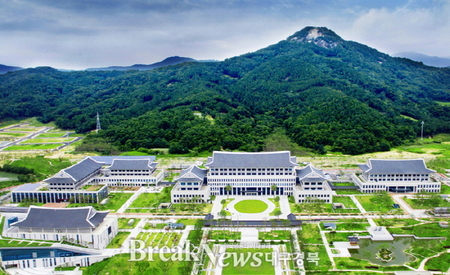
▲ 세종시청사 전경[사진=세종시] ©김환일 기자 |
세종시가 농촌지역의 새로운 성장동력을 확보하기 위한 제도적 기반 마련에 나섰다. 생산관리지역 안에서도 농촌융복합산업 관련 시설 설치를 허용하는 조례가 제정되며, 외식·체험·숙박 등을 연계한 농촌사업의 길이 열렸다.
세종시는 “제98회 시의회 정례회에서 김학서 의원이 대표 발의한 ‘생산관리지역 내 농촌융복합시설 설치 조례안’이 본회의를 통과했다”며 “조례 공포 절차를 거쳐 올해 3분기부터 본격 시행될 예정”이라고 24일 밝혔다.
이번 조례는 ‘농촌융복합산업 육성 및 지원에 관한 법률’ 제8조의3의 특례 조항을 지역에 처음으로 도입한 것으로, 농촌경제 활성화를 위해 필수적인 가공·판매·체험·외식시설 등의 설치를 가능하게 하는 법적 기반이다.
기존에는 생산관리지역 내에서 이러한 시설의 설치가 제한되면서 농촌융복합산업 경영체들이 사업 다각화에 어려움을 겪어 왔다. 세종시는 그동안 일부 지역에서 발생한 관광농원 난개발 사례 등을 고려해 특례 조례 도입에 신중을 기해왔지만, 현장 농업인들의 요구와 침체된 농촌경제 현실을 반영해 입장을 선회했다.
이번 조례의 가장 큰 특징은 무분별한 개발을 막기 위한 방지 장치가 함께 마련됐다는 점이다. 전국 지방정부 가운데 최초로, 인허가 절차에 대한 세부 지침을 병행 제정하며 제도의 완결성을 높였다.
조례에 따르면, 특례 적용이 가능한 시설 유형은 조례에 명시되며, 시설 설치 전에는 전문가 자문을 통해 타당성을 검토받아야 한다. 시장 승인 대상 사업계획서에는 조감도·운영계획·교통여건 등 10개 항목이 필수 포함돼야 하며, 문화재 훼손, 수질오염, 경관 침해 등 공익 가치 침해 우려가 있는 경우 설치가 제한된다.
또한 조례 시행 이전 이미 설치된 무허가 시설은 소급해 합법화되지 않으며, 해당 사업자는 개별 법령을 준수하고 정식 인허가 절차를 거쳐야 한다.
이승원 세종시 경제부시장은 “이번 조례는 농촌융복합산업 활성화의 발목을 잡던 입지규제를 합리적으로 완화한 첫 시도”라며, “지역 농업인의 창의적인 사업 모델이 뿌리내릴 수 있도록 제도적 기반을 지속 확대해 나가겠다”고 강조했다.
세종시는 이번 조례를 통해 농촌융복합산업을 미래 농업의 핵심 축으로 성장시키겠다는 구상이다. 외식, 체험, 숙박 등 농업의 부가가치를 높이는 복합 산업화 모델을 통해 침체된 농촌경제에 활력을 불어넣을 수 있을지 주목된다.
*아래는 위 기사를 '구글 번역'으로 번역한 영문 기사의 [전문]입니다. '구글번역'은 이해도를 높이기를 위해 노력하고 있습니다. 영문 번역에 오류가 있을 수 있음을 전제로 합니다.<*The following is [the full text] of the English article translated by 'Google Translate'. 'Google Translate' is working hard to improve understanding. It is assumed that there may be errors in the English translation.>
Sejong City to Allow Dining Out, Experience, and Lodging Facilities in Production Management Areas
Sejong City has set out to establish an institutional foundation to secure new growth engines for rural areas. An ordinance has been enacted to allow the installation of facilities related to rural convergence industries within production management areas, opening the way for rural businesses linked to dining out, experience, and lodging.
Sejong City announced on the 24th that “the ‘Ordinance on the Installation of Rural Convergence Facilities in Production Management Areas’ proposed by Assemblyman Kim Hak-seo at the 98th regular session of the city council passed the plenary session,” and “It is scheduled to go through the ordinance promulgation procedure and be fully implemented starting in the third quarter of this year.”
This ordinance is the first to introduce special provisions of Article 8-3 of the ‘Act on the Promotion and Support of Rural Convergence Industries’ to the region, and is a legal foundation that enables the installation of processing, sales, experience, and dining out facilities essential for revitalizing the rural economy.
Previously, the installation of such facilities was restricted within the production management area, making it difficult for rural convergence industry management entities to diversify their businesses. Sejong City had been cautious about introducing special ordinances in consideration of cases of overdevelopment of tourist farms in some areas, but changed its position in response to the demands of local farmers and the stagnant rural economy.
The most notable feature of this ordinance is that it also includes preventive measures to prevent indiscriminate development. It was the first local government in the country to enact detailed guidelines for permit procedures in parallel, thereby enhancing the completeness of the system.
According to the ordinance, the types of facilities eligible for special provisions are specified in the ordinance, and before installing a facility, its feasibility must be reviewed through expert advice. Business plans subject to mayoral approval must include 10 mandatory items, including bird’s-eye views, operation plans, and traffic conditions, and installation is restricted in cases where there are concerns about infringement on public interest values, such as damage to cultural properties, water pollution, and landscape infringement.
In addition, unlicensed facilities already installed before the enforcement of the ordinance will not be legalized retroactively, and the relevant business operators must comply with individual laws and go through formal licensing procedures.
Lee Seung-won, Deputy Mayor for Economic Affairs of Sejong City, said, “This ordinance is the first attempt to reasonably ease the location regulations that have been holding back the revitalization of the rural convergence industry,” and emphasized, “We will continue to expand the institutional foundation so that creative business models of local farmers can take root.”
Through this ordinance, Sejong City plans to grow the rural convergence industry into a core axis of future agriculture. Attention is focused on whether it can revitalize the stagnant rural economy through a complex industrialization model that increases the added value of agriculture, such as dining out, experiences, and lodging.
원본 기사 보기:브레이크뉴스대전세종충청