【브레이크뉴스 경북】이성현 기자=경상북도가 저출생 극복을 위한 ‘저출생과 전쟁’ 120대 실행과제 추진 상황을 점검하고, 출산율과 혼인건수 등 주요 인구지표가 최근 2년 연속 반등했다고 밝혔다.
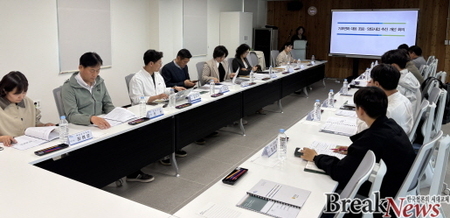
 ▲ 저출생과 전쟁 120대 실행과제 추진상황 점검회의 © 경북도 |
경북도는 21일 도청에서 황명석 경북도지사 권한대행 주재로 ‘저출생과 전쟁’ 120대 실행과제 추진 상황 점검회의를 열고, 실·국별 1분기 추진 실적과 향후 계획을 논의했다.
이날 황 권한대행은 저출생 극복을 위해 노력한 직원들을 격려하며 경북형 저출생 대응 정책 성과를 공유했다.
경북도는 ‘함께 키워요! K보듬 6000’, 신생아 집중치료센터 등 전국 최초로 시행한 경북형 사업을 통해 저출생 대응의 새로운 정책 모델을 제시했으며, 일부 사업은 국가 정책으로 확산됐다고 설명했다.
또 저출생과 전쟁 선포 이후 고령화와 인구 유출 등 어려움 속에서도 최근 2년간 주요 출산지표가 상승세로 돌아섰다고 강조했다.
경북도의 합계출산율은 2023년 0.86명에서 2024년 0.90명, 2025년 0.93명(잠정)으로 증가했다. 조출생률은 4.0명에서 4.1명, 4.2명으로 상승했으며, 혼인건수는 8,128건에서 9,067건, 9,160건으로 늘었다. 출생아 수도 1만186명에서 1만333명, 1만426명(잠정)으로 증가했다.
120대 과제의 1분기 사업 진도율은 평균 41.2%로, 만남·출산·돌봄·주거·일·생활균형·양성평등 등 6대 분야 전반에서 정상 추진 중인 것으로 나타났다.
만남 분야에서는 포항·구미·상주·청도·고령·성주·칠곡 등 7개 시·군에서 미혼남녀 만남 주선, 소규모 결혼식 지원, 20대 결혼가구 혼수비용 지원 사업 등이 추진됐다.
출산 분야는 난임부부 시술비 지원 3,989건, 임신 사전 건강관리 지원 4,657건, 신생아 집중치료센터 진료 56건, 출산축하박스 지원 2,188건 등이 집계됐다.
돌봄 분야는 초등 방학 돌봄터 38곳, 아이돌봄서비스 9,209명 지원, K보듬 6000 운영 79곳, 아픈 아이 긴급돌봄센터 13곳 운영 등의 성과를 냈다.
주거 분야에서는 청년 신혼부부 월세지원 81세대, 청년 월세 지원 2,198명, 매입임대주택 250호 공급 사전 안내 등이 진행됐다.
일·생활균형 분야에서는 육아기 부모 단축근로시간 급여 보전 205명, 초등부모 방학기간 10시 출근제 30개 기업 39명 지원 등이 추진됐다.
양성평등 분야에서는 여성친화도시 8개 시·군, 아동친화도시 6개 시·군 조성사업과 함께 다자녀 가정 농수산물 구매 지원 4만1,761가구, 세 자녀 이상 가족 진료비 지원 835가구 등이 이뤄졌다.
경북도는 1분기 중 사업자 선정과 예산 교부 등 사전 절차가 대부분 마무리된 만큼, 2분기부터는 사업 추진 속도가 더욱 빨라질 것으로 기대하고 있다.
황명석 권한대행은 “지난 2년간 경북도가 추진하고 건의한 정책들이 법·제도를 바꾸고 전국으로 확산되며 저출생 극복 분위기를 선도하고 있다”며 “앞으로도 흔들림 없이 현장과 도민 체감 중심의 저출생 대응 정책을 이어가겠다”고 말했다.
한편 경북도는 올해부터 ‘선택과 집중’ 전략에 따라 과제 수는 지난해 150개에서 120개로 줄이고, 관련 예산은 400억 원 늘어난 4천억 원으로 확대해 정책 효과와 체감도를 높이고 있다.
<구글 번역으로 번역한 영문 기사의 전문 입니다. 번역에 오류가 있을 수 있음을 밝힙니다.>
North Gyeongsang Province Reviews 120 Tasks for ‘War on Low Birth Rate’… Birth Rate Indicators Rebound for Two Consecutive Years
North Gyeongsang Province announced that it has reviewed the progress of the 120 action tasks for the ‘War on Low Birth Rate’ aimed at overcoming the low birth rate, and that key population indicators, such as the birth rate and marriage rates, have rebounded for two consecutive years.
On the 21st, North Gyeongsang Province held a meeting at the provincial office, presided over by Acting Governor Hwang Myung-seok, to review the progress of the 120 action tasks for the ‘War on Low Birth Rate.’ The meeting discussed first-quarter performance results and future plans by department and bureau.
During the meeting, Acting Governor Hwang encouraged employees who have worked hard to overcome the low birth rate and shared the achievements of North Gyeongsang Province's response policies.
North Gyeongsang Province explained that it has presented a new policy model for responding to the low birth rate through North Gyeongsang Province-style projects implemented for the first time in the nation, such as ‘Let’s Raise Together! K-Bodeum 6000’ and the Neonatal Intensive Care Center, noting that some of these projects have expanded into national policies. It was also emphasized that despite challenges such as population aging and outflow following the declaration of a "war on low birth rates," key fertility indicators have turned upward over the past two years.
North Gyeongsang Province's total fertility rate increased from 0.86 in 2023 to 0.90 in 2024 and 0.93 (provisional) in 2025. The crude birth rate rose from 4.0 to 4.1 and then to 4.2, while the number of marriages increased from 8,128 to 9,067 and then to 9,160. The number of newborns also increased from 10,186 to 10,333 and then to 10,426 (provisional).
The average progress rate of the 120 major tasks in the first quarter was 41.2%, indicating that projects are proceeding normally across all six major areas: meeting, childbirth, caregiving, housing, work, work-life balance, and gender equality. In the matchmaking sector, initiatives such as matchmaking for single men and women, support for small-scale weddings, and financial assistance for dowry costs for married couples in their 20s were implemented in seven cities and counties, including Pohang, Gumi, Sangju, Cheongdo, Goryeong, Seongju, and Chilgok.
In the childbirth sector, records showed 3,989 cases of financial support for infertility treatments for couples, 4,657 cases of pre-pregnancy health care support, 56 cases of treatment at neonatal intensive care centers, and 2,188 cases of childbirth congratulatory box support.
The childcare sector achieved results including the operation of 38 elementary school vacation childcare centers, support for 9,209 children using childcare services, the operation of 79 K-Bodeum 6000 centers, and the operation of 13 emergency care centers for sick children.
In the housing sector, monthly rent support was provided to 81 households of young newlywed couples, to 2,198 young adults, and advance notices were provided for the supply of 250 purchased rental housing units. In the work-life balance sector, initiatives were implemented such as salary compensation for reduced working hours for 205 parents with young children, and support for 39 parents of elementary school students across 30 companies for a 10:00 AM start time during school vacations.
In the gender equality sector, projects were carried out to establish eight Women-Friendly Cities and six Child-Friendly Cities. Additionally, support was provided to 41,761 multi-child households for purchasing agricultural and fishery products, and medical expense support was provided to 835 families with three or more children.
Gyeongbuk Province expects the pace of project implementation to accelerate starting in the second quarter, as most preliminary procedures, such as contractor selection and budget allocation, were completed during the first quarter.
Acting Governor Hwang Myeong-seok stated, "The policies promoted and proposed by Gyeongbuk Province over the past two years have led to changes in laws and systems and are spreading nationwide, leading the atmosphere for overcoming the low birth rate." He added, "We will continue to implement low birth rate response policies centered on the field and the residents' tangible experiences without wavering."
Meanwhile, Gyeongbuk Province is enhancing policy effectiveness and tangible impact by reducing the number of tasks from 150 last year to 120 starting this year under the ‘selection and concentration’ strategy, while increasing the related budget by 40 billion won to 400 billion won.
원본 기사 보기:브레이크뉴스 대구경북