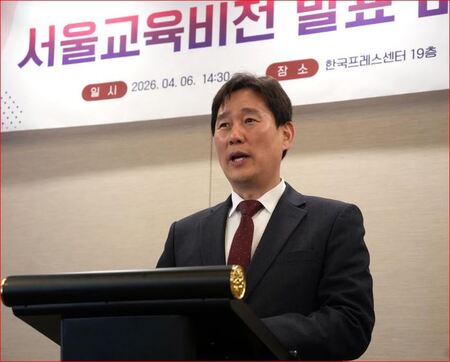
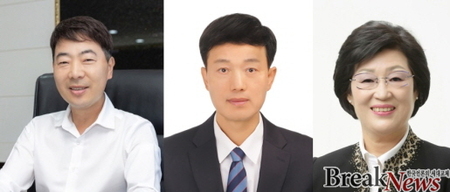
▲ 한설 예비역 장군. ©민병래 작가 촬영. 한설 페이스북. |
한설 예비역 장군(육군 소장)은 7월10일 인터넷 저널인 페이스북에 “선택이 필요한 한국의 대외정책, 미국과 중국 그리고 주한미군 규모감축” 제목의 글을 게재했다. 한설 예비역 장군은 이 글을 통해 미국의 관세외압에 따른 한국정부의 대응 방법에 대해 언급했다. 그는 “어차피 관세25%가 불가피한 상황이라면 새로운 시장 개척과 여건개선을 위해 중국과의 정상회담은 당연하다. 이재명은 시진핑을 만나 앞으로 한국상품의 중국 진출을 위한 여건을 만들어 줄 것을 요구해야 하는 것”이라고 피력했다.
그는 이 글의 결론 부분에서 “미국의 관세에 대비하여 시장을 개척하기 위해 중국과 협상을 하는 것, 그리고 방위비와 주한미군주둔비용 인상요구를 막기 위해 한반도 방위의 한국화를 강력하게 추진하고, 주한미군의 주둔규모를 점차 줄여나가는 것, 그리고 주한미군의 역할 변화에 따른 주둔비용을 청구하는 것이다. 지금은 미국의 눈치를 보고 미국의 호의를 기대해서 직면한 문제를 해결할 수 있는 상황이 아니다”고 강조했다.
한설 예비역 장군은 “상식적으로 말하자면, 한국이 미국과 협상하려면 협상카드를 확보해야 한다. 미국이 원하는 요구를 그대로 수용하는 것은 대화도 아니고 협상도 아니다. 일방적인 굴욕일 뿐이다. 빅터차와 한국의 한미동맹주의자들은 말 그대로 미국에 대한 굴종을 받아들이라고 강요하고 있는 것이다. 이런 상황임에도 불구하고 여전히 한국의 주류사회는 무엇이 국익인지에 대한 기본적인 방향도 정하지 못하고 있는 것”이라면서 “트럼프의 요구사항은 명확하다. 관세25%를 수용하고 주한미군 주둔비용을 올려달라는 것이다. 아직 분명하게 말하지 않았지만 트럼프가 요구하는 주한미군 주둔비용의 규모는 일반의 예상을 뛰어넘을 것이다. 현재 1조5천억 정도이지만 몇 배를 더 요구할지도 모른다. 게다가 방위비 지출을 늘려서 미국무기를 구매하라고 요구할 것”이라고 전망했다. 이어 “이런 상황에서 한국이 대응할 수 있는 방법은 무엇일까? 어차피 관세 25% 수용요구를 바꾸기는 어려울 것이다. 관세25%를 수용하지 않으면 미국 30개월 이상 미국 소고기의 수입과 같은 요구조건을 들어 주어야 한다. 그럼 한국의 축산업은 붕괴한다. 어떤 정권도 이런 정치적 부담을 질 수는 없을 것”이라고 덧붙였다.
*아래는 위 기사를 '구글 번역'으로 번역한 영문 기사의 [전문]입니다. '구글번역'은 이해도 높이기를 위해 노력하고 있습니다. 영문 번역에 오류가 있을 수 있음을 전제로 합니다.<*The following is [the full text] of the English article translated by 'Google Translate'. 'Google Translate' is working hard to improve understanding. It is assumed that there may be errors in the English translation.>
Retired General Han Seol Points Out U.S. Tariff Pressure “Promoting Korea-China Summit”
- Reporter Park Jeong-dae
Retired General Han Seol (Army Major General) posted an article titled “South Korea’s Foreign Policy That Requires Choices, the U.S. and China, and Reduction of U.S. Forces in Korea” on the internet journal Facebook on July 10. In this article, Retired General Han Seol mentioned the Korean government’s response to U.S. tariff pressure. He stated, “If a 25% tariff is unavoidable, then a summit with China is a given in order to open up new markets and improve conditions. Lee Jae-myung should meet Xi Jinping and demand that he create conditions for Korean products to enter China in the future.”
In the conclusion of this article, he emphasized, “We need to negotiate with China to open up the market in preparation for US tariffs, strongly promote the Koreanization of the defense of the Korean Peninsula in order to block demands for increases in defense spending and the cost of stationing US troops in Korea, gradually reduce the size of the stationing of US troops in Korea, and demand stationing costs according to the changing role of US troops in Korea. Now is not the time to solve the problems we face by watching the US’s mood and expecting goodwill from the US.” Retired General Han Seol said, “Common sense tells us that if Korea wants to negotiate with the United States, it needs to secure a bargaining chip. Accepting the demands of the United States is neither dialogue nor negotiation. It is nothing but one-sided humiliation. Victor Cha and the pro-US alliance advocates in Korea are literally forcing us to accept submission to the United States. Despite this situation, mainstream Korean society still has not been able to decide on a basic direction for what is in the national interest.” He also predicted that, “Trump’s demands are clear. He wants a 25% tariff and an increase in the cost of stationing US troops in Korea. Although he has not stated it clearly yet, the amount of cost for stationing US troops in Korea that Trump is demanding will exceed general expectations. It is currently around 1.5 trillion won, but he may demand several times more. He will also demand that defense spending be increased to purchase US weapons.” He continued, “How can Korea respond in this situation? It will be difficult to change the demand for a 25% tariff anyway. If we do not accept the 25% tariff, we will have to accept requirements such as importing American beef from cattle aged 30 months or more. Then Korea’s livestock industry will collapse. No government can bear this kind of political burden.”