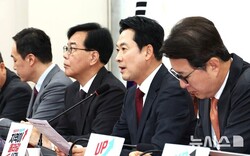
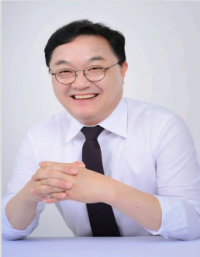
민형배 의원(더불어민주당) 정혜경 의원(진보당), 민족통일애국청년회, (사)정의평화인권을위한양심수후원회, 자주연합(준), 천주교인권위원회, 4.9통일평화재단 공동 주최, 국가보안법폐지국민행동의 후원으로 ‘2025국가보안법 피해자 ‘목소리들’ 증언대회가 11일, 국회 의원회관 4간담회의실에서 개최되었다.
 ▲ 주최 측은 “내란의 완전한 청산을 위해 계엄의 법적 사상적 근거인 국가보안법을 폐지해야 한다”며, “이를 위해 대선 이후, 국회에서 국가보안법 피해자 증언대회를 열고 국가보안법 폐지 여론을 형성해 가자”고 호소했다. © 김충열 정치전문기자 |
국가보안법은 1948년 제정된 이래 정부에 비판적인 사람들, 민주화와 평화통일을 염원하는 사람들을 탄압하는데 사용 돼왔다. 또 역대 정권은 정권을 지키기 위해 간첩 조작을 서슴지 않았고 이 과정에서 국가보안법을 악용해 고문, 감시, 조작을 자행해왔다. 이에 그동안 반민주, 반인권, 반통일 악법 국가보안법의 폐지를 국내외 많은 시민들이 요구해왔다. ‘종북 반국가세력 척결’을 명분으로 자행된 지난 12.3 비상 계엄은 여전히 우리 사회가 정권과 생각이 다른 사람들을 탄압, 처단하는 사회라는 것을 여실히 보여주었다.
이에 주최 측은 “내란의 완전한 청산을 위해 계엄의 법적 사상적 근거인 국가보안법을 폐지해야 한다”며, “이를 위해 대선 이후, 국회에서 국가보안법 피해자 증언대회를 열고 국가보안법 폐지 여론을 형성해 가자”고 호소했다.
이 날 <2025국가보안법 피해자 증언대회, ‘목소리들’> 증언대회에 함께한 국가보안법 피해자 이시우, 유우성, 유영호 그리고 국가보안법 전문 변호사 장경욱 씨는 국가보안법이 인간의 삶을 무너뜨리는 악법이라며 증언의 목소리를 높였다.
첫번째 증언자로 나선 사진작가 이시우 씨는 강화도에 거주하는 평화운동가로 유엔사령부의 문제점에 대해 꾸준히 문제제기를 해온 바 있다. 이시우 씨는 2004년 기자 자격으로 미국 대사관이 주최한 판문점 행사에 초청되어 유엔사 경비대 탄약고에 있는 화학무기 표식을 촬영하였고 대사관과 미군 담당자의 확인을 거쳐 공개한 일로 공안당국의 표적이 되어 국가보안법 위반 혐의를 받았다. 공안당국은 인터넷에서 구할 수 있는 사진 자료를 국가 기밀이라며 국가보안법 위반 자료로 특정해 평화운동을 탄압했다.
 ▲ 이시우씨는 “분단체제의 산물이라는 표현을 많이 하는데 너무 점잖은 표현이다. 국가보안법은 원한체제의 산물이다. 사문화된 것 아니냐는 말도 있지만 여전히 우리 마음속에서 심리적 장벽을 세워 영리하게 작용하고 있다”며, 그러면서 “최소한 국가보안법 폐지라는 증표가 나와야 이 심리적 장벽을 극복할 수 있을 것”이라고 말했다. © 김충열 정치전문기자 |
이시우 씨는 “이 과정에서 공안당국이 패킷감청까지 자행하는 등 인권침해를 저질렀다.”며, “나중에 알고 보니 그때부터 통신 기록 4년치가 감청이 되었다. 수배를 당한 후 2007년 4월 19일에 체포되었고 그때부터 40여 일간 곡기를 끊었다. 단식 투쟁은 마무리했지만 국가보안법의 피해를 당했다는 것을 남기기 위해 그때부터 수염을 자르지 않았다. 이시우 개인에게 부여된 국가보안법 혐의만 28개로 당시 담당 변호사들로 하여금 ‘국가보안법의 백화점’같다는 이야기까지 들었다”고 전했다.
이시우 작가는 “공안 당국은 ‘유엔사 해체’라는 주장이 북한의 주장과 같아 찬양고무 죄를 적용하기 위해 몰두했다”며, 오히려 유엔사야말로 대성동 마을에 대해 민사 행정을 실시하고 북한 지역에 대해 점령 후 행정을 하겠다고 하는 점에서 국가보안법상 정부 참칭에 해당한다며 가장 큰 반국가 단체”라고 목소리 높였다.
이시우 작가 본인은 4년간 도청을 당하면서 십 수 년이 지난 지금껏 핸드폰을 안쓴다. 그런데 2010년대 초반 소위 RO 사건 당시 공안당국이 RO 조직원들이 공중전화를 쓰니 이상하다고 했던 점이 ‘블랙 코미디’라고 말했다.
이시우 작가는 “그 당시 사건을 통해 스스로 예술가라는 것을 처음으로 자각했었다. 그리고 나는 국가보안법상 자기 검열이 없다고 생각했다. 그런데 돌아보니 미군기지, 한미 연합 군사 훈련 문제 등 2007년에 진행하던 사진작업을 안하고 있더라”며 “무슨 변명을 하든 자기 검열을 하고 있더라.”고 돌아보기도 했다.
국가보안법에 대해서는 “분단체제의 산물이라는 표현을 많이 하는데 너무 점잖은 표현이다. 국가보안법은 원한체제의 산물이다. 사문화된 것 아니냐는 말도 있지만 여전히 우리 마음속에서 심리적 장벽을 세워 영리하게 작용하고 있다”며, 그러면서 “최소한 국가보안법 폐지라는 증표가 나와야 이 심리적 장벽을 극복할 수 있을 것”이라고 말했다.
한편. 이날 증언 대회에 함께한 더불어 민주당 이재정 의원은 “이시우 씨 사건은 변호사로서 자신의 첫번째 국가보안법 사건이었고 쉽지 않았지만 승리했던 소중한 기억이었다”고 회고 했다.
두번째 증언자로 나선 서울시 공무원 간첩조작 사건 피해자 유우성 씨 관련 사건은 당시 박근혜 정부가 유우성 씨의 동생 유가려 씨를 감금, 협박, 폭행해 오빠가 간첩이라는 위증을 강요하였고 중국 출입경 기록까지 위조하는 등 공안당국의 반 인권적이고 비상식적인 행태가 드러난 사건이었다.
 ▲ 유우성 씨는 “여전히 간첩 조작 사건이 보도되면 내 얼굴이 참고자료로 방송에 나오기도 한다. 아직 어린 아이들이 ‘아빠가 왜 저기에 나와?’라고 물어보면 할 말 이 없다. 누구보다 당당하지만 아이들에게 설명하기가 어렵더라”며 “국가보안법 폐지를 위해 끝까지 목소리 내겠다”고 포부를 밝혔다. © 김충열 정치전문기자 |
유우성 씨는 “북한 이탈주민 전형으로 서울시 공무원이 되었다. 그러다 국정원직원이 찾아왔다. 국정원으로부터 북한의 가족들을 이용해서 대한민국을 위해 일을 하자는 제안이 있었다”며, “그때부터 전화가 국정원에게 도청이 되기 시작했던 것 같다”며, “북한 이탈 주민이 국정원의 만남을 거절할 수가 없다. 탈북자들은 북한에 있는 가족들과 연락도 가능하고 돈을 번 것을 보내주기도 하기 때문에 국정원 앞에서 작아질 수밖에 없다”고 덧붙였다.
이러한 과정 중에 유우성 씨는 국정원과 협의해 여동생 유가려를 한국으로 데려왔으나 돌아온 것은 유가려 씨의 감금과 유우성 씨의 ‘간첩 딱지’였다. 당시 2012년은 박근혜가 대통령에 당선되었고 그 과정에서 국정원의 댓글 조작사건이 드러나 국정원 개혁 및 해체에 대한 목소리가 높았던 시기였다.
유우성 씨는 국정원 직원 30명에 의해 거주하고 있던 아파트에서 체포를 당했고 국정원에 감금되었다. 유우성 씨는 이 시기를 ‘버텼다’는 단어로 회상했다. 이 과정에서 몸무게가 12일 만에 10kg이 빠지기도 했다. 그의 죄목은 국가보안법 위반, 간첩죄였다.
당시 국정원 조사관은 유우성 씨에게 “너는 개인이다. 나는 국가다. 개인이 국가를 이길 수 있다고 생각하냐!”고 다그쳤다. 유우성 씨는 이 말에 흔들리기도 했고 여동생 유가려 씨가 여전히 국정원에 감금당해 있었기 때문에, 마음이 무너졌다고 말했다. 그럼에도 유우성 씨가 간첩이라는 증거자체가 모두 조작된 것이기 때문에 1심에서 전체 무죄를 받았다. 그러자 공안당국은 2심에서 유우성 씨의 중국 출입경 문서까지 조작했으나 유우성 씨는 만 3년 만에 최종 무죄 판결을 받았다.
유우성 씨는 동생 유가려 씨와 관련해 “합동 신문 센터에서 6개월 가량 세뇌, 구타당하며 (동생이) 말을 제대로 못하더라. 공안 검사 이시훈의 말에 ‘네’라는 말 밖에 하지 못하는 상황이었다”며 눈물을 흘리기도 했다.
또 “‘이 사건이 아주 오래된 사건 아닌가?’라고도 하지만 유우성 사건 이후에는 간첩 조작 사건이 만들어지지 않고 있다. 그때 당시 간첩이 서울시까지 침입해서 탈북자 명단 만 명을 북한에 넘겼다는 보도만 대서특필 되었고 여전히 시민들에게는 탈북자는 간첩이라는 선입견이 남아 있을 것이다. 그리고 당시 담당 공안 검사였던 이시원은 처벌 받기는커녕 윤석열 정부에서 중용되었다.”고 목소리 높였다.
마지막으로 유우성 씨는 “여전히 간첩 조작 사건이 보도되면 내 얼굴이 참고자료로 방송에 나오기도 한다. 아직 어린 아이들이 ‘아빠가 왜 저기에 나와?’라고 물어보면 할 말 이 없다. 누구보다 당당하지만 아이들에게 설명하기가 어렵더라”며 “국가보안법 폐지를 위해 끝까지 목소리 내겠다”고 포부를 밝혔다.
 ▲ 유영호 박사는 “사상의 자유, 양심의 자유가 과연 국가보안법이 있는 한 존재할 수 있는가 질문을 던지고 싶다”고 말했다. © 김충열 정치전문기자 |
세 번째 증언자로 나선 유영호 박사는 북한 영화를 전공하고 저서를 서술해 온 북한 영화 전문가다. 공안당국은 연구목적의 북한 자료 열람까지 국가보안법위반으로 몰아 ‘특정인’의 북한 연구는 위법이 될 수 있다는, 법 적용의 평등주의 원칙까지 위반한 위헌적 수사를 벌였다.
유영호 박사는 2011년 소위 ‘왕재산 사건’ 관련자가 구속된 6개월 뒤에 압수수색 당했다. 그리고 4년 뒤인 2015년 박근혜 정권 당시 국가보안법 위반 혐의로 기소가 되었다. 유 박사는 공안 당국이 유 박사의 대학생 시절 동아리 소식지 창립선언문이나 재일 조선학교 방문 소감을 작성한 블로그 글들을 국가보안법 위반 자료로 짜깁기한 것을 두고 “국가보안법 수사는 마치 모자이크 같다. 누구나 국가보안법의 표적이 된다면 과거에 했던 말, 행동 등을 짜깁기 해서 국가보안법 위반자로 만들 수 있다”고 말했다.
또 북한 영화 전문가인 자신에 대해 이적표현물 소지죄로 서적류는 무죄고 영화, 영상물은 유죄 판단이 나온 것도 아이러니라고 밝혔다. 당시 압수수색물이었던 ‘조선노동당량사’는 박사 과정 교재였고 해당 수업의 교수는 후에 국정원장이 된 서훈 원장이었다는 점도 설명하기 어려울 정도로 비상식적이라고 꼬집었다.
유영호 박사는 “사상의 자유, 양심의 자유가 과연 국가보안법이 있는 한 존재할 수 있는가 질문을 던지고 싶다”고 말했다.
 ▲ 장경욱 변호사는 국가보안법의 본질이 무엇이냐, 질문에 “한국에 미군기지가 존재하고, 미국의 대북적대정책이 있는 한 국가보안법이 흔들리기는 어려울 것”이라며 “적어도 미국 패권에 대해 자유롭게 비판할 수 있는 사회가 되어야 국가보안법이 폐지될 수 있을 것”이라고 역설했다. (사진, 민형배 의원실 제공) © 김충열 정치전문기자 |
이날 토론자로 참여한 장경욱 변호사는 국가보안법의 본질이 무엇이냐, “한국에 미군기지가 존재하고, 미국의 대북적대정책이 있는 한 국가보안법이 흔들리기는 어려울 것”이라며 “적어도 미국 패권에 대해 자유롭게 비판할 수 있는 사회가 되어야 국가보안법이 폐지될 수 있을 것”이라고 역설했다.
한편, 오늘 증언대회를 주관한 민족통일애국청년회는 앞으로 릴레이 증언대회를 진행하는 등 국가보안법 폐지 여론을 만들기 위해 노력해 나갈 계획이다. hpf21@naver.com
* 아래는 위 기사를 '구글 번역'으로 번역한 영문 기사의 [전문]입니다. '구글번역'은 이해도 높이기를 위해 노력하고 있습니다. 영문 번역에 오류가 있을 수 있음을 전제로 합니다.
*The following is [the full text] of the English article translated by 'Google Translate'. 'Google Translate' is working hard to improve understanding. It is assumed that there may be errors in the English translation.
2025 National Security Act Victims’ Testimony Conference ‘Voices’… Held in the National Assembly
As long as US military bases exist in Korea and the US has a hostile policy toward North Korea, it will be difficult to abolish the National Security Act
The ‘2025 National Security Act Victims’ Testimony Conference was held on the 11th in the 4th conference room of the National Assembly Members’ Hall, co-hosted by Rep. Min Hyung-bae (Democratic Party of Korea), Rep. Jeong Hye-gyeong (Progressive Party), the Patriotic Youth Association for National Unification, the Justice, Peace, and Human Rights Prisoners of Conscience Support Association, the Autonomous Coalition (preparatory), the Catholic Human Rights Committee, and the April 9 Unification and Peace Foundation, and sponsored by the National Action for the Abolition of the National Security Act.
Since its enactment in 1948, the National Security Act has been used to oppress those critical of the government and those who desire democratization and peaceful unification. In addition, previous regimes have not hesitated to fabricate spies in order to protect their regime, and in the process, they have abused the National Security Act to commit torture, surveillance, and manipulation. As a result, many citizens at home and abroad have demanded the abolition of the National Security Act, an anti-democratic, anti-human rights, and anti-unification evil law. The martial law of December 3, which was carried out under the pretext of “eliminating pro-North Korea, anti-state forces,” clearly showed that our society still oppresses and punishes those who think differently from the regime.
In response, the organizers appealed, “In order to completely eradicate internal rebellion, we must abolish the National Security Act, which is the legal and ideological basis for martial law,” and “To this end, let’s hold a testimony meeting for victims of the National Security Act in the National Assembly after the presidential election and form public opinion to abolish the National Security Act.”
On this day, National Security Law victims Lee Si-woo, Yoo Woo-sung, Yoo Young-ho, and National Security Law expert lawyer Jang Gyeong-wook, who participated in the <2025 National Security Law Victims’ Testimony Conference, ‘Voices’>, raised their voices in testimony, saying that the National Security Law is an evil law that destroys human lives.
Photographer Lee Si-woo, the first witness, is a peace activist living on Ganghwa Island who has consistently raised issues about the problems of the United Nations Command. In 2004, as a reporter, Lee Si-woo was invited to an event hosted by the US Embassy at Panmunjom and took pictures of chemical weapons markings in the UN Command’s ammunition depot. After confirming with the embassy and US military officials, he was targeted by the public security authorities and charged with violating the National Security Law. The public security authorities identified the photos available on the Internet as national secrets and suppressed the peace movement by specifying them as materials violating the National Security Law.
Mr. Lee Si-woo said, “During this process, the public security authorities committed human rights violations, including packet wiretapping.” He added, “I later found out that four years’ worth of communication records had been wiretapped since then. After being wanted, I was arrested on April 19, 2007, and I fasted for about 40 days. Although I finished my hunger strike, I did not cut my beard since then in order to leave a record of having been a victim of the National Security Act. There were 28 charges against Lee Si-woo personally under the National Security Act, and the lawyers in charge at the time even said that I was like a ‘department store of the National Security Act.’” Author Lee Si-woo said, “The public security authorities were obsessed with applying the crime of praise and encouragement because the claim of ‘disbanding the UN Command’ is the same as North Korea’s claim,” and rather, the UN Command is the biggest anti-state organization, saying that it is falsely claiming to be the government under the National Security Act because it is carrying out civil administration in Daeseong-dong Village and will take over North Korean territory and administer it after occupying it,” raising his voice.
Author Lee Si-woo himself has not used a cell phone for over a decade, having been wiretapped for four years. However, he said that the fact that the public security authorities found it strange that RO members used public phones during the so-called RO incident in the early 2010s was a ‘black comedy.’
Author Lee Si-woo said, “Through that incident, I first realized that I was an artist. And I thought that there was no self-censorship under the National Security Act. But
Looking back, I saw that he was not working on the photo work that was being done in 2007, such as the US military bases and the ROK-US joint military exercises,” and “No matter what excuses he made, he was censoring himself.”
Regarding the National Security Act, he said, “People often say that it is a product of the division system, but that is too polite. The National Security Act is a product of the resentment system. Some say that it has become a dead letter, but it is still cleverly working to create a psychological barrier in our minds,” he said, adding, “At the very least, we need to see evidence of the abolition of the National Security Act to overcome this psychological barrier.”
Meanwhile, Democratic Party of Korea lawmaker Lee Jae-jung, who attended the testimony that day, recalled, “The Lee Si-woo case was my first National Security Act case as a lawyer, and although it was not easy, it was a precious memory of victory.”
Regarding the Seoul Metropolitan Government employee spy fabrication case victim Yoo Woo-sung, who appeared as the second witness
The incident was an incident where the then Park Geun-hye government confined, threatened, and assaulted Yoo Woo-sung’s younger brother Yoo Ga-ryeo, forcing him to give false testimony that his brother was a spy, and even forged Chinese entry and exit records, revealing the anti-human rights and irrational behavior of the public security authorities.
Yoo Woo-sung said, “I became a Seoul Metropolitan Government employee as a typical North Korean defector. Then, a National Intelligence Service agent came to see me. “There was a proposal from the National Intelligence Service to use my family in North Korea to work for South Korea,” he said. “It seems that from that time on, the National Intelligence Service began wiretapping my phone calls.” “A North Korean defector cannot refuse a meeting with the National Intelligence Service. He added, “North Korean defectors can contact their families in North Korea and send money they earn, so they have no choice but to be small in front of the NIS.”
During this process, Yoo Woo-sung negotiated with the NIS to bring his younger sister Yoo Ga-ryeo to South Korea,
but what he got in return was Yoo Ga-ryeo’s confinement and Yoo Woo-sung’s ‘spy label.’ At the time, in 2012, Park Geun-hye was elected president, and during the process, the NIS’s comment manipulation incident was revealed, and there were loud calls for reform and disbandment of the NIS.
Yoo Woo-sung was arrested in the apartment where he was living by 30 NIS agents and was confined in the NIS. Yoo Woo-sung recalled this period as ‘holding it out.’ During this process, he lost 10kg in 12 days. His charges were violation of the National Security Act and espionage.
At the time, the NIS investigator told Yoo Woo-sung, “You are an individual. I am the state. “Do you think an individual can defeat a country?” he asked. Yoo Woo-sung was shaken by these words and said that his heart broke because his younger sister Yoo Ga-ryeo was still being held captive by the National Intelligence Service. Nevertheless, Yoo Woo-sung was found not guilty in the first trial because all the evidence that he was a spy was fabricated. Then, the public security authorities fabricated Yoo Woo-sung’s Chinese entry and exit documents in the second trial, but Yoo Woo-sung was finally found not guilty after three years.
Regarding his younger sister Yoo Ga-ryeo, Yoo Woo-sung said, “She was brainwashed and beaten for about six months at the Joint Interrogation Center, and (her younger sister) couldn’t speak properly. She could only say ‘yes’ to the words of the public security prosecutor Lee Si-hoon,” and shed tears.
Also, “Some say, ‘Isn’t this a very old case?’ but no fabricated cases of spying have been created since the Yoo Woo-sung case. At that time, the only news that a spy had infiltrated Seoul and handed over a list of 10,000 defectors to North Korea was the headline, and the public probably still has the prejudice that defectors are spies. And Lee Si-won, who was the public prosecutor in charge at the time, was not punished, but rather promoted to a high position in the Yoon Seok-yeol government,” he said, raising his voice.
Finally, Yoo Woo-seong said, “Even now, when a fabricated spy case is reported, my face is sometimes shown on TV as reference material. When young children ask, ‘Why is Dad there?’, I have nothing to say. He said, “I am more confident than anyone else, but it is difficult to explain to children,” and expressed his determination to “speak out to the end for the abolition of the National Security Act.”
The third witness, Dr. Yoo Young-ho, is a North Korean film expert who has specialized in North Korean films and written books. The public security authorities conducted an unconstitutional investigation that violated even the principle of equal application of law, which states that research on North Korea by a “specific person” can be illegal, by even viewing North Korean materials for research purposes.
Dr. Yoo Young-ho was searched and seized six months after the arrest of the person involved in the so-called “Wangjaesan Incident” in 2011. Then, four years later, in 2015, he was indicted on charges of violating the National Security Act during the Park Geun-hye administration. Regarding the fact that the public security authorities had stitched together Dr. Yoo’s club newsletter founding declaration and blog posts about his visit to a Korean school in Japan as materials violating the National Security Act, Dr. Yoo said, “The investigation into the National Security Act is like a mosaic. He said, “If anyone is targeted by the National Security Act, they can make him a violator of the National Security Act by piecing together his past words and actions.”
He also said that it was ironic that he, a North Korean film expert, was found not guilty of possessing books but guilty of films and videos for possessing subversive material. He also criticized the fact that the “History of the Workers’ Party of Korea,” which was seized and searched at the time, was a doctoral textbook and that the professor in that class was Director Seo Hoon, who later became the director of the National Intelligence Service, as being so absurd that it was difficult to explain.
Dr. Yoo Young-ho said, “I would like to ask the question of whether freedom of thought and freedom of conscience can exist as long as the National Security Act exists.”
Attorney Jang Kyung-wook, who participated as a debater that day, asked what the essence of the National Security Act is, and emphasized that “as long as there are US military bases in Korea and the US has a hostile policy toward North Korea, it will be difficult for the National Security Act to be shaken,” and “At least, the National Security Act can be abolished only when we become a society where we can freely criticize US hegemony.”
Meanwhile, today The Patriotic Youth Association for National Unification, which hosted the testimony conference, plans to continue to work to create public opinion for the abolition of the National Security Act by holding relay testimony conferences in the future. hpf21@naver.com