이재명 대통령이 평화가 경제고, 평화가 밥이라는 말이 구호가 아니라 현실이 됐다고 말했다. 국무회의에서 밝힌 이 발언은 문재인 전 대통령이 과거 여러 차례 반복했던 평화경제 구호와 놀라울 만큼 닮아 있다. 다만 '경제'를 '밥'으로 바꿨을 뿐이다.
문재인은 대통령 재임 중 DMZ 평화의 길을 걷고 나서 “평화가 경제다”라는 문구를 직접 적었다. 오슬로 선언, 드레스덴 연설 등에서도 남북 평화가 민족공영의 길을 연다고 주장했다. 하지만 결과는 어땠나. 북한은 연락사무소를 폭파했고, 남측에 대한 비난과 도발을 끊임없이 이어갔다. 비핵화는커녕 핵무장은 더욱 가속화됐다. 미국과의 비핵화 협상은 결렬됐고, 북한은 아예 헌법에 대한민국을 주적이라 명시해버렸다.
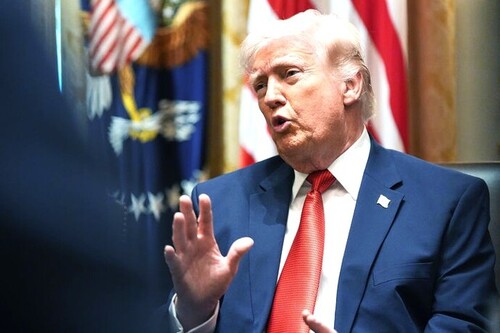
 ▲ 이재명 대통령. ©뉴시스 |
이런 상황에서 이재명 대통령이 싸우지 않고 이기는 것이 진짜 안보라고 말한 것은 현실 인식의 결여라 하지 않을 수 없다. 싸우지 않고 이기는 것이 가능하려면, 상대가 공존 의지가 있어야 한다. 그러나 북한은 공존을 의도한 적이 단 한 번도 없다.
북한이 외치는 '우리민족끼리'는 감상적인 통일 구호가 아니라, 명백한 통일전선전술의 일부다. 이는 마오쩌둥이 과거 항일전쟁이라는 명분으로 장제스와 손잡고 국공합작을 이룬 뒤, 전쟁이 끝나자 곧바로 내전으로 전환하여 국민당을 몰아낸 전례에서 그대로 확인된다. 공산주의는 약할 땐 연합하고, 강해지면 숙청하는 방식으로 일관해왔다. 북한이 대남 평화공존을 입에 올리는 것은 어디까지나 전술적 수사에 불과하다.
이재명 대통령은 국민이 희생당하지 않는 평화를 말했지만, 그런 평화는 말로 얻어지지 않는다. 오히려 말뿐인 평화는 국민을 더 큰 위험에 빠뜨릴 수 있다. 문재인 정부가 체결한 9·19 남북 군사합의로 인해 전방 정찰과 사격 훈련이 중단됐고, 이로 인해 우리 군의 대응력은 약화됐다. 그 결과, 서해 공무원 피격 사건, 북한의 SLBM 발사, 미사일 도발이 줄을 이었다. 정작 정부는 그때마다 말뿐인 유감 표명에 그쳤다.
평화가 밥이라는 이재명 대통령의 언급은 경제 논리로도 성립되지 않는다. 남북 간 경제 격차는 GDP 기준으로 50배에 달한다. 한국은 세계 10위권 경제 대국이고, 북한은 국제 제재로 고립된 빈곤국이다. 재래식 산업, 인적 자원, 기술력, 사회간접자본 모두 절망적인 수준이다. 북한이 보유한 유일한 경쟁력은 핵과 미사일뿐이다. 이런 상황에서 남북 경제협력을 통한 공동번영을 기대한다는 것은 비현실적인 몽상이다.
문재인 정부 시절, 개성공단 재개나 금강산 관광 논의는 단 한 번도 북측에 의해 성실히 응답받은 적이 없다. 경제협력은 상호 신뢰, 법치, 계약이 작동해야만 가능한데, 북한에는 그 어떤 기반도 없다. 그런 상황에서 '경제'를 운운하며 '밥’을 말하는 건, 거꾸로 국민에게 굶을 준비나 하라는 말로 들릴 수 있다.
그렇다면 과연 진짜 평화는 어떻게 만들어지는가. 역사적으로 평화는 선언에서 비롯되지 않았다. 힘에서 비롯되었다. 힘을 통한 평화(Peace through Strength)라는 냉전시기 미국의 전략처럼, 확고한 억지력은 전쟁을 막고, 평화를 가능케 한다. 지금 한국이 해야 할 일은 그 어느 때보다 분명하다. 세 가지 전략이 시급하다.
첫째, 군사적 억지력 강화다. 북한의 핵무장을 막을 수 없다면, 최소한 그 사용을 망설이게 할 수는 있어야 한다. 정찰, 방어, 보복 능력을 현실적으로 확보해야 하며, 특히 사이버와 우주, 미사일 방어 분야에서 빈틈이 없어야 한다.
둘째, 한미일 안보동맹의 재정립이다. 북한의 위협은 물론, 중국과 러시아가 동시에 안보 변수로 떠오르는 현 국면에서 동맹은 선택이 아니라 생존의 조건이다. 단순한 연례훈련이 아니라 전략적 공조의 체계화가 필요하다.
 ▲필자/ 김정기 <한국형 협상의 법칙> 저자. ©브레이크뉴스 |
셋째, 남남갈등 해소와 국민적 합의다. 안보를 정쟁의 도구로 삼아선 안 된다. 정치 지도자라면 안보 문제만큼은 국민과의 단합, 진실한 설명, 솔직한 설득으로 공감대를 이끌어야 한다. 그래야만 평화를 지킬 최소한의 내부 기반이 생긴다.
이재명 대통령은 작은 판단 하나가 나라의 흥망을 좌우할 수 있다고 했다. 맞는 말이다. 그러나 그 판단이 현실을 외면한 구호나 감정적 수사라면, 나라의 흥망은 ‘망’ 쪽으로 기울 수밖에 없다.
대한민국은 지금, 싸우지 않기 위해서라도 강해져야 한다. 싸움을 피하는 가장 현실적인 방법은 싸울 준비가 되어 있다는 확신을 상대에게 주는 것이다. ‘평화가 밥’이라는 말이 실현되기 위해서는, 먼저 그 밥상을 지킬 힘이 있어야 한다. 정치는 말이 아니라 실력으로 평가받는다. 평화도 마찬가지다. jeongkeekim@naver.com
*필자/김정기
● 학력
- 뉴욕주립대학교(Stony Brook) 정치학과 수석 졸업
- 마케트대학교(Marquette) 로스쿨 법학박사
- 하버드대학교(Harvard) 케네디스쿨 최고위 과정
- 베이징대학교(Peking) 북한학 연구학자
● 경력
- 세계스마트시티기구(WeGO) 사무총장 (현)
- 유엔 국제전기통신연합 (UN ITU) 가상세계 및 AI 글로벌 이니셔티브 집행위원(현)
- 아시아태평양지방정부네트워크(CityNet) 대표
- 제8대 주상하이 대한민국 총영사(13등급 대사)
- 2010 상하이엑스포 대한민국관 정부대표
- 제17대 대선 한나라당 이명박 대통령 후보 국제위원장
- 제20대 대선 국민의힘 윤석열 대통령 후보 정치개혁 공약 총괄
- 제21대 대선 국민의힘 김문수 대통령 후보 외교고문
- 자유한국당 오세훈 당대표 후보 SH전략회의 총괄 및 조직본부 총괄본부장
- 자유한국당 서울시장 예비후보
- 법무법인 대륙아주 중국 총괄 미국변호사
- 난징대학교 국제경제연구소 객좌교수
- 동국대학교 경영전문대학원 석좌교수
- 숭실사이버대학교 총장
● 저서
1. 대학생을 위한 거로영어연구[전 10권](거로출판사)
2. 나는 1%의 가능성에 도전한다(조선일보사)
3.<한국형 협상의 법칙> 저자.
4.<대한민국과 세계 이야기>의 저자.
*아래는 위 기사를 '구글 번역'으로 번역한 영문 기사의 [전문]입니다. '구글번역'은 이해도 높이기를 위해 노력하고 있습니다. 영문 번역에 오류가 있을 수 있음을 전제로 합니다.<*The following is [the full text] of the English article translated by 'Google Translate'. 'Google Translate' is working hard to improve understanding. It is assumed that there may be errors in the English translation.>
President Lee Jae-myung's 'Peace is Food' Statement... "North Korea, South Korea = Main Enemy in Constitution"
In order for the phrase 'Peace is Food' to be realized, we must first have the power to protect that table...
-Columnist Kim Jeong-gi
President Lee Jae-myung said that the phrase 'peace is economy' and 'peace is food' are not just slogans but have become reality. This statement made at the State Council meeting is surprisingly similar to the peace economy slogan that former President Moon Jae-in repeated several times in the past. He only changed 'economy' to 'food'.
During his presidency, Moon Jae-in personally wrote the phrase, "Peace is Economy" after walking the DMZ Peace Road. He also claimed in the Oslo Declaration and Dresden Speech that peace between the South and the North would pave the way for national prosperity. But what was the result? North Korea blew up the liaison office and continued to criticize and provoke the South. Far from denuclearization, nuclear armament accelerated even further. Denuclearization negotiations with the United States broke down, and North Korea even explicitly stated South Korea as its main enemy in its constitution.
In this situation, it is impossible to say that President Lee Jae-myung’s statement that winning without fighting is true security is a lack of awareness of reality. In order to win without fighting, the other party must have the will to coexist. However, North Korea has never intended to coexist.
The “our people” that North Korea is shouting is not a sentimental slogan for unification, but rather a clear part of a united front tactic. This is confirmed by the precedent that Mao Zedong used the pretext of the anti-Japanese war to form a joint front with Chiang Kai-shek, and then immediately turned the war into a civil war and drove out the Kuomintang. Communism has consistently united when it is weak and purged when it becomes strong. North Korea’s talk of peaceful coexistence with the South is nothing more than tactical rhetoric.
President Lee Jae-myung talked about peace without sacrifice of the people, but such peace cannot be achieved with words. Rather, peace in words can put the people in greater danger. The September 19 inter-Korean military agreement signed by the Moon Jae-in government led to the suspension of forward reconnaissance and live-fire training, which weakened our military’s response capabilities. As a result, there were a series of incidents, including the shooting of a government employee in the West Sea, North Korea’s SLBM launch, and missile provocations. The government, however, only expressed regret in words each time.
President Lee Jae-myung’s remark that peace is food does not hold up even in economic terms. The economic gap between the South and the North is 50 times larger in terms of GDP. South Korea is one of the world’s top 10 economies, while North Korea is a poor country isolated by international sanctions. Conventional industries, human resources, technological prowess, and social infrastructure are all at a hopeless level. The only competitive edge North Korea possesses are nuclear weapons and missiles. In this situation, expecting joint prosperity through inter-Korean economic cooperation is an unrealistic dream.
During the Moon Jae-in government, there was not a single sincere response from the North regarding the reopening of the Kaesong Industrial Complex or the Mt. Geumgang tourism. Economic cooperation is only possible when mutual trust, rule of law, and contracts are in operation, but North Korea has no such foundation. In such a situation, talking about the ‘economy’ and ‘food’ can be heard as telling the people to prepare to starve.
So how is real peace created? Historically, peace did not come from declarations. It came from strength. Just like the US strategy of peace through strength during the Cold War, a firm deterrent prevents war and makes peace possible. What South Korea must do now is clearer than ever. Three strategies are urgent.
First, strengthen military deterrence. If we cannot prevent North Korea from arming itself with nuclear weapons, we must at least make it hesitate to use them. We must realistically secure reconnaissance, defense, and retaliatory capabilities, and especially, we must be thorough in the areas of cyber, space, and missile defense.
Second, we must reestablish the ROK-US-Japan security alliance. In the current situation where not only the threat of North Korea but also China and Russia are emerging as security variables, an alliance is not a choice but a condition for survival. Rather than simple annual training, we need to systemize strategic cooperation.
Third, resolve conflicts between the South and the South and reach a national consensus. Security should not be used as a tool for political strife. As a political leader, you should create a consensus with the people through unity, sincere explanation, and honest persuasion on security issues. Only then will you have the minimum internal foundation to protect peace.
President Lee Jae-myung said that a small judgment can determine the rise and fall of a country. That is true. However, if that judgment is a slogan or emotional rhetoric that ignores reality, the rise and fall of the country will inevitably lean toward ‘ruin.’
The Republic of Korea must become strong now, even if it is not to fight. The most realistic way to avoid fighting is to convince the other party that you are ready to fight. In order for the saying ‘peace is food’ to come true, you must first have the power to protect that table. Politics is evaluated not by words but by ability. The same goes for peace.
****
jeongkeekim@naver.com
*Author/Kim Jeong-gi
● Education
- Graduated from Stony Brook University, Department of Political Science with honors
- Doctor of Law, Marquette University School of Law
- Harvard Kennedy School, Senior Program
- Peking University, North Korean Studies Research Scholar
● Career
- Secretary General of World Smart Cities Organization (WeGO) (current)
- Executive Committee Member of the Virtual World and AI Global Initiative of the United Nations International Telecommunication Union (UN ITU) (current)
- Representative of Asia-Pacific Local Government Network (CityNet)
- 8th Consul General of the Republic of Korea in Shanghai (13th Ambassador)
- Government Representative of the Republic of Korea Pavilion at the 2010 Shanghai Expo
- Chairman of the International Affairs Committee of the Grand National Party Lee Myung-bak, Presidential Candidate for the 17th Presidential Election
- General Manager of the People Power Party's Yoon Seok-yeol's Political Reform Pledge for the 20th Presidential Election
- Foreign Affairs Advisor of the People Power Party's Kim Moon-soo, Presidential Candidate for the 21st Presidential Election
- Oh Se-hoon, Liberty Korea Party Representative Candidate SH Strategy Conference General Manager and Organization Headquarters General Manager
- Liberty Korea Party Seoul Mayor Candidate
- Law Firm Continental Aju China General Manager American Attorney
- Nanjing University International Economic Research Institute Visiting Professor
- Dongguk University Graduate School of Business Distinguished Professor
- Soongsil Cyber University President
● Books
1. Georo English Research for College Students [10 Volumes] (Georo Publishing)
2. I Challenge the 1% Possibility (Chosun Ilbo)
3. Author of <The Laws of Korean Negotiation>.
4. Author of <The Story of the Republic of Korea and the World>.