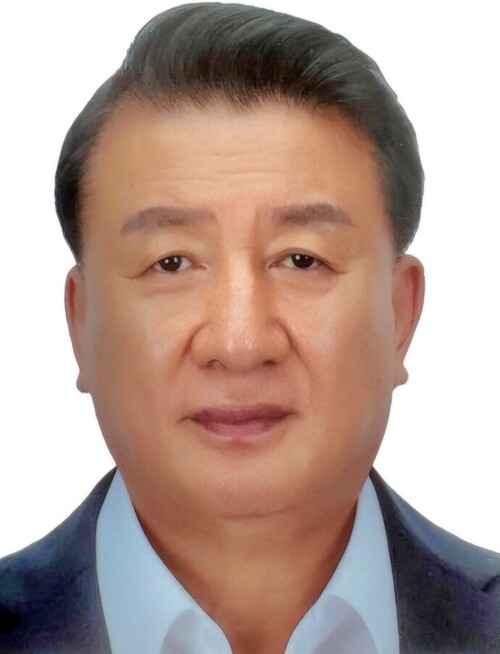
▲ 이승만 전 대통령. ©브레이크뉴스 |
한국은 아직도 지도자를 신화로 보거나 악마로만 치부하려는 경향에서 벗어나지 못하고 있다. 성인군자이길 기대하면서도, 단 하나의 과오를 들추어 역사의 죄인으로 낙인찍는 이중적 태도, 이것이야말로 미성숙한 민주공화국의 자화상은 아닌가. 이승만을 다시 바라봐야 할 이유는 여기에 있다.
건국대통령 이승만은 누구보다 뜨겁게 조국을 사랑했고, 누구보다 치열하게 조국의 독립과 자유를 위해 싸운 인물이었다. 그러나 오늘날 그의 이름에는 여전히 독재자와 친일파라는 양극단의 수식어가 붙는다. 과연 이승만은 그러한 오명에 갇힌 인물인가, 아니면 시대적 한계를 끌어안은 비운의 지도자인가.
○ 친일인가, 전략인가—냉전과 국가 생존의 길목에서
이승만을 친일파라 부르는 주장은 역사의 맥락을 무시한 억측에 가깝다. 그는 평화선을 선포하며 독도를 수호했고, 대일청구권 협상에서도 원칙적이고 강경한 태도를 견지했다. 그의 정치에는 분명 보수적 실용주의가 깔려 있었지만, 그것이 곧 일제에 부역한 친일행위로 등치되어선 안 된다.
해방 직후 미군정은 공산세력에 맞서 식민지 관료들을 행정기반으로 활용했으며, 이는 구조적으로 친일청산을 제약하는 틀을 낳았다. 이승만은 이 구조 위에서 반공 자유주의 체제를 수립하는 길을 택했다. 그 선택은 때로는 타협이었고, 때로는 외교적 현실주의였다. 결과적으로 반민특위의 해산을 초래한 정치적 책임에서 그는 자유로울 수 없다. 그러나 친일파를 기용한 것과 그 자신이 친일파였다는 것은 전혀 다른 문제다. 이를 구분하지 않는 것은 정치적 의도든, 무지이든 역사 왜곡이다.
더욱이 일제강점기 조선 내부의 항일무장투쟁은 극히 제한적이었다. 조선인 대다수는 체제 내 생존을 강요당했고, 이승만은 그러한 현실로부터 가장 멀리 떨어진 망명 독립운동가로, 진정한 비협력의 상징이었다. 그의 반일 투쟁은 미국과 국제사회에서 외교전으로 이어졌고, 이는 훗날 대한민국 외교노선의 초석이 된다.
○ 독재의 그림자 속에서 지켜낸 자유의 기초
이승만의 정치가 말기에 권위주의로 흐르고, 결국 4.19 혁명으로 종결된 것은 분명한 역사적 사실이다. 발췌개헌과 사사오입 개헌, 3.15 부정선거는 자유민주주의의 근간을 흔드는 과오였고, 그에 대한 국민의 저항은 정당했다. 그러나 당시 세계 신생독립국의 지도자들이 대개 장기집권과 유혈탄압으로 나아간 것과 비교하면, 이승만의 퇴장은 달랐다. 그는 무혈 하야라는 전례 없는 결단을 통해 민주주의의 명맥을 잇는 길을 택했다.
그는 조선왕조와 일제라는 이중의 억압체제를 넘어서, 자유민주주의라는 새로운 질서를 이 땅에 뿌리내리게 한 인물이었다. 그의 국가건설 구상은 반공, 자유, 민주의 원칙 위에 세워졌고, 그 기반이 오늘의 대한민국을 지탱하는 토대가 되었다. 이승만이 아니었다면, 한반도의 운명은 지금과 크게 달랐을지도 모른다.
○ 대한민국의 설계자, 이승만이 남긴 열 가지 유산
그의 삶은 근대와 현대를 가로지르는 하나의 역사였다. 조선 말기부터 해방 이후까지, 약 70년의 격랑기를 관통하며 그는 한국인의 운명을 설계한 정치가이자 교육자, 외교가였다. 다음의 열 가지는, 그가 남긴 핵심적인 유산이다.
1. 입헌주의 선각자—배재학당 시절 서재필과 만민공동회를 주도하고 입헌군주제의 가능성을 제시했다.
2. 학문의 거장—워싱턴대 학사, 하버드대 석사, 프린스턴대 박사 학위를 5년 만에 취득했다.
3. 임시정부 초대 대통령—국제무대에서 조선 독립을 외치며 글로벌 독립운동을 전개했다.
4. 공산화 저지자—남한 단독정부 수립을 감행하는 결단을 보여주었다.
5. 남녀 평등 투표권 보장—1948년 여성 참정권을 부여함으로써 세계사적 선진 사례를 만들었다.
6. 적산불하로 산업 기반 조성—삼성, SK 등 대기업의 태동과 기반을 마련했다.
7. 농지개혁으로 자작농 창출—반공과 토지 개혁의 결합으로 안정된 농촌사회를 구축했다.
8. 초등 의무교육 실시—문맹 퇴치와 교육 기반 확보로 산업화의 토대를 마련했다.
9. 한미동맹 체결의 설계자—반공포로 석방으로 미국의 군사개입을 이끌어냈다.
10. 전후 복구 원조의 주역—8억 달러 미국 원조 유치로 전후 한국경제의 생명선을 마련했다.
○ 균형의 시각으로 역사와 마주해야
이승만은 성인이 아니었다. 그러나 성인을 요구받았던 시대의 최전선에서 누구보다 고독하게 국가를 이끌었다. 오늘날 우리가 해야 할 일은 그를 신격화하거나 폄하하는 것이 아니라, 그를 인간으로, 역사적 인물로 바라보는 일이다.
이제는 대한민국이 성숙한 시민의 시선으로 건국의 역사를 돌아볼 때다. 조지 워싱턴이 노예를 가졌다고 해서, 링컨이 전쟁을 벌였다고 해서, 드골이 독단적이었다고 해서 그들을 영웅의 자리에서 끌어내리는 나라는 없다. 대한민국 역시 이제는 공과(功過)를 함께 짚는 역사적 품격을 보여야 한다.
그는 살아 있는 시대의 불꽃이었고, 치열하게 시대를 이끈 지도자였다. 이승만의 이름에 우리가 붙여야 할 단 하나의 수식어가 있다면, 그것은 아마도 '건국의 아버지'일 것이다. jeongkeekim@naver.com
*필자/김정기
 ▲필자/ 김정기 <대한민국과 세계 이야기>의 저자. ©브레이크뉴스 |
● 학력
- 뉴욕주립대학교(Stony Brook) 정치학과 수석 졸업
- 마케트대학교(Marquette) 로스쿨 법학박사
- 하버드대학교(Harvard) 케네디스쿨 최고위 과정
- 베이징대학교(Peking) 북한학 연구학자
● 경력
- 세계스마트시티기구(WeGO) 사무총장 (현)
- 유엔 국제전기통신연합 (UN ITU) 가상세계 및 AI 글로벌 이니셔티브 집행위원(현)
- 아시아태평양지방정부네트워크(CityNet) 대표
- 제8대 주상하이 대한민국 총영사(13등급 대사)
- 2010 상하이엑스포 대한민국관 정부대표
- 제17대 대선 한나라당 이명박 대통령 후보 국제위원장
- 제20대 대선 국민의힘 윤석열 대통령 후보 정치개혁 공약 총괄
- 제21대 대선 국민의힘 김문수 대통령 후보 외교고문
- 자유한국당 오세훈 당대표 후보 SH전략회의 총괄 및 조직본부 총괄본부장
- 자유한국당 서울시장 예비후보
- 법무법인 대륙아주 중국 총괄 미국변호사
- 난징대학교 국제경제연구소 객좌교수
- 동국대학교 경영전문대학원 석좌교수
- 숭실사이버대학교 총장
● 저서
1. 대학생을 위한 거로영어연구[전 10권](거로출판사)
2. 나는 1%의 가능성에 도전한다(조선일보사)
3.<한국형 협상의 법칙> 저자.
4.<대한민국과 세계 이야기>의 저자.
*아래는 위 기사를 '구글 번역'으로 번역한 영문 기사의 [전문]입니다. '구글번역'은 이해도 높이기를 위해 노력하고 있습니다. 영문 번역에 오류가 있을 수 있음을 전제로 합니다.<*The following is [the full text] of the English article translated by 'Google Translate'. 'Google Translate' is working hard to improve understanding. It is assumed that there may be errors in the English translation.>
The Founding Father, Syngman Rhee, Revisited... On the 60th Anniversary of His Death
- Columnist Kim Jeong-gi
Korea still has not been able to escape the tendency to view leaders as myths or demons. While expecting them to be saintly gentlemen, they also brand them as sinners of history by pointing out a single mistake. Isn’t this the self-portrait of an immature democratic republic? Here is why we need to look at Syngman Rhee again.
Founding President Syngman Rhee loved his country more passionately than anyone else and fought for the independence and freedom of his country more fiercely than anyone else. However, today, his name is still accompanied by the extreme adjectives of dictator and pro-Japanese collaborator. Was Syngman Rhee a person trapped in such stigma, or was he an unfortunate leader who embraced the limitations of his time?
○ Pro-Japanese or strategic - At the crossroads of the Cold War and national survival
The claim that Syngman Rhee was a pro-Japanese collaborator is close to speculation that ignores the historical context. He declared a peace line and defended Dokdo, and maintained a principled and firm stance in the negotiations over claims against Japan. His politics clearly had conservative pragmatism, but this should not be equated with pro-Japanese acts that served the Japanese.
Immediately after liberation, the US military government used colonial officials as an administrative base against communist forces, which created a framework that structurally restricted the liquidation of pro-Japanese elements. Syngman Rhee chose to establish an anti-communist liberal system on top of this structure. His choice was sometimes a compromise, and sometimes a diplomatic realism. As a result, he cannot be free from the political responsibility that led to the dissolution of the Special Committee on Anti-Japanese Activities. However, employing pro-Japanese elements and being pro-Japanese himself are completely different issues. Not distinguishing between the two is a distortion of history, whether politically motivated or ignorant.
Furthermore, the armed struggle against Japanese imperialism within Joseon during the Japanese colonial period was extremely limited. The majority of Koreans were forced to survive within the system, and Syngman Rhee was the most exiled independence activist from that reality, and a true symbol of non-cooperation. His anti-Japanese struggle led to diplomatic warfare in the United States and the international community, which later became the cornerstone of South Korea’s diplomatic line.
○ The foundation of freedom preserved in the shadow of dictatorship
It is a clear historical fact that Syngman Rhee’s politics drifted toward authoritarianism in the final stages and ultimately ended with the April 19 Revolution. The constitutional amendments, the constitutional amendments by Sa Sa O Ip, and the rigged elections of March 15 were mistakes that shook the foundations of liberal democracy, and the people’s resistance to them was justified. However, compared to the leaders of newly independent countries around the world who usually took long-term power and bloody suppression, Syngman Rhee’s departure was different. He chose the path of continuing the tradition of democracy through the unprecedented decision to step down without bloodshed.
He was a figure who overcame the dual oppressive systems of the Joseon Dynasty and the Japanese colonial rule and established a new order called liberal democracy in this land. His vision of nation-building was founded on the principles of anti-communism, freedom, and democracy, and that foundation became the foundation that supports today’s Republic of Korea. If it had not been for Syngman Rhee, the fate of the Korean peninsula might have been very different.
○ Ten Legacies of Syngman Rhee, the Designer of the Republic of Korea
His life was a history that spanned the modern and contemporary eras. From the late Joseon Dynasty to the liberation, he was a politician, educator, and diplomat who designed the fate of the Korean people through a period of turmoil of approximately 70 years. The following ten are his core legacies.
1. A pioneer in constitutionalism—He led the Manmin Common Association with Seo Jae-pil during his time at Baejae School and suggested the possibility of a constitutional monarchy.
2. A giant of scholarship—He earned his bachelor’s degree from the University of Washington, his master’s degree from Harvard, and his doctorate from Princeton University in five years.
3. The first president of the provisional government—He called for Korean independence on the international stage and launched a global independence movement.
4. A person who prevented communism—He showed determination to establish a separate government in South Korea.
5. Guaranteed equal voting rights for men and women—He created an advanced example in world history by granting women the right to vote in 1948.
6. Established an industrial base through the sale of enemy property—He laid the foundation for the birth and foundation of large corporations such as Samsung and SK.
7. Created independent farmers through land reform—He built a stable rural society through the combination of anti-communism and land reform.
8. Implemented compulsory elementary education—He laid the foundation for industrialization by eradicating illiteracy and securing an educational foundation.
9. Architect of the ROK-US alliance—He led the US military intervention by releasing anti-communist prisoners.
10. A key figure in postwar recovery aid—He secured the lifeline of the postwar Korean economy by attracting $800 million in US aid.
○ We must face history with a balanced perspective
Syngman Rhee was not a saint. However, he led the nation more alone than anyone else at the forefront of an era when sainthood was required. What we must do today is not to deify or belittle him, but to look at him as a human being and a historical figure.
It is now time for the Republic of Korea to look back on the history of its founding with the eyes of mature citizens. No country would dethrone George Washington from his position as a hero just because he had slaves, Lincoln waged war, or De Gaulle was dogmatic. The Republic of Korea must now also show the historical dignity of weighing both merits and demerits.
He was a living flame of the times, and a leader who fiercely led the times. If there is one adjective we should give to Syngman Rhee’s name, it would probably be ‘Father of the Nation.’ jeongkeekim@naver.com
*Author/Kim Jeong-gi
● Education
- Graduated from Stony Brook University, Department of Political Science with honors
- Doctor of Law, Marquette University School of Law
- Harvard Kennedy School, Senior Program
- Peking University, North Korean Studies Research Scholar
● Career
- Secretary General of the World Smart Cities Organization (WeGO) (current)
- Executive Committee Member of the Virtual World and AI Global Initiative of the United Nations International Telecommunication Union (UN ITU) (current)
- Representative of the Asia-Pacific Local Government Network (CityNet)
- 8th Consul General of the Republic of Korea in Shanghai (13th Ambassador)
- Government Representative of the Republic of Korea Pavilion at the 2010 Shanghai Expo
- Chairman of the International Affairs Committee of the 17th Presidential Election, Grand National Party, Lee Myung-bak
- General Manager of the 20th Presidential Election, People Power Party, Yoon Seok-yeol
- Foreign Affairs Advisor of the 21st Presidential Election, People Power Party, Kim Moon-soo
- Liberty Korea Party Oh Se-hoon, candidate for party leader, SH Strategy Conference, General Manager and Organization Headquarters General Manager
- Liberty Korea Party Seoul Mayor Candidate
- Law Firm Continental Aju, General Manager of China, American Lawyer
- Visiting Professor, Nanjing University International Economic Research Institute
- Dongguk University Graduate School of Business, Distinguished Professor
- President, Soongsil Cyber University
● Books
1. Georo English Studies for College Students [10 Volumes] (Georo Publishing)
2. I Challenge the 1% Possibility (Chosun Ilbo)
3. Author of <The Laws of Korean Negotiation>.
4. Author of <The Story of the Republic of Korea and the World>.