경제정의실천시민연합(경실련)은 7월 23일(수)오후 4시, 국정기획위원회 외교안보 분과를 방문해 남북관계 개선 및 교류협력 활성화를 위한 정책 제언을 전달하고 면담을 진행했다.
경실련은 이 자리에서 외교·안보·남북관계 전반에 대한 정책적 방향을 공유하고, 특히 시민사회와 지방정부의 협력 여지를 넓힐 수 있는 제도적 기반 마련을 제안했다.
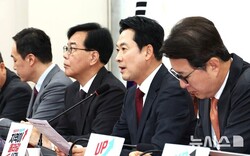
 ▲ 경실련은 “남북문제에 대한 국민적 공감대 형성과 갈등 해소를 위해 사회적 대화의 제도화가 필요하다”며, “지역 단위 조직망을 갖춘 민주평화통일자문회의를 활용해 상시적인 논의 구조를 마련할 것”을 제안했다. 아울러 평화 개념이 교육 정책에서 제한되었던 사례를 지적하며, 학교와 시민사회 영역에서 평화통일 교육을 체계적으로 확대할 필요가 있다고 강조했다. (사진, 경실련 제공) © 김충열 정치전문기자 |
이날 면담에는 국정기획위원회 측에서 홍현익 외교안보 분과장, 정대진, 이종주, 김은옥 위원이 참석했으며, 경실련 측에서는 김일한 통일협회 위원장(동국대 북한학연구소 교수), 서휘원 팀장, 배정현 간사가 참석했다.
남북관계 개선을 위한 실질적 계기로 군사적 긴장완화 조치로서 과거 정부에서 한미연합군사훈련 조정이 정상회담의 전환점이 되었던 사례를 언급하며, 해당 사안에 대한 정책적 재검토를 제안했다.
경실련은 “남북문제에 대한 국민적 공감대 형성과 갈등 해소를 위해 사회적 대화의 제도화가 필요하다”며, “지역 단위 조직망을 갖춘 민주평화통일자문회의를 활용해 상시적인 논의 구조를 마련할 것”을 제안했다. 아울러 평화 개념이 교육 정책에서 제한되었던 사례를 지적하며, 학교와 시민사회 영역에서 평화통일 교육을 체계적으로 확대할 필요가 있다고 강조했다.
경실련은 남북교류협력이 중앙정부 중심으로 운영되어 온 구조적 한계를 지적하며, 지방정부와 시민사회가 독자적으로 참여할 수 있는 정책적 공간이 마련되어야 한다고 보았다. 이러한 기반 위에서 최근 북한이 금강산과 원산·갈마 등 관광 개발에 집중하고 있는 점을 언급하며, 관광이 교류 재개의 현실적인 계기가 될 수 있다는 판단을 공유했다.
이어 개성공단 재개가 쉽지 않은 과제임을 전제하면서도, 경제협력 방향을 모색해야 할 시점이라고 강조하고, 개성공단의 단계적 복원 또는 대체 가능한 협력 모델에 대한 정책 논의의 시작을 요청했다.
이에 국정기획위 외교안보 분과에서는 경실련의 제안 내용에 대하여 취지와 방향에 대해 공감을 표시하며, 개별 사안에 있어서 현실적으로 고민하고 있는 현실적인 부분들과 고려하고 있는 지점들을 공유한 것으로 알려졌다. hpf21@naver.com
* 아래는 위 기사를 '구글 번역'으로 번역한 영문 기사의 [전문]입니다. '구글번역'은 이해도 높이기를 위해 노력하고 있습니다. 영문 번역에 오류가 있을 수 있음을 전제로 합니다.
*The following is [the full text] of the English article translated by 'Google Translate'. 'Google Translate' is working hard to improve understanding. It is assumed that there may be errors in the English translation.
Citizens' Coalition for Economic Justice (CCEJ) "Proposes to the State Affairs Planning Committee the adjustment of the ROK-US joint military exercises, and the resumption of tourism and the Kaesong Industrial Complex as social dialogue mechanisms"
Proposal to utilize the Peaceful Unification Advisory Committee for the normalization of inter-Korean relations
On Wednesday, July 23, at 4:00 PM, the Citizens' Coalition for Economic Justice (CCEJ) visited the State Affairs Planning Committee's Diplomacy and Security Division to deliver policy suggestions for improving inter-Korean relations and revitalizing exchanges and cooperation and conducted an interview. At this meeting, CCEJ shared policy directions for diplomacy, security, and inter-Korean relations in general, and proposed establishing an institutional foundation to expand the scope of cooperation between civil society and local governments.
From the State Affairs Planning Committee, Hong Hyun-ik, Director of the Diplomacy and Security Division, Jeong Dae-jin, Lee Jong-joo, and Kim Eun-ok attended the interview, while from the CCEJ, Kim Il-han, Chairman of the Unification Association (Professor of the Institute of North Korean Studies at Dongguk University), Team Leader Seo Hwi-won, and Secretary Bae Jeong-hyeon attended.
As a practical opportunity to improve inter-Korean relations, the Korea Center for International Finance mentioned the case where the adjustment of the ROK-US joint military exercises was a turning point for the summit meeting as a measure to ease military tensions in the past government, and proposed a policy review of the matter.
The Korea Center for International Finance stated that “institutionalization of social dialogue is necessary to form a national consensus on inter-Korean issues and resolve conflicts,” and proposed “establishing a permanent discussion structure by utilizing the Democratic Peace and Unification Advisory Council with a regional organization network.” It also pointed out cases where the concept of peace was limited in education policy and emphasized the need to systematically expand peace and unification education in schools and civil society.
The Korea Center for International Finance pointed out the structural limitations of inter-Korean exchanges and cooperation being centered on the central government, and believed that a policy space should be created where local governments and civil society can participate independently. Based on this, it shared the judgment that tourism could be a realistic opportunity to resume exchanges, mentioning that North Korea has recently been focusing on tourism development in Geumgangsan, Wonsan, and Galma.
While also stating that the resumption of the Kaesong Industrial Complex is not an easy task, he emphasized that it is time to seek a direction for economic cooperation, and requested the start of policy discussions on the gradual restoration of the Kaesong Industrial Complex or an alternative cooperation model.
In response, the Foreign Affairs and Security Division of the State Affairs Planning Committee expressed sympathy for the purpose and direction of the proposal by the Korea Center for International Finance, and reportedly shared the realistic aspects that they are considering and the points that they are considering in each case. hpf21@naver.com