지금 대한민국은 한 전직 대통령과 특검이 연출하는 구치소 현장을 보며 당혹감과 분노에 휩싸여 있다. 그러나 진짜 절망은 그 장면 자체가 아니라, 그 인물이 한때 대한민국의 대통령이었다는 사실에 있다. 윤석열 전 대통령, 그는 전직 검찰총장이자, 전직 대통령이다. 그는 왜 끝내 지도자가 되지 못했는가. 그가 남긴 것은 무엇이며, 우리는 지금 무엇을 목도하고 있는가.
 ▲ 윤석열-김건희 전 대통령 부부. |
우리는 대통령직을 내려놓은 이들의 품격을 안다. 박근혜 전 대통령은 묵묵히 법정에 섰고, 이명박 전 대통령은 조용히 수감되었으며, 문재인 전 대통령은 정적의 표적이 되더라도 사저에서 침묵을 지켰다. 그러나 윤석열 전 대통령은 달랐다. 그는 구속된 이후에도 구치소 안에서 정치를 이어가고 있다. 입장문을 내고, 공당인 국민의힘을 원격으로 흔드는 듯한 모습까지 보이고 있다. 이것은 전직 대통령의 모습이 아니라, 마치 거리의 정치 운동가의 모습에 가깝다. 참으로 부끄러운 일이다.
이 기이한 현실의 배후에는, 바로 검찰이라는 구조적 괴물이 자리하고 있다. 검찰은 정치검사 윤석열을 대통령으로 만들었고, 이제는 그를 삼키고 있다. 정권이 바뀔 때마다 반복되는 장면이다. 검찰은 충성의 가면을 쓰고 권력에 기생하다가, 시간이 지나면 칼을 빼들고 권력의 심장을 찌른다. 박근혜 정부는 국정농단 수사로 무너졌고, 이명박 전 대통령은 BBK 사건으로 수감되었다. 문재인 전 대통령 역시 퇴임 직후 울산시장 선거 개입, 서해 공무원 피격 사건, 원전 폐쇄 등으로 수사의 대상이 되었다. 이재명 대표도 예외는 아니다. 누구든 권력을 쥔 순간, 검찰은 그를 잠재적 먹잇감으로 간주한다. 그래서 한국에는 사표가 될 만한 전직 대통령이 단 한 명도 없다. 왜인가. 검찰이 그들을 모두 몰살시켰기 때문이다. 후세에 귀감이 될 지도자 한 명 남기지 않았다.
이 나라 대통령들은 임기를 마쳐도 살아남지 못한다. 정권이 끝나면, 반드시 감옥이거나 죽음이거나 정치적 파산이다. 어느 한 명도, 우리의 청소년에게 이런 지도자가 되라고 가르칠 수 없다. 후세에 가르침의 기준, 리더십의 모델, 국가 지도자의 교과서가 될 인물이 단 한 명도 남아 있지 않다.
그 책임의 상당 부분은 검찰에 있다. 그동안 대한민국 검찰은 미래의 국가 리더십 자산을 철저히 파괴해왔다. 검찰이 대통령을 다루는 방식은 수사가 아니라 처형에 가깝다. 이 나라의 역대 대통령들은 지도자가 아닌 범죄자로 퇴장하는 운명을 강요받아왔다. 이제는 바꿔야 한다. 대통령을 보호하자는 게 아니다. 그가 퇴임한 뒤에도 후세의 사표로 남을 수 있도록, 정치와 검찰의 역할이 구분되고, 헌법 정신이 지켜져야 한다는 말이다. 사표 없는 국가엔 미래가 없다.
이것은 단순한 우연이 아니다. 대한민국의 검찰은 이미 하나의 제도화된 시스템으로, 민주주의 국가에 존재하는 어떤 조직보다 더 강고한 권력 구조를 갖고 있다. 수사권과 기소권을 모두 독점한 세계 유일의 권력기관으로서, 검찰은 법을 집행하는 공무원이면서 동시에 정치 권력의 형성과 해체에 개입하는 실질적 행위자가 되어 있다.
그러나 이들은 국민의 선택을 받은 권력이 아니다. 검찰은 선출되지 않았고, 견제받지 않으며, 책임지지도 않는다. 정당도 없이 정치를 하고, 헌법기관도 아닌 행정부 소속 법무부 외청에 불과하면서도 입법부, 행정부, 심지어 사법부까지 좌지우지하는 시도를 해왔다.
조국 전 법무장관을 무너뜨린 것도, 윤석열을 대통령으로 만든 것도, 김건희 여사를 겨냥해 정권을 뒤흔드는 것도 모두 검찰의 손에서 비롯됐다. 이처럼 검찰은 때로는 정의의 이름으로, 때로는 언론과 결탁하여 여론을 앞세우며 권력을 휘두른다.
더 기이한 것은 이 권력이 법적, 정치적 책임으로부터 자유롭다는 점이다. 선출직도 아닌 검사가, 그것도 대통령의 임명을 받아 일하는 직업 공무원이, 오히려 대통령 앞에서 사람에 충성하지 않는다며 권력의 위에 서려 한다. 참으로 가당찮은 일이다.
그럼에도 불구하고 왜, 어떻게 이들이 이토록 막강한 권력 집단이 되었는가? 그 해답은 명확하다. 검찰은 수사와 기소라는 두 개의 칼날을 한 손에 쥔 유일한 조직이다. 정치적 이해관계와 조직의 생존 논리가 결합될 때, 검찰은 법을 수단으로 삼아 정권을 흔들고, 상대를 제거하며, 스스로의 권력을 확대하는 행태를 반복해왔다. 이것이 바로 검찰공화국이라 불리는 대한민국의 구조적 병폐다.
그러나 윤석열 전 대통령은 이 권력의 실체를 누구보다 잘 아는 인물이었다. 그는 검찰의 칼을 등에 업고 정치에 뛰어들었다. 문재인의 검찰총장으로 4계급 특진하여 이름을 알렸고, 이후 반문재인의 아이콘으로 급부상해 대통령에까지 올랐다. 그러나 그에게는 국정 철학도, 국가 비전도, 지도자의 품격도 없었다. 검찰의 후광만 있었을 뿐, 통찰도 책임도 없이 권력만을 탐한 권력의 부산물에 불과했다.
지도자는 위기 앞에서 결단으로 증명된다. 노무현 전 대통령은 검찰 수사 앞에서도 억울하다는 말조차 하지 않았다. 누구를 탓하지도 않았고, 끝내 자신의 죽음으로 역사와 국민에게 진 빚을 스스로 갚았다. 그는 억울함을 감내한 것이 아니라, 책임을 짊어진 것이다. 윤석열은 어떤가. 그는 지금 구치소에서 '억울하다', '정권이 불법이다'를 외치며 스스로를 피해자라 주장하고 있다. 반성은 없고, 부끄러움도 없으며, 오직 정치만 남았다.
이제는 물어야 할 때다. 검찰은 누구를 위해 존재하는가. 정권을 만들고 무너뜨리며, 공당을 조종하는 이 거대한 권력은 과연 국민을 대표하는가, 정의를 수호하는가, 아니면 자신들의 기득권을 위한 존재인가. 대한민국은 언제까지 대통령보다 센 검찰을 견뎌야 하는가.
해답은 분명하다. 검찰을 해체하라. 수사권은 경찰에, 기소권은 미국식 대배심제(Grand Jury)와 나누라. 한 손에 두 칼을 쥔 검찰은 더 이상 민주공화국의 제도라 할 수 없다. 그것은 군사정권의 유물이자, 권력 유지를 위한 괴물 조직이다. 고쳐 쓸 수 없다. 개혁이 아니라 해체만이 답이다.
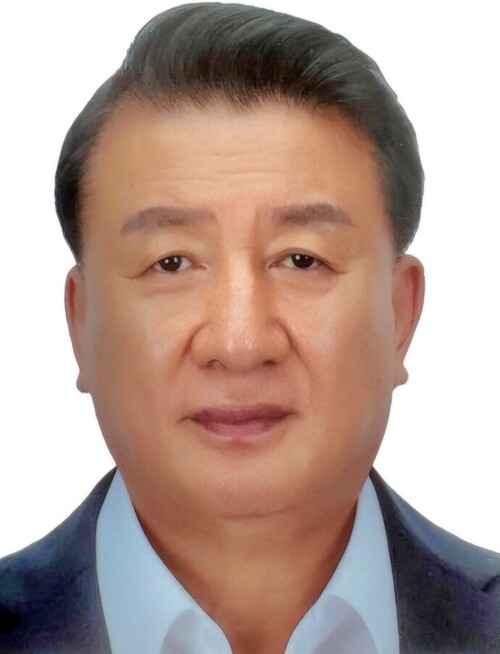
 ▲필자/ 김정기 미국 변호사. ©브레이크뉴스 |
윤석열 전 대통령은 검찰 권력의 부산물로 대통령이 되었고, 검찰의 칼날에 의해 무너지고 있다. 이 악순환은 반드시 끊어야 한다. 그가 마지막으로 해야 할 일은 단 하나다. 정치적 욕망을 내려놓고, 침묵으로 책임을 지며, 역사에서 조용히 퇴장하는 것이다. 그것이 그가 여전히 보수라는 이름을 입에 올릴 자격이 남아 있다면, 반드시 지켜야 할 마지막 예의다. 그렇지 않으면 그는 한국 정치사에서 가장 치욕스러운 이름 중 하나로 남게 될 것이다. jeongkeekim@naver.com
*필자/김정기
● 학력
- 뉴욕주립대학교(Stony Brook) 정치학과 수석 졸업
- 마케트대학교(Marquette) 로스쿨 법학박사
- 하버드대학교(Harvard) 케네디스쿨 최고위 과정
- 베이징대학교(Peking) 북한학 연구학자
● 경력
- 세계스마트시티기구(WeGO) 사무총장 (현)
- 유엔 국제전기통신연합 (UN ITU) 가상세계 및 AI 글로벌 이니셔티브 집행위원(현)
- 아시아태평양지방정부네트워크(CityNet) 대표
- 제8대 주상하이 대한민국 총영사(13등급 대사)
- 2010 상하이엑스포 대한민국관 정부대표
- 제17대 대선 한나라당 이명박 대통령 후보 국제위원장
- 제20대 대선 국민의힘 윤석열 대통령 후보 정치개혁 공약 총괄
- 제21대 대선 국민의힘 김문수 대통령 후보 외교고문
- 자유한국당 오세훈 당대표 후보 SH전략회의 총괄 및 조직본부 총괄본부장
- 자유한국당 서울시장 예비후보
- 법무법인 대륙아주 중국 총괄 미국변호사
- 난징대학교 국제경제연구소 객좌교수
- 동국대학교 경영전문대학원 석좌교수
- 숭실사이버대학교 총장
● 저서
1. 대학생을 위한 거로영어연구[전 10권](거로출판사)
2. 나는 1%의 가능성에 도전한다(조선일보사)
3.<한국형 협상의 법칙> 저자.
4.<대한민국과 세계 이야기>의 저자.
*아래는 위 기사를 '구글 번역'으로 번역한 영문 기사의 [전문]입니다. '구글번역'은 이해도 높이기를 위해 노력하고 있습니다. 영문 번역에 오류가 있을 수 있음을 전제로 합니다.<*The following is [the full text] of the English article translated by 'Google Translate'. 'Google Translate' is working hard to improve understanding. It is assumed that there may be errors in the English translation.>
Yoon Seok-yeol of the Prosecutor's Republic: Why Did He Never Become a Leader?
"Yoon Seok-yeol became president as a byproduct of the prosecutor's power, and was destroyed by its blade."
- Columnist Kim Jeong-gi
South Korea is now gripped by bewilderment and anger, witnessing the detention center scene orchestrated by a former president and a special prosecutor. However, the true despair lies not in the scene itself, but in the fact that this man was once the president of South Korea. Former President Yoon Seok-yeol, he is both former Prosecutor General and former President. Why did he ultimately fail to become a leader? What did he leave behind, and what are we witnessing now?
We know the character of those who have stepped down from the presidency. Former President Park Geun-hye stood silently in court, former President Lee Myung-bak was quietly imprisoned, and former President Moon Jae-in remained silent in his private residence, even when targeted by his political opponents. However, former President Yoon Seok-yeol was different. Even after his arrest, he continued his political activities from within the detention center. They've even issued statements and appeared to remotely sway the ruling People Power Party. This isn't the behavior of a former president, but more like a street-level political activist. It's truly shameful.
Behind this bizarre reality lies the structural monster known as the prosecution. The prosecution made political prosecutor Yoon Seok-yeol president, and now it's devouring him. This is a recurring pattern with every change in government. The prosecution, disguised as a cloak of loyalty, exploits power, only to draw its sword and strike at the very heart of power as time passes. The Park Geun-hye administration collapsed amidst the investigation into state affairs corruption, and former President Lee Myung-bak was imprisoned for the BBK scandal. Former President Moon Jae-in, immediately after leaving office, was also investigated for his interference in the Ulsan mayoral election, the shooting of a public official in the West Sea, and the shutdown of a nuclear power plant. Lee Jae-myung is no exception. The moment anyone seizes power, the prosecution views them as potential prey. This is why there isn't a single former president in Korea worthy of resignation. Why? Because the prosecution has wiped them all out. They have not left behind a single leader who can serve as an example for future generations.
Presidents in this country do not survive their terms. When their regime ends, they face imprisonment, death, or political bankruptcy. Not a single one can teach our youth to become such leaders. Not a single person remains who can serve as a model for future generations, a model for leadership, or a textbook for national leaders.
A significant portion of this responsibility lies with the prosecution. For so long, the prosecution has thoroughly destroyed future national leadership assets. The way it treats the president is closer to execution than investigation. Past presidents in this country have been forced to leave office as criminals, not leaders. This must change. This is not about protecting the president. It's about separating the roles of politics and the prosecution, and upholding the spirit of the Constitution, so that even after leaving office, he can remain a legacy for future generations. A nation without a legacy has no future.
This is no mere coincidence. The prosecution in South Korea is already an institutionalized system, possessing a power structure more robust than any other organization in a democratic nation. As the world's only powerful institution possessing both investigative and prosecutorial powers, the prosecution is simultaneously a public servant enforcing the law and a de facto agent intervening in the formation and dissolution of political power.
However, it is not a power elected by the people. The prosecution is unelected, unchecked, and unaccountable. It engages in politics without a political party, and despite being merely an external agency of the Ministry of Justice, not a constitutional institution, it has attempted to influence the legislative, executive, and even judicial branches.
The overthrow of former Justice Minister Cho Kuk, the election of Yoon Seok-yeol to the presidency, and the destabilization of the government by targeting First Lady Kim Kun-hee all stemmed from the prosecution's hands. In this way, the prosecution wields its power, sometimes in the name of justice, and sometimes in collusion with the media, swaying public opinion.
What's even more bizarre is that this power is free from legal and political accountability. Prosecutors, unelected and a career civil servant appointed by the president, are attempting to assert their power over the president, claiming disloyalty to others. This is truly absurd.
Nevertheless, why and how did they become such a powerful group? The answer is clear. The prosecution is the only organization that wields the dual blades of investigation and indictment. When political interests and the logic of organizational survival intertwine, the prosecution has repeatedly used the law as a means to destabilize the government, eliminate opponents, and expand its own power. This is the structural malaise of the Republic of Korea, often called the "Republic of Prosecutors."
However, former President Yoon Seok-yeol understood the true nature of this power better than anyone else. He entered politics with the prosecution's sword at his back. He rose to fame after being promoted four ranks to become Moon Jae-in's Prosecutor General, and later rose to prominence as an anti-Moon Jae-in icon, ultimately ascending to the presidency. However, he lacked a governing philosophy, a national vision, or the qualities of a leader. He possessed only the aura of the prosecution, a mere byproduct of power driven by a desire for power, devoid of insight or accountability.
A leader is proven by his decisiveness in the face of crisis. Former President Roh Moo-hyun, even under the prosecution's investigation, refused to even acknowledge the injustice. He didn't blame anyone, and ultimately, with his own death, he repaid his debt to history and the people. He didn't just endure the injustice; he shouldered responsibility. What about Yoon Seok-yeol? He's currently in prison, shouting, "It's unfair!" and "The regime is illegal," claiming to be a victim. There's no reflection, no shame, only politics.
Now is the time to ask: For whom does the prosecution exist? Does this immense power, which creates and destroys regimes and manipulates political parties, truly represent the people, uphold justice, or serve their own vested interests? How long must the Republic of Korea endure a prosecution more powerful than the president?
The answer is clear: disband the prosecution. Share investigative power with the police, and indictment power with a US-style grand jury. A prosecution wielding two swords in one hand can no longer be considered a democratic republic. It is a relic of the military regime, a monstrous organization bent on maintaining power. It cannot be rewritten. The only answer is dismantlement, not reform.
Former President Yoon Seok-yeol became president as a byproduct of the prosecutorial power, and he is being torn apart by its blade. This vicious cycle must be broken. There is only one final thing he must do: put aside his political ambitions, take responsibility in silence, and quietly withdraw from history. This is the final courtesy he must uphold if he still has the right to speak the name conservative. Otherwise, he will go down as one of the most shameful names in Korean political history. jeongkeekim@naver.com
*Author/Kim Jeong-gi
● Education
- Graduated summa cum laude from the State University of New York (Stony Brook) with a degree in Political Science
- Doctor of Law, Marquette Law School
- Graduated from Harvard Kennedy School of Government
- North Korean Studies Research Scholar, Peking University
● Career
- Secretary General of the World Smart Cities Organization (WeGO) (current)
- Executive Committee Member, Virtual World and AI Global Initiative, UN International Telecommunication Union (UN ITU) (current)
- Representative of the Asia-Pacific Local Government Network (CityNet)
- 8th Consul General of the Republic of Korea in Shanghai (Ambassador, Class 13)
- Government Representative, Republic of Korea Pavilion, 2010 Shanghai Expo
- Chairman of the International Affairs Committee, Grand National Party (GNP) Presidential Candidate Lee Myung-bak in the 17th Presidential Election
- Chief of Political Reform Pledges, People Power Party Presidential Candidate Yoon Seok-yeol in the 20th Presidential Election
- Foreign Affairs Advisor, People Power Party Presidential Candidate Kim Moon-soo in the 21st Presidential Election
- Liberty Korea Party Oh Se-hoon, candidate for party leadership, SH Strategy Council, and General Manager of the Organization Headquarters
- Liberty Korea Party's preliminary candidate for Seoul mayor
- American attorney, China representative, Continental Aju Law Firm
- Visiting Professor, Nanjing University International Economics Institute
- Distinguished Professor, Dongguk University Graduate School of Business
- President, Soongsil Cyber University
● Books
1. Georo English Studies for University Students [10 Volumes] (Georo Publishing)
2. I Challenge the 1% Chance (Chosun Ilbo)
3. Author of <The Laws of Korean Negotiation>
4. Author of <The Story of Korea and the World>