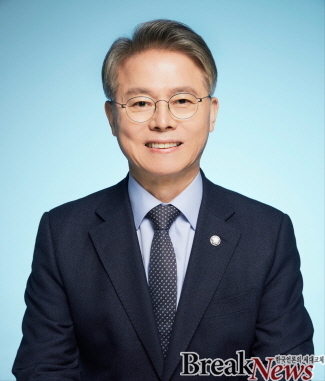
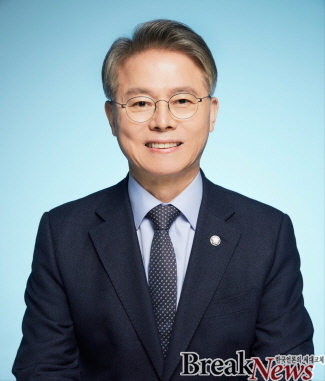
▲필자/ 김정기 칼럼니스트. ©브레이크뉴스 |
한국 정치에서 영남(대구·경북·부산·울산·경남)과 호남(광주·전남·전북) 지역 구도는 오랜 세월 갈등과 대립의 상징이었다. 군사정권 잔재와 5·18 민주화운동의 정치적 성역화가 지역 감정을 증폭시켰고, 지역주의를 고착화한 선거제도와 정치 문화가 이를 더욱 견고하게 만들었다.
○ 한국 영호남 대립 해소를 위한 해법이 절실하다
한국의 영호남 지역주의 대립은 선거제도 고착화와 경제·산업·행정·정치 권력의 집중이라는 복합 문제에서 비롯됐다. 이를 극복하려면 다음 다섯 가지 핵심 과제를 체계적으로 추진해야 한다.
첫째, 중대선거구제를 도입하면 지역주의 약화와 다당제 정착이 가능하다. 현재 소선거구제는 특정 지역 정당 독점과 정치 양극화를 심화시킨다. 3~5인 중대선거구제를 도입하면 소수 의견과 제3당 진출이 용이해져 다당제가 정착되고 지역 독점 폐해가 완화된다. 한국도 중대선거구제로 선거구를 재편해 지역주의 색채 희석과 정책 경쟁 활성화를 도모해야 한다.
둘째, 행정구역 개편이 필요하다. 현재의 도 중심 행정구조는 광역 단위가 지나치게 커 행정 효율성이 떨어지고 지역 간 불균형이 심하다. 도농 복합 광역자치단체 확대를 통해 행정권한 집중을 분산시키고 지역 맞춤형 정책 집행이 가능하도록 해야 한다. 도 폐지 후 신설된 광역자치단체에 자치권과 재정권을 대폭 강화하고, 행정 기능 중복 최소화 및 지방정부 간 협력체계 구축이 필수다.
셋째, TK·부울경·호남·충청 등 4대 광역경제권 육성이 필요하다. 수도권 집중은 지방 경제 위축과 인구 감소를 가속화하고, 영호남 지역 갈등 심화의 원인이다. 권역별 경제권 육성, 산업 클러스터 조성, 기반 시설 확충, 광역 교통망 강화가 필요하다. 지방과 중앙 정부가 협력해 권역별 전략 수립과 투자를 확대해야 한다.
넷째, 재정·행정 분권을 강화하고 중앙부처를 지방으로 이전해야 한다. 중앙정부 권한 집중은 지방정부 자율성과 책임성을 저해한다. 지방세 확대와 주재원 비중 증대, 국가재정지원사업 구조조정, 중앙부처 지방 이전 및 행정 권한 이양이 필요하다. 한국은 지방세법 개정, 중앙재정교부금 제도 개선, 중앙부처 분산 배치와 지방 인력 육성에 힘써야 한다.
다섯째, 역사적 성역을 해체해야 한다. TK의 군사정권 잔재와 호남의 5·18 민주화운동은 정치적 지역주의 대립의 근본 원인이다. 역사적 존중은 유지하되, 이를 정치적 대립이나 무기화 도구로 삼지 않는 문화를 조성해야 한다. 한국은 역사 관련 지역주의 담론에 대한 비판적 성찰과 공론화 장 마련, 교육·문화 프로그램을 통한 상호 이해 증진, 정치권과 시민사회의 책임 있는 태도를 촉구해야 한다.
○ 해외 사례에 길이 있다
미국, 일본, 영국, 독일, 프랑스 등 해외 선진국들은 경제 다변화, 행정·재정 분권, 권한 이양, 선거구 재조정 등 다층적 개혁을 통해 지역 갈등을 완화했다. 이들 사례를 벤치마크하면 한국도 충분히 변화의 길을 모색할 수 있다.
미국은 남북전쟁 이후 100년 넘게 남부가 민주당 텃밭, 북부가 공화당 중심이라는 고착된 지역정치를 겪었다. 인종 갈등과 경제 불균형, 정치적 고착이 심각했지만, 1965년 ‘투표권법’으로 불평등한 투표권 구조를 개혁했다. 동시에 남부에 제조업, 항공, 자동차 산업을 유치해 경제구조를 다변화시킴으로써 남부를 새로운 경제 중심지로 변화시켰다. 1960~80년대 ‘남부 전략’에 따른 정당 재편도 지역 진영의 고착을 약화시켰다. 즉, 선거제도 개혁과 경제·산업 구조 변화의 결합이 지역 갈등 완화의 장기적 해법임을 보여준다.
일본은 도쿄 중심의 중앙집권에 대한 간사이(오사카·교토) 지역의 불만이 컸다. 간토지역에 인프라와 행정 인사가 편중되며 정치적 균형이 무너졌다. 이를 극복하기 위해 간사이권을 산업·관광 거점으로 육성하고, 지역 기반 정당인 ‘오사카유신회’를 통해 정치 세력을 확장했다. 2000년대 초 지방분권 법제 도입으로 중앙정부 권한을 지방자치단체에 이양해 지역 정치·행정 독립성을 강화했다. 지방정당과 행정구역 재편은 중앙집권의 경직성을 완화하는 데 핵심 역할을 했다.
영국은 잉글랜드 중심 정치경제 체제에 불만을 품은 스코틀랜드와 북아일랜드의 독립·분리 요구를 지속적으로 관리해야 했다. 1998년 권한 이양을 통해 이들 지역에 의회와 행정 자치권을 부여하고, 재정분권으로 지역정부가 세금을 직접 징수·집행할 수 있도록 했다. 전국 정당들이 지역 문제를 반드시 의제로 다루게 만드는 정치문화 변화도 제도화했다. 이를 통해 실질적 지방자치가 지역 갈등 완화에 필수임을 입증했다.
독일은 통일 이후 동독 지역 경제·정치 영향력이 약화되면서 동서 투표 성향이 갈렸다. 독일은 ‘연대세’를 도입해 20년간 막대한 재정이전을 실시하고 동부 인프라·교육·기업 유치에 집중 투자했다. 연방기관을 베를린·본·드레스덴 등으로 분산 배치해 행정권력 집중을 방지했다. 세대교체 과정도 정치 선택 변화를 촉진해 동서 갈등 완화에 기여했다.
프랑스는 파리 집중 현상으로 지방 소외 문제가 심각했다. 일부 정부 부처와 공공기관을 리옹, 툴루즈, 보르도 등으로 이전하고 TGV 고속철도망 확충으로 지방 접근성을 높였다. 지방 문화와 관광 자립 전략도 병행해 수도권 과도 집중을 완화했다.
○ 결론이다
이처럼 중대선거구제 도입, 행정구역 개편, 광역경제권 육성, 재정·행정 분권 강화, 역사적 성역 해체라는 다섯 과제를 체계적으로 추진할 때 영호남 지역주의 갈등 완화와 국가 균형 발전이 가능하다. 해외 선진 사례와 한국 실정을 적절히 접목한 통합적 개혁만이 정치적 화합과 지속 가능한 발전을 이끌 것이다. 이제 한국 정치가 진정한 통합과 발전을 향해 한 걸음 더 나아가야 할 때다. 해외 사례에서 얻은 교훈과 우리 현실을 절묘하게 접목한 통합적 개혁만이 정치적 화합과 지속 가능한 국가 발전을 이끌 수 있을 것이다. jeongkeekim@naver.com
*필자/김정기
● 학력
- 뉴욕주립대학교(Stony Brook) 정치학과 수석 졸업
- 마케트대학교(Marquette) 로스쿨 법학박사
- 하버드대학교(Harvard) 케네디스쿨 최고위 과정
- 베이징대학교(Peking) 북한학 연구학자
● 경력
- 세계스마트시티기구(WeGO) 사무총장 (현)
- 유엔 국제전기통신연합 (UN ITU) 가상세계 및 AI 글로벌 이니셔티브 집행위원(현)
- 아시아태평양지방정부네트워크(CityNet) 대표
- 제8대 주상하이 대한민국 총영사(13등급 대사)
- 2010 상하이엑스포 대한민국관 정부대표
- 제17대 대선 한나라당 이명박 대통령 후보 국제위원장
- 제20대 대선 국민의힘 윤석열 대통령 후보 정치개혁 공약 총괄
- 제21대 대선 국민의힘 김문수 대통령 후보 외교고문
- 자유한국당 오세훈 당대표 후보 SH전략회의 총괄 및 조직본부 총괄본부장
- 자유한국당 서울시장 예비후보
- 법무법인 대륙아주 중국 총괄 미국변호사
- 난징대학교 국제경제연구소 객좌교수
- 동국대학교 경영전문대학원 석좌교수
- 숭실사이버대학교 총장
● 저서
1. 대학생을 위한 거로영어연구[전 10권](거로출판사)
2. 나는 1%의 가능성에 도전한다(조선일보사)
3. 한국형 협상의 법칙(청년정신사)
4. 대한민국과 세계 이야기 (도서출판 책미듬)
5. Korea and the World (Advance Reader Copy)
*아래는 위 기사를 '구글 번역'으로 번역한 영문 기사의 [전문]입니다. '구글번역'은 이해도 높이기를 위해 노력하고 있습니다. 영문 번역에 오류가 있을 수 있음을 전제로 합니다.<*The following is [the full text] of the English article translated by 'Google Translate'. 'Google Translate' is working hard to improve understanding. It is assumed that there may be errors in the English translation.>
South Korea must overcome the Yeongnam-Honam political structure to survive!
"Election system reform, economic and administrative decentralization, and benchmarking overseas examples"
- Columnist Kim Jeong-gi
In Korean politics, the regional divide between Yeongnam (Daegu, North Gyeongsang Province, Busan, Ulsan, and South Gyeongsang Province) and Honam (Gwangju, South Jeolla Province, and North Jeolla Province) has long been a symbol of conflict and confrontation. The remnants of military rule and the political sanctuary of the May 18th Democratization Movement exacerbated regional sentiment, and the electoral system and political culture that entrenched regionalism further solidified it.
○ A solution to resolve the Yeongnam-Honam conflict in South Korea is urgently needed
The regional conflict between Yeongnam and Honam in South Korea stems from the complex problems of the entrenched electoral system and the concentration of economic, industrial, administrative, and political power. To overcome this, the following five key tasks must be systematically pursued.
First, introducing a multi-member district system can weaken regionalism and establish a multi-party system. The current single-member district system exacerbates the monopoly of certain political parties in certain regions and political polarization. Introducing a multi-member district system with three to five members would facilitate minority opinions and third-party entry, solidifying a multi-party system and mitigating the harmful effects of regional monopolies. Korea should also reorganize its electoral districts to adopt a multi-member district system to dilute regionalism and invigorate policy competition.
Second, administrative district reform is necessary. The current provincial-centered administrative structure, with its overly large metropolitan units, hinders administrative efficiency and creates severe regional imbalances. The expansion of urban-rural composite metropolitan autonomous bodies should decentralize administrative authority and enable regionally tailored policy implementation. The newly established metropolitan autonomous bodies following the abolition of provincial governments should be given significant autonomy and financial authority, minimizing overlapping administrative functions and establishing a cooperative system between local governments.
Third, the development of the four major metropolitan economic regions—TK, Busan, Ulsan, Gyeonggi, Honam, and Chungcheong—is essential. The concentration of power in the Seoul metropolitan area accelerates regional economic contraction and population decline, and is a contributing factor to the deepening conflict in the Yeongnam and Honam regions. Regional economic zones, industrial clusters, infrastructure expansion, and strengthening of metropolitan transportation networks are necessary. Local and central governments must cooperate to develop regional strategies and expand investment.
Fourth, fiscal and administrative decentralization must be strengthened and central government ministries must be relocated to local governments. The concentration of central government authority undermines local government autonomy and accountability. Local taxes must be expanded, the proportion of expatriates must be increased, national financial support programs must be restructured, central government ministries must be relocated to local governments, and administrative authority must be devolved. Korea must revise local tax laws, improve the central financial grant system, decentralize central government ministries, and foster local human resources.
Fifth, historical sanctuaries must be dismantled. The remnants of the military regime in TK and the May 18th Democratization Movement in Honam are the root causes of political regionalism and conflict. We must foster a culture that upholds respect for history, but does not use it as a tool for political confrontation or weaponization. Korea must engage in critical reflection on regionalist discourse related to history, establish forums for public discussion, foster mutual understanding through educational and cultural programs, and urge responsible attitudes from politicians and civil society.
○ Overseas Cases Offer a Path
Developed countries such as the United States, Japan, the United Kingdom, Germany, and France have mitigated regional conflicts through multi-layered reforms, including economic diversification, administrative and financial decentralization, devolution of power, and redistricting. By benchmarking these examples, Korea can sufficiently explore its own path to change.
For over a century since the Civil War, the United States has experienced entrenched regional politics, with the South dominated by the Democratic Party and the North by the Republican Party. Racial conflict, economic imbalance, and political entrenchedness plagued the region. However, the Voting Rights Act of 1965 reformed the unequal voting system. Simultaneously, the South attracted manufacturing, aviation, and automobile industries, diversifying its economic structure and transforming it into a new economic hub. The party realignment implemented under the "Southern Strategy" of the 1960s and 1980s also weakened the entrenched regional factions. In other words, this demonstrates that a combination of electoral reform and changes in economic and industrial structure is a long-term solution to alleviating regional conflict.
In Japan, there was significant dissatisfaction in the Kansai region (Osaka and Kyoto) with the centralized government centered in Tokyo. The concentration of infrastructure and administrative personnel in the Kanto region disrupted political balance. To overcome this, the Kansai region was developed as an industrial and tourism hub and political power was expanded through the Osaka Restoration Association, a regional political party. In the early 2000s, the introduction of decentralization legislation transferred central government authority to local governments, strengthening regional political and administrative independence. Local political parties and administrative district reorganization played a key role in easing the rigidity of centralization.
The United Kingdom had to continuously manage the demands for independence and secession from Scotland and Northern Ireland, which were dissatisfied with the English-centric political and economic system. Through devolution in 1998, these regions were granted parliamentary and administrative autonomy, and fiscal decentralization allowed local governments to directly collect and execute taxes. They also institutionalized a political culture shift that required national political parties to address regional issues. This demonstrated that effective local autonomy was essential to alleviating regional conflict.
After reunification, Germany's East-West voting patterns diverged as the economic and political influence of East Germany weakened. Germany introduced a "solidarity tax" to implement massive fiscal transfers over a period of 20 years, focusing investments on infrastructure, education, and attracting businesses to the East. They decentralized federal agencies to cities like Berlin, Bonn, and Dresden to prevent the centralization of administrative power. Generational change also fostered a shift in political choices, contributing to the easing of East-West conflict.
France, facing a severe regional isolation due to the concentration of power in Paris, relocated some government ministries and public institutions to cities like Lyon, Toulouse, and Bordeaux, and expanded the TGV high-speed rail network to improve accessibility to the regions. They also implemented strategies for regional cultural and tourism independence, mitigating the over-concentration of power in the capital.
○ Conclusion
Systematically pursuing these five tasks—introducing a multi-member district system, reorganizing administrative districts, fostering metropolitan economic zones, strengthening fiscal and administrative decentralization, and dismantling historical sanctuaries—will alleviate regional conflicts between the Yeongnam and Honam regions and achieve balanced national development. Only integrated reforms that appropriately combine advanced international practices with Korea's current situation will lead to political harmony and sustainable development. Now is the time for Korean politics to take a further step toward true integration and development. Only integrated reforms that skillfully integrate lessons learned from international examples with our own realities will lead to political harmony and sustainable national development. jeongkeekim@naver.com
*Author/Kim Jeong-gi
● Education
- Graduated summa cum laude from the State University of New York (Stony Brook) with a degree in Political Science
- Doctor of Law, Marquette Law School
- Graduated from Harvard Kennedy School of Government
- North Korean Studies Research Scholar, Peking University
● Career
- Secretary General of the World Smart Cities Organization (WeGO) (current)
- Executive Committee Member, Virtual World and AI Global Initiative, UN International Telecommunication Union (UN ITU) (current)
- Representative of the Asia-Pacific Local Government Network (CityNet)
- 8th Consul General of the Republic of Korea in Shanghai (Ambassador, Class 13)
- Government Representative, Republic of Korea Pavilion, 2010 Shanghai Expo
- Chairman of the International Affairs Committee, Grand National Party (GNP) Presidential Candidate Lee Myung-bak in the 17th Presidential Election
- Chief of Political Reform Pledges, People Power Party Presidential Candidate Yoon Seok-yeol in the 20th Presidential Election
- Foreign Affairs Advisor, People Power Party Presidential Candidate Kim Moon-soo in the 21st Presidential Election
- Liberty Korea Party Oh Se-hoon, Candidate for Party Leader, SH Strategy Council, and General Manager of the Organization Headquarters
- Liberty Korea Party's Seoul Mayoral Candidate
- American Attorney, Head of China, Continental Law Firm
- Visiting Professor, Nanjing University International Economics Institute
- Distinguished Professor, Dongguk University Graduate School of Business
- President, Soongsil Cyber University
● Books
1. Georo English Studies for College Students [10 Volumes] (Georo Publishing)
2. I Challenge the 1% Chance (Chosun Ilbo)
3. The Law of Korean Negotiation (Chungnyeon Jeongshin Publishing)
4. Korea and the World (Chaekmidum Publishing)
5. Korea and the World (Advance Reader Copy)