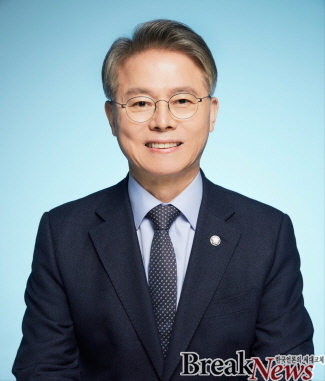
▲ 필자/김정기 칼럼니스트. ©브레이크뉴스 |
국회를 통과한 방송법 개정안은 결코 국민이 바란 개혁이 아니다. 이름은 방송 개혁이라 하지만, 실상은 공영방송과 민영 보도채널까지 언론노조의 손아귀에 넘겨주는 길을 열었을 뿐이다. 사장과 보도책임자는 국민추천위원회와 노사 동수 편성위원회의 심사를 거쳐야 하고, 직원 과반이 동의하지 않으면 임명조차 불가능하다. 편성위원회는 노조의 거부권 장치로 기능하고, 3개월 안에 기존 경영진을 몰아내라는 조항까지 담겼다. 이것은 개혁이 아니다. 이것은 권력의 이동일 뿐이다. 정치에서 노조로 권력이 옮겨갈 뿐, 국민에게는 돌아오지 않는다.
민주당은 시민 참여와 공정 방송이라고 말한다. 그러나 국민은 이미 경험했다. 공영방송이 특정 진영의 확성기로 전락했던 쓰라린 기억이 있다. 정치권의 장악이 위험하다면, 노조의 장악 역시 똑같이 위험하다. 정치와 노조가 나눠 가진 방송, 그 순간 방송은 민주주의의 혈관이 아니라 권력의 도구가 된다. 혈관을 틀어쥔 자가 민주주의의 숨을 끊는다.
○ 역사가 증언하는 방송 장악의 위험
언론노조는 파업과 여론전을 무기로 사장 인사에 개입해왔다. 정권이 바뀔 때마다 정치권과 손잡아 경영진을 갈아치웠다. 이제 그 일시적 개입이 법으로 제도화된다. 일시적 투쟁이 영구적 지배로 고착되는 순간, 방송은 더 이상 국민의 것이 아니다.
해외의 사례는 우리에게 경고한다.
이탈리아 RAI, 프랑스 ORTF, 일본 NHK—정당과 노조가 결탁해 편성을 나눠 먹은 순간, 국민의 신뢰는 무너졌다. 터키의 에르도안은 민중의 목소리라는 가면을 쓰고 방송을 억압했고, 반대 언론을 폐쇄했다. 베네수엘라의 차베스·마두로 정권은 친정부 노조를 앞세워 방송을 장악했고, 비판 PD와 기자들을 추방했다. 히틀러는 노동조합과 언론을 결합해 게벨스 선전기구를 세웠고, 그 선전의 불길 속에서 민주주의는 사라졌다. 방법은 달랐으나 결과는 같았다. 방송을 장악한 자는 국민을 침묵시켰고, 침묵한 국민 위에 독재가 태어났다.
○ 방송 개혁은 권력의 재편이 아니라 국민의 개혁이어야 한다
방송 개혁은 권력의 재편이 아니라 국민의 개혁이어야 한다. 이사회와 편성위원회를 정치권과 노조로 채우지 말고, 학계와 법조계, 시청자 대표와 내부 전문가가 함께하는 다원적 구조로 바꿔야 한다. 시청자위원회를 자문이 아니라 실질적 권한을 가진 평가기구로 세워야 한다. 사장과 보도책임자 임명은 전 과정을 국민 앞에 공개하고, 청문회를 통해 검증해야 한다. 임기는 법으로 보장해 외부 압박을 차단해야 한다. 민영 보도채널을 공영방송 규율로 묶는 것은 시장을 왜곡하는 일이다. 시장은 자율에 맡기되, 독립성과 투명성을 제도로 보장해야 한다.
방송의 공정성은 억지 균형이 아니다. 정확성과 신뢰, 국민의 평가 위에서만 세워진다. 정치권도, 노조도 위반하면 예외 없이 제재받아야 한다.
 ▲국회의사당. |
○ 방송은 민주주의의 심장이다
방송은 권력의 전리품이 아니다. 방송은 민주주의의 심장이고, 국민의 눈과 귀다. 지금의 방송법 개정은 단순한 제도 변경이 아니다. 이것은 대한민국을 독재로 이끄는 문이 될 수 있다.
그 문 앞에 선 지금, 우리는 선택해야 한다. 방송을 권력에 내줄 것인가, 아니면 국민의 손에 되찾을 것인가. 답은 하나다. 국민이 직접 나서 방송을 지켜내야 한다. Jeongkeekim@naver.com
*필자/김정기
● 학력
- 뉴욕주립대학교(Stony Brook) 정치학과 수석 졸업
- 마케트대학교(Marquette) 로스쿨 법학박사
- 하버드대학교(Harvard) 케네디스쿨 최고위 과정
- 베이징대학교(Peking) 북한학 연구학자
● 경력
- 세계스마트시티기구(WeGO) 사무총장 (현)
- 유엔 국제전기통신연합 (UN ITU) 가상세계 및 AI 글로벌 이니셔티브 집행위원(현)
- 아시아태평양지방정부네트워크(CityNet) 대표
- 제8대 주상하이 대한민국 총영사(13등급 대사)
- 2010 상하이엑스포 대한민국관 정부대표
- 제17대 대선 한나라당 이명박 대통령 후보 국제위원장
- 제20대 대선 국민의힘 윤석열 대통령 후보 정치개혁 공약 총괄
- 제21대 대선 국민의힘 김문수 대통령 후보 외교고문
- 자유한국당 오세훈 당대표 후보 SH전략회의 총괄 및 조직본부 총괄본부장
- 자유한국당 서울시장 예비후보
- 법무법인 대륙아주 중국 총괄 미국변호사\
- 난징대학교 국제경제연구소 객좌교수
- 동국대학교 경영전문대학원 석좌교수
- 숭실사이버대학교 총장
● 저서
1. 대학생을 위한 거로영어연구[전 10권](거로출판사)
2. 나는 1%의 가능성에 도전한다(조선일보사)
3. 한국형 협상의 법칙(청년정신사)
4. 대한민국과 세계 이야기 (도서출판 책미듬)
5. Korea and the World (Advance Reader Copy)
*아래는 위 기사를 '구글 번역'으로 번역한 영문 기사의 [전문]입니다. '구글번역'은 이해도 높이기를 위해 노력하고 있습니다. 영문 번역에 오류가 있을 수 있음을 전제로 합니다.<*The following is [the full text] of the English article translated by 'Google Translate'. 'Google Translate' is working hard to improve understanding. It is assumed that there may be errors in the English translation.>
The National Assembly's Broadcasting Act Amendment Must Be Citizen-Centered!
-Columnist Kim Jeong-gi
The amendment to the Broadcasting Act passed by the National Assembly is by no means the reform the public desired. While it's called broadcasting reform, in reality, it merely opens the way for public broadcasters and private news channels to be placed under the control of media unions. The president and chief news officer must undergo review by a National Recommendation Committee and a Programming Committee with equal representation from labor and management, and appointments cannot be made without the consent of a majority of employees. The Programming Committee functions as a union veto mechanism, and even includes a clause requiring the ouster of existing management within three months. This is not reform. It's merely a shift in power. Power simply shifts from politics to unions, never returning to the people.
The Democratic Party speaks of citizen participation and fair broadcasting. However, the public has already experienced it. We have the bitter memory of public broadcasting being reduced to a megaphone for a particular faction. If political control is dangerous, so too is union control. When broadcasting is divided between politics and unions, it becomes a tool of power, not a lifeline of democracy. He who controls the blood vessels suffocates democracy.
○ The Dangers of Controlling Broadcasting as Testified by History
The media union has intervened in the appointment of CEOs, using strikes and public opinion campaigns as weapons. With each change in government, they have collaborated with politicians to replace management. Now, this temporary intervention is being institutionalized by law. The moment temporary struggles become permanent domination, broadcasting no longer belongs to the people.
Overseas examples serve as warnings.
Italy's RAI, France's ORTF, Japan's NHK—the moment political parties and unions colluded to divide programming, public trust collapsed. Turkey's Erdogan, disguised as the voice of the people, suppressed broadcasting and shut down dissenting media outlets. Venezuela's Chávez and Maduro regimes used pro-government unions to control broadcasting, expelling critical producers and journalists. Hitler combined labor unions and the media to establish the Gebels propaganda machine, and democracy perished in the flames of that propaganda. The methods were different, but the results were the same. Those who control broadcasting silenced the people, and dictatorships were born upon the silence of the people.
Broadcasting reform should be about the people, not about the reorganization of power.
Broadcasting reform should be about the people, not about the reorganization of power. Instead of filling the board of directors and programming committees with politicians and labor unions, they should be transformed into a pluralistic structure, involving academia, the legal profession, viewer representatives, and internal experts. The Viewers' Committee should be established as an evaluative body with real authority, not an advisory body. The entire appointment process for the president and news director should be open to the public and subject to verification through hearings. Term limits should be guaranteed by law to prevent external pressure. Binding private news channels to public broadcasting regulations distorts the market. The market should be left to its own devices, but independence and transparency should be guaranteed by institutions.
The fairness of broadcasting is not a forced balance. It is established solely on accuracy, trust, and public evaluation. Violators, whether politicians or labor unions, should be subject to sanctions without exception.
Broadcasting is the heart of democracy.
Broadcasting is not the spoils of power. It is the heart of democracy, the eyes and ears of the people. The current revision of the Broadcasting Act is not a simple change to the system. It could open the door to dictatorship in South Korea.
Now that we stand before that door, we must choose. Will we hand broadcasting over to the authorities, or will we reclaim it in the hands of the people? The answer is simple: the people must step up and protect broadcasting. Jeongkeekim@naver.com
*Author/Kim Jeong-gi
● Education
- Graduated summa cum laude from the State University of New York (Stony Brook) with a degree in Political Science
- Doctor of Law, Marquette Law School
- Graduated from Harvard Kennedy School of Government
- North Korean Studies Research Fellow, Peking University
● Career
- Secretary General of the World Smart Cities Organization (WeGO) (current)
- Executive Committee Member, Virtual World and AI Global Initiative, UN International Telecommunication Union (ITU) (current)
- Representative of the Asia-Pacific Local Government Network (CityNet)
- 8th Consul General of the Republic of Korea in Shanghai (Ambassador, Class 13)
- Government Representative, Republic of Korea Pavilion, 2010 Shanghai Expo
- Chairman of the International Affairs Committee, Lee Myung-bak, Grand National Party Presidential Candidate, 17th Presidential Election
- Chief of Political Reform Platform, Yoon Seok-yeol, People Power Party Presidential Candidate, 20th Presidential Election
- Foreign Affairs Advisor, Kim Moon-soo, People Power Party Presidential Candidate, 21st Presidential Election
- Liberty Korea Party Oh Se-hoon, Candidate for Party Leader, SH Strategy Council and Head of the Organization Headquarters
- Liberty Korea Party's Seoul Mayoral Candidate
- American Attorney, Head of China, Continental Law Firm
- Visiting Professor, Nanjing University International Economics Institute
- Distinguished Professor, Dongguk University Graduate School of Business
- President, Soongsil Cyber University
● Books
1. Georo English Studies for College Students [10 Volumes] (Georo Publishing)
2. I Challenge the 1% Chance (Chosun Ilbo)
3. The Law of Korean Negotiation (Chungnyeon Jeongshin Publishing)
4. Korea and the World (Chaekmidum Publishing)
5. Korea and the World (Advance Reader Copy)