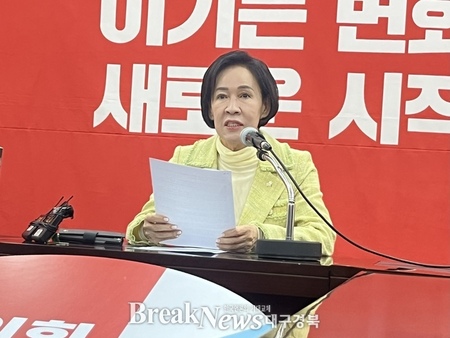
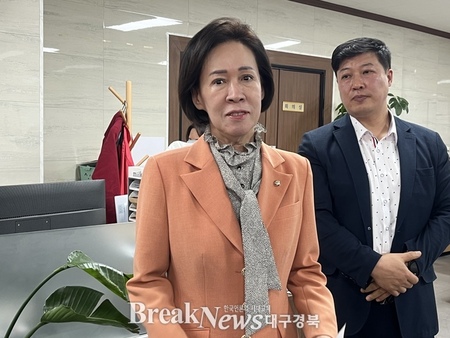
▲ 국민의 힘 진종오 국회 의원(비례대표, 국회 문화체육관광위원회 위원) © 박상도 기자 |
(브레이크뉴스인천 박상도 기자) 국민의힘 진종오 의원(비례대표, 국회 문화체육관광위원회 위원)이 지난 15일, 최근 서울 서대문구 초등학생 유괴 시도 사건을 비롯해 경기 광명, 제주 등 전국에서 아동을 대상으로 한 유괴 및 미수 사건이 잇따라 발생하는 상황과 관련해, ‘미성년자 약취·유괴 방지 4법’을 대표 발의했다.
이번 4법은 처벌 수위 상향, 전자팔찌 부착 기간 및 준수 의무 확대, 아동보호구역 CCTV 실시간 모니터링 전환, 학교 정규 교육과정 내 유괴 예방·위기 대응 교육 의무화를 골자로 한다.
처벌부터 사후 관리, 예방, 교육까지 아동 안전망을 전 과정에서 촘촘히 구축하는 데 초점을 맞췄다.
1. 형법 일부개정법률안
현행 형법은 미성년자 약취·유인 행위를 처벌하도록 규정하고 있으나, 범죄의 중대성에 비해 법정형이 낮다는 지적이 있었다.
최근 전국으로 유사 사건이 잇따르면서 제재 강화 필요성이 커진 상황이다.
이에 개정안은 미성년자 약취하거나 유인한 경우의 법정형을 현행 ‘10년 이하 징역’에서 ‘1년 이상 15년 이하’징역으로 상향했다.
또한 추행·간음·영리 목적의 약취·유인, 인신매매의 경우에도 ‘1년 이상 10년 이하’징역에서 ‘1년 이상 15년 이하’징역으로 강화했다.
2. 전자장치 부착 등에 관한 법률 일부개정법률안
전자발찌 제도는 시행 중이지만, 부착 기간이 짧고 아동보호구역 접근 제한 등 세부 규제가 미흡하다는 지적이 있었다.
개정안은 법정형에 따라 전자장치 부착 기간과 하한과 상한을 전반적으로 높였다.
예컨대 미성년자를 대상으로 한 특정 중대범죄의 경우, 전자장치 부착기간을 최소 20년에서 최대 30년까지 선고할 수 있도록 했다.
또한 법원이 부착 명령이나 보호관찰 명령을 내릴 때, 어린이보호구역 출입금지, 피해자 및 보호자 접근금지, 야간·등하교 시간대 외출 제한 등을 의무적으로 부과하도록 했다.
3. 아동복지법 일부개정법률안
현행 아동복지법은 아동보호구역 내 CCTV 설치만 규정해 사건 발생 이후에만 증거 자료로 활용되는 한계가 있었다.
개정안은 CCTV 영상을 실시간으로 확인·모니터링할 수 있는 제도적 근거를 마련해, 범죄를 사전에 예방하고 사건 발생 시에도 즉각 대응할 수 있도록 했다.
4. 초·등교육법 일부개정법률안
학교 교육 과정에서 유괴 예방 및 위기 대응 교육이 체계적으로 이뤄지지 않고 있다는 지적이 있었다.
개정안은 정규 교육과정에 해당 교육을 의무적으로 포함해 학생들이 실제 상황에서 스스로 보호할 수 있는 역량을 키우도록 했다.
이를 통해 범죄 예방 효과를 높이고, 아동·청소년이 안전하게 성장할 수 있는 사회적 기반을 마련한다는 취지다.
진종오 의원은 “아동 유괴 범죄는 한 가정의 불행을 넘어 사회 전체를 공포에 몰아넣는 중대한 범죄”라며, “처벌, 사후관리, 예방, 교육을 아우르는 전방위 안전망을 구축해 우리 아이들이 안심하고 성장할 수 있는 사회를 만들겠다”고 밝혔다.
*아래는 위 기사를 ‘구글 번역’으로 번역한 영문 기사의 [전문]입니다.‘구글번역’은 이해도 높이기를 노력하고 있습니다. 영문 번역에 오류가 있을 수 있음을 전제로 합니다.<*Below is the full text of the English translation of the above article, translated using Google Translate. Google Translate strives to improve comprehension. Please understand that there may be errors in the English translation.>
Representative Jin Jong-oh Proposes 'Four Laws to Prevent Kidnapping and Abduction of Minors'
-Break News Incheon Park Sang-do Reporter
People Power Party Representative Jin Jong-oh (proportional representation, member of the National Assembly Culture, Sports and Tourism Committee) proposed the 'Four Laws to Prevent Kidnapping and Abduction of Minors' on the 15th, in response to a recent series of child abduction and attempted cases across the country, including an attempted kidnapping of an elementary school student in Seodaemun-gu, Seoul, as well as in Gwangmyeong, Gyeonggi Province, and Jeju Island.
These four laws aim to increase penalties, expand the duration and compliance requirements for electronic bracelets, transition to real-time CCTV monitoring in child protection areas, and mandate kidnapping prevention and crisis response education within the regular school curriculum.
The focus was on establishing a robust child safety net across the entire process, from punishment to follow-up care, prevention, and education.
1. Partial Amendment to the Criminal Act
The current Criminal Act punishes the abduction and enticement of minors, but there have been criticisms that the statutory penalties are lenient compared to the severity of the crime.
The recent spate of similar incidents across the country has heightened the need for stronger sanctions.
Consequently, the amendment increases the statutory penalty for the abduction or enticement of minors from the current 10 years or less in prison to 1 to 15 years.
Furthermore, the penalty for sexual assault, adultery, abduction and enticement for profit, and human trafficking has been increased from 1 to 10 years to 1 to 15 years.
2. Partial Amendment to the Act on Electronic Device Attachment, etc.
While the electronic anklet system is in place, there have been criticisms that the attachment period is short and detailed regulations, such as restrictions on access to child protection areas, are inadequate.
The amendment increases the overall electronic device attachment period, as well as the minimum and maximum limits, depending on the statutory sentence.
For example, for certain serious crimes against minors, the electronic device attachment period can be extended from a minimum of 20 years to a maximum of 30 years.
Furthermore, courts are mandating that attachment orders or probation orders include mandatory prohibitions on entry to child protection areas, prohibition of access by victims and guardians, and restrictions on going out at night and during school hours.
3. Partial Amendment to the Child Welfare Act
The current Child Welfare Act only stipulates the installation of CCTV in child protection areas, limiting its use as evidence only after an incident has occurred.
The amendment establishes an institutional basis for real-time review and monitoring of CCTV footage, enabling the prevention of crime and prompt response in the event of an incident.
4. Partial Amendment to the Elementary and Secondary Education Act
There have been criticisms that kidnapping prevention and crisis response training are not systematically implemented in school curricula.
The amendment mandates this training in the regular curriculum, fostering students' ability to protect themselves in real-life situations.
This aims to enhance crime prevention and establish a social foundation for children and adolescents to grow up safely.
Representative Jin Jong-oh stated, "Child kidnapping is a serious crime that not only causes misery to a single family but also instills fear in the entire society." He added, "We will establish a comprehensive safety net encompassing punishment, follow-up management, prevention, and education to create a society where our children can grow up in peace."
원본 기사 보기:ebreaknews.com