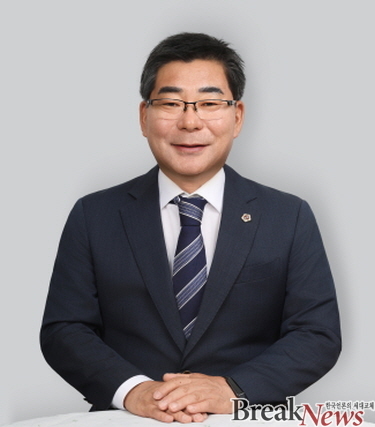
▲ 필자/정길선 박사 ©브레이크뉴스 |
일본은 내무대신 이노우에 가오루(井上馨)를 주 조선 공사로 보내어 조선의 내정개혁을 강요하였다. 일본은 잠정 합동 조관을 근거로 일본인 고문관과 군사 교관의 파견했으며 일본 통화의 유통과 더불어 방곡령 금지 등을 통해 전쟁 협력으로 인해 내정 개혁에 직접적으로 간여하는 별도의 기구를 설치하기보다 명목적으로 조선 독립의 보장을 빙자하여 간섭하고자 했다. 이들은 영국의 이집트 보호와 같은 간접적인 보호국화 하는 것을 목적으로 채택하고 있었다. 1894년 하반기부터 1895년 3월까지 진행된 제2차 갑오개혁 당시 국채 도입은 개혁 관료들의 협상에도 불구하고 일본의 내정 간섭과 통상권익 확보의 연장선상에서 이루어질 수밖에 없었다. 중앙 및 지방 행정 제도의 개혁, 그리고 재정 일원화 등 개혁 정책은 일본으로부터 재정 차관의 도입을 통해 이루어졌으며, 이는 증가하는 일본인 고문관의 역할을 증대시키는 효과를 가져왔다. 조선의 대일 정치 경제적 종속화 및 일본의 간접적인 보호국화는 영국, 미국 등 서구 열강에게도 감지되기 시작했다.
“각하께서 더욱 주목하실 제가 수집한 내용은 다음과 같습니다. 일본은 조선을 자유로운 수중에 두고 싶어 하고 있습니다. 그리고 일본 정부의 희망은 그 나라에 보호국(Protectorate)을 설치하거나 일본의 종주권(Suzerain) (下의) 국가나 봉신국(Vassal State), 또는 조공국(Tributary State)으로 만드는 것입니다.”
1895년 4월 17일, 시모노세키 조약이 체결되었다. 중국과 일본의 교섭 과정에서 독일, 러시아, 프랑스는 일본에 대해 압력을 넣었지만, 이는 조약 체결에 있어 큰 영향력을 발휘하지 못했다. 그러나 한편으로 조선의 자주 독립을 위한 내정 개혁을 명분으로 승전을 이끌어냈기 때문에 전후 열강과의 협동이라는 방침은 불가피했다. 러시아 외상 알렉세이 로바노프(Алексей Лобанов)는 조약 체결과 동시에 독일과 프랑스 그리고 영국 등에게 러시아에 동조하여 요동 반도 점령에 항의할 것을 요청했다. 프랑스는 확고한 러불 동맹의 전제에 따라 협조하였고, 영국은 친일적인 국내 여론과 대 러시아 견제라는 노선에 따라 불간섭 정책을 지속하고자 했다. 오래 전부터 중국 항구의 조차를 통해 무역과 군사 거점을 원했던 빌헬름 2세는 영국의 불간섭 노선을 확신하고 외교부로 하여금 주일 독일 공사에게 러불동맹에 협조할 것을 신속하게 결정했다. 그러한 결과로 인해 4월 23일에 이르러 주일 독일 공사, 러시아 공사, 프랑스 공사는 외무성을 방문해 하야시 곤스케(林権助)와 회동해 요동 반도의 점령을 비롯해서 조약의 전면적인 재고를 요구했다.
삼국동맹은 일본의 요동 반도 점령을 조선의 독립을 유명무실화하는 것으로 간주하고 조선 문제에 대해서 민감하게 대응했다. 삼국간섭에 대해 미국의 전통적인 불간섭 정책과 일본의 기대와 다른 영국의 냉담에 일본은 러시아와 외교적인 타협이라는 대안을 채택할 수밖에 없었다. 영국은 아시아를 두고 러시아와 경쟁하고 있었지만, 삼국과의 관계 악화까지 감수하면서 일본에 협조할 의향은 없었다. 4월 29월, 영국 외상의 킴벌리(Kimberley) 백작 존 워드하우스(John Wodehouse)는 주영일본공사 가토 다카아키(加藤高明)에 대해, 영국은 중립을 지키고, 일본에는 원조할 수 없다는 입장을 전달했다. 한편 궁지에 몰린 이토 히로부미 등은 청나라 황제가 시모노세키 조약의 비준을 거부하는 것을 염려했다. 결국 일본은 여순구(旅順口)를 제외한 요동 반도의 점령 포기 의사를 밝혔지만, 러시아는 그에 응답하지 않고 청나라도 삼국간섭을 빌미로 비준서 교환을 연기하고자 했다. 대안이 없었던 일본 정부는 5월 4일 각의에서 여순구도 포함한 전 요동 반도의 포기를 결정하고 다음 5월 5일 주일 독일, 러시아, 프랑스 공사에게 이러한 결의를 통고했다. 5월 8일, 예정대로 시모노세키 강화 조약 비준서를 교환했고, 한편으로는 조약의 발효에 따라 요동 반도의 환부를 두고 청일 양국은 교섭에 돌입하게 된다.
청일전쟁에서 승리한 일본 제국이 시모노세키 조약을 통해 청나라에게서 요동 반도를 할양받게 되고 영국과 영일동맹마저 맺으며 확고한 지배권을 형성하려하자 부동항을 얻기 위해 동아시아를 지켜보다가 일본의 팽창에 위기를 느낀 러시아 로마노프 제국이 독일 제국과 프랑스를 설득해 이 3국이 일본 제국에 대대적인 외교적인 압력을 행사한 사건이 삼국 간섭이다. 만주로 남하하려는 러시아 로마노프 제국의 니콜라이 2세는 그곳에서 일본의 세력이 강해지는 것을 원하지 않았고 청도와 산동반도에 세력을 갖고 있던 독일 제국의 빌헬름 2세와 영일동맹에 반대하는 프랑스를 끌어들여 시모노세키 조약 체결에서 6일이 지난 1895년 4월 23일 각국 대사들과 함께 일본 외무차관에 외교적 압력을 행사하게 된다. 삼국의 압력에 직면한 일본 정부는 크게 세 가지 방안을 검토했다. 첫 번째는 지금 당장 러시아와 일전을 벌이자는 것이었지만 청일전쟁으로 국력의 소모가 매우 컸으며 러시아 로마노프 제국의 국력은 당시 일본이 상대하기도 역부족이었기에 이러한 의견을 지지하는 측은 거의 없었다. 두 번째는 곧바로 요동반도를 반납하는 것이었고 세 번째는 회담을 통해 해결하는 것이었는데 요동을 청나라에 돌려주는 것은 어쩔 수 없지만 그냥 돌려주면 체면이 서지 않으니 일단 회담을 연 뒤에 여기서 돌려주는 방식을 채택하자는 주장이 우세했다.
하지만 외상 무쓰 무네미쓰(陸奥宗光)가 회담을 벌이면 다른 문제가 제기되어 얻은 것도 놓칠 수 있다는 의견을 제시하면서 두 번째 안이 채택되었다. 청일전쟁에서 할양 받은 대만 섬, 펑후 열도와 더불어 해남도를 요동반도 대신 받으려고 했으나 매우 멀어 결국 배상금을 3,000만 냥을 더 받는 선에서 타협을 봤다. 결과적으로 볼 때 러시아 로마노프 제국의 압력에 부담을 느낀 일본이 어쩔 수 없이 요동반도를 다시 청나라에 반환했다. 청나라는 러시아 제국에게 감사를 표하며 산동반도를 군사 기지로 사용할 수 있도록 해준다. 당연히 일방적인 국력차로 물러나게 되며 일본 대중과 일본군은 러시아 로마노프 제국에 대한 불안감과 더불어 반감과 분노를 지니게 되었으며 특히 1898년에 러시아 제국이 일본이 반환한 여순과 대련을 조차하여 군항으로 활용하게 되자 분노와 불만은 극에 달했다. 이로 인한 일본의 반러 여론이 형성되었고 러시아와의 결전을 준비하게 되었으며 결국 러일전쟁의 계기가 되었다. 1687년 8월, 러시아의 전권 대사 골로빈은 셀렌긴스키(바이칼 호 근처. 현 부리야트 공화국)에 도착해 강희제에게 서신을 보낸다. 러시아는 셀렌긴스키에서 회담을 갖고 싶었지만 갈단 체렝(준가르 부)을 걱정한 청나라는 거부했고 결국 네르친스크에서 협상이 진행되었다. 1689년 6월, 청나라 협상 대표단 허서리 송고투는 골로빈에게 도착했음을 알리고 8월 19일 회담에서 지켜야 할 사항을 골로빈과 정하기 시작했다.
청일전쟁을 일으킨 일본이 경복궁을 무력으로 점령하고 친일 내각을 구성하자 이에 대한 타개책으로 고종과 명성황후는 일본에 압력을 가해 퇴각하게 해준 러시아에 관심을 가지고 러시아 공사관 카를 베베르(Карл Вебер)를 자주 불러들여 우호적인 외교를 했다. 삼국 간섭 이전부터 조선은 러시아와 접촉하려는 시도가 있었는데 이것은 당시까지 조선의 종주국 역할을 했던 청나라와 빠르게 부상하던 일본 모두를 견제하기 위한 것이었다. 하지만 러시아 정부는 청일전쟁 전까지 적극적으로 고종을 돕기 보다는 조선의 요구에 직답을 피하고 자신들이 당면한 유럽 문제에 집중하며 조선의 가치를 두고 고민하던 중이었다. 당연히 겨우 친일 조정을 구성한 조선에 대해 일본은 좋지 않은 면으로 볼 수밖에 없었고 조선마저 러시아에게 장악 당한다는 위기심이 확고하게 된다. 일본 공사관의 세력이 약해지면서 친일 내각의 힘이 약화되고 김홍집(金弘集)과 박영효(朴泳孝)가 알력 다툼을 벌이고 있는데다 김홍집이 총리에서 사퇴하여 친일파의 세력이 더욱 약화되었다. 이 때의 박영효는 친러 성향을 보였고 친러파가 대두했으며 이 친러파 중 후일 악명 높은 친일파 이완용(李完用)도 있었다.
다만 박영효 역시 김홍집과 김윤식(金允植), 어윤중(魚允中) 등에 의해 축출 당했고 김홍집은 다시 내각 총리가 되었지만 세력은 친러파가 가지고 있는 상황이었다. 여기에 다시 친일로 기울어진 박영효가 역모를 시도한 사건을 계기로 일본으로 망명했다. 이에 이토 히로부미 내각은 일본에 돌아와 있던 이노우에 가오루 주한 공사를 다시 급파하여 명성황후를 살해할 계획을 세웠다. 일본 외무성의 지원을 받은 한성신보(漢城新報)를 통해 고종과 명성황후를 연일 비방했고 일본군에게 훈련받던 훈련대를 고의로 조선 순검과 충돌시켜 여론을 호도하는 등 명성황후를 살해할 계획을 세웠다. 그리고 퇴임한 육군 중장 미우라 고로(三浦梧楼)를 신임 주한공사로 삼아 을미사변을 일으키고 친러 내각을 친일 내각으로 재구성시켰다. 이에 친정부 어용 언론인이라는 비판을 받았던 도쿠토미 소호(德富蘇峯)는 청년 시절 자유 민권운동 언론가이자 사상가로서 평민주의를 주장하고 팽창주의를 비판했는데 후일 자신의 회고록에서 삼국간섭으로 인해 정신적으로 완전히 다른 사람이 되었다고 저술했다. 그러나 그는 삼국간섭 이전인 청일전쟁 개시 때부터 언론을 통해 제국주의와 팽창, 대일본주의 이념을 국민들에게 침투시키려고 적극적으로 홍보했다. 청일전쟁 말에는 대일본 팽창론을 통해 요동뿐만 아니라 산동과 대만을 차지하기 위해 계속 전쟁을 벌여야 된다고 호도했다.
*필자/ 정길선.
노바토포스 회원, 역사학자, 고고인류학자, 칼럼니스트, 러시아 과학아카데미 유라시아 고고인류학연구소 연구교수.
*아래는 위 기사를 '구글 번역'으로 번역한 영문 기사의 [전문]입니다. '구글번역'은 이해도 높이기를 위해 노력하고 있습니다. 영문 번역에 오류가 있을 수 있음을 전제로 합니다.<*The following is [the full text] of the English article translated by 'Google Translate'. 'Google Translate' is working hard to improve understanding. It is assumed that there may be errors in the English translation.>
After Japan's Victory in the First Sino-Japanese War, the Triple Intervention: Background to the Deterioration of Relations with Russia
- Jeong Gil-seon, Columnist
Japan dispatched Inoue Kaoru, Minister of the Interior, as Minister to Joseon to force Joseon to implement internal reforms. Japan dispatched Japanese advisors and military instructors based on the provisional joint mission. Furthermore, Japan's cooperation in the war, including the circulation of Japanese currency and the prohibition of grain imports, was not directly linked to the establishment of a separate organization for internal reforms. Rather, Japan sought to nominally guarantee Joseon's independence under the guise of interfering. Their goal was to establish Joseon as an indirect protectorate, similar to Britain's protection of Egypt. The issuance of national bonds during the Second Gabo Reform, which lasted from late 1894 to March 1895, was inevitable as an extension of Japan's interference in domestic affairs and securing trade rights, despite negotiations among reform officials. Reform policies, such as reforms of the central and local administrative systems and fiscal unification, were achieved through the introduction of financial loans from Japan, which had the effect of increasing the role of the growing number of Japanese advisors. Joseon's political and economic subordination to Japan and Japan's indirect protectorate status also began to be noticed by Western powers such as Britain and the United States.
"The following is what I have gathered, which Your Excellency would like to draw your attention to: Japan desires to keep Joseon in free hands. The Japanese government's hope is to establish a protectorate in that country, or to make it a suzerain state of Japan, a vassal state, or a tributary state."
On April 17, 1895, the Treaty of Shimonoseki was concluded. During negotiations between China and Japan, Germany, Russia, and France exerted pressure on Japan, but their influence was limited in concluding the treaty. However, because victory was achieved under the pretext of domestic reforms aimed at securing Joseon's independence, cooperation with the postwar powers was inevitable. Immediately following the conclusion of the treaty, Russian Foreign Minister Alexei Lobanov urged Germany, France, and the United Kingdom to join Russia in protesting the occupation of the Liaodong Peninsula. France cooperated, contingent on the steadfast Russo-French alliance, while Britain, driven by pro-Japanese domestic sentiment and the need to contain Russia, sought to maintain a policy of non-intervention. Kaiser Wilhelm II, who had long desired the lease of Chinese ports to establish trade and military bases, was convinced of Britain's non-interventionist stance and promptly ordered his Ministry of Foreign Affairs to urge the German Minister in Japan to cooperate with the Russo-French alliance. As a result, on April 23, the German, Russian, and French ministers to Japan visited the Ministry of Foreign Affairs and met with Hayashi Gonsuke to demand a comprehensive review of the treaty, including the occupation of the Liaodong Peninsula.
The Triple Alliance viewed Japan's occupation of the Liaodong Peninsula as nullifying Korean independence and reacted sensitively to the Korean issue. Faced with the traditional US policy of non-intervention and Britain's indifference to the Triple Intervention, which defied Japan's expectations, Japan was forced to adopt the alternative of diplomatic compromise with Russia. Britain, while competing with Russia for control of Asia, was unwilling to cooperate with Japan, even at the risk of worsening relations with the three powers. On April 29, the British Foreign Minister, John Wodehouse, Earl of Kimberley, conveyed to the Japanese Minister to the UK, Kato Takaaki, Britain's neutrality and its inability to provide aid to Japan. Meanwhile, cornered figures like Ito Hirobumi were concerned that the Qing emperor might refuse to ratify the Treaty of Shimonoseki. Ultimately, Japan declared its intention to renounce its occupation of the Liaodong Peninsula, excluding Port Arthur. However, Russia did not respond, and the Qing Dynasty, using the Triple Intervention as a pretext, attempted to postpone the exchange of instruments of ratification. Left with no alternative, the Japanese government decided at a cabinet meeting on May 4 to renounce the entire Liaodong Peninsula, including Port Arthur. The following May 5, it notified the German, Russian, and French ambassadors to Japan of this decision. On May 8, the instruments of ratification of the Treaty of Shimonoseki were exchanged as scheduled. Meanwhile, with the treaty's entry into force, Qing and Japan entered into negotiations over the return of the Liaodong Peninsula. After winning the First Sino-Japanese War, the Empire of Japan ceded the Liaodong Peninsula from the Qing Dynasty through the Treaty of Shimonoseki and, by signing the Anglo-Japanese Alliance with Britain, attempted to solidify its dominance. The Romanov Empire of Russia, which had been watching East Asia closely to secure an ice-free port and now felt threatened by Japan's expansion, persuaded the German Empire and France to join forces, and these three countries exerted massive diplomatic pressure on the Empire of Japan. This was known as the Triple Intervention. Nicholas II of the Romanov Empire, intending to expand southward into Manchuria, did not want to see Japan's influence strengthen there. He enlisted the help of Wilhelm II of the German Empire, who held power in Qingdao and the Shandong Peninsula, and France, which opposed the Anglo-Japanese Alliance. On April 23, 1895, six days after the Treaty of Shimonoseki, he and his ambassadors exerted diplomatic pressure on the Japanese Vice-Minister of Foreign Affairs. Faced with this pressure from the three powers, the Japanese government considered three main options. The first option was to immediately engage in war with Russia. However, the First Sino-Japanese War had severely drained Japan's national power, and the Russian Romanov Empire was too powerful for Japan to even match. Therefore, this idea received little support. The second option was to immediately return the Liaodong Peninsula. The third option was to resolve the issue through negotiations. While returning Liaodong to the Qing was inevitable, the prevailing opinion was that simply returning it would be a loss of face, so the issue should be resolved through negotiations.
However, Foreign Minister Mutsu Munemitsu (陸奥宗光) argued that holding negotiations would raise other issues and potentially lead to the loss of gains. The second option was adopted. Japan attempted to receive the islands of Taiwan and the Penghu Islands, ceded in the First Sino-Japanese War, in exchange for the Liaodong Peninsula, but this proved too far off, and a compromise was reached, which included an additional 30 million taels in reparations. Ultimately, Japan, burdened by pressure from the Russian Romanov Empire, had no choice but to return the Liaodong Peninsula to the Qing. The Qing Dynasty expressed its gratitude to the Russian Empire and allowed it to use the Shandong Peninsula as a military base. Naturally, due to the overwhelming national power, it withdrew. This led to a sense of unease, resentment, and anger among the Japanese public and military toward the Russian Romanov Empire. This anger and discontent reached a peak when the Russian Empire leased Lushun and Dalian, which had been returned from Japan, and used them as military ports in 1898. This led to anti-Russian sentiment in Japan, which led to preparations for a decisive battle with Russia, ultimately triggering the Russo-Japanese War. In August 1687, the Russian plenipotentiary ambassador, Golovin, arrived in Selenginsk (near Lake Baikal, present-day Buryatia) and sent a letter to the Kangxi Emperor. Russia wanted to hold talks in Selenginsk, but the Qing, concerned about Galdan Tsereng (the Dzungar tribe), refused, and negotiations were ultimately held in Nerchinsk. In June 1689, Heo Seol-ri, a Qing negotiator, informed Golovin of his arrival and began to discuss the terms of the August 19th meeting with him.
When Japan, instigating the First Sino-Japanese War, seized Gyeongbokgung Palace by force and established a pro-Japanese cabinet, Emperor Gojong and Empress Myeongseong, as a countermeasure, turned their attention to Russia, which had pressured Japan into retreating. They frequently invited Karl Véber, the Russian legation official, to engage in friendly diplomacy. Even before the Triple Intervention, Joseon had attempted to engage with Russia, aiming to counter both the Qing, which had previously served as Joseon's suzerain, and the rapidly rising Japan. However, the Russian government, prior to the First Sino-Japanese War, avoided directly responding to Joseon's demands, focusing on its own pressing European issues and contemplating Joseon's value. Naturally, Japan could not help but view Joseon, which had barely managed to establish a pro-Japanese government, with a negative outlook, and this intensified the sense of crisis that Joseon itself would fall under Russian control. As the power of the Japanese embassy weakened, the pro-Japanese cabinet weakened. Kim Hong-jip and Park Yeong-hyo were locked in a power struggle, and Kim Hong-jip's resignation as Prime Minister further weakened the pro-Japanese faction. Park Yeong-hyo, at this time, displayed pro-Russian leanings, and a pro-Russian faction emerged, including the later infamous pro-Japanese collaborator Yi Wan-yong.
However, Park Yeong-hyo was ousted by Kim Hong-jip, Kim Yun-sik, and Eo Yun-jung. Kim Hong-jip returned to the cabinet as Prime Minister, but the pro-Russian faction held sway. Park Yeong-hyo, now leaning pro-Japanese, fled to Japan after a treason attempt. This prompted the Ito Hirobumi cabinet to dispatch Inoue Kaoru, the Minister to Korea, who had returned to Japan, to plot the assassination of Empress Myeongseong. Through the Hanseong Sinbo (漢城新報), which received support from the Japanese Ministry of Foreign Affairs, he daily slandered Emperor Gojong and Empress Myeongseong. He also deliberately caused a training unit trained by the Japanese military to clash with the Joseon police to manipulate public opinion and hatched a plan to assassinate Empress Myeongseong. He then appointed retired Army Lieutenant General Miura Goro (三浦梧楼) as the new Minister to Korea, instigated the Eulmi Incident, and reorganized the pro-Russian cabinet into a pro-Japanese one. Tokutomi Soho (德富蘇峯), who had been criticized as a pro-government journalist, was a journalist and thinker in the freedom and civil rights movement in his youth who advocated for populism and criticized expansionism. He later wrote in his memoirs that the Triple Intervention had completely changed his mentality. However, even before the Triple Intervention, from the start of the Sino-Japanese War, he had actively promoted the ideologies of imperialism, expansion, and pro-Japanism to the public through the media. At the end of the Sino-Japanese War, he advocated for continued warfare, using his theory of Japanese expansionism to seize not only Liaodong but also Shandong and Taiwan.
lukybaby7@gmail.com
*Author: Jeong Gil-seon.
Novatopos member, historian, paleoanthropologist, columnist, and research professor at the Institute of Eurasian Archaeology and Anthropology, Russian Academy of Sciences.