브레이크뉴스 김충열 정치전문기자 = “뼁끼 부리지 마라” 군대를 다녀온 사람이라면 몇 번씩 들어본 말이다. 군대 내에서 자연스럽게 사용되는 말이지만, 과거 일본군 출신들이 국군 창설 당시 유입되어 퍼진 대표적인 나쁜 용어 중 하나다.
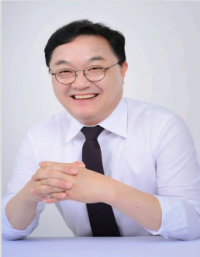
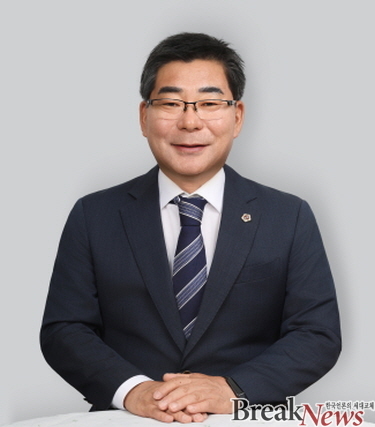
 ▲ 황희 의원은 “우리말의 우수성과 국민적 관심이 높아짐에 따라 우리 사회 곳곳에 남아있는 일본식 한자어, 일본어, 은어, 속어 등을 우리말로 순화하려는 시도가 여러 분야에서 진행되고 있다”며, “많은 청년들이 군대를 거쳐 사회에 진출하는 만큼 국방부도 병영 언어 순화를 위해 다양한 노력을 기울여 줄 것”을 당부했다. © 김충열 정치전문기자 |
국회 국방위원회 소속 더불어민주당 황희 의원(서울 양천갑)이 국방부로부터 제출받은 자료에 따르면, 군대에서 사용하는 병영 언어에 여전히 일본어, 일본식 한자어가 많은 것으로 나타났다.
군대에서 자주 사용하는 대표적인 일본어로는 ‘가라, 뼁끼, 시마이, 쿠사리, 뿜빠이, 나라시’ 등이 있으며 우리말로 가라는 가짜, 뼁끼는 속이는 일, 시마이는 끝냄, 쿠사리는 면박·핀잔, 뿜빠이는 분배·나눔, 나라시는 고루펴기·평탄화 작업을 의미한다.
‘점호, 구보, 고참, 잔반, 시건장치, 총기수입’도 군대에서 익숙하게 사용되는 대표적인 일본식 한자어다. 이를 우리말로 순화하면 점호는 인원 점검, 구보는 달리기(뜀걸음), 고참은 선임, 잔반은 남은 밥·음식 찌꺼기, 시건장치는 잠금장치, 총기 수입은 총기 손질로 바꿔야 한다.
 ▲ 군대에서 자주 사용하는 대표적인 일본어로는 ‘가라, 뼁끼, 시마이, 쿠사리, 뿜빠이, 나라시’ 등이 있으며 우리말로 가라는 가짜, 뼁끼는 속이는 일, 시마이는 끝냄, 쿠사리는 면박·핀잔, 뿜빠이는 분배·나눔, 나라시는 고루펴기·평탄화 작업을 의미한다. © 김충열 정치전문기자 |
군대에서는 일본어, 일본식 한자어뿐 아니라 은어, 속어도 여전히 사용되고 있다. 우리가 흔히 아는 ‘깔깔이, 땡보, 말년, 짬찌, 뽀글이, 꿀빨다, 뺑이치다’ 등이 군대에서 대표적으로 사용되는 은어들이다. 방한복 내피가 공식 명칭임에도 표면이 까끌까끌하다는 의미에서 유래한 것으로 알려진 깔깔이를 비롯하여 편한 보직은 땡보, 전역 대기병은 말년, 신병은 짬찌, 봉지라면은 뽀글이, 편하게 일한다는 꿀빨다, 고생하며 힘든 일을 한다는 뺑이치다 라는 표현으로 사용된다. 군인을 군바리, 자질구레한 심부름을 맡아 하는 사람을 따까리라고 부르는 것도 대표적인 군대 속어다.
황희 의원은 “우리말의 우수성과 국민적 관심이 높아짐에 따라 우리 사회 곳곳에 남아있는 일본식 한자어, 일본어, 은어, 속어 등을 우리말로 순화하려는 시도가 여러 분야에서 진행되고 있다”며, “많은 청년들이 군대를 거쳐 사회에 진출하는 만큼 국방부도 병영 언어 순화를 위해 다양한 노력을 기울여 줄 것”을 당부했다. hpf21@naver.com
* 아래는 위 기사를 '구글 번역'으로 번역한 영문 기사의 [전문]입니다. '구글번역'은 이해도 높이기를 위해 노력하고 있습니다. 영문 번역에 오류가 있을 수 있음을 전제로 합니다.
*The following is [the full text] of the English article translated by 'Google Translate'. 'Google Translate' is working hard to improve understanding. It is assumed that there may be errors in the English translation.
Rep. Hwang Hee: "Terms propagated by the Japanese military are still used in the military...kara, baekki, shimai, kusari"
Japanese-style Sino-Korean terms like "roll-ho," "kubo," "gochamp," and "janban" (trash canteen) are also prevalent, as are slang like "jjamjji."
Break News political reporter Kim Choong-lyoul = "Don't use baekki." Anyone who has served in the military has likely heard this phrase countless times. While it's a phrase used naturally within the military, it's one of the most inflammatory terms introduced and spread by former Japanese soldiers during the founding of the ROK Armed Forces.
According to data submitted by the Ministry of National Defense to Rep. Hwang Hee (Seoul Yangcheon A) of the Democratic Party of Korea, a member of the National Assembly's National Defense Committee, Japanese and Japanese-style Sino-Korean terms are still prevalent in the military's barracks language.
Common Japanese words frequently used in the military include "kara," "baekki," "shimai," "kusari," "pumpai," and "narashi." In Korean, "kara" means "fake," "baekki" means "to deceive," "shimai" means "to finish," "kusari" means "to scold," "pumpai" means "to distribute," and "narashi" means "to spread out or level."
"Roll call," "kubo," "gochan," "janban," "shikenjanggi," and "gunsuim" are also common Japanese-Chinese words frequently used in the military. Translated into Korean, "roll call" would mean "to check the number of soldiers," "kubo" would mean "running," "gochan" would mean "senior," "janban" would mean "leftover rice or food scraps," "shikenjanggi" would mean "locking device," and "gunsuim" would mean "gun maintenance."
In addition to Japanese and Japanese-Chinese words, slang and colloquialisms are still used in the military. Commonly known slang terms include "kal-kal-i," "ddaeng-bo," "mal-nyeon," "jjam-jji," "ppo-geul-i," "kul-ppal-da," and "ppaeng-ichi-da." While "kal-kal-i" is the official name for the inner lining of a winter uniform, it is said to have originated from the meaning of its rough surface. Other expressions include "ddaeng-bo" for a comfortable position, "mal-nyeon" for a soldier waiting to be discharged, "jjam-jji" for a new recruit, "ppo-geul-i" for ramen noodles, "kul-ppal-da" for working comfortably, and "ppaeng-ichi-da" for working hard. Calling soldiers "gun-bari" and those who run menial errands "ttak-ka-ri" are also representative military slang.
Representative Hwang Hee stated, "With the excellence of the Korean language and growing public interest, efforts are underway in various fields to purify Japanese-style Sino-Korean words, Japanese, slang, and colloquialisms that remain in our society." He urged, "With so many young people entering society after serving in the military, the Ministry of National Defense should make various efforts to purify the language of the barracks." hpf21@naver.com