브레이크뉴스 김충열 정치전문기자 = 한국가스공사가 LNG 도입계약 방식을 착선인도(DES) 계약에 과도하게 편중하면서, 국가 에너지 안보 확보에 심각한 우려가 제기되었다.
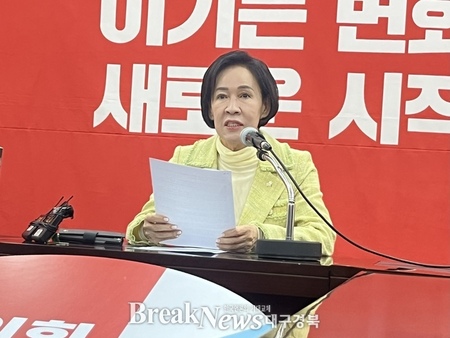
 ▲ 오세희 의원은 "가스공사의 DES 계약 편중은 국민 생명과 직결된 에너지 안보를 외국에 의존하겠다는 명백한 행태"라며, "공급망 위기에 대응하는 에너지 안보를 확보하기 위해 수입자의 통제권이 강한 '본선인도(FOB) 계약 비중 확대가 필수 생존 전략"임을 강조했다. (사진, 오세희 의원실 제공) © 김충열 정치전문기자 |
국회산업통상자원중소벤처기업위원회 오세희 의원(더불어민주당 전국소상공인위원장)은 20일 국정감사에서 "가스공사의 DES 계약 편중으로 인해 2037년에는 국적선사의 LNG 수송 비율이 '0%'로 추락할 전망"이라며, "에너지 안보 주권이 외국 선박에 전적으로 종속될 위험에 처했다"고 밝혔다.
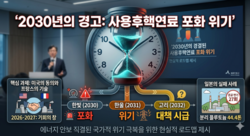
오 의원이 가스공사 등으로부터 제출받은 자료에 따르면, 수입자가 운송 통제권을 갖는 본선인도(FOB) 계약 비중은 2020년 1,800만 톤(52.8%)에서 2037년 0만 톤으로 급감할 전망이다.
=
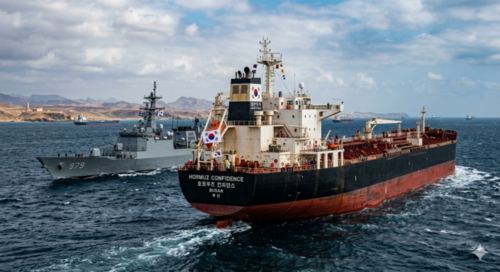
이에 따라 국적선사의 LNG 수송 참여율(적취율)은 2020년 52.8%에서 2024년 38.2%로 이미 감소했으며, 2037년에는 외국 선박 100% 의존이 불가피하다. 이는 LNG 운반선 건조 세계 2위라는 대한민국의 위상과도 맞지 않는, 자국 해운 산업을 고사시키는 정책 실패라는 비판에 직면하고 있다.
오 의원은 "에너지 안보의 핵심은 단순한 공급선 확보가 아닌, 운송에 대한 통제력 확보에 있다"며, “가스공사가 단기적인 가격경쟁력만 고려해 DES 계약을 확대한 것은 국가 전략물자의 운송권을 외국 선사에 넘긴 것과 같다”고 지적했다.
해외 주요국은 이미 FOB 계약 및 자국 해운사 이용 확대 정책을 추진하고 있다. 일본은 2022년 기준 FOB 비중을 82%까지 확대했고, 중국은 자국 화물 50% 이상을 국적선으로 운송하도록 제도화했다. OECD 다수 회원국도 전략자원 운송에 '국적선 우선 원칙'을 확산하는 국제 흐름에 한국만 정반대로 가고 있다.
가스공사는 수급 위기 시 수요 절감 등으로 대응하고 있다고 해명했으나, 정작 '외국 선박 입항 거부 등 비상 상황 시 공급망 유지 방안은 비상 계획에 포함되지 않은 것으로 확인됐다. 이는 DES 계약의 고유한 위험을 방치하는 안일한 대응이라는 비판이다.
 ▲ 오세희 의원은 "정부는 국적선 우선 원칙을 확립하여 조선·해운 산업을 동시 활성화하고, 비상 상황에 대비해 국내 운송만으로 대체할 수 있는 '에너지 수송 비상 체계'를 즉시 마련해야 한다"고 촉구했다. © 김충열 정치전문기자 |
오세희 “에너지 안보 위해 ‘통제력’ 높은 FOB 비중 확대해야”
오세희 의원은 "가스공사의 DES 계약 편중은 국민 생명과 직결된 에너지 안보를 외국에 의존하겠다는 명백한 행태"라며, "공급망 위기에 대응하는 에너지 안보를 확보하기 위해 수입자의 통제권이 강한 '본선인도(FOB) 계약 비중 확대가 필수 생존 전략"임을 강조했다.
이어 "정부는 국적선 우선 원칙을 확립하여 조선·해운 산업을 동시 활성화하고, 비상 상황에 대비해 국내 운송만으로 대체할 수 있는 '에너지 수송 비상 체계'를 즉시 마련해야 한다"고 촉구했다. hpf21@naver.com
* 아래는 위 기사를 '구글 번역'으로 번역한 영문 기사의 [전문]입니다. '구글번역'은 이해도 높이기를 위해 노력하고 있습니다. 영문 번역에 오류가 있을 수 있음을 전제로 합니다. *The following is [the full text] of the English article translated by 'Google Translate'. 'Google Translate' is working hard to improve understanding. It is assumed that there may be errors in the English translation.
Oh Se-hee: "Korea Gas Corporation's Overreliance on DES Contracts Is a Red Flag for Energy Security... Domestic Shipping Companies' Profitability Plummets to 0%"
LNG Imports Projected to Be Entirely Dependent on Foreign Vessels by 2037
Break News Political Reporter Kim Choong-lyoul = Korea Gas Corporation's excessive reliance on DES (Delivered Ex-Ship) contracts for LNG imports has raised serious concerns about national energy security.
Representative Oh Se-hee (Chairman of the National Small Business Committee of the Democratic Party of Korea) and member of the National Assembly Trade, Industry, Energy, SMEs and Startups Committee stated during a parliamentary audit on the 20th, "Due to Korea Gas Corporation's overreliance on DES contracts, the LNG transport ratio of domestic shipping companies is projected to plummet to 0% by 2037. Our energy security sovereignty is at risk of becoming entirely dependent on foreign vessels."
According to data submitted to Rep. Oh by the Korea Gas Corporation and others, the proportion of free-on-board (FOB) contracts, where importers have control over transport, is projected to plummet from 18 million tons (52.8%) in 2020 to 0 million tons in 2037.
=
Accordingly, the participation rate (take-up rate) of domestic shipping companies in LNG transport has already declined from 52.8% in 2020 to 38.2% in 2024, and 100% reliance on foreign vessels will be inevitable by 2037. This policy is facing criticism as a failed policy that is inconsistent with South Korea's status as the world's second-largest LNG carrier builder and is crippling the domestic shipping industry.
Rep. Oh stated, "The key to energy security is not simply securing supply lines, but securing control over transport." He added, "Korea Gas Corporation's expansion of DES contracts solely for short-term price competitiveness is tantamount to handing over the transport rights of national strategic materials to foreign shipping companies."
Major countries around the world are already pursuing policies to expand the use of FOB contracts and domestic shipping companies. Japan has increased its FOB share to 82% by 2022, and China has mandated that at least 50% of its cargo be transported by nationally registered vessels. While many OECD member countries are also promoting the "nationally registered vessel priority" principle for strategic resource transport, Korea is going against the international trend.
KOGAS has stated that it is responding to supply-demand crises by reducing demand. However, it was confirmed that its contingency plan does not include measures to maintain the supply chain in the event of an emergency, such as the refusal of entry of foreign vessels. This is being criticized as a complacent response that ignores the inherent risks of DES contracts.
Oh Se-hee: "For Energy Security, We Need to Expand the Share of FOB Contracts with Higher 'Control'"
Representative Oh Se-hee stated, "Korea Gas Corporation's reliance on DES contracts is a clear example of its reliance on foreign countries for energy security, which is directly linked to the lives of the people." He emphasized, "To ensure energy security in the face of supply chain crises, expanding the share of 'Free on Board (FOB) contracts,' which offer strong importer control, is an essential survival strategy."
He further urged, "The government should establish a principle of prioritizing national vessels to simultaneously revitalize the shipbuilding and shipping industries. Furthermore, it should immediately establish an 'Energy Transport Emergency System' that can replace domestic transportation in emergency situations." hpf21@naver.com