브레이크뉴스 김충열 정치전문기자 = 전기요금이 영업적자보다 더 많은 상황에서, 철도공사의 재생에너지 생산은 최대치 대비 0.6%에 불과한 것으로 나타났다.
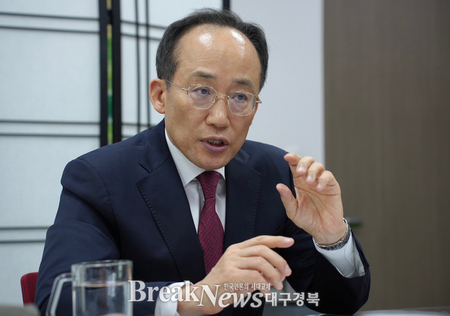
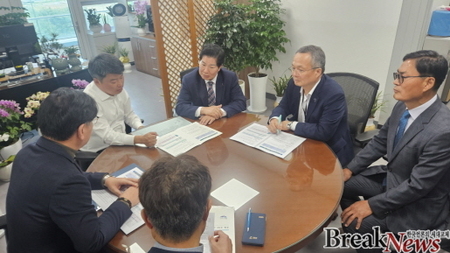
 ▲ 정준호 의원은 “이재명 정부의 국정과제에 서남권 RE100 산단 조성과 재생에너지 생산 확대 등이 포함된 만큼, 철도공사는 자체적인 재생에너지 생산 확대와 서남권 재생에너지 연계 강화가 필요하다”며 “자체생산 재생에너지는 철도공사의 적자와 기후환경 문제를 함께 해결할 수 있는 ‘일석이조’ 효과를 거둘 수 있다”고 강조했다. (사진, 정 의원실 제공) © 김충열 정치전문기자 |
21일 국회 국토교통위원회 소속 정준호 더불어민주당 의원이 한국철도공사로부터 제출받은 자료에 따르면, 철도공사가 최근 5년 간(2021년~2025.6월) 납부한 전기요금액이 2조 2,199억 원에 달하는 반면, 재생에너지 생산은 3.1GWh로 생산가능 최대치 계획 대비 0.6%(3.1GWh)에 불과한 것으로 드러났다.
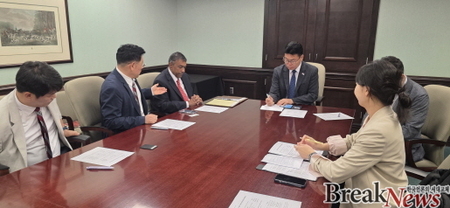
 ▲ 철도공사 자체 분석에 따르면, 정부와 공사의 활용 가능한 부지와 건물, 주차장, 방음벽, 선로 등 시설을 최대치로 활용하면 연간 485Gwh 전력을 자체 생산할 수 있다. 이 경우 철도공사 생산 전기단가 209원을 적용하면, 연간 약 1,010억 원의 비용 절감 효과를 기대할 수 있다. © 김충열 정치전문기자 |
5년간 철도공사 영업적자 2조원보다, 전기요금(2.2조원) 비용이 더 많아
철도공사의 최근 5년간 총 영업적자는 2조 598억원으로 전기요금액 규모보다 적었다. 영업적자의 상당 부분이 전기요금 비용이었다. 2025년 6월 기준 철도공사의 부채 총액은 21조 3,106억원이었다.
전기요금 요율도 지속적으로 인상되고 있다. 철도공사가 올해 7월 기준 납부한 전기요금 요율은 1Kwh 당 221.6원으로, 2021년 대비 61.4% 인상됐다.
현재 철도공사는 다른 공기업에 비해 전기요금을 약 23% 이상 높게 납부하고 있다. 심야시간 할인을 받지 못하고 있고, 철도공사의 전기요금 단가는 일반기업과 달리 산업용으로 책정돼 있기 때문이다.
전기요금 인하는 한국전력과의 협의가 필요한 사안임에 따라, 현실적인 전기요금 절감 방안으로 태양광과 풍력발전 등 철도공사의 자체적인 재생에너지 생산이 필요하다는 지적이 나온다.
철도공사 자체 분석에 따르면, 정부와 공사의 활용 가능한 부지와 건물, 주차장, 방음벽, 선로 등 시설을 최대치로 활용하면 연간 485Gwh 전력을 자체 생산할 수 있다. 이 경우 철도공사 생산 전기단가 209원을 적용하면, 연간 약 1,010억 원의 비용 절감 효과를 기대할 수 있다.
또한, 서남권에서 생산되는 태양광 발전을 철도 운행에 도입할 경우, 연간 12.4Gwh 전기를 생산해서 약 26억원 비용 절감이 가능하다는 계산이다.
정준호 “태양광 발전·연계로 ‘일석이조’ 재생에너지 자체생산 확대 필요”
이에 정준호 의원은 “이재명 정부의 국정과제에 서남권 RE100 산단 조성과 재생에너지 생산 확대 등이 포함된 만큼, 철도공사는 자체적인 재생에너지 생산 확대와 서남권 재생에너지 연계 강화가 필요하다”며 “자체생산 재생에너지는 철도공사의 적자와 기후환경 문제를 함께 해결할 수 있는 ‘일석이조’ 효과를 거둘 수 있다”고 강조했다. hpf21@naver.com
* 아래는 위 기사를 '구글 번역'으로 번역한 영문 기사의 [전문]입니다. '구글번역'은 이해도 높이기를 위해 노력하고 있습니다. 영문 번역에 오류가 있을 수 있음을 전제로 합니다.
*The following is [the full text] of the English article translated by 'Google Translate'. 'Google Translate' is working hard to improve understanding. It is assumed that there may be errors in the English translation.
Korea Railroad Corporation (KORAIL) Total Debt: KRW 21.3106 Trillion...Electricity Rates: Renewable Energy Accounts for Only 0.6%
Southwestern RE100 Industrial Complex Development and In-house Renewable Energy Production Needed
Break News political reporter Kim Choong-lyoul = With electricity costs exceeding operating losses, Korea Railroad Corporation's renewable energy production is only 0.6% of its maximum capacity.
According to data submitted to National Assembly Land, Infrastructure and Transport Committee member Jeong Jun-ho (Democratic Party of Korea, Gwangju Buk-gu A) on the 21st by Korea Railroad Corporation, Korea Railroad Corporation paid KRW 2.2199 trillion in electricity bills over the past five years (2021-June 2025), while renewable energy production was only 3.1 GWh, representing only 0.6% (3.1 GWh) of its planned maximum capacity.
Electricity costs (KRW 2.2 trillion) exceed the KRW 2 trillion operating loss for the past five years.
Korea Railroad Corporation's total operating loss over the past five years was KRW 2.0598 trillion, less than its electricity bill. A significant portion of this operating loss was attributable to electricity costs. As of June 2025, Korea Railroad Corporation's total debt stood at KRW 21.3106 trillion.
Electricity rates are also steadily increasing. As of July of this year, Korea Railroad Corporation paid KRW 221.6 per kWh, a 61.4% increase compared to 2021.
Korea Railroad Corporation currently pays electricity rates approximately 23% higher than other public corporations. This is because it does not receive late-night discounts, and unlike general corporations, its electricity rates are set for industrial use.
Since lowering electricity rates requires consultation with Korea Electric Power Corporation (KEPCO), some argue that KORAIL's own renewable energy production, such as solar and wind power, is a realistic way to reduce electricity costs.
According to KORAIL's own analysis, maximizing the use of government and KORAIL's available land, buildings, parking lots, sound barriers, and tracks could result in annual electricity production of 485 GWh. Applying KORAIL's electricity cost of 209 won per unit, this translates to an annual cost savings of approximately 101 billion won.
Furthermore, introducing solar power generated in the southwestern region to railway operations is estimated to generate 12.4 GWh annually, resulting in a cost savings of approximately 2.6 billion won.
Jeong Jun-ho: "Killing Two Birds with One Stone: Expanding In-house Renewable Energy Production through Solar Power Generation and Integration"
Representative Jeong Jun-ho emphasized, "Since the Lee Jae-myung administration's national agenda includes the creation of the RE100 industrial complex in the southwestern region and the expansion of renewable energy production, KORAIL needs to expand its own renewable energy production and strengthen its connection to the region's renewable energy sources. Self-producing renewable energy can have the 'two birds with one stone' effect of simultaneously addressing KORAIL's deficit and climate and environmental issues." hpf21@naver.com