브레이크뉴스 김충열 정치전문기자 = 우리나라가 해외로 원자력발전소를 수출할 때 미국 기업 웨스팅하우스에 대당 1조원을 50년 동안 지급하는 내용이 공개되자 ‘노예계약' 논란이 불거졌다. 국회 산업통상자원중소벤처기업위원회 소속 권향엽 의원이 한국전력공사(이하 한전)로부터 보고받은 자료를 종합하면, 원래 웨스팅하우스와의 협약은 ‘무기한 계약'이었으나, 한전 이사회가 반대 의견을 낸 끝에 ‘50년 계약'으로 협의된 것으로 확인됐다.
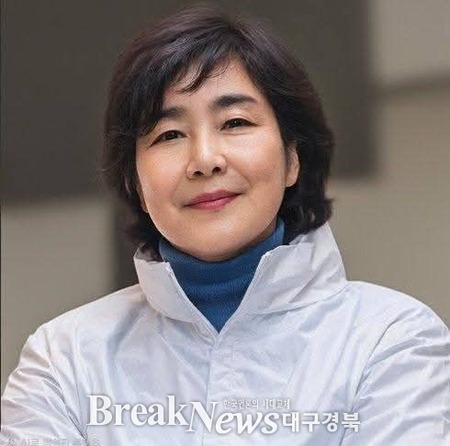
 ▲ 권향엽 의원은 "국민이 모욕적으로 느끼는 ‘노예계약'보다 훨씬 후퇴한 초안이 어느 정도까지 굴욕적이었을지 가늠할 수조차 없다"며 "(윤석열)정부가 웨스팅하우스와의 협상에서 얼마나 저자세로 임했는지 엿볼 수 있는 대목”이라고 밝혔다. 이어 "성과주의에 눈이 멀어 국익을 흥정거리로 만든 윤석열 정부의 조급증 앞에 한수원도 무릎을 꿇은 것”이라며 "황주호 전 사장은 산업부 조사 결과에 따라 상응하는 책임을 져야 한다”고 강조했다. (사진, 권 의원실 제공) © 김충열 정치전문기자 |
2024년 9월 한전, 웨스팅하우스 ‘사전계약' 조건서 첫 확인
권향엽 의원이 한전으로부터 받은 자료에 따르면, 한전은 지난해 9월3일 웨스팅하우스가 보낸 사전계약 조건서(term sheet)를 처음 확인했다. 거기엔 웨스팅하우스가 팀코리아를 신뢰할 수 없으므로, 타협 협정의 상업조건 이행을 강제할 대당 5억달러의 신용장 개설, 10억달러의 역무 제공 등 내용이 담겼다. 특히 역무 규모가 10억 달러에 미달할 땐 부족분 금액의 50%를 현금으로 보상하라는 요구도 있었다. 즉, 한국이 6억 달러의 역무만 제공하면 부족분인 4억 달러의 절반(2억달러)을 현금으로 내라는 것이었다.
그런데 이상한 건 조건서엔 상업조건 이행을 강제하는 ‘기한'이 명시되지 않았다는 것이다. ‘무기한'이었던 셈이다.
2024년 10월 팀코리아, 미국서 웨스팅하우스와 조건 재협상
2024년 10월, 한전은 미국에서 웨스팅하우스와 협상에서 웨스팅하우스 측이 제시한 조건이 무리하다고 판단해 재협상에 나섰다. 먼저 신용장을 5억 달러에서 4억 달러로 줄이고, 협정 체결 10년 후 신용장 조항의 삭제 필요성을 재협의해야 한다는 일몰조항을 도입했다. 불가항력 발생 시 신용장 인출 예외조항도 추가했다.
또 아랍에미리트(UAE) 원전수출 때 설계·조달·시공(EPC) 역무가 6억3,000만 달러였던 걸 기준으로 들어, 원전 1기당 10억달러 역무 제공을 6억5,000만 달러로 낮췄다. 부족분의 50%를 현금으로 보상해야 한다는 조건은 수용하지 않는 대신 기술료를 주기로 합의했다. 웨스팅하우스는 2억 달러의 기술료를 주장했지만, 한전은 EPC 계약금액은 1기당 (약 100억달러로 가정) 2% 미만이 적절하다고 보고, 기술료로 1억5,000만 달러를 제안했다. 그간 웨스팅하우스와 기술사용협정상 최저 기술사용료는 2.5%였기 때문에, 한전은 그러는 편이 합리적인 협상이었다고 판단한 것으로 보인다. 이에 양측은 협상을 통해 양자 간 금액 중간인 1억7,500만달러로 최종 합의했다. 그렇게 총 8억2,500만달러 규모의 기술료와 역무를 제공하게 된다.
2024년 11월, 한전 1차 이사회…"기간·비용 등 재협상 해야”
지난해 11월20일 한전 이사회에서 당시 ‘해외 원전사업 협력 원칙'을 의결할 때, 이사들이 보고 받은 계약서 초안에도 ‘기한'은 명시되지 않았다. 이에 이사회에선 "(무기한인) 기간 설정도 과하며, 신용장 개설 비용을 부담하는 점도 납득이 어렵다. 기간·비용 부분을 재협상해 주기 바란다. 협약에 유효기간이 없다는 것은 말이 안 된다”는 의견이 나왔다.
지난 8월 <뉴스토마토>가 만난 한 원전업계 관계자도 "원래는 웨스팅하우스와의 계약은 무기한이었는데, 한전 이사회 등에서 반대 의견이 나와 표면적으로라도 ‘50년 계약' 기한이 생겼다고 들었다”며 "(쌍방이 종료에 합의하지 않는 한 5년씩 자동 연장이면) 어쨌든 무기한이지만, 이사회 등 통해 '원안 과하다'는 내부 의견이 반영된 건데 원래 계약은 더 무도했을 것"이라고 밝힌 바 있다.
 ▲ "과연 이번 협상의 결과를 국민이 납득 가능한 수준인지는 의문이다. 지불할 금액도 많고, 50년이라는 기간과 만료 후 계약 조건 과하다는 생각이라 재협상 통해 해결할 수 있는지 궁금하다”는 의견이 나왔다. 이후 이틀 뒤인 1월16일, 한수원·한전과 웨스팅하우스는 지식재산권 분쟁 절차를 중단하고 합의문을 체결했다. © 김충열 정치전문기자 |
2025년 1월, 한전 2차 이사회…"국민이 납득 가능할지 의문”
올해 1월14일 한전 이사회에서 ‘해외 원전사업 협력 원칙 후속 조치’ 안건을 의결할 때는 계약서에 50년 기한이 추가됐다. 하지만 당시 이사회에서는 "지난번 협상에서 많은 진전이 있었다”면서도 "과연 이번 협상의 결과를 국민이 납득 가능한 수준인지는 의문이다. 지불할 금액도 많고, 50년이라는 기간과 만료 후 계약 조건 과하다는 생각이라 재협상 통해 해결할 수 있는지 궁금하다”는 의견이 나왔다. 이후 이틀 뒤인 1월16일, 한수원·한전과 웨스팅하우스는 지식재산권 분쟁 절차를 중단하고 합의문을 체결했다.
권향엽 "윤석열 정부 성과주의에 눈 멀어 저자세로 협상 임해…황주호 책임져야"
이에 권향엽 의원은 "국민이 모욕적으로 느끼는 ‘노예계약'보다 훨씬 후퇴한 초안이 어느 정도까지 굴욕적이었을지 가늠할 수조차 없다"며 "(윤석열)정부가 웨스팅하우스와의 협상에서 얼마나 저자세로 임했는지 엿볼 수 있는 대목”이라고 밝혔다. 이어 "성과주의에 눈이 멀어 국익을 흥정거리로 만든 윤석열 정부의 조급증 앞에 한수원도 무릎을 꿇은 것”이라며 "황주호 전 사장은 산업부 조사 결과에 따라 상응하는 책임을 져야 한다”고 강조했다. hpf21@naver.com
* 아래는 위 기사를 '구글 번역'으로 번역한 영문 기사의 [전문]입니다. '구글번역'은 이해도 높이기를 위해 노력하고 있습니다. 영문 번역에 오류가 있을 수 있음을 전제로 합니다.
*The following is [the full text] of the English article translated by 'Google Translate'. 'Google Translate' is working hard to improve understanding. It is assumed that there may be errors in the English translation.
Kwon Hyang-yeop: "KEPCO Nuclear Power Plant Exports: Westinghouse Agreement Changed from 'Indefinite to 50 Years'; Originally, There Was No Term"
KEPCO Board of Directors: "(Indefinite) Term Excessive; Period and Cost Renegotiation, Expiration Date Needed"
Break News political reporter Kim Choong-lyoul = The disclosure of South Korea's payment of 1 trillion won per unit to the US company Westinghouse for 50 years when exporting nuclear power plants sparked controversy over "slave contracts." According to data received by Rep. Kwon Hyang-yeop of the National Assembly's Trade, Industry, Energy, SMEs and Startups Committee from the Korea Electric Power Corporation (KEPCO), the original agreement with Westinghouse was an "indefinite contract," but after objections from the KEPCO Board of Directors, it was ultimately negotiated as a "50-year contract."
KEPCO to First Review Westinghouse's Pre-Contract Terms in September 2024
According to information received by Rep. Kwon Hyang-yeop from KEPCO, KEPCO first reviewed the pre-contract terms sheet sent by Westinghouse on September 3rd of last year. The terms sheet, which Westinghouse claimed was untrustworthy, mandated compliance with the commercial terms of the compromise agreement, including a $500 million letter of credit per unit and $1 billion in services. Specifically, if the services fell short of $1 billion, KEPCO demanded 50% of the shortfall in cash. In other words, if Korea provided $600 million in services, it would be required to pay half of the $400 million shortfall ($200 million) in cash.
However, the odd thing is that the terms sheet did not specify a deadline for enforcing compliance with the commercial terms. It was essentially indefinite.
Team Korea to Renegotiate Terms with Westinghouse in the US in October 2024
In October 2024, KEPCO, in negotiations with Westinghouse in the US, concluded that the terms proposed by Westinghouse were unreasonable and initiated renegotiations. First, they reduced the letter of credit from $500 million to $400 million and introduced a sunset clause requiring renegotiation of the letter of credit provisions 10 years after the agreement was signed. They also added a clause allowing for exceptions to the withdrawal of the letter of credit in the event of force majeure.
Furthermore, based on the $630 million cost of engineering, procurement, and construction (EPC) services for the United Arab Emirates nuclear power plant export, they reduced the service cost from $1 billion per nuclear power plant to $650 million. They refused to accept the requirement that 50% of the shortfall be compensated in cash, but agreed to pay a technology fee. Westinghouse insisted on a technology fee of $200 million, but KEPCO believed that a fee of less than 2% of the EPC contract price (assuming approximately $10 billion) per unit was appropriate and proposed $150 million. Given that the minimum technology fee under the technology use agreement with Westinghouse was 2.5%, KEPCO appears to have believed this was a reasonable negotiation. Consequently, the two parties negotiated a final agreement of $175 million, a midpoint between the two amounts. This brings the total technology fee and services to $825 million.
November 2024, KEPCO's first board meeting... "Need to renegotiate terms, costs, etc."
When the KEPCO board of directors approved the "Overseas Nuclear Power Plant Project Cooperation Principles" at the November 20th meeting of last year, the draft contract presented to the directors did not specify a "term." The board of directors responded, "The (indefinite) term is excessive, and it's difficult to understand why we're having to cover the costs of establishing a letter of credit. We urge you to renegotiate the term and cost. It makes no sense to say the agreement has no expiration date." A nuclear power industry insider who News Tomato met with in August stated, "The contract with Westinghouse was originally indefinite, but I heard that opposition from the KEPCO board of directors and others resulted in a ostensible '50-year contract.'" He added, "(If it automatically extends by five years unless both parties agree to terminate it), it's indefinite, but internal opinions from the board of directors and others that the original plan was excessive were reflected. The original contract would have been even more unreasonable."
January 2025, KEPCO's 2nd board meeting... "Questions remain about whether the public will accept it."
On January 14th of this year, when the KEPCO board of directors voted on the "Follow-up Measures for Overseas Nuclear Power Plant Cooperation Principles," a 50-year term was added to the contract. However, while the board stated, "There has been significant progress in the previous negotiations," they also questioned whether the results of these negotiations are truly acceptable to the public. The amount to be paid is substantial, and the 50-year term and post-expiration contract terms are considered excessive. Therefore, we wonder whether a resolution through renegotiation is possible." Two days later, on January 16th, KHNP, KEPCO, and Westinghouse suspended their intellectual property dispute proceedings and signed an agreement.
Kwon Hyang-yeop: "Yoon Seok-yeol administration blinded by performance-based pay, negotiated with a low posture... Hwang Joo-ho must take responsibility."
Representative Kwon Hyang-yeop stated, "It's impossible to fathom the extent of the humiliation of the draft, which is far more degrading than the 'slave contract' that the public finds insulting." He added, "This provides a glimpse into the low posture of the (Yoon Seok-yeol) administration in negotiations with Westinghouse." He continued, "KHNP also succumbed to the impatience of the Yoon Seok-yeol administration, which, blinded by performance-based pay, turned national interests into bargaining chips." He emphasized, "Former CEO Hwang Joo-ho must take appropriate responsibility, based on the results of the Ministry of Trade, Industry and Energy's investigation." hpf21@naver.com