10월 31일 금요일부터 경주에서 APEC 아태경협체 정상급 연쇄회동이 시작된다. 유럽 아프리카 중남미를 제외한 인류의 절반 이상이 사는 국가수반이 모이는 초대형 경협상 조정 신규 결의문 채택 항의 유감 등 다양한 의제가 다뤄질 모양이다. 겉으론, 기후협약 반도체 에너지 바이오 식량 증산 등을 내세우고 있지만 각국의 이해관계는 다르다. 기후협약은 미국이 화석연료 개발을 공언해 사실상 트럼프가 반대할 것이고, 반도체에선 중국이 희토류를 관세 보복에 따른 상호주의 대응으로 수출 할당량으로 미국에 맞설 것이 분명하다.
관세 부과는 독립국가의 경제적 자주권이다. 미국이 관세 폭탄을 전 세계에 투척했다고 해서 국제법적으로 자주권이라 트집 잡을 명분은 없다. 문제는 수출국에 가해지는 무역량 감소와 수입국 국민의 소비 하락을 가져와 경기하강의 파편을 생산자 소비자가 동시에 맞는다. 생산국은 일자리 축소와 소비국은 장바구니 물가 상승으로 지갑을 더 쥐어짜서 외식비부터 반으로 줄어들어 생일잔치도 겨우 하게 되는 지경에 빠진다.
 ▲ 이재명(왼쪽)-트럼프 한미정상회담 장면. ©브레이크뉴스 |
미국의 관세 폭탄으로 중국은 반도체 비행기 잠수함 반도체에 쓰이는 희토류에 관해 국가별 수출할당제를 선언했다. “관세 많이 안 내려면 수출하지 말라는 트럼프나 너희들한텐 조금만 팔께! 또, 미국 산 대두(大豆)도 안 사!”라며 치킨게임을 하는 미·중 간 관세전쟁이 이번 경주 APEC 경협회의에서 일단 미국이 수세에 밀린 것은 분명하다. 일본만이 미국 편을 들어 화해 중재자로 나설 가능성이 크다.
미국을 떠나오기 전 트럼프는 7개 주에 이르는 공화당 텃밭 대두 생산 농가 단체의 한숨을 넘은 비난을 한 보따리 들었다. 미국은 선거를 2년마다 나눠서 하는 나라다. 내년 선거에서 이 7개 주 공화당 텃밭 대두 생산 농가들이 비토하면 정치적으로 막대한 타격을 입는다.
중국은 그간 미국 대두의 30%를 싹쓸이 수입해 간 큰 손인데, 시진핑은 단숨에 브라질 등 남미로 수입처를 바꿔버렸다. 이제 미국 대두 농가는 창고에 보관하든지 밭에 거름으로 뿌려야 하는데 그 비용도 만만치 않다. 미국 콩 농업은 트럼프로 사실상 붕괴된 셈이다.
미국인에겐 콩이 가축사료지만, 중국인에겐 모든 음식을 다 튀겨먹고 볶아먹는데 콩기름이 대단히 중요하다. 랴오닝성 헤이룽장(黑龍)성 등 고위도 지방은 겨울이 4개월이 넘어 눈이 녹지 않는다. 들판에서 식량을 구하기 어렵단 뜻이다. 해서, 중국 고위도 지방 거주민들은 우리가 김장하듯 집집마다 수 갤런 혹은 배럴 단위로 콩기름을 집안 창고에 저장해두고 뭐든지 튀겨먹는다. 영양학상 위생상 콩기름만큼 유용한 식재료 비상식량이 없는 셈이다. 이 얘기를 심층적으로 분석해 보면, 미국은 트럼프의 미식축구식 MAGA 구호 속에 경제적 동맹을 적으로 돌려 장기적인 소비시장을 포기한 큰 전략적 실책을 자행하는데 수수방관한 후과가 결국 자국 대두 생산 농에 부메랑이 됐다.
이런 지엽적인 문제 이면에 도사리고 있는 근본문제는 그간 미국 지도자들과 경제계 금융가들이 합세해서 미국 불패 구호를 외치면서 국채가 35조 달러에 이르도록 누구 하나 나서지 않은 공동정범 아메리카 퍼스트만 주구장창 외치며 칠면조 뜯고 샴페인 즐긴 도덕적 책임 의식 망각에 있다. 매년 이자 1조 달러 국방비 8천억 달러를 합해 거의 2조 달러를 메꿔야 하는 미국 입장으로선 계속 국채를 발행하는 게 민주든 공화든 독박 선택사양이다. 미국이 살아나려면 유럽처럼 소득세 평균을 47%로 올리면 간단히 해결될 문제다. 조세저항이 심하겠지만,
서서히 빚으로 쓰러져 가는 것보단 훨씬 쉽고, 잉여재원을 분배에 쓰면 대도시 노숙자도 사라진다.
즉, 차별이 심한 임금구조로 지탱해 온 자유민주주의는 이제 막장이다. 국가가 경제와 세금에 적극 개입하는 경제 사회주의로 전환할 자본주의 성장론의 막다른 골목에서 국채를 줄이고 서민 삶을 안정시킬 묘안은 그냥 유럽식 증세면 충분하다. 자동화와 AI로 노동자 30% 이상은 일터에서 20년 이내에 쫓겨난다. 범죄 자살 가족해체 노숙자 양산 일용직 창궐 계약직 기본 결혼 불가 노인 고독사 등등, 엄청난 국가과제가 연이어 발생 될 것이다. 그간 대다수가 주장해왔던 성장론은 막다른 골목에 막혔다. 이제 증세를 통한 분배론, 국가 사회주의 경제에 대해 각국 지도자들이 나설 차례다.
필자는 2012년 2016년 2019년 세 차례 미국을 방문한 적이 있다. 놀러 간 게 아니다. 브레이크뉴스 칼럼니스트로서 미국의 길바닥에 널린 노숙자들의 과거에서 현재까지의 삶을 추적 취재키 위함이었다. LA시 한인타운 올림픽 가 근처에 있는 하숙집에 여장을 풀었다. 아침저녁만 음식 제공, 점심과 휴일은 길거리에 나가 히스패닉 벤더에서 파는 5$짜리 멕시칸 토스트로 때웠다. 하루 숙식비 포함 130$이니 그리 싸지도 비싸지도 않은, 80년대 역 앞 여인숙 골방처럼 좁게 칸 막은 토끼장이었다.
인력시장에서 콜 픽업을 지명 받지 못한 가장들은 작은 편의점 앞에 모여 온종일 담배를 피우거나 짐빔 양주를 돌려 마시다 저녁쯤에 골목으로 사라지길 매일 반복했다. 생필품이 필요한 것이 있으면, 인근에 KIM’S ELECTRICS’란 일종의 다이소란 개념의 1$ 하우스가 있어 자주 방문했다. 생필품 전반이 진열돼 있었는데, 난 10$짜리 중국산 재킷을 열 벌 정도 사서 히스패닉 실업자들에게 돌렸다. 가지고 간 배낭 안에서 노트북과 여권만 빼고, 손에 찬 전직 대통령 로고가 새겨진 손목시계까지 다 벗어주고 귀국했다.
비 오는 날, 그 킴스 전기 샵 출입구에 반가운 목소리가 들렸다. 탈북해서 미국에 정착한 젊은 여성들이었다. “우린 미국 영주권자들입네다. 남조선에서 오셨습네까? 반갑습네다.” 반가웠지만 금세 우울해졌다. 오래 지켜본 결과, 그녀들은 하루 종일 그 샵에 들락거리는 손님들 우산에 비닐 커버를 씌워주며 매장 내 바닥에 물기가 떨어지지 않도록 샵에서 시급으로 고용한 메뚜기 근로자였다. 물론 내가 엠파이어빌딩 안에 들어가 미국 내 유력자를 만날 수도 있었고, 한인회장의 부름도 받았지만 난 응하지 않았다. 바닥을 봐야 위를 살필 수 있다는 평소 지론에 따라 하나를 선택해야 했다. 난 한동안 밤중에 홀로 웃다가 울었다.
이미 2012년~2019년까지 살펴본 캘리포니아주 바닥 인생들을 보며 트럼프의 MAGA론은 기분 좋은 선동 구호에 불과하단 걸 깨달았다. 특히 2016년에 본 캘리포니아 엘시노어 국제 스카이다이빙스쿨에서 해커(낙하산 접는 일 하는 사람)는 2019년 11월 다시 방문했을 때, 그들은 신혼부부였으며 여전히 패커로 땅바닥에 텐트를 치고 살고 있었다. 나는 그것 보고 두 가지를 생각했다. “너희가 노예냐? 아님, 위대한 미국인이냐?” 물었다. “yes, we’re so happyy!” “god bless your house!”라며, 씁쓸한 미국의 단면을 가슴에 새겼다. 노예나 마찬가진데 순응하는 대부분은 핫바지들이냐? 이 오랜 의문은 조지아주 수백 명 한국인 엔지니어 포박 감금 처우 등을 보면서 단번에 풀렸다.
트럼프의 이번 APEC 참석을 위한 한국 방문은 그간 냉전 종식자 시장경제 지원 확산자로서 대우받을 자격이 충분하다. 그러나 이번 방문의 성격은 다르다. 그간 성장론 우세로 물질적 풍요를 누리던 미국인들은 아시아의 값싼 인건비와 기술추격으로 제조업이 사실상 붕괴됐다.
자동차는 일본 반도체는 한국 생필품은 중국에 의존하지 않고는 대다수 서민 소비활동이 올 스톱될 지경에 이르렀다. 중국·인도 인건비 기준으로 같은 물건을 미국 노동자가 생산하려면 10배를 줘야 한다. 미국의 깊은 수렁이다. 일부 주에서는 수출국에 때린 관세수입을 주민에게 소비 여력 지원금으로 나눠준다는 돌려막기를 선언하기에 이르렀다. 언 발에 오줌 누기다.
27일부터 선발대가 와 한미 간 최대쟁점인, “사용처 미국이 정할 테니 현금 3천5백억 달러 내놔라!”라는 담보대출에 사용 목적과 채무상환계획 없이 무조건 ‘give me a money, cash only’를 윽박지르는 트럼프의 요구조건에 응하다간 이 대통령은 제이의 IMF 주범으로 몰릴 게 확실하다.
김영삼(YS)정권 말기에 벌어진 IMF를 상기할 일이다. 자본시장 개방으로 알짜 기업들은 외국자본에 헐값으로 다 뺏겼다. 강제 구조 조정당하고 무수한 가장들이 실직의 고통을 못 이겨 자살이 줄을 이었다. 기업 지분이 외국 투자자에게 넘어가 지금도 연말 배당에서 절반 이상이 해외송금 된다. 기업 호(好) 실적에도 속 빈 강정이 되었다.
3,500억 불 10년 분할 투자도 위험하다. 주식시장에 외국인 투자금이 25%가 넘는다. 보유 외환 리스크가 커지면 외국인들은 컴퓨터 키보드 하나로 수일 내에 매도하고 떠난다. 즉, 주식시장 붕괴는 이번 한미 정상회담에서 트럼프가 이겨 미국으로 3,500억 불 일시 송금하면 바로 시작될 것이다. 대체 어느 나라가 외환보유고의 80%를 용처가 불분명한 미국에 상납한단 말인가? 미국은 집 사는데 30년 분할상환으로 평생 갚는다.
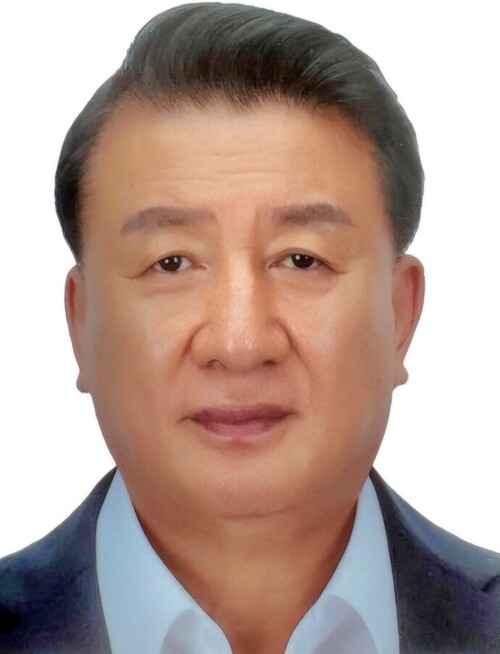
 ▲필자/ 이래권 작가. ©브레이크뉴스 |
이재명 대통령은 다가오는 이번 주 금 토(金 土) 양일 간, 사생결단한단할 각오로 3,500억 불 분할투자 아니면 기업들이 직접 투자하거나, 그것도 아니라면 미국 산 기름을 사 오는데 100% 투자 조건으로 내세워 용처를 사전에 제시하기를 바란다. 가짜 종이조각 불량 채권을 현물로 동시 상환하는 것이 낫다. 미국의 가스 석유를 3,500억 달러어치 채권으로 인질을 잡아라. 35조 달러 국채에 허물어진 미국에 남은 에너지는 안전한 채권이다. 10년 분할 투자 요구해서 외환을 방어하고, 지켜보는 10년 분할 투자 요구해서 외환을 방어하고, 지켜보는 등 뒤 국민만 10년 분할 투자 요구해서 외환을 방어하고, 지켜보는 등 뒤 국민만 믿으시라. samsohun@naver.com
*필자/이래권 작가.
*아래는 위 기사를 '구글 번역'으로 번역한 영문 기사의 [전문]입니다. '구글번역'은 이해도 높이기를 위해 노력하고 있습니다. 영문 번역에 오류가 있을 수 있음을 전제로 합니다.<*The following is [the full text] of the English article translated by 'Google Translate'. 'Google Translate' is working hard to improve understanding. It is assumed that there may be errors in the English translation.>
President Lee Jae-myung, make bold demands of US President Trump!
- Author Lee Rae-kwon
Starting Friday, October 31st, the APEC summit series will begin in Gyeongju. A variety of issues are expected to be addressed, including the adoption of a new resolution to coordinate the massive economic negotiations, which bring together heads of state representing more than half of humanity, excluding Europe, Africa, and Central and South America. While the agenda includes climate change agreements, semiconductors, energy, biotechnology, and increased food production, the countries' interests differ. The US has declared its commitment to fossil fuel development, which Trump will effectively oppose. In the semiconductor sector, China will undoubtedly counter the US with export quotas for rare earth elements as a reciprocal measure in response to tariff retaliation.
Imposing tariffs is a matter of economic sovereignty for independent nations. There is no justification for nitpicking over the US's global tariff bomb, which is considered sovereignty under international law. The problem is that exporting countries will suffer a decline in trade volume and importing countries will see a decline in consumption, resulting in both producers and consumers bearing the brunt of the economic downturn. Producing countries are losing jobs, while consuming countries are further squeezed by rising prices. Even spending on eating out is halved, leaving them barely able to afford birthday parties.
Faced with the US tariff bomb, China declared a national export quota system for rare earth elements used in semiconductors, aircraft, submarines, and other semiconductors. The US-China trade war, where they are playing a game of chicken with each other: "If you don't pay high tariffs, we'll sell just a little to you guys and Trump who say, 'Don't export!' And we won't buy American soybeans either!" It's clear that the US is on the defensive at the upcoming APEC Economic Leaders' Meeting in Gyeongju. Only Japan is likely to side with the US and act as a mediator.
Before leaving the US, Trump unleashed a barrage of harsh criticism from soybean farmers' groups in seven states, a Republican stronghold. The US holds elections every two years. If these soybean farmers in these seven states veto the election next year, it will be a huge political blow.
China, a major importer of 30% of US soybeans, has suddenly shifted its imports to South America, including Brazil, under Xi Jinping. Now, US soybean farmers must either store them in warehouses or spread them as fertilizer on their fields, a significant expense. The US soybean industry has effectively collapsed under Trump.
While soybeans are used as livestock feed for Americans, soybeans are crucial for the Chinese, who fry and stir-fry everything they eat. In high-latitude regions like Liaoning and Heilongjiang, winters last for over four months, with snow remaining, making it difficult to obtain food from the fields. Consequently, residents of these high-latitude regions store soybean oil in their homes, much like we make kimchi, by the gallons or barrels, and use it to fry just about anything. From a nutritional and sanitary perspective, soybean oil is a valuable emergency food. A deeper analysis of this story reveals that the United States, under Trump's football-style MAGA slogan, committed a major strategic blunder by turning its economic allies into enemies and abandoning long-term consumer markets. The consequences of this neglect ultimately boomeranged on its own soybean producers.
The fundamental problem lurking behind these minor issues lies in the neglect of moral responsibility, as American leaders, businessmen, and financiers, while chanting the slogan "America is invincible," remained silent as the national debt reached $35 trillion. They simply chanted "America First," while slurring their turkey and enjoying champagne. For the United States, which must finance nearly $2 trillion annually—$1 trillion in interest and $800 billion in defense—continuing to issue national debt is a unilateral choice, regardless of whether the Democratic or Republican party is in power. For the United States to recover, simply raising the average income tax rate to 47%, like Europe, would be a simple solution. While tax resistance will be fierce,
it's far easier than slowly collapsing under debt, and using surplus resources for distribution will eliminate homelessness in major cities.
In other words, liberal democracy, sustained by a highly discriminatory wage structure, is now in its final stages. In the dead end of capitalist growth theory, which is poised to transition to economic socialism with active state intervention in the economy and taxation, the only way to reduce national debt and stabilize the lives of ordinary citizens is through simple European-style tax increases. Automation and AI will displace more than 30% of workers within 20 years. A series of enormous national challenges will arise: crime, suicide, family breakdown, the proliferation of homelessness, the proliferation of day laborers, the inability to marry under contract workers, and the loneliness of the elderly. The growth theory that most have advocated has reached a dead end. Now, it's time for leaders around the world to step up and advocate for distribution through tax increases and a state-socialist economy.
I visited the United States three times: in 2012, 2016, and 2019. It wasn't just for fun. As a columnist for Break News, I set out to investigate the lives of the homeless, past and present, of those living on America's streets. I settled into a boarding house near Olympic Avenue in LA's Koreatown. Food was provided only for breakfast and dinner, and for lunch and holidays, I went out to the street and ate $5 Mexican toast from a Hispanic vendor. At $130 a night, including room and board, it wasn't cheap, but it was a cramped, enclosed space reminiscent of a 1980s train station inn.
Families who weren't assigned to pick up calls in the labor market would gather in front of a small convenience store, smoke cigarettes or share Jim Beam whiskey all day, and disappear into the alleyway around evening. If I needed any necessities, I often visited Kim's Electrics, a nearby $1 House, a sort of Daiso-like store. They stocked a full range of daily necessities, and I bought about ten $10 Chinese jackets to distribute to the unemployed Hispanic residents. I returned home, taking off everything from my backpack, except my laptop and passport, even the wristwatch with the logo of a former president on it.
On a rainy day, a welcoming voice rang out at the entrance of Kim's Electronics. It was a young woman who had defected from North Korea and settled in the United States. "We are permanent residents of the United States. Are you from South Korea? Nice to meet you." I was delighted, but quickly became depressed. After observing them closely, I realized they were grasshopper workers, hired by the shop on an hourly basis, covering the umbrellas of customers who frequented the shop all day with plastic covers and keeping the floors dry. Of course, I could have gone into the Empire State Building to meet influential figures in the United States, and I was even called by the president of the Korean Association, but I declined. Following my principle that you can only see up by looking down, I had to choose. For a while, I laughed and cried alone into the night.
Looking at the lives of the Californian down-and-outs from 2012 to 2019, I realized Trump's MAGA rhetoric was nothing more than a feel-good slogan. In particular, when I visited the Elsinore International Skydiving School in California in 2016 again in November 2019, the hackers (parachute packers) were newlyweds, still living in tents pitched on the ground. Seeing them, I had two thoughts: "Are you slaves? Or are you great Americans?" I asked. "Yes, we're so happy!" "God bless your house!" The bitter side of America was etched in my mind. Are most of those who comply just hot pants? This long-standing question was instantly answered by observing the treatment of hundreds of Korean engineers imprisoned and imprisoned in Georgia.
Trump's visit to Korea for APEC deserves to be recognized as a symbol of the end of the Cold War and the spread of support for the market economy. However, the nature of this visit is different. Americans, who had enjoyed material prosperity thanks to the dominance of growth theory, have seen their manufacturing sector virtually collapse due to Asia's cheap labor and technological pursuit.
Automobiles are imported from Japan, semiconductors from Korea, and daily necessities from China. Without this, most ordinary people's consumption activities are at a standstill. Based on Chinese and Indian labor costs, American workers would have to pay ten times the price to produce the same goods. America is in a deep quagmire. Some states have even declared a policy of "returning the tariff revenues from exporting countries to their residents as consumer spending subsidies. This is like peeing on a cold shoulder.
Starting on the 27th, an advance team will arrive. Trump's demands, which include a secured loan with a "$350 billion cash deposit, the US will decide how it will be used!" and an unconditional "give me the money, cash only" policy without a clear purpose or repayment plan, will undoubtedly lead President Lee to be accused of being Jay's IMF mastermind.
It's worth recalling the IMF crisis that occurred at the end of the Kim Young-sam (YS) administration. With the opening of the capital market, promising companies were snapped up by foreign capital at a fraction of the price. Countless heads of households, unable to bear the pain of unemployment, were forced into restructuring and committed suicide. Corporate shares were transferred to foreign investors, and even now, more than half of year-end dividends are remitted overseas. Even strong corporate performance has become hollow.
Even a $350 billion, 10-year installment plan is risky. Foreign investors account for over 25% of the stock market. When the risk of foreign currency holdings increases, foreigners sell and leave within days with a computer keyboard. In other words, a stock market crash will begin immediately if Trump wins the upcoming South Korea-US summit and remits $350 billion to the US. What country would hand over 80% of its foreign exchange reserves to the US, whose purpose is unclear? The US, like buying a house, requires a lifetime of 30-year installments.
President Lee Jae-myung should make a desperate effort this Friday and Saturday to either invest the $350 billion in installments, or have companies invest directly. If not, he should offer a 100% investment condition for purchasing US oil and provide a plan in advance. It would be better to repay the fake bad debts in kind. Hold US gas and oil hostage with $350 billion worth of bonds. With the US struggling under $35 trillion in Treasury bonds, the only energy source remaining is safe bonds. Demand 10-year installments to protect the foreign exchange, and then wait and see. Demand 10-year installments to protect the foreign exchange, and then wait and see. Trust only the people behind the scenes. samsohun@naver.com
*Author/Lee Rae-kwon