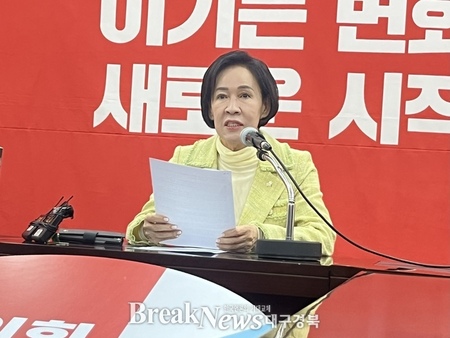
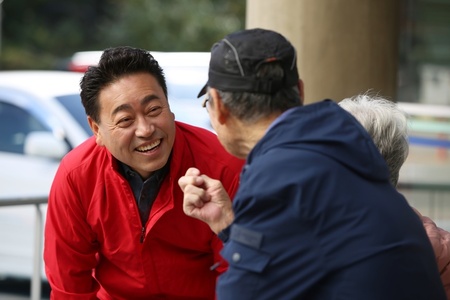
▲ 임미애 의원 © |
【브레이크뉴스 의성】진예솔 기자=해양수산부가 10년 동안 58억 원을 투입해 추진한 플라스틱 어상자 교체 및 확충 사업이 기대에 미치지 못하는 성과를 내며 도마에 올랐다.
전국 위판장에서는 여전히 나무나 스티로폼 상자가 주로 사용되고 있어, 해수부 정책이 ‘탁상행정’에 그친다는 현장 비판이 커지고 있다.
국회 농림축산식품해양수산위원회 임미애 더불어민주당 의원이 해수부로부터 제출받은 자료에 따르면, 해수부는 지난 2014년부터 비위생적인 나무 어상자 사용을 개선하기 위해 플라스틱 어상자 임차비를 지원해온 것으로 나타났다.
지난 10년 동안 737만 개의 어상자에 58억 원을 투입했지만, 플라스틱 어상자 사용량은 2015년 591만 개에서 2024년 647만 개로 56만 개 늘어나는 데 그쳐, 사실상 정체 상태를 벗어나지 못했다.
전국 210여 개 위판장 가운데 플라스틱 어상자를 쓰는 곳은 9개소(4.2%)에 불과해, 대부분 위판장에서는 여전히 위생에 취약한 나무 상자가 재사용되고 있다.
해수부는 오는 2028년까지 나무 어상자를 모두 플라스틱으로 교체하겠다는 계획을 밝혔지만, 실효성에 대한 우려는 사그라들지 않고 있다.
내년도 예산 역시 전년과 같은 7억 9,800만 원에 머물렀고, 사업 방식도 임차에서 구매 방식으로 변경하는 수준에 그쳤다.
구매 방식 전환 후 개당 지원금이 400원으로 줄어든 반면, 어민 자부담은 기존 612원에서 2,200원으로 3.6배 증가했다. 여기에 세척이나 회수 등 관리비용까지 더해지면 어민들의 실질적인 부담은 약 3,000원에 이를 것으로 전망된다.
현장 어민들은 현실과 동떨어진 정책에 한숨을 내쉬고 있다. 한 어민은 “임차도 부담돼서 못 쓰는데, 더 비싼 플라스틱 상자를 어떻게 사겠느냐”며 “정부가 현장 목소리는 듣지 않고, 탁상에서 만든 계획으론 정책 효과를 기대하긴 어렵다”고 말했다.
반면, 농림축산식품부는 같은 기간 플라스틱 상자 임차 지원 사업을 성공적으로 정착시켰다. 2014년부터 1,315억 원을 투입해 6억 5,700만 개의 상자를 지원하며, 사용 습관 정착과 규격화에 성공했다.
최근에는 축적된 데이터로 통합 관리 시스템 구축에도 나서고 있다. 같은 기간 해수부는 64억 원, 757만 개에 그친 것과 뚜렷한 대조를 이룬다.
임미애 의원은 “농림축산식품부처럼 충분한 물량을 지원하고, 위판장 현대화 사업과 연계해 인센티브 제도도 마련해야 한다”고 강조했다.
또 “단순한 교체 지원에 그치지 않고, 어민들이 자발적으로 참여할 수 있는 지속 가능한 위생 관리 시스템 구축이 중요하다”며 “해수부는 실적에만 매몰되기보다 어민 부담을 줄이고 수산물 품질을 높일 수 있는 근본 대책 마련에 나서야 한다”고 지적했다.
<구글 번역으로 번역한 영문 기사의 전문 입니다. 번역에 오류가 있을 수 있음을 밝힙니다.>
The Ministry of Oceans and Fisheries' 10-year, 5.8 billion won project to replace and expand plastic fish boxes has come under fire for failing to meet expectations.
Wooden and Styrofoam boxes are still primarily used at fish markets nationwide, leading to growing criticism that the Ministry's policies are merely "paperwork."
According to data submitted by the Ministry to Rep. Lim Mi-ae of the Democratic Party of Korea, a member of the National Assembly's Agriculture, Food and Rural Affairs, Oceans and Fisheries Committee, the Ministry has been subsidizing the rental costs of plastic fish boxes since 2014 to address the use of unsanitary wooden boxes.
Despite investing 5.8 billion won in 7.37 million fish boxes over the past decade, the use of plastic fish boxes has only increased by 560,000 units, from 5.91 million in 2015 to 6.47 million in 2024, remaining essentially stagnant.
Of the approximately 210 fish markets nationwide, only nine (4.2%) use plastic boxes, meaning most markets still reuse unsanitary wooden boxes.
The Ministry of Oceans and Fisheries announced a plan to replace all wooden fish boxes with plastic ones by 2028, but concerns about its effectiveness persist.
Next year's budget remains unchanged at 798 million won, the same as last year, and the project method has only been changed from leasing to purchasing.
After the switch to purchasing, the per-unit subsidy has decreased to 400 won, while the fishermen's out-of-pocket expenses have increased 3.6-fold, from 612 won to 2,200 won. Adding in management costs, such as cleaning and collection, the actual burden on fishermen is expected to reach approximately 3,000 won.
Fishermen are sighing at the policy's lack of practicality. One fisherman said, "We can't afford to rent plastic boxes, so how can we afford to buy more expensive ones?" He added, "The government doesn't listen to the voices of the field, and it's difficult to expect policy effectiveness with plans made on a whim."
Conversely, the Ministry of Agriculture, Food and Rural Affairs successfully established a plastic box rental support program during the same period. Since 2014, it has invested 131.5 billion won and provided 657 million boxes, successfully establishing usage habits and standardizing them.
Recently, the Ministry is also working to build an integrated management system using accumulated data. This stands in stark contrast to the Ministry of Oceans and Fisheries, which provided only 6.4 billion won and provided 7.57 million boxes during the same period.
Representative Lim Mi-ae emphasized, "Like the Ministry of Agriculture, Food and Rural Affairs, we need to provide sufficient supplies and establish incentives in conjunction with the auction market modernization project."
He also pointed out that, “It is important to go beyond simple replacement support and establish a sustainable sanitation management system in which fishermen can voluntarily participate,” and that, “Rather than focusing solely on performance, the Ministry of Oceans and Fisheries should take steps to establish fundamental measures to reduce the burden on fishermen and improve the quality of fishery products.”
원본 기사 보기:브레이크뉴스 대구경북