브레이크뉴스 김충열 정치전문기자 = 윤석열 정부의 대규모 연구‧개발(R&D) 예산 삭감으로 인한 매몰(손실) 비용이 최근 2년간 3,500억원을 넘어선 것으로 나타났다.
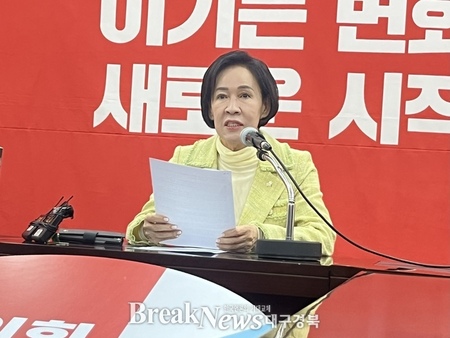
 ▲ 권향엽 의원은 “윤석열이 무너뜨린 R&D 예산 삭감은 대한민국을 크게 후퇴시켰다. 무엇보다 생태계를 복원하는데 올해 예산심사부터 최선을 다할 것”이라며 “과기출연기관법 개정 등 입법을 통한 제도개선도 추진하겠다”고 강조했다. © 김충열 정치전문기자 |
국회 산업통상자원중소벤처기업위원회 소속 권향엽의원실이 국정감사를 위해 전 부처로부터 제출받은 자료에 따르면, R&D 예산 삭감에 따른 2024~2025년 31개 부처의 매몰비용은 총 3,560억 4,100만원이다. 윤석열 정부가 2024년부터 ‘비효율 개선’을 이유로 국가 R&D 예산을 줄인 이후 전 부처의 피해 규모가 확인된 것은 이번이 처음이다.
R&D 예산 삭감으로 순탄하게 진행 중이던 사업이 과제 중단돼 매몰된 비용이 100억원이 넘는 부처만 6개에 달했다. 매몰비용은 ▴중소벤처기업부 705억 6,800만원 ▴방위사업청 691억 8,900만원 ▴산업통상자원부 637억 8,100만원 ▴과학기술정보통신부 614억 7,300만원 ▴국토교통부 380억 1,800억원 ▴국무조정실 286억 5,100만원 순이다.
무엇보다 반도체, 인공지능(AI), 바이오 등 첨단 기술의 토대가 돼 선진국들이 공격적으로 투자를 늘리고 있는 기초 연구 분야 피해가 눈에 띈다. R&D 예산 삭감으로 중단된 과학기술정보통신부의 과제 68개 중 기초 연구분야는 53개로 전체의 77.94%에 달했다. 사례를 보면 ‘4세대 유전자 교정기술 개발’, ‘차세대 이차전지 급속 충전 기술’ 등 글로벌 기술 패권 전쟁에서 게임 체인저가 될 수 있는 연구가 다수 포함됐다.
 ▲ R&D 예산 삭감으로 순탄하게 진행 중이던 사업이 과제 중단돼 매몰된 비용이 100억원이 넘는 부처만 6개에 달했다. 매몰비용은 ▴중소벤처기업부 705억 6,800만원 ▴방위사업청 691억 8,900만원 ▴산업통상자원부 637억 8,100만원 ▴과학기술정보통신부 614억 7,300만원 ▴국토교통부 380억 1,800억원 ▴국무조정실 286억 5,100만원 순이다. © 김충열 정치전문기자 |
이 같은 과제 중단으로 20~30대 신진 연구자들이 큰 피해를 입었다. 고용노동부에 따르면 2024년 자연·생명과학 연구직과 정보통신 연구개발직 및 공학기술직의 구직급여 신청자 수는 모두 2만 8,092명에 달했다. 이는 전년 대비 30.6% 급증한 수치다. 과학기술계에서는 연구비 삭감으로 주요 연구자들의 연구 기반이 사라지면서 이들의 구직급여가 증가한 것으로 보고있다.
산업 밸류체인의 근간인 중소기업의 R&D 예산 삭감 손실 비용은 705억 원으로 규모가 가장 컸다. 고용 안정성과 다양한 신기술 상용화에 집중해야 할 중소기업의 R&D 축소는 국가 경쟁력 저하로 이어졌을 가능성이 크다. 실제 AI와 반도체, 선박 등 미래 먹거리 분야 연구가 줄줄이 사라졌다. 세부 내용을 보면 ‘선박용 배출가스 저감을 위한 무시동 저속 추진 하이브리드 발전 시스템 개발’, ‘차세대 반도체 고급 패키징 공정용 결함 검출 및 높이 측정 복합장비 개발’ 등이다. ‘초고순도 불산의 순수 국산 양산화 기술 개발’ 등 기술 자립을 위한 국산화 과제 8건도 삭감 대상에 올랐다.
이동주 중소벤처기업연구원 부원장은 “1~2년 연구 중단의 영향이 얼핏 작게 느껴질 수 도 있지만 글로벌 국가들이 국가적 역량을 총동원해 체계적이고 일관성 있게 R&D 지원을 확대하고 있는 점을 고려하면 기술 격차는 더 벌어졌을 것”이라고 진단했다.
국민의 생명과 직결된 안보와 감염병 분야도 예산 삭감을 피하지 못했다. 해당 분야에 R&D 지원을 맡았던 방위사업청과 산업통상자원부의 매몰비용은 691억원, 637억원이었다. 방사청의 미래 도전 국방기술 중 주요 중단 과제는 ‘야전 바이오매스 기반 전기에너지 생산 기술’, ‘무인자율 체계 작전능력 향상을 위한 차세대 3차원 초소형 자이로(방향센서) 기술 개발’ 등이다.
서울경제신문의 취재에 따르면, 전문가들은 “과학기술분야 정부출연연구기관 등의 설립·운영 및 육성에 관한 법률’을 개정해 출연연 등 연구 주체 기관에 예산·집행 관리에 대한 자율권을 부여하는 법적인 권한을 명문화해야 한다”고 입을 모았다.
배승욱 벤처시장연구원 대표는 “R&D 지원은 5~10년 단위 중장기 계획에 따라 움직여야 성과가 나올 수 있는 만큼 관련 예산을 정치적 논리에 따라 임의로 조정하지 못하도록 법적 장치를 마련할 필요가 있다”고 강조했다.
현재 과기출연기관법에는 출연연 및 연구회가 기본 사업 운영권이 있지만 예산 집행 관련 사항은 빠져 있어 미래 장기 투자라는 설립 취지를 달성하지 못하고 있다는 비판이 제기된다. 박철우 한국공학대 교수는 “부처별 R&D 예산이 배분되지만 실제 집행까지는 기재부와 국회를 거쳐야 하는 톱다운 방식으로 이뤄지고 있다”며 “부처별 예산은 각 부처와 연구기관이 자율성을 부여 받고 책임을 지는 방식으로 개선돼야 한다”고 지적했다.
권향엽 “윤석열이 무너뜨린 R&D 생태계 복원에 최선… 제도개선 입법 추진”
권향엽 의원은 “윤석열이 무너뜨린 R&D 예산 삭감은 대한민국을 크게 후퇴시켰다. 무엇보다 생태계를 복원하는데 올해 예산심사부터 최선을 다할 것”이라며 “과기출연기관법 개정 등 입법을 통한 제도개선도 추진하겠다”고 강조했다. hpf21@naver.com
* 아래는 위 기사를 '구글 번역'으로 번역한 영문 기사의 [전문]입니다. '구글번역'은 이해도 높이기를 위해 노력하고 있습니다. 영문 번역에 오류가 있을 수 있음을 전제로 합니다. *The following is [the full text] of the English article translated by 'Google Translate'. 'Google Translate' is working hard to improve understanding. It is assumed that there may be errors in the English translation.
Rep. Kwon Hyang-yeop: "Yoon administration's R&D budget cuts have cost taxpayers 356 billion won... Comprehensive investigation of all ministries"
Ministry of Science and ICT: 77.94% of projects are in the basic research field... Ministry of SMEs and Startups: 70.5 billion won in sunk costs, the highest
Break News Political Reporter Kim Choong-lyoul = The sunk costs (losses) resulting from the Yoon Seok-yeol administration's large-scale research and development (R&D) budget cuts have exceeded 350 billion won over the past two years.
According to data submitted by all ministries to the office of Rep. Kwon Hyang-yeop, a member of the National Assembly's Trade, Industry, Energy, SMEs and Startups Committee, for the state audit, the sunk costs for 31 ministries due to R&D budget cuts from 2024 to 2025 total 356.041 billion won. This marks the first time that the scale of damage across all ministries has been confirmed since the Yoon Seok-yeol administration cut the national R&D budget, citing "inefficiency improvements" as a reason, starting in 2024.
Six ministries alone have suffered sunk costs exceeding 10 billion won due to the suspension of smoothly progressing projects due to the R&D budget cuts. These sunk costs are as follows: ▴ Ministry of SMEs and Startups (KRW 70.568 billion); ▴ Defense Acquisition Program Administration (DAPA) (KRW 69.189 billion); ▴ Ministry of Trade, Industry and Energy (KRW 63.781 billion); ▴ Ministry of Science and ICT (KRW 61.473 billion); ▴ Ministry of Land, Infrastructure and Transport (KRW 38.018 billion); and ▴ Office for Government Policy Coordination (KRW 28.651 billion).
Above all, the damage to basic research, which forms the foundation of cutting-edge technologies like semiconductors, artificial intelligence (AI), and biotechnology and where advanced countries are aggressively increasing investment, is particularly noticeable. Of the 68 projects suspended by the Ministry of Science and ICT due to R&D budget cuts, 53, or 77.94%, were in basic research fields. Examples include "development of 4th-generation gene editing technology" and "next-generation rapid charging technology for secondary batteries," which could be game-changers in the global battle for technological supremacy.
The suspension of these projects has significantly impacted young researchers in their 20s and 30s. According to the Ministry of Employment and Labor, the number of applicants for unemployment benefits in 2024 for natural and life sciences research positions, information and communications R&D positions, and engineering positions reached 28,092, a 30.6% increase from the previous year. The science and technology community believes that the increase in unemployment benefits for these key researchers is due to the loss of their research base due to research budget cuts.
The largest loss was incurred by SMEs, the backbone of the industrial value chain, at 70.5 billion won. The reduction in R&D budgets for SMEs, which should be focusing on job security and the commercialization of various new technologies, likely led to a decline in national competitiveness. Indeed, research in future growth areas such as AI, semiconductors, and ships has been eliminated. Details include "Development of a motionless, low-speed hybrid power generation system for ship emissions reduction" and "Development of a complex defect detection and height measurement device for next-generation semiconductor advanced packaging processes." Eight domestic projects aimed at achieving technological independence, including "Development of a technology for the domestic mass production of ultra-high-purity hydrofluoric acid," were also subject to cuts.
Lee Dong-ju, Vice President of the Korea Institute for SMEs and Startups, stated, "The impact of a one- to two-year research suspension may seem small at first glance, but considering that global countries are systematically and consistently expanding R&D support by mobilizing national capabilities, the technological gap is likely to have widened further."
The security and infectious disease sectors, which are directly linked to the lives of the people, were also not spared from budget cuts. The Defense Acquisition Program Administration (DAPA) and the Ministry of Trade, Industry and Energy (MOTIE), which were responsible for R&D support in these areas, recorded sunk costs of 69.1 billion won and 63.7 billion won, respectively. Key projects halted among DAPA's future defense technologies include "field biomass-based electric energy production technology" and "development of next-generation 3D micro-gyro (orientation sensor) technology to enhance the operational capabilities of unmanned autonomous systems."
According to a Seoul Economic Daily report, experts unanimously agreed that the "Act on the Establishment, Operation and Promotion of Government-Funded Research Institutes in the Science and Technology Field" should be amended to explicitly grant research organizations, such as government-funded research institutes, autonomy over budget and execution management.
Bae Seung-wook, CEO of the Venture Market Research Institute, emphasized, "R&D support must be implemented according to a mid- to long-term plan of 5-10 years to achieve results. Therefore, legal mechanisms are needed to prevent arbitrary adjustments to related budgets based on political logic."
The current Science and Technology-Governed Institutions Act grants research institutes and research associations basic operational authority, but omits provisions related to budget execution, raising criticism that it fails to achieve its founding purpose of long-term investment in the future. Professor Park Cheol-woo of the Korea University of Engineering and Technology pointed out, "While R&D budgets are allocated to each ministry, actual execution is handled through a top-down process that requires approval from the Ministry of Strategy and Finance and the National Assembly." He added, "The ministry-specific budget system should be improved to grant each ministry and research institute autonomy and responsibility."
Kwon Hyang-yeop: "I will do my best to restore the R&D ecosystem destroyed by Yoon Seok-yeol... Promote legislation to improve the system."
Representative Kwon Hyang-yeop emphasized, "The R&D budget cuts destroyed by Yoon Seok-yeol have significantly set the Republic of Korea back. Above all, I will do my utmost to restore the ecosystem, starting with this year's budget review. I will also pursue institutional improvements through legislation, including revisions to the Science and Technology-Governed Institutions Act." hpf21@naver.com