브레이크뉴스 김충열 정치전문기자 = 김민석 국무총리는 10일, 자신의 SNS를 통해 서울 종묘를 직접 방문한 자리에서 서울시의 종묘 인근 초고층 개발 계획에 대해 “세계문화유산의 ‘탁월한 보편적 가치’를 훼손할 수 있는 심각한 사안”이라며 강한 우려를 표명했다.
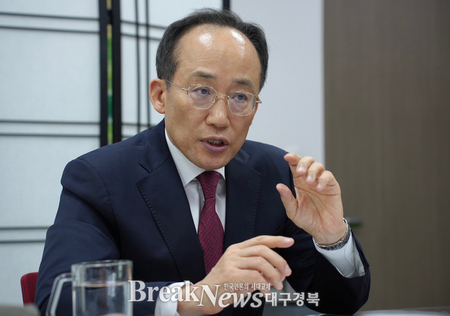
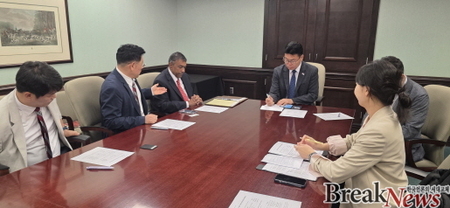
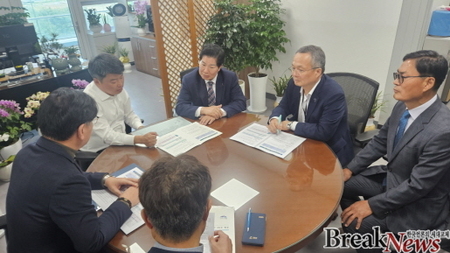
 ▲ 김민석 총리는 “종묘는 동양의 파르테논이라 불릴 만큼 장엄한 문화유산으로, 단순한 개발과 보존의 대립을 넘어선 ‘문화적 개발’의 관점에서 접근해야 한다”며, “서울시가 기존 계획보다 두 배 높게 초고층 건물을 짓겠다는 발상은 K-관광 부흥에 역행하고 국익과 국부를 해치는 근시안적 단견이 될 수 있다”고 지적했다. (사진, 뉴시스) |
김총리는 “민족적 자긍심이자 상징인 세계문화유산과 그 주변 개발을 둘러싼 논쟁은 단순한 개발론과 보존론의 대립이 아니다”며, “도심 속 문화유산, 특히 유네스코 ‘세계문화유산‘은 역사적 가치와 개발 필요성 사이의 지속가능한 조화를 찾아가는 ‘문화적 개발‘이 필요하다”고 밝혔다.
그는 “종묘는 동양의 파르테논이라 불릴 만큼 장엄한 문화유산으로, 단순한 개발과 보존의 대립을 넘어선 ‘문화적 개발’의 관점에서 접근해야 한다”며, “서울시가 기존 계획보다 두 배 높게 초고층 건물을 짓겠다는 발상은 K-관광 부흥에 역행하고 국익과 국부를 해치는 근시안적 단견이 될 수 있다”고 지적했다.
이날 종묘 방문에는 유홍준 국립중앙박물관장, 허민 국가유산청장, 김경민 서울대 도시계획학과 교수 등이 동행했다. 김 총리는 “유홍준 관장께서 말씀하신 종묘-창경궁 벨트에서 바라보는 남산 경관은 세계적으로도 손꼽히는 문화적 자산”이라며, “서울시의 개발 계획은 종묘의 세계유산 지정 해지 가능성까지 제기되는 중대한 사안”이라고 밝혔다.
또한 김 총리는 “서울시의회 조례 개정안이 상위법인 문화재보호법과 충돌할 소지가 있음에도, 대법원 판결은 모든 쟁점을 포괄하지 못하고 있다”며, “이번 사안을 적절히 다룰 수 있도록 법과 제도 보완에 착수할 것”이라고 강조했다.
끝으로 김 총리는 “K-문화, K-관광, K-유산의 관점에서 국민적 공론의 장을 열어야 한다”며 “문화강국의 미래를 해치는 문화 소국적 오류는 결코 범하지 않겠다”고 강조했다. hpf21@naver.com
* 아래는 위 기사를 '구글 번역'으로 번역한 영문 기사의 [전문]입니다. '구글번역'은 이해도 높이기를 위해 노력하고 있습니다. 영문 번역에 오류가 있을 수 있음을 전제로 합니다. *The following is [the full text] of the English article translated by 'Google Translate'. 'Google Translate' is working hard to improve understanding. It is assumed that there may be errors in the English translation.
Prime Minister Kim Min-seok: "High-rise development in front of Jongmyo Shrine raises concerns about damaging World Heritage sites…We are beginning to improve laws and regulations."
Seoul Metropolitan Government: Short-sighted development that runs counter to K-tourism... "Cultural Powerhouse's Future Threatened" Expresses Strong Concern
Break News Political Reporter Kim Choong-lyoul = Prime Minister Kim Min-seok expressed strong concern on the Seoul Metropolitan Government's high-rise development plan near Jongmyo Shrine on the 10th, during a visit to the shrine, stating through his social media account that it is a "serious issue that could damage the 'outstanding universal value' of the World Cultural Heritage site."
Prime Minister Kim stated, "The debate surrounding World Cultural Heritage sites, which are symbols and sources of national pride, and the development of their surroundings is not simply a conflict between development and preservation." He added, "Cultural heritage sites in the city, especially UNESCO World Cultural Heritage sites, require 'cultural development' that seeks a sustainable balance between historical value and the need for development."
He stated, "Jongmyo Shrine is a magnificent cultural heritage site, often called the Parthenon of the East. It should be approached from the perspective of 'cultural development' that transcends the simple conflict between development and preservation." He added, "The idea of Seoul City building a high-rise building twice as tall as originally planned is short-sighted, running counter to the revitalization of K-tourism and harming national interests and wealth." He pointed out that it could be a narrow-minded view.
Accompanying the visit to Jongmyo that day were Yoo Hong-joon, Director of the National Museum of Korea; Heo Min, Director of the National Heritage Administration; and Kim Kyung-min, Professor of Urban Planning at Seoul National University. Prime Minister Kim stated, "The view of Namsan Mountain from the Jongmyo-Changgyeonggung belt, as Director Yoo Hong-joon mentioned, is a world-class cultural asset." He added, "The Seoul Metropolitan Government's development plan is a serious matter that even raises the possibility of revoking Jongmyo's World Heritage designation."
Prime Minister Kim also noted, "Although the Seoul Metropolitan Council ordinance amendment potentially conflicts with the Cultural Heritage Protection Act, the Supreme Court ruling fails to encompass all the issues," and emphasized, "We will begin to improve laws and systems to appropriately address this issue."
Finally, Prime Minister Kim emphasized, "We must open a forum for national public discussion from the perspective of K-culture, K-tourism, and K-heritage." He added, "We will never make the mistake of a culturally small nation that harms the future of a culturally powerful nation."